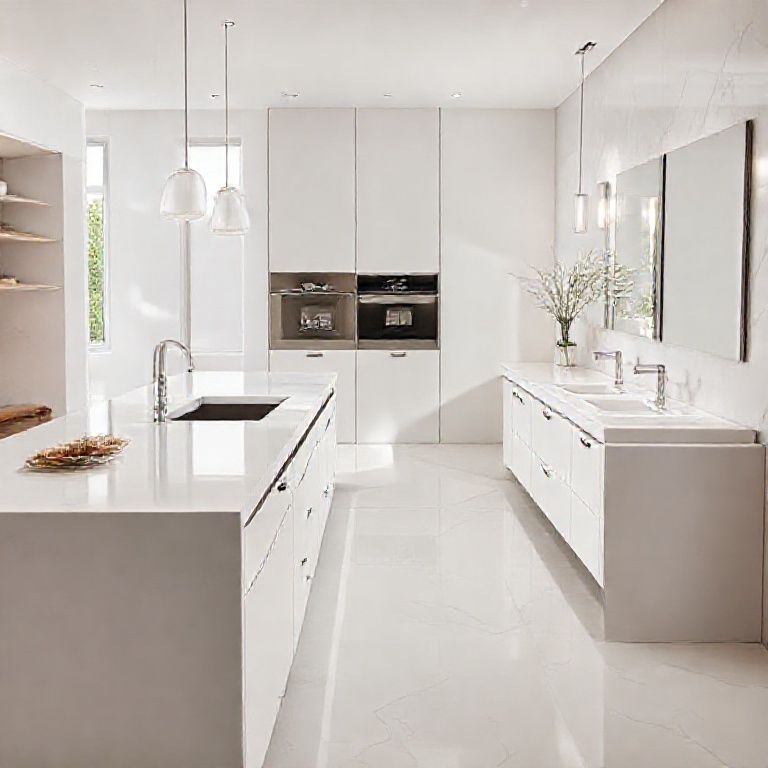
How to Properly Maintain and Clean Your Artificial Stone Countertops
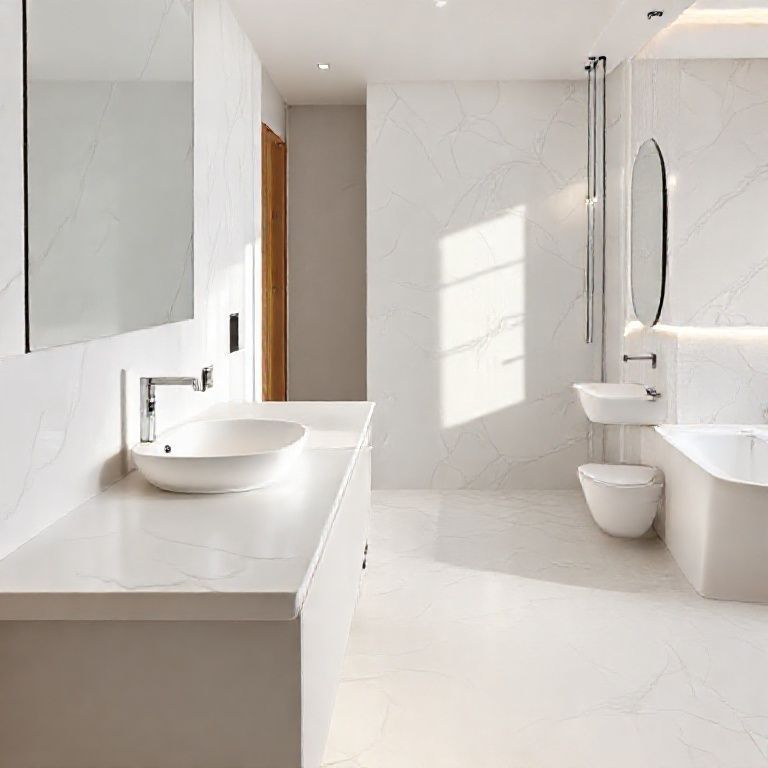
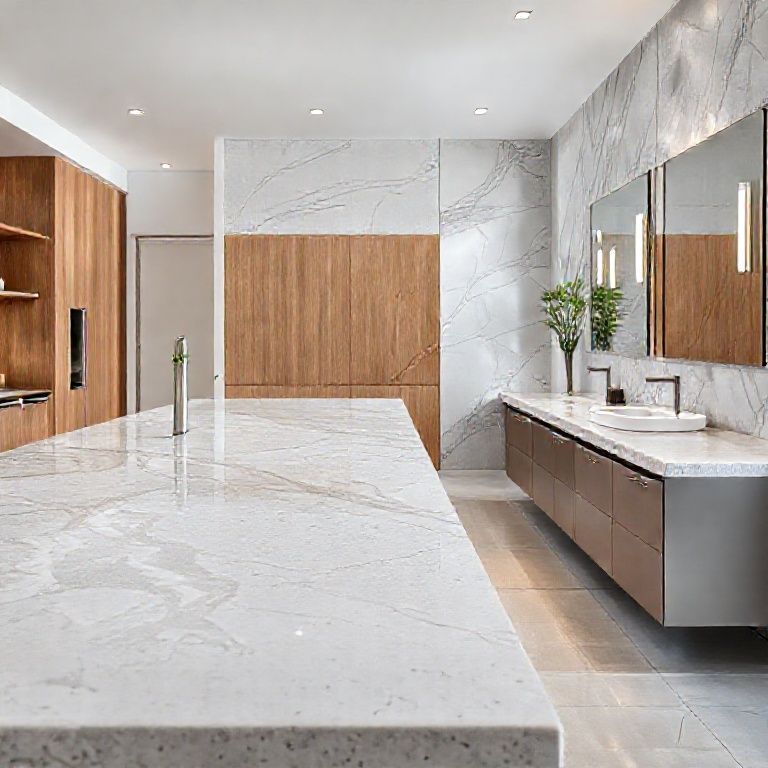
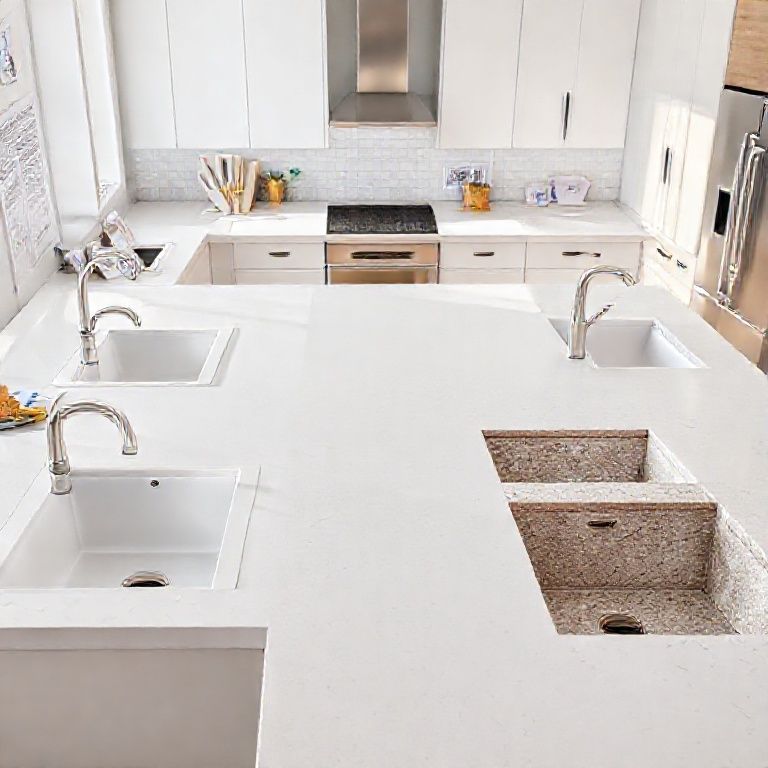
Artificial stone countertops have revolutionized modern kitchen and bathroom design, offering a combination of beauty, durability, and low maintenance. However, to ensure that your artificial stone surfaces maintain their sleek appearance and longevity, it’s essential to follow proper maintenance and cleaning techniques. This first part of our guide will focus on the basics of cleaning your artificial stone countertops and some preventive measures to keep them in top condition.
Understanding Artificial Stone
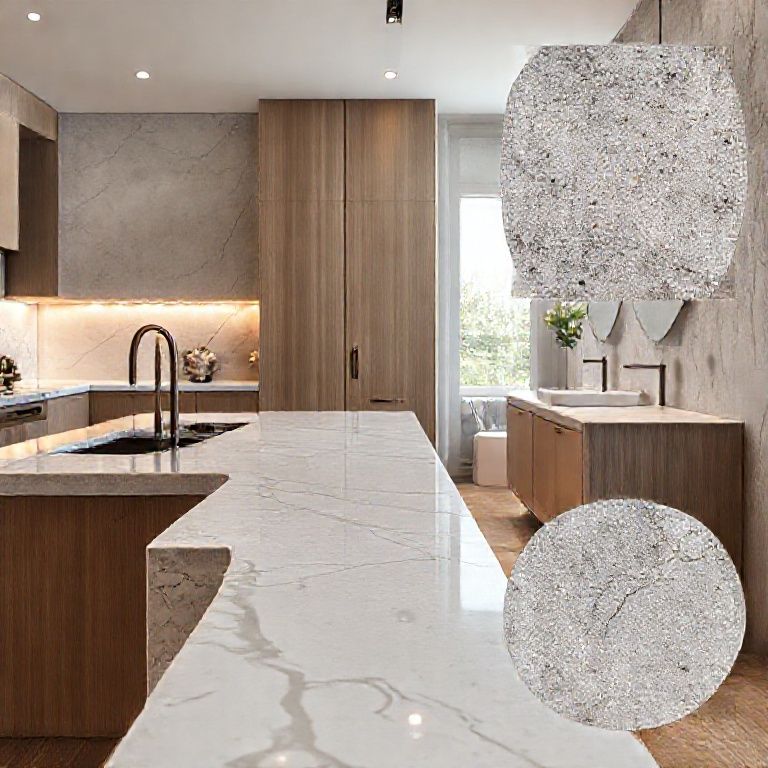
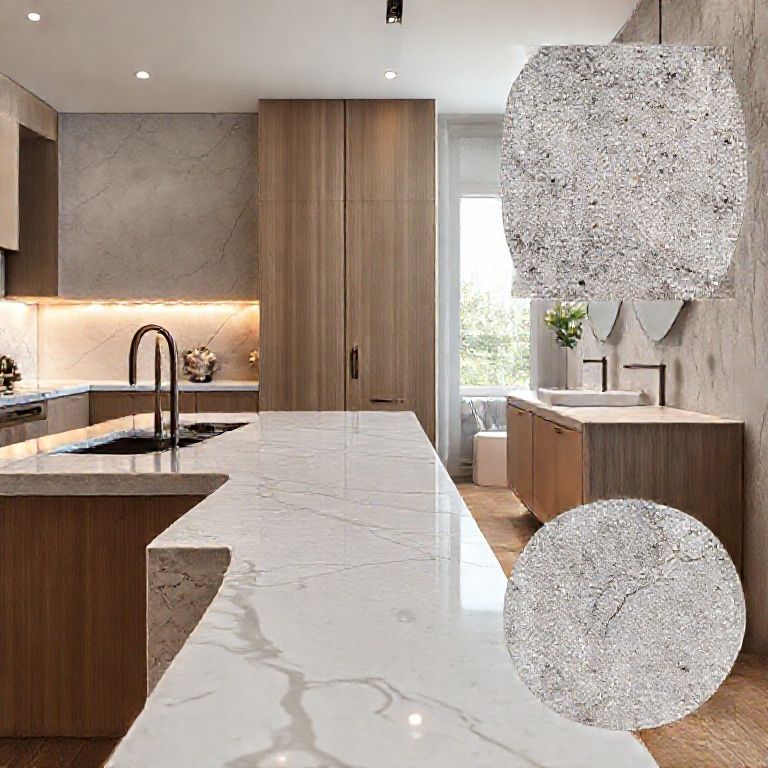
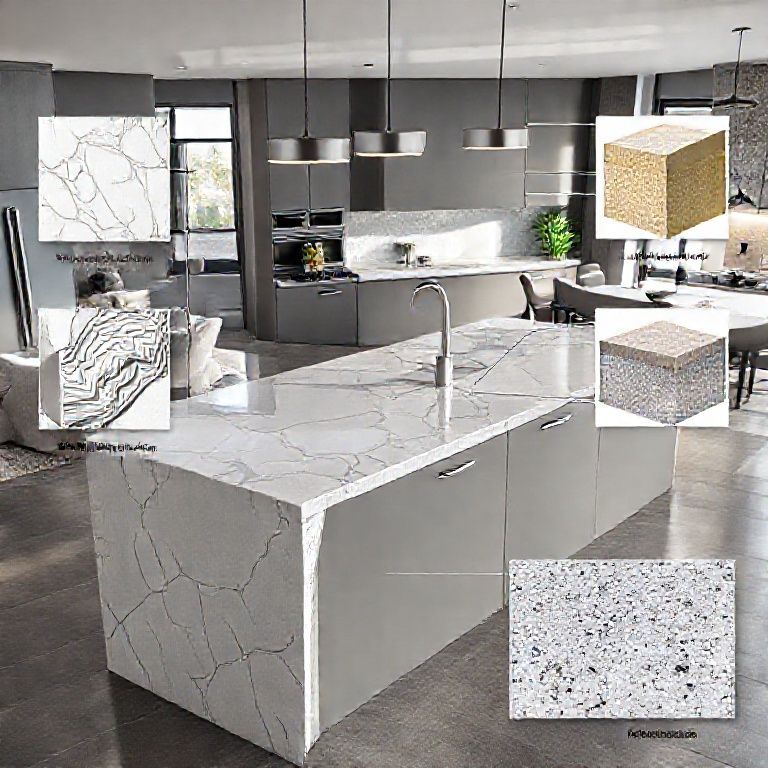
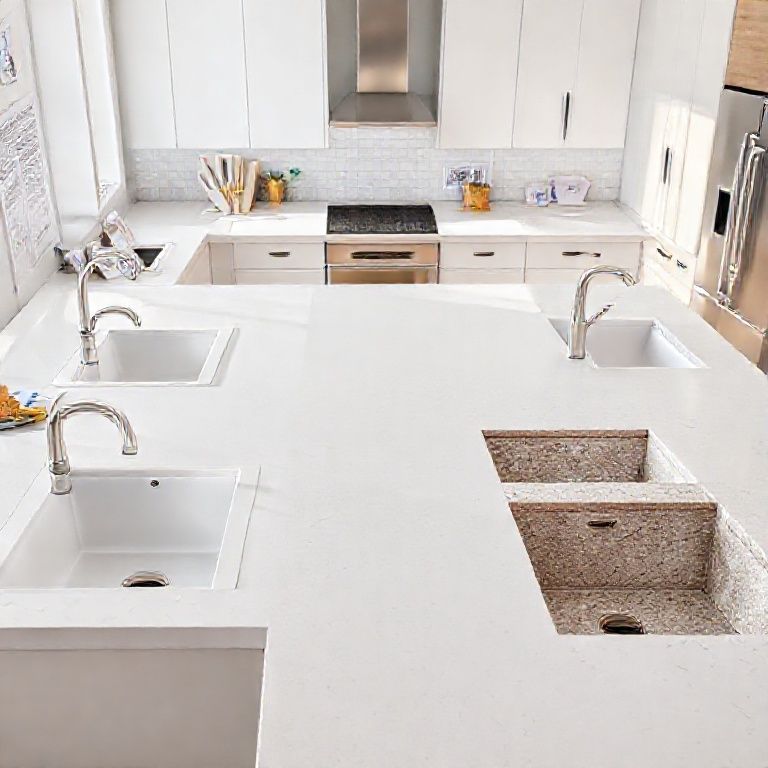
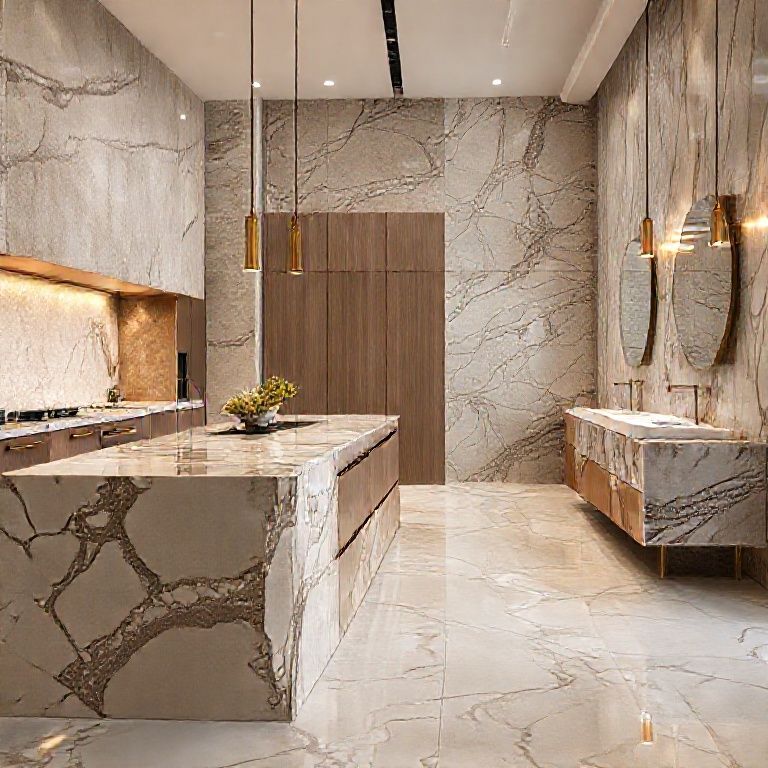
Artificial stone, often made from materials like quartz or other composite stones, mimics the appearance of natural stone but with superior durability. Unlike natural stone, artificial stone is resistant to stains, scratches, and most chemicals. Despite its resilience, regular care is still needed to maintain its pristine look.
Basic Cleaning Techniques
Daily Cleaning
1. Immediate Spill Management: Immediate attention to spills is crucial. Artificial stone can absorb some liquids, leading to discoloration if left untreated. Use a damp cloth or paper towel to blot up spills immediately, followed by a gentle wipe with a neutral cleaner.
2. Regular Wipe Down: At the end of each day, use a soft, dry cloth to wipe down your countertop. This removes any residual spills and prevents them from setting in.
Cleaning Tools
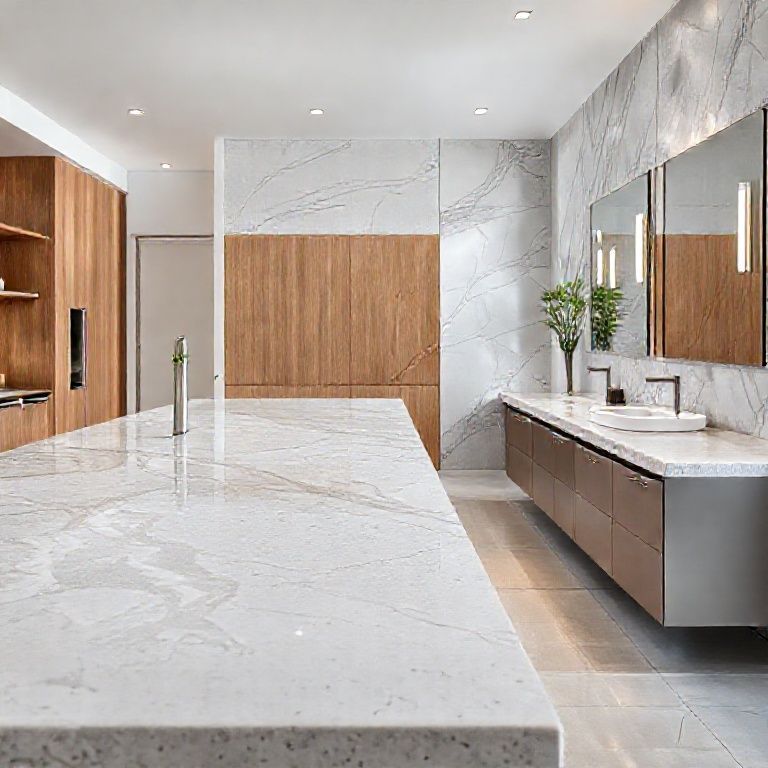
1. Soft Cloths and Sponges: Opt for soft, non-abrasive cloths or sponges to avoid scratching the surface. Microfiber cloths are particularly effective as they trap dirt without scratching.
2. Neutral Cleaners: Use pH-neutral, non-abrasive cleaners to avoid damaging the stone’s surface. Avoid harsh chemicals like bleach or acidic cleaners, which can etch the stone.
Cleaning Routine
1. Daily Cleaning: For everyday use, a simple wipe-down with a damp cloth and a mild soap solution should suffice.
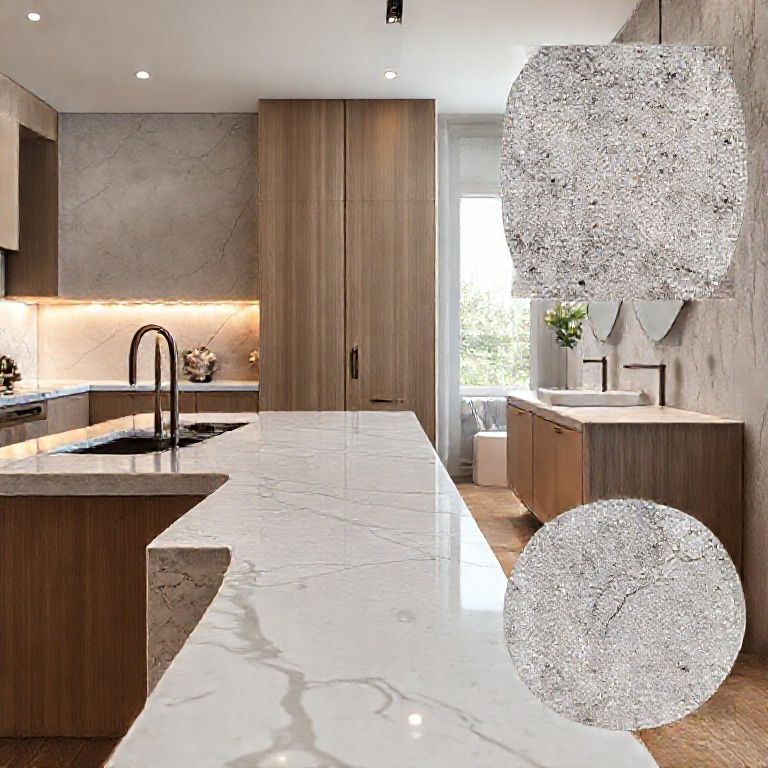
2. Weekly Cleaning: Incorporate a more thorough cleaning process weekly. Mix a small amount of mild dish soap with warm water, apply it to a soft cloth, and gently scrub the surface. Rinse with clean water and dry immediately.
Preventive Measures
1. Use Coasters and Trivets: To prevent heat and liquid damage, always use coasters under glasses and mugs, and trivets for hot dishes. This simple step can prevent stains and discoloration.
2. Apply Protective Coatings: Some manufacturers recommend applying a protective coating or sealant. These products create a barrier that helps repel stains and spills, although they require reapplication every few months.
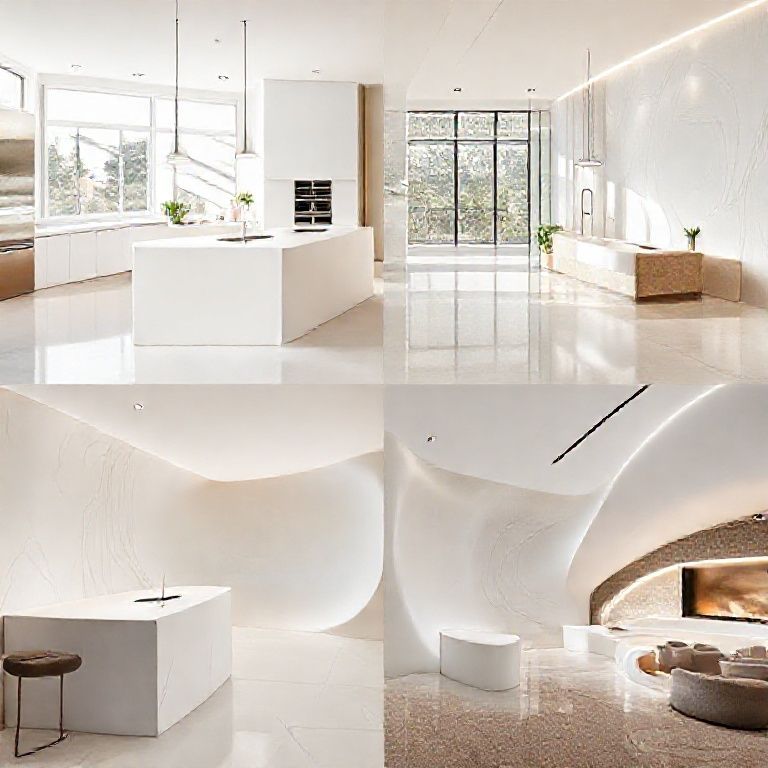
3. Avoid Sharp Objects: Use cutting boards or pads when cutting food to avoid scratches. Always place pots and pans on trivets to prevent thermal shock and potential damage.
Addressing Stains and Spills
1. Immediate Treatment: For minor spills or stains, act quickly. Blot the area with a clean, damp cloth to remove as much of the spill as possible before it dries.
2. Stain Removal Solutions: For tougher stains, a mixture of baking soda and water can be used. Make a paste with baking soda and water, apply it to the stain, let it sit for a few minutes, then scrub gently with a soft cloth and rinse.
Common Cleaning Myths
1. Avoid Abrasive Cleaners: Many people believe that stronger cleaners will make the surface shine better. However, abrasive cleaners can scratch and damage the stone.
2. Regular Waxing Isn’t Necessary: Unlike natural stone, artificial stone doesn’t require regular waxing. Wax can actually build up over time and create a sticky residue.
How to Properly Maintain and Clean Your Artificial Stone Countertops
In the second part of our guide, we delve deeper into advanced maintenance strategies and additional tips to ensure your artificial stone countertops remain in excellent condition over the long term. This section covers specialized cleaning techniques, handling special situations, and advanced preventative measures.
Specialized Cleaning Techniques
Deep Cleaning
1. Deep Clean Monthly: To maintain the best appearance, perform a deeper clean once a month. Use a mixture of mild soap and warm water, scrub gently with a non-abrasive sponge, rinse, and dry thoroughly.
2. Natural Cleaners: Vinegar and lemon juice are excellent natural cleaners. For tougher stains, make a paste with baking soda and lemon juice. Apply the paste to the stain, let it sit for 10-15 minutes, then scrub and rinse.
Dealing with Stubborn Stains
1. Coffee and Tea Stains: For coffee or tea stains, mix equal parts water and white vinegar. Apply the solution to the stain, let it sit for a few minutes, then scrub gently with a soft cloth.
2. Grease and Oil Stains: For grease, use a commercial kitchen cleaner designed for stone surfaces. Apply to the stain, let it sit for a few minutes, then scrub and rinse. Alternatively, a mixture of baking soda and water can be used.
Handling Special Situations
Scratches and Chips
1. Minor Scratches: Minor scratches can often be polished out using a fine-grit sandpaper or a commercial scratch remover. Always test in an inconspicuous area first.
2. Larger Chips: For larger chips, consult a professional for repair. Attempting to fix larger chips yourself can lead to further damage.
Thermal Damage
1. Prevent Thermal Shock: Always use trivets and coasters to prevent thermal shock, which can cause artificial stone to crack.
2. Immediate Treatment for Thermal Damage: If a pot or pan causes a thermal crack, act quickly. Gently clean the area and avoid using the countertop for a few days to allow it to set. If the crack persists, professional repair may be needed.
Advanced Preventative Measures
1. Protective Coatings: Some advanced users opt for protective coatings. These products create a barrier that repels stains and spills. Follow the manufacturer’s instructions carefully, as improper application can damage the surface.
2. Regular Inspections: Conduct regular inspections for any signs of wear, scratches, or stains. Early detection can prevent minor issues from becoming major problems.
Cleaning with Specialized Products
1. Commercial Cleaners: There are commercial cleaners specifically designed for artificial stone. These often provide better results than generic cleaners, but always check for compatibility with your specific type of artificial stone.
2. Ultrasonic Cleaners: For thorough cleaning, especially in hard-to-reach areas, an ultrasonic cleaner can be very effective. These devices use high-frequency sound waves to clean surfaces with precision.
Environmental Considerations
1. Eco-Friendly Cleaning: Opt for eco-friendly cleaning products to minimize environmental impact. Many natural cleaners, such as vinegar and baking soda, are effective and environmentally safe.
2. Sustainable Practices: Adopt sustainable practices like reusing rags and cloths, and recycling packaging materials. Small changes can have a big impact over time.
Conclusion
Maintaining and cleaning your artificial stone countertops doesn’t have to be a daunting task. With the right techniques and a bit of diligence, your artificial stone surfaces can remain beautiful and functional for years to come. From daily maintenance to advanced cleaning methods, this guide provides everything you need to keep your artificial stone countertops looking pristine.
By following these guidelines, you can ensure that your artificial stone countertops not only enhance the aesthetics of your kitchen or bathroom but also provide a durable and low-maintenance surface that withstands the test of time.
Stay tuned for more detailed tips and tricks to keep your artificial stone countertops in top condition!