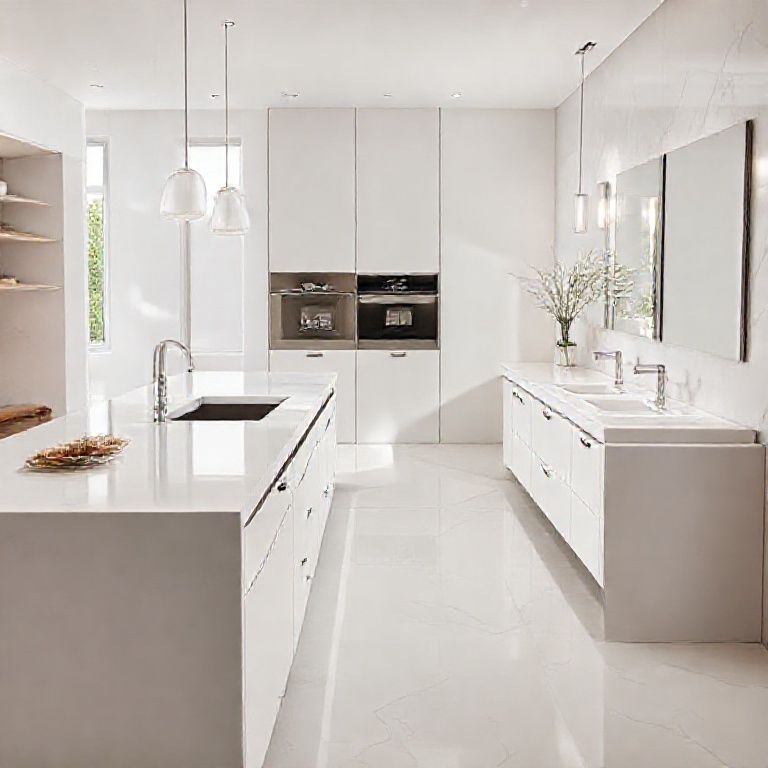
Understanding Quartz Countertops and Rust Formation
How to Remove Rust from Quartz Countertops: A Comprehensive Guide
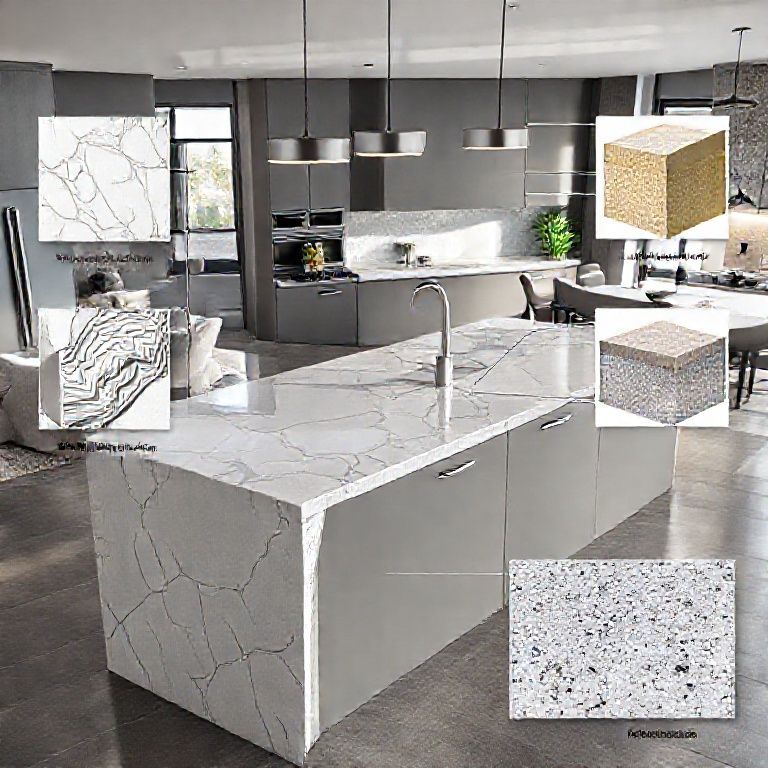
Quartz countertops have revolutionized kitchen design with their stunning aesthetics, durability, and low maintenance requirements. These surfaces are crafted from a combination of 93% natural quartz and 7% resin, which results in a material that is incredibly strong, stain-resistant, and easy to clean. However, despite their resilience, quartz countertops can sometimes develop rust, which can mar their pristine appearance.
Why Rust Appears on Quartz Countertops
Rust on quartz countertops typically arises from exposure to acidic substances or moisture. Even though quartz itself does not rust, certain contaminants or spills can create a reaction that leads to rust-like discoloration. Common culprits include acidic foods (like citrus fruits or vinegar), cleaning agents containing acids, and spills that leave behind residues.
Understanding the Surface
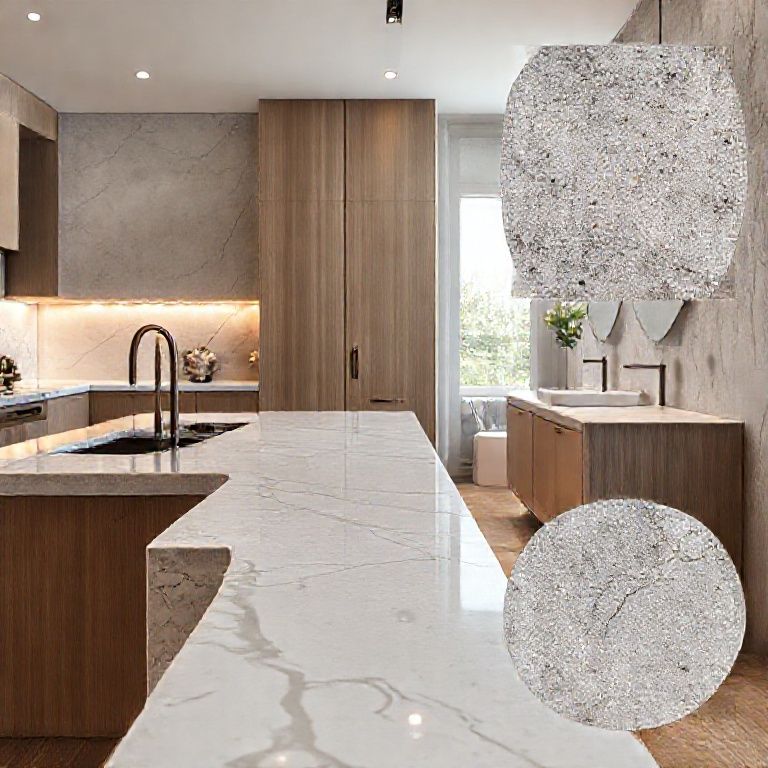
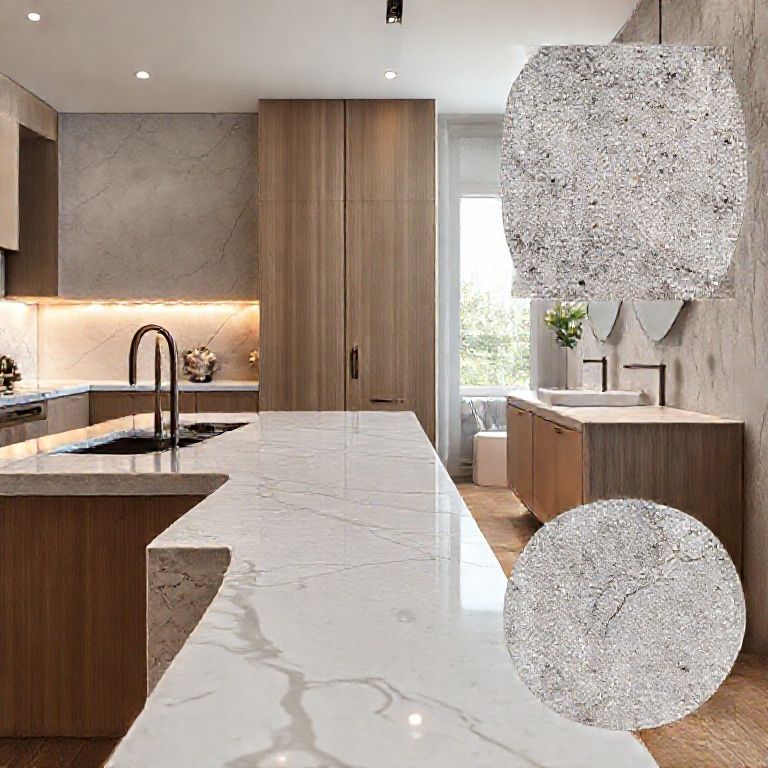
Quartz countertops are not only tough but also have a unique surface texture. The surface is made up of tiny particles of natural quartz that are fused together at high temperatures and pressures. This makes quartz incredibly resistant to scratches and stains, but it also means that cleaning methods need to be gentle enough to avoid damaging the surface.
Risks of Ignoring Rust
If left untreated, rust on a quartz countertop can spread and become more difficult to remove. The rust can also attract more stains and make the countertop appear dull and less appealing. Therefore, it’s important to address rust promptly to maintain the countertop’s pristine look.
Steps to Prevent Rust Formation
Use Appropriate Cleaning Tools: Avoid abrasive scrubbers and harsh chemicals. Instead, opt for soft cloths and mild soaps to clean your quartz surface. Immediate Cleanup: Wipe up spills immediately, especially those that are acidic or contain residues. Regular Maintenance: Keep your countertop clean and dry to prevent the buildup of substances that can cause rust.
Natural Cleaning Methods for Quartz Countertops
To maintain the beauty of your quartz countertop, regular cleaning is essential. Here are some natural methods that can keep your quartz looking its best:
Mild Soap and Water: A simple mixture of mild soap and water can clean most surfaces without the risk of damaging the quartz. Baking Soda: Sprinkle baking soda on a damp cloth and gently scrub the surface. Baking soda is mild and can help lift minor stains. White Vinegar: For tougher spots, a solution of equal parts white vinegar and water can be used to clean and disinfect your quartz surface. Olive Oil: Use a cloth soaked in olive oil to gently buff the surface. This can help to bring out the natural shine of the quartz.
Effective Techniques to Remove Rust from Quartz Countertops
How to Remove Rust from Quartz Countertops: A Comprehensive Guide
By now, you should have a solid understanding of why rust appears on quartz countertops and some preventive measures to avoid it. If rust has already developed, don’t worry—there are effective techniques to remove it and restore your countertop to its former glory.
Using Baking Soda Paste
One of the most effective and natural methods to remove rust from quartz countertops is using a baking soda paste. This method is non-abrasive and safe for the surface.
Materials Needed:
Baking soda Water A soft cloth A small bowl
Steps:
Create the Paste: Mix baking soda with enough water to form a thick paste. The consistency should be similar to that of toothpaste. Apply to the Rust Spot: Using a soft cloth, apply the paste to the rusted area. Let It Sit: Allow the paste to sit on the rust spot for about 10-15 minutes. This gives the baking soda time to work on the rust. Scrub Gently: Using a soft cloth, gently scrub the area in a circular motion. Avoid using abrasive materials that could scratch the surface. Rinse and Wipe: After scrubbing, rinse the area with clean water and wipe it dry with a soft cloth.
Vinegar and Salt Method
Another effective rust removal technique involves using vinegar and salt, which together create an abrasive yet gentle cleaning solution.
Materials Needed:
White vinegar Coarse salt A soft cloth A spray bottle
Steps:
Mix the Solution: In a spray bottle, mix equal parts of white vinegar and water. Spray on the Rust Spot: Spray the solution generously on the rusted area. Add Salt: Sprinkle a generous amount of coarse salt on the sprayed area. Let It Sit: Allow the solution to sit for about 10-15 minutes. Scrub and Rinse: Using a soft cloth, scrub the area gently. Rinse with clean water and wipe dry.
Commercial Rust Removers
If natural methods don’t completely remove the rust, you might consider using a commercial rust remover specifically designed for surfaces like quartz.
Steps:
Read Instructions: Follow the manufacturer’s instructions carefully. Test a Small Area: Always test the product on a small, inconspicuous area first to ensure it doesn’t damage the surface. Apply the Rust Remover: Follow the steps to apply and let the rust remover work on the rust spot. Rinse and Clean: Once the rust has been removed, rinse the area thoroughly and clean it with a damp cloth.
Professional Help
If the rust is extensive or stubborn, it might be best to call in a professional. A professional cleaner will have specialized equipment and products that can effectively remove rust without damaging your quartz countertop.
Maintenance Tips After Rust Removal
Once you’ve successfully removed the rust, it’s important to maintain the surface to prevent future occurrences.
Regular Cleaning: Stick to a regular cleaning routine using mild soap and water or natural cleaning methods. Avoid Abrasive Cleaners: Use only soft cloths and non-abrasive cleaners. Immediate Cleanup: Clean up spills immediately, especially those that could be acidic. Seal the Surface: Consider applying a quartz countertop sealer. While not necessary, a sealer can add an extra layer of protection against stains and spills.
Conclusion
Rust on quartz countertops can be a nuisance, but with the right techniques and tools, it can be effectively removed. By understanding why rust forms and using appropriate cleaning methods, you can keep your quartz countertop looking pristine and beautiful. Regular maintenance and immediate cleanup of spills are key to preventing rust and ensuring the longevity of your beautiful quartz surface. Whether you opt for natural cleaning methods or commercial rust removers, restoring your quartz countertop to its former glory is entirely achievable.