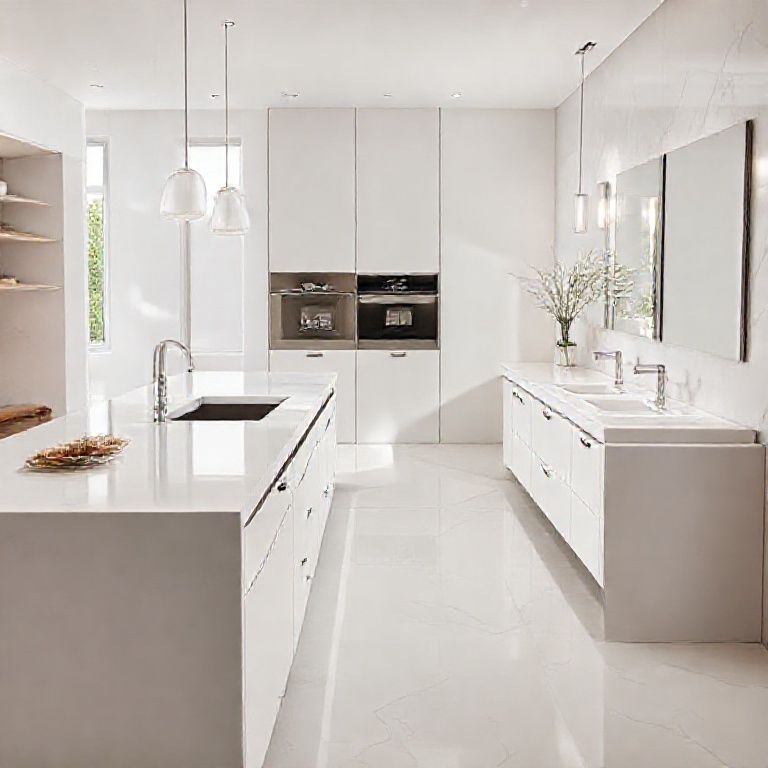
Understanding Stains and Their Causes on Artificial Stone Countertops
Artificial stone countertops have become increasingly popular due to their durability, aesthetic appeal, and relatively low maintenance compared to natural stone. However, despite their robustness, they are not immune to stains. Understanding the causes of these stains and the nature of the artificial stone material is crucial for effective cleaning.
What is Artificial Stone?
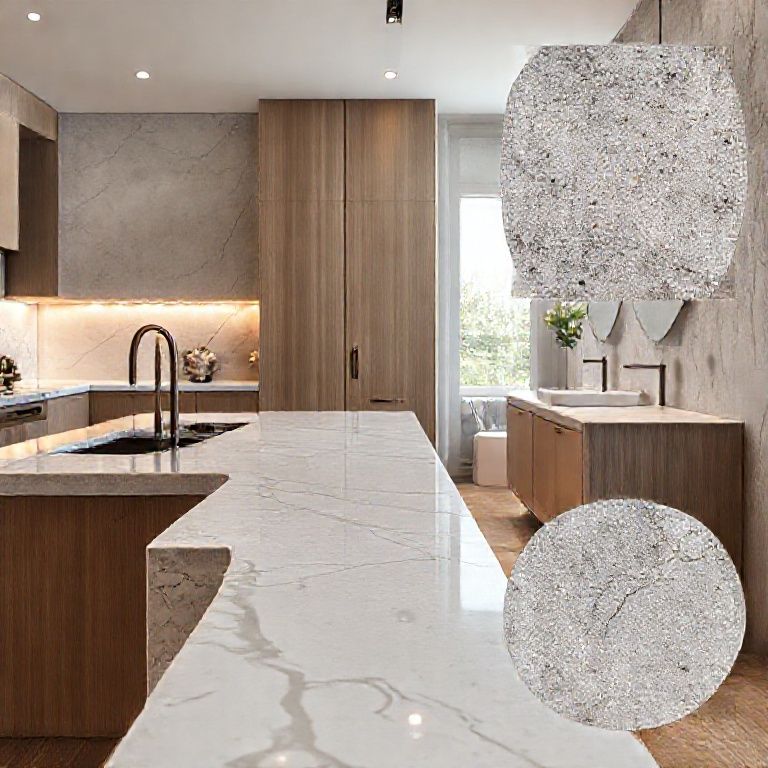
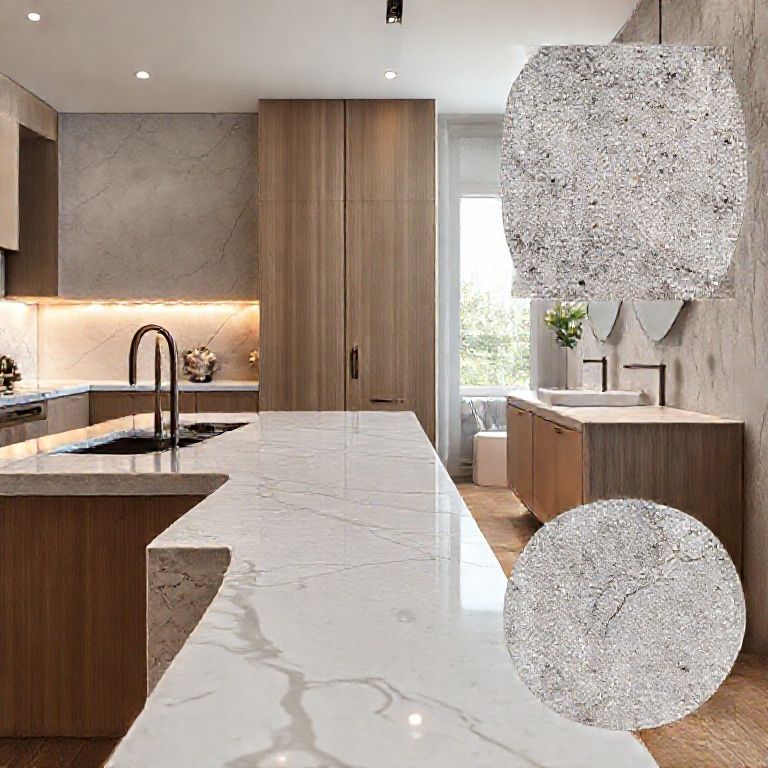
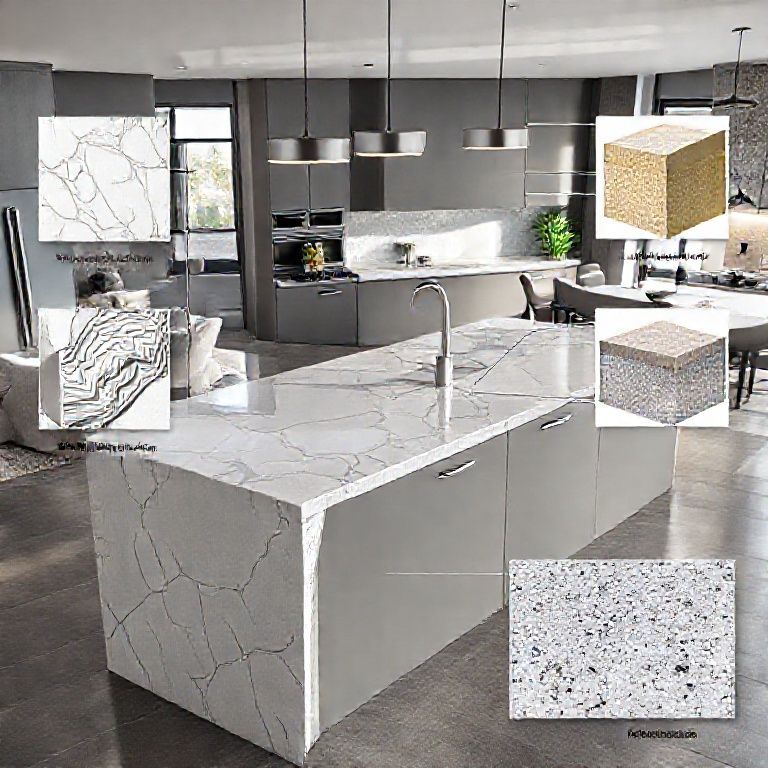
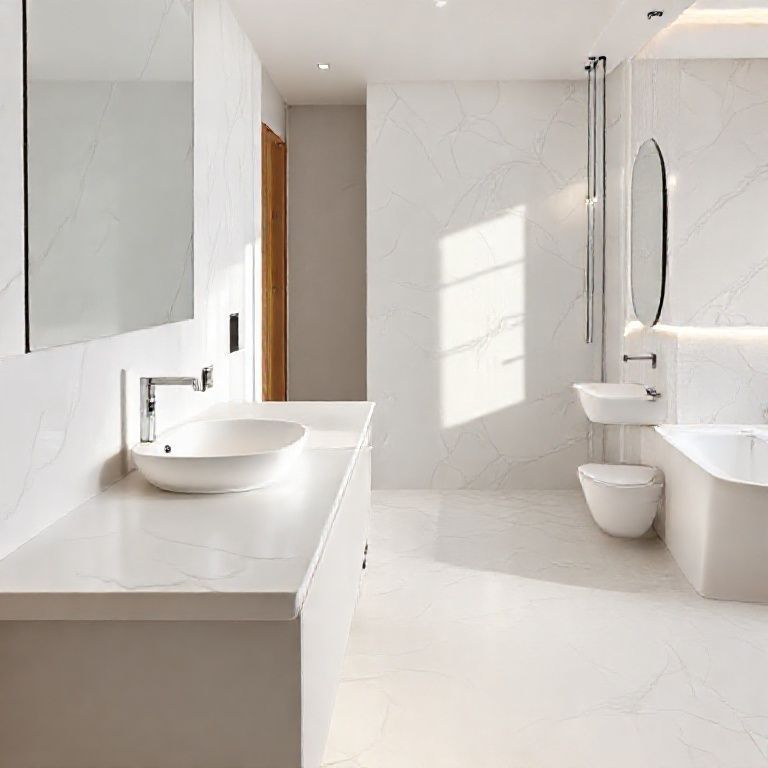
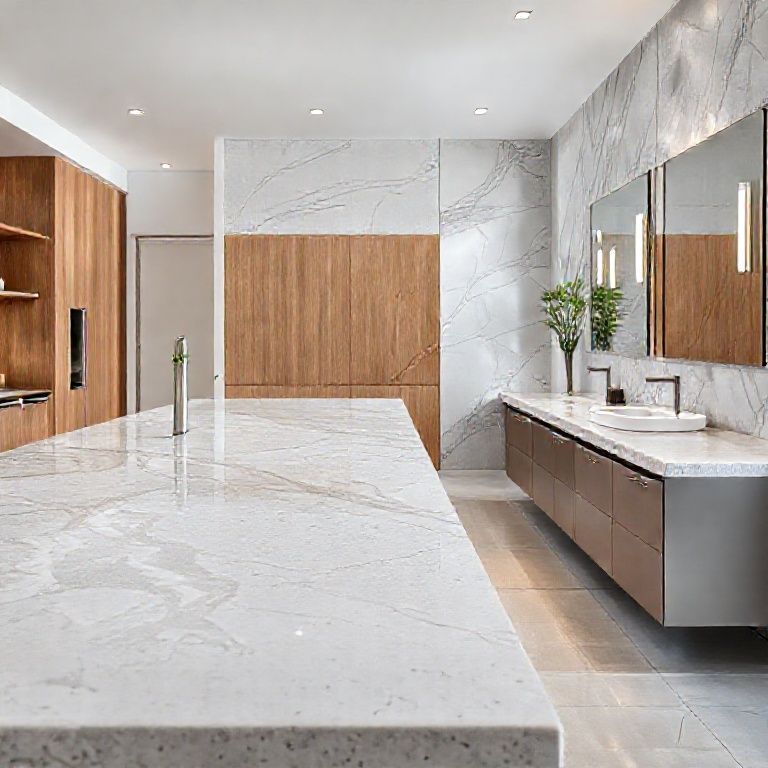
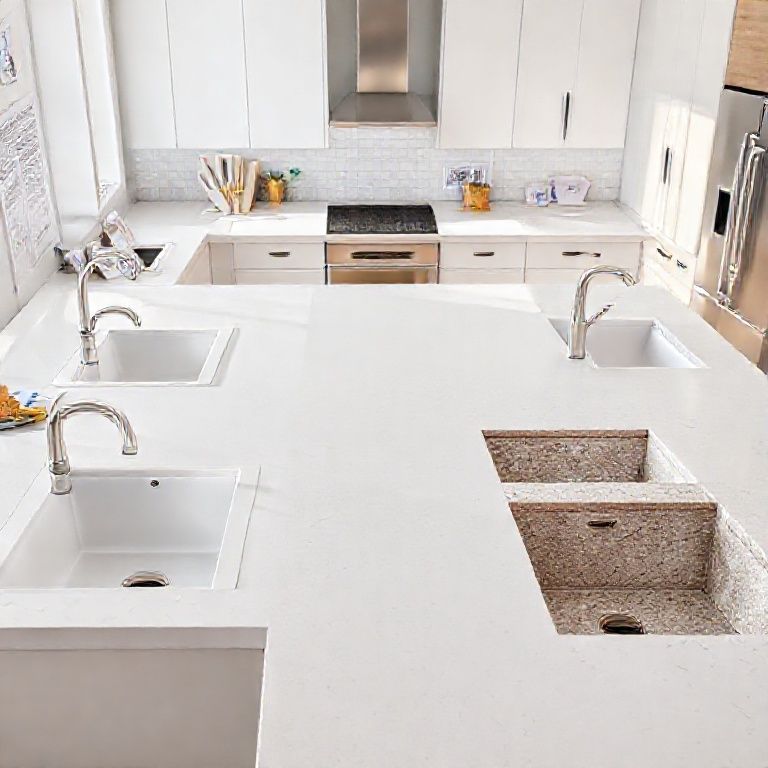
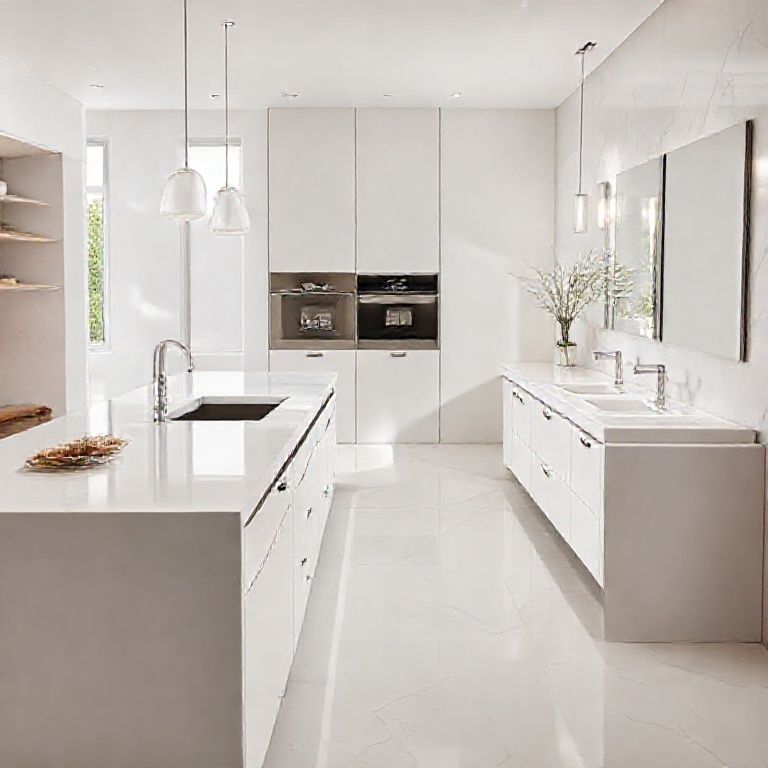
Artificial stone, often referred to as cultured stone, is a composite material made from a mixture of minerals, resins, and pigments. It is molded into various shapes and sizes to mimic natural stone, offering a cost-effective alternative. Although it has many advantages, it can still develop stains over time, especially if not maintained properly.
Common Causes of Stains on Artificial Stone Countertops
Food and Beverage Spills: Juices, coffee, wine, and other acidic or sugary liquids can leave permanent marks if they are not cleaned promptly. The resin in artificial stone can react with these substances, leading to discoloration.
Soap and Cleaning Products: While cleaning is essential, using harsh chemicals or inappropriate cleaning agents can strip away the protective layer of the stone, causing it to become more susceptible to stains.

Daily Wear and Tear: Everyday activities, such as cutting vegetables, cooking, and using the countertop for various tasks, can lead to minor scratches and stains.
Environmental Factors: Exposure to UV light and pollutants can cause fading or discoloration over time.
Effective Stain Removal Techniques
To maintain the pristine look of your artificial stone countertops, it’s vital to understand the most effective methods for stain removal. Here are some tried-and-true techniques:
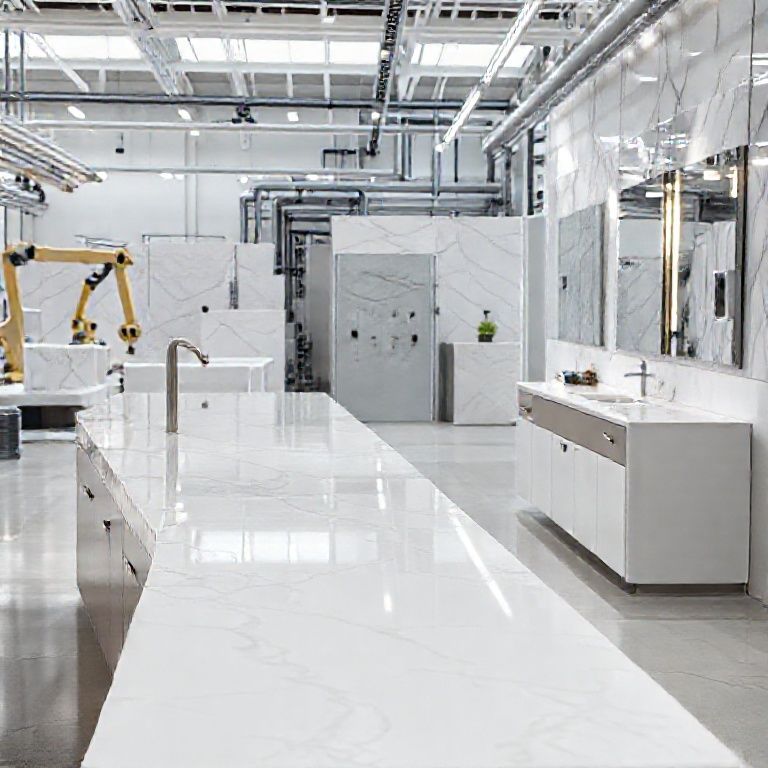
1. Basic Cleaning Routine
A gentle cleaning routine can prevent minor stains from becoming permanent. Here’s how you can do it:
Mild Soap and Water: Use a mild dish soap mixed with water to wipe down the surface. Avoid scrubbing too hard, as this can scratch the stone.
Soft Cloth or Sponge: Use a soft, non-abrasive cloth or sponge to clean the surface. Microfiber cloths work well for their gentle yet effective cleaning properties.
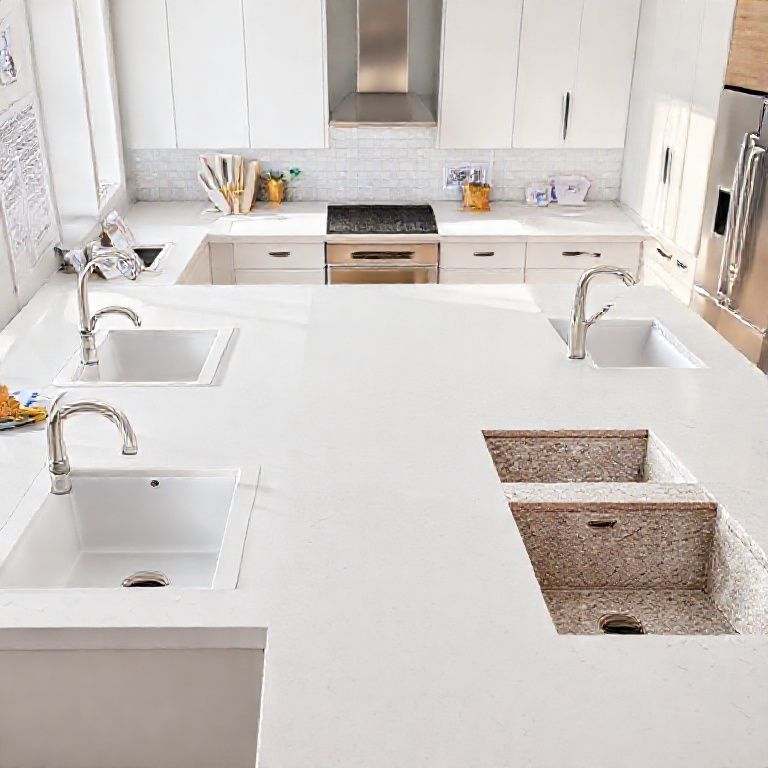
Rinse and Dry: After cleaning, rinse the surface with clean water and dry it immediately with a clean cloth to prevent water spots.
2. Tackling Fresh Stains
For fresh stains, immediate action is key. Here’s a step-by-step approach:
Blot, Don’t Scrub: Blot the stain gently with a clean, dry cloth to absorb as much of the stain as possible. Avoid scrubbing, as this can spread the stain and cause damage.
Vinegar Solution: Mix equal parts of white vinegar and water in a spray bottle. Lightly spray the stain and let it sit for a few minutes before wiping it off with a clean cloth.
Baking Soda Paste: For tougher stains, make a paste with baking soda and water. Apply the paste to the stain, let it sit for 15-20 minutes, then gently scrub with a soft brush or cloth before rinsing.
3. Professional Cleaning Products
If the stains persist, consider using specialized cleaning products designed for artificial stone:
Manufacturer’s Cleaners: Check with the manufacturer for recommended cleaning products. These are often formulated to clean without damaging the stone.
Commercial Stone Cleaners: Products designed for natural stone can sometimes work on artificial stone, but it’s important to test in an inconspicuous area first to ensure there’s no adverse reaction.
Advanced Stain Removal and Maintenance Tips for Artificial Stone Countertops
Now that we’ve covered the basics of cleaning and tackling fresh stains, let’s delve into more advanced methods and maintenance tips for ensuring your artificial stone countertops remain stain-free and beautiful for years to come.
Advanced Stain Removal Techniques
1. Acid Stain Removal
For particularly stubborn stains, such as those from acidic foods or drinks, an acid-based cleaner may be necessary. Here’s how to use it safely:
Commercial Acid Stain Removers: These are specially formulated to tackle tough stains without damaging the artificial stone. Always follow the manufacturer’s instructions and wear protective gloves.
Lemon Juice and Salt: Create a paste using lemon juice and salt. Apply it to the stain and let it sit for 10-15 minutes before scrubbing gently and rinsing.
Hydrogen Peroxide: For tough stains, a mixture of hydrogen peroxide and baking soda can be effective. Apply it to the stain, let it sit for a few minutes, then scrub gently and rinse.
2. Ultrasonic Cleaning
For deep cleaning and removing embedded stains, ultrasonic cleaners can be incredibly effective:
Professional Ultrasonic Cleaners: These devices use high-frequency sound waves to dislodge dirt and stains from the stone’s surface. While not something you can do at home, professional services offer this as part of their maintenance packages.
DIY Ultrasonic Cleaners: There are smaller, portable ultrasonic cleaners available for home use. These can be used to clean small areas or delicate objects.
Maintenance Tips for Long-Term Stain Prevention
1. Regular Cleaning
Regular maintenance is key to preventing stains from becoming a problem:
Daily Wipe Down: Wipe down your countertop after each use to remove food particles and spills before they have a chance to set in.
Weekly Deep Clean: Perform a more thorough clean once a week using a mild soap and water solution, followed by drying with a clean cloth.
2. Use Coasters and Trivets
To prevent liquid stains and protect the surface from heat:
Coasters: Place coasters under drinks to avoid staining.
Trivets: Use trivets for hot pots, pans, and dishes to protect the countertop from heat damage.
3. Avoid Abrasive Cleaners
Harsh chemicals and abrasive cleaners can damage the surface of your artificial stone:
Mild Cleaners: Stick to mild soaps and water or specialized stone cleaners. Avoid products with abrasive particles or strong chemicals.
4. Seal the Surface
While artificial stone doesn’t require sealing like natural stone, some manufacturers recommend or offer a sealing product to enhance the surface’s durability and stain resistance:
Sealants: Apply a high-quality sealant to protect the surface from stains and spills. Follow the manufacturer’s instructions for application and reapplication.
5. Immediate Stain Treatment
Acting quickly can prevent stains from setting in:
Blot Spills Immediately: As soon as you notice a spill, blot it up with a clean, dry cloth. The sooner you treat it, the easier it will be to remove.
Use Stain Removers: For spills that don’t come up easily, use stain removers like those discussed earlier. Apply them promptly to prevent the stain from becoming permanent.
Conclusion
Maintaining the beauty and longevity of your artificial stone countertops involves a combination of regular cleaning, immediate stain treatment, and the use of appropriate cleaning products. By understanding the nature of the stone and the types of stains that can affect it, you can take proactive steps to keep your countertops looking pristine.
From gentle daily cleaning to tackling tough stains with advanced techniques, this guide provides the knowledge you need to care for your artificial stone surfaces effectively. With the right approach, you can ensure your countertops remain a stunning feature in your home for years to come.