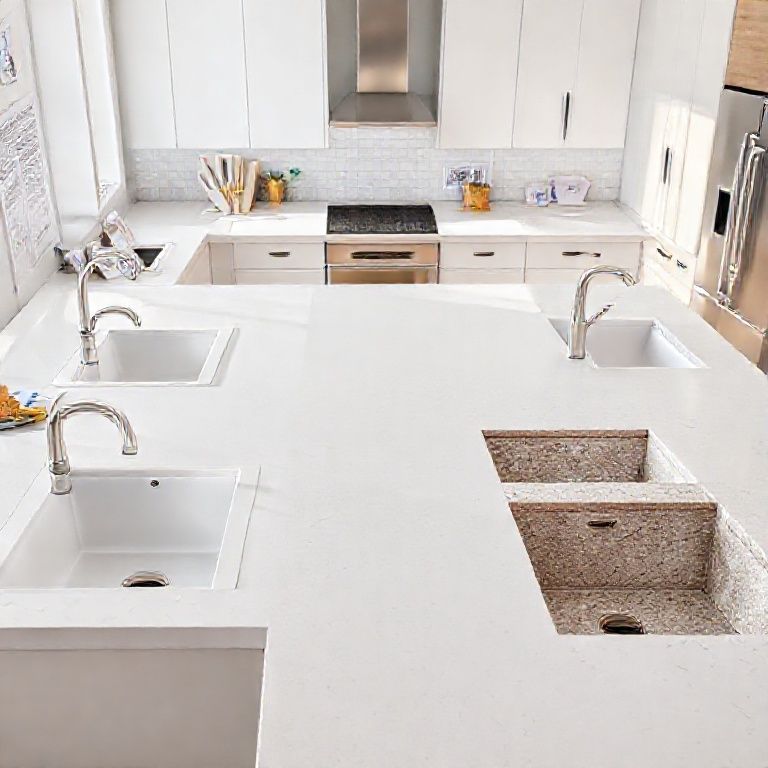
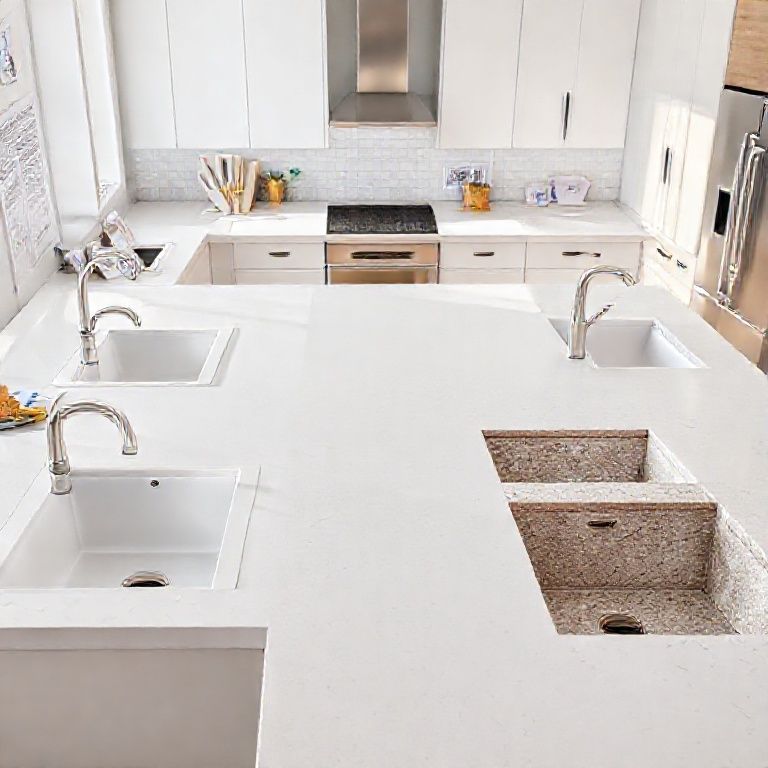
Discover a comprehensive, step-by-step guide to repair a cracked granite countertop. From understanding the causes to implementing effective fixes, this detailed article will ensure your granite remains pristine and beautiful. Learn the best practices, materials needed, and techniques to restore your countertop to its former glory.

granite countertop repair, cracked granite countertop, countertop repair, granite repair, how to fix granite, home renovation, kitchen countertop repair, granite crack repair, DIY countertop repair, granite maintenance
Part 1
How to Repair a Cracked Granite Countertop: Step-by-Step Guide
When it comes to kitchen design, few surfaces are as elegant and durable as granite countertops. Their striking appearance and durability make them a popular choice for homeowners. However, even the most resilient granite can develop cracks over time. Whether due to heavy objects, impact, or natural wear, a cracked granite countertop can be a daunting issue. Fortunately, with the right approach, you can restore your granite to its pristine condition. This guide will walk you through the process of repairing a cracked granite countertop, ensuring that your kitchen remains both functional and beautiful.
Understanding the Causes of Cracks
Before diving into the repair process, it’s essential to understand why granite countertops crack. Common causes include:

Heavy Impact: Dropping a heavy object on the countertop can easily cause a crack. Thermal Shock: Rapid temperature changes, such as pouring hot liquids on a cold surface, can cause the granite to expand and contract unevenly, leading to cracks. Structural Stress: Poor installation or uneven weight distribution can stress the granite, resulting in cracks over time. Abrasion: Using abrasive cleaning tools can damage the surface, leading to cracks.
Materials Needed for Repair
To repair a cracked granite countertop, you will need the following materials:
Epoxy Resin: A two-part epoxy specifically designed for granite repair. This is the primary material used to fill and bond the cracks. Mixing Tools: A drill with a mixing attachment or a separate epoxy mixing container and stick. Cleaning Supplies: A mild detergent, a soft cloth, and a clean towel. Safety Gear: Safety glasses, gloves, and a dust mask to protect yourself from dust and chemicals. Patience: Repairing a granite countertop can be a meticulous process.
Step-by-Step Repair Process
Step 1: Prepare the Area
Begin by thoroughly cleaning the cracked area. Use a mild detergent to remove any dirt, grease, or grime. Scrub the area with a soft cloth and then dry it completely with a clean towel. This ensures that the epoxy resin adheres properly to the granite surface.

Step 2: Mix the Epoxy Resin
Following the manufacturer’s instructions, mix the epoxy resin in a designated mixing container or use the mixing attachment on your drill. The epoxy should be mixed until it reaches a consistent, creamy texture. This usually takes a few minutes and requires patience to ensure a smooth finish.
Step 3: Apply the Epoxy Resin
Using a small spatula or a mixing stick, apply the epoxy resin to the crack. Press the epoxy into the crack gently, ensuring it fills all the crevices. You may need to apply a second layer for deeper cracks to ensure complete coverage.
Step 4: Smooth the Surface
Once the epoxy is applied, use a clean, damp cloth to smooth the surface. Wipe away any excess epoxy that may have seeped out of the crack. This step is crucial for a seamless repair that blends in with the rest of the countertop.

Step 5: Cure the Epoxy
Allow the epoxy to cure according to the manufacturer’s instructions. This typically involves leaving the epoxy to dry for a specific period, often several hours. During this time, avoid placing any heavy objects on the countertop to prevent disrupting the curing process.
Step 6: Final Touches
Once the epoxy has fully cured, inspect the repaired area. If necessary, use a granite polish or sealant to restore the shine and protect the surface. This step ensures that the repair not only looks good but also provides a protective layer to prevent future damage.
Part 2
How to Repair a Cracked Granite Countertop: Step-by-Step Guide (Continued)
In the previous section, we delved into the process of repairing a cracked granite countertop. Now, we’ll explore additional tips and considerations to ensure a successful repair and maintain the beauty of your granite countertop in the long run.
Additional Tips for Successful Repair
Choose the Right Epoxy: Not all epoxy resins are created equal. Opt for a high-quality product specifically designed for granite repair. This ensures better adhesion and durability. Test on a Small Area: Before applying the epoxy to the entire crack, test it on a small, inconspicuous area. This helps you determine the correct amount of epoxy and ensures the color matches the rest of the countertop. Avoid Over-mixing: Over-mixing the epoxy can cause air bubbles and a less consistent texture. Follow the recommended mixing time to achieve the best results. Use Proper Safety Gear: Always wear safety glasses, gloves, and a dust mask when handling epoxy resin. This protects you from dust and chemicals that can be harmful.
Long-Term Maintenance
To ensure that your repaired granite countertop remains in excellent condition, follow these long-term maintenance tips:
Use Gentle Cleaners: Avoid abrasive cleaners that can scratch the surface. Use mild, non-abrasive cleaners designed for granite to maintain its shine. Regular Polishing: Regularly polish your granite countertop to remove any buildup of grime or stains. This keeps the surface looking vibrant and prevents minor issues from escalating. Prompt Repairs: Address any minor cracks or chips immediately. Small issues can often become more significant over time if left untreated. Avoid Hot Surfacees: To prevent thermal shock, avoid placing hot pots, pans, or other hot items directly on the granite surface. Use trivets or hot pads to protect the countertop.
When to Call a Professional
While DIY repairs can be effective for minor cracks, some issues may require professional intervention. Consider calling a professional if:
Cracks are Deep or Extensive: If the crack is deep or covers a large area, professional repair may be necessary to ensure a seamless and durable fix. You’re Unconfident in Your Skills: If you’re unsure about the repair process or the quality of your repair, it’s best to consult a professional to avoid further damage. The Crack is Near a Critical Area: Cracks near edges or joints can be more challenging to repair. Professionals have the expertise to handle these delicate areas without compromising the integrity of the countertop.
Preventative Measures
Preventing cracks in the first place is always better than repairing them. Here are some preventative measures to keep your granite countertop in top condition:
Use Coasters and Trivets: Protect the surface from heat and impact by using coasters for hot drinks and trivets for pots and pans. Avoid Abrasive Cleaners: Use only non-abrasive cleaners to avoid scratching the granite surface. Install Protective Pads: Place protective pads under heavy objects like cutting boards or furniture to prevent scratches and dents. Regular Maintenance: Regularly clean and polish your granite countertop to maintain its shine and prevent minor issues from becoming major problems.
Conclusion
Repairing a cracked granite countertop can be a rewarding DIY project if done correctly. By understanding the causes, gathering the right materials, and following a detailed step-by-step process, you can restore your countertop to its former glory. Regular maintenance and preventative measures will help ensure that your granite remains beautiful and durable for years to come. With patience and care, your kitchen will continue to be a stunning centerpiece of your home.
Remember, if in doubt, it’s always best to consult with a professional to ensure the best outcome for your granite countertop. Happy repairing!