How to Repair a Cracked Kitchen Countertop: A Comprehensive Guide
Introduction
A kitchen is the heart of any home, and a well-maintained kitchen countertop is essential for both functionality and aesthetics. Unfortunately, cracks can develop over time due to various factors such as heavy objects, impact, or natural wear and tear. A cracked kitchen countertop may look unsightly and can even pose safety hazards. Fortunately, repairing a cracked countertop is a manageable DIY project if you follow the right steps. This guide will walk you through the essential tools, materials, and techniques needed to repair a cracked kitchen countertop effectively.

Understanding the Damage
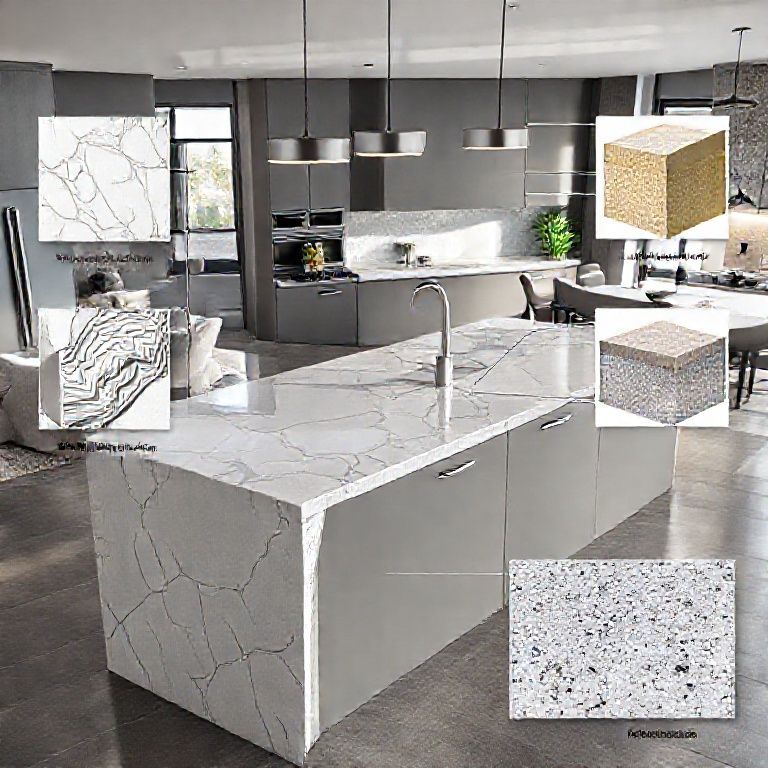
Before you begin the repair process, it’s crucial to understand the nature of the crack. Cracks in kitchen countertops can vary in size and depth, from small hairline cracks to larger, more extensive splits. Identifying the type of countertop material is also essential, as different materials require different repair methods. Common countertop materials include granite, quartz, marble, and composite materials like Formica or laminate.
Assessing the Crack
Size and Depth: Determine the length and depth of the crack. Small cracks (less than 1 inch) are generally easier to repair than larger ones.
Location: Check if the crack is superficial or if it extends deep into the countertop material.
Material: Identify the type of countertop material you have. This will guide the choice of repair materials and techniques.

Gathering Tools and Materials
To repair a cracked countertop, you will need the following tools and materials:
Epoxy Resin or Countertop Repair Kit: Depending on the material, choose the appropriate repair product. Epoxy resin is commonly used for various types of countertops.
Fine-grit Sandpaper: For smoothing out rough edges and preparing the crack area.
Cleaning Supplies: To clean the countertop surface before and after the repair.
Masking Tape: To protect surrounding areas from epoxy splatters.
Mixing Tools: A spatula or stir stick for mixing the epoxy resin.
Protective Gear: Gloves, safety goggles, and a dust mask to protect yourself during the repair process.
Repairing the Crack
Clean the Area: Thoroughly clean the cracked area with a suitable cleaner to remove any dirt, grease, or debris. This ensures the epoxy resin adheres properly.

Prepare the Crack: Use fine-grit sandpaper to smooth out the edges of the crack. This helps the epoxy resin bond better with the countertop material.
Apply Masking Tape: Place masking tape around the crack to prevent epoxy from spreading beyond the damaged area.
Mix the Epoxy Resin: Follow the manufacturer’s instructions to mix the epoxy resin. Typically, this involves combining the resin and hardener in a mixing container.

Apply the Epoxy: Using a spatula or mixing tool, apply the epoxy resin into the crack. Ensure the epoxy fills the crack completely and extends slightly beyond the edges for better adhesion.
Smooth the Surface: Once the epoxy is applied, use a spatula to smooth the surface and remove any excess epoxy that has spread beyond the crack.
Cure the Epoxy: Allow the epoxy to cure as per the manufacturer’s instructions. This usually involves letting it sit undisturbed for several hours or overnight.
Remove Masking Tape: Once the epoxy has cured, carefully remove the masking tape.
Sand the Surface: Lightly sand the repaired area with fine-grit sandpaper to achieve a smooth, even surface.
Clean Up: Clean the countertop again to remove any sanding dust and residue.
Final Touches
After the repair, your countertop should look as good as new. Here are some final tips to ensure longevity and appearance:
Regular Maintenance: Clean your countertop regularly to prevent dirt and stains from setting in. Use Protective Pads: Place protective pads under heavy objects to prevent future cracks. Avoid Extreme Temperatures: Avoid placing hot pots or pans directly on the countertop to prevent thermal shock.
Conclusion
Repairing a cracked kitchen countertop is a manageable DIY project that can save you money and restore the functionality and appearance of your kitchen. By following these detailed steps, you can effectively repair a crack and ensure your countertop remains in good condition for years to come. Whether you’re dealing with a small hairline crack or a larger split, the right tools and techniques will help you achieve a professional-looking repair.
How to Repair a Cracked Kitchen Countertop: A Comprehensive Guide (Continued)
Introduction
In the previous part, we covered the initial steps for assessing and repairing a cracked kitchen countertop. Now, we will delve deeper into specific techniques for different countertop materials, troubleshooting common issues, and providing tips for preventing future cracks. This comprehensive guide will ensure you have all the knowledge needed to confidently repair and maintain your kitchen countertop.
Repairing Different Countertop Materials
While the basic steps for repairing a cracked countertop are similar, the specific materials require slightly different approaches. Here’s how to repair various types of kitchen countertops:
Granite
Granite is a durable and popular countertop material, but it can develop hairline cracks or larger splits. To repair granite:
Clean the Crack: Thoroughly clean the area around the crack to remove any dirt or debris. Epoxy Application: Use a high-strength epoxy resin designed for granite. Mix it according to the manufacturer’s instructions. Fill the Crack: Apply the epoxy into the crack, ensuring it fills the gap completely. Smooth the surface to remove any excess. Cure and Sand: Allow the epoxy to cure, then lightly sand the area to blend it with the surrounding surface. Quartz
Quartz is known for its durability and low maintenance, but it can still develop cracks. To repair quartz:
Clean the Area: Clean the cracked area to remove any dust or debris. Epoxy Mix: Mix the epoxy resin according to the manufacturer’s instructions. Apply and Smooth: Apply the epoxy into the crack and smooth the surface to remove any excess. Cure and Clean: Let the epoxy cure, then clean the area to remove any sanding dust. Marble
Marble is a beautiful but more fragile material. To repair marble:
Clean the Crack: Clean the crack thoroughly to remove any dirt or debris. Use a Marble Repair Kit: Specially formulated kits are available for repairing marble. Follow the kit’s instructions. Fill the Crack: Apply the marble repair compound into the crack, filling it completely. Polish the Surface: Once the compound has cured, polish the area to blend it with the surrounding surface. Composite Materials (Formica, Laminate)
Composite materials like Formica or laminate are more flexible and can be repaired with a countertop repair kit:
Clean and Prepare: Clean the cracked area and prepare the surface by sanding if necessary. Apply Repair Kit: Use a countertop repair kit designed for composite materials. Follow the kit’s instructions. Smooth and Cure: Smooth the repair material and let it cure. Clean the area to remove any dust.
Troubleshooting Common Repair Issues
While repairing a cracked countertop is generally straightforward, you may encounter some common issues. Here’s how to troubleshoot them:
Epoxy Didn’t Fill the Crack Completely
If the epoxy didn’t fill the crack completely, it may not adhere properly, leading to a weak repair. To fix this:
Clean the Area: Remove any excess epoxy and clean the crack. Reapply Epoxy: Apply a fresh layer of epoxy, ensuring it fills the crack completely. Smooth and Cure: Smooth the epoxy and allow it to cure properly. Epoxy Didn’t Bond Well
If the epoxy didn’t bond well with the countertop material, it may peel off or look uneven. To address this:
Clean and Sand: Clean the area and lightly sand it to create a better surface for bonding. Reapply Epoxy: Apply a new layer of epoxy, ensuring it adheres properly. Epoxy Color Doesn’t Match
If the epoxy color doesn’t match the countertop, it may be noticeable. To correct this:
Choose the Right Epoxy: Select an epoxy that closely matches the countertop color. Mix Thoroughly: Ensure the epoxy is mixed thoroughly for a consistent color.
Preventing Future Cracks
Preventing future cracks in your kitchen countertop is essential for maintaining a long-lasting and beautiful surface. Here are some tips to prevent cracks:
Use Coasters and Pads
Place coasters and protective pads under heavy objects to prevent direct contact with the countertop, which can cause cracks.
Avoid Extreme Temperatures
Avoid placing hot pots or pans directly on the countertop, as extreme temperatures can cause thermal shock继续说,避免使用过热的液体直接倒在柜台上,以防止热量扩散导致的热应力。
定期维护
定期检查柜台,尤其是接缝和连接处,确保没有裂缝或松动。如果发现有问题,及时修复。
使用合适的工具
在处理柜台表面时,避免使用过于硬或锋利的工具,以免划伤表面。使用软布和非粗糙的清洁剂可以保护柜台表面。
适当的摆放物品
避免在柜台上长期放置重物或大件物品,这样可以减少对柜台结构的压力和冲击。
适当的清洁方法
使用温水和中性清洁剂清洁柜台,避免使用强酸、强碱或有腐蚀性的清洁剂,以防止损害柜台材质。
注意保护
在家庭或办公环境中,尤其是有小孩或宠物的地方,注意避免他们对柜台的碰撞或踩踏,以保护柜台的完整性。
通过以上这些方法,可以有效延长柜台的使用寿命,避免因裂缝或其他损坏导致的不便。如果裂缝或损坏严重,建议咨询专业人士进行修复,以确保柜台的安全和美观。