How to Repair a Damaged Artificial Stone Countertop: Comprehensive Guide
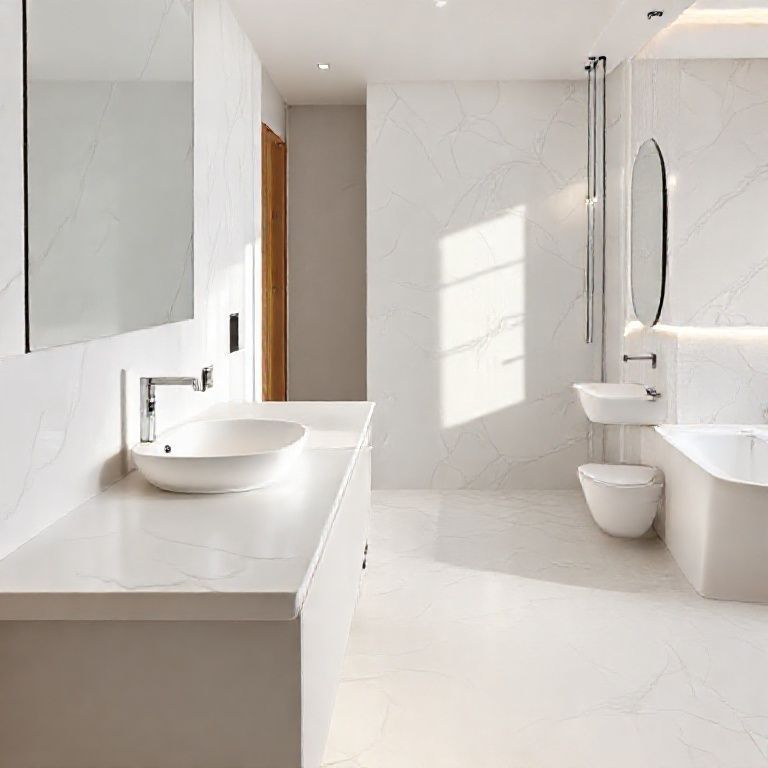
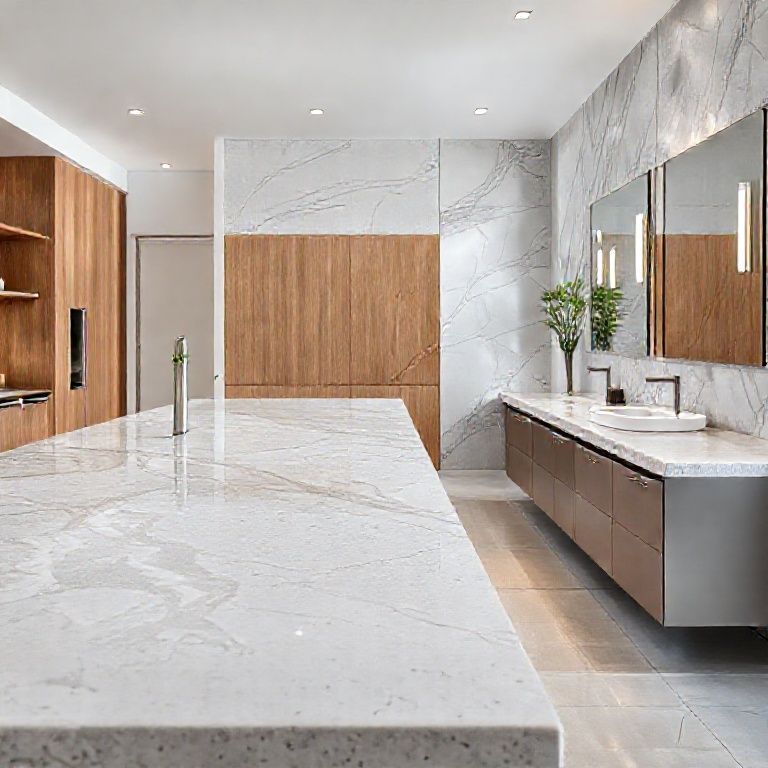
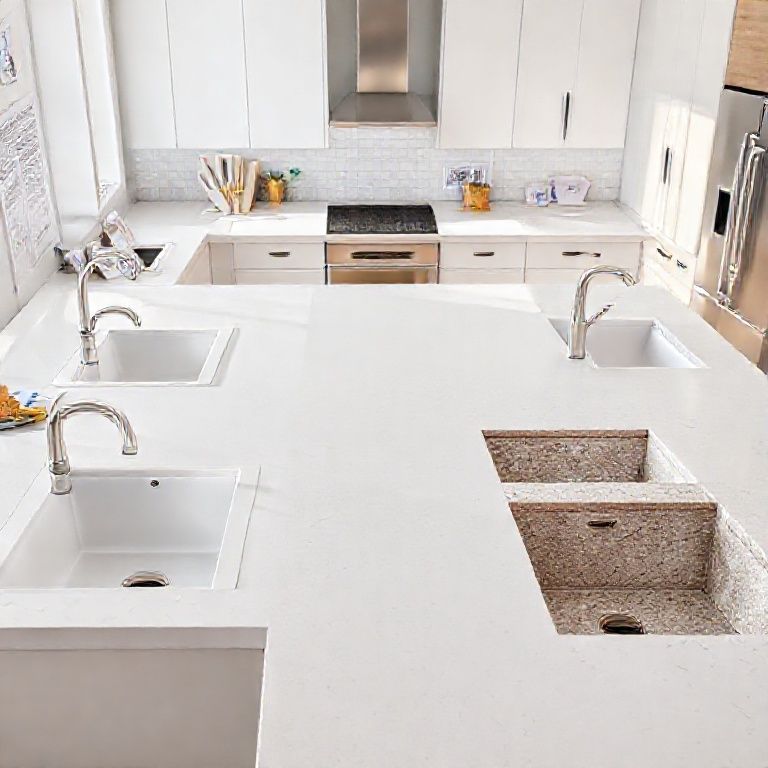
Artificial stone countertops have become a popular choice in kitchens and bathrooms due to their durability, low maintenance, and aesthetic appeal. However, even the most resilient materials can suffer damage over time. Whether it’s scratches, chips, or stains, a damaged artificial stone countertop can detract from the overall look of your space. This comprehensive guide will walk you through the steps to repair a damaged artificial stone countertop, ensuring it looks as good as new.

Understanding the Damage
The first step in repairing a damaged artificial stone countertop is understanding the nature of the damage. Artificial stone is a composite material made from natural stone powder, resin, and colorants. It’s designed to mimic the look and feel of natural stone but with fewer maintenance requirements. Despite its durability, it can still suffer from various types of damage:
Scratches: These are often caused by sharp objects like knives, scissors, or even heavy items left on the surface. Chips and Cracks: These can occur from impact or pressure, such as dropping a heavy object on the countertop. Stains: Spills from acidic or alkaline substances can leave discoloration that is hard to remove.
Tools and Materials You’ll Need
To repair your artificial stone countertop, you will need the following tools and materials:
Fine-grit sandpaper (220-400 grit) Polishing compound Microfiber cloths Protective eyewear Gloves Cleaning solution suitable for artificial stone Repair kit for artificial stone (if needed)

Repairing Scratches
Scratches on an artificial stone countertop can often be smoothed out with fine-grit sandpaper. Here’s how to do it:
Preparation: Clean the area around the scratch with a suitable cleaning solution to remove any debris and grime. Wear protective eyewear and gloves during this process.
Sanding: Using fine-grit sandpaper (220-400 grit), gently sand the scratched area in a circular motion. Be patient and avoid applying too much pressure, as this can cause further damage.

Polishing: Once the scratch is smoothed out, use a polishing compound and a microfiber cloth to buff the area. This will help to bring back the shine and blend the repaired area with the surrounding countertop.
Final Clean: Clean the countertop with a damp cloth to remove any polishing compound residue.
Repairing Chips and Cracks
Chips and cracks in artificial stone are more challenging to repair but can often be fixed with a specialized repair kit. Here’s how to proceed:
Cleaning: As with scratches, start by thoroughly cleaning the damaged area to remove any dirt or debris.
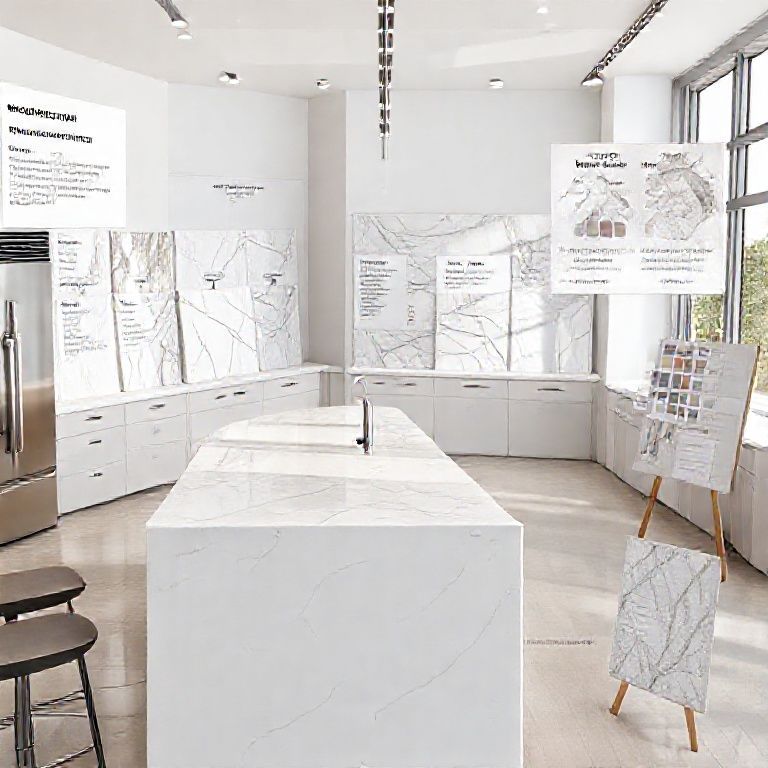
Repair Kit Application: Follow the manufacturer’s instructions for the repair kit you are using. Typically, this involves mixing a resin and hardener, then applying the mixture to the crack or chip using a small applicator tool.
Curing: Allow the repair mixture to cure according to the kit’s instructions. This usually involves leaving it undisturbed for a specified period.
Sanding: Once cured, gently sand the repaired area with fine-grit sandpaper to ensure it blends seamlessly with the surrounding surface.
Polishing: Buff the area with a polishing compound and a microfiber cloth to restore the shine and finish.
Removing Stains
Stains on artificial stone can be stubborn, especially those caused by acidic or alkaline substances. Here’s how to tackle them:
Identify the Stain: Determine the type of stain to choose the appropriate cleaning solution. For acidic spills, use a non-abrasive cleaner specifically designed for artificial stone.
Cleaning: Apply the cleaning solution to a microfiber cloth and gently wipe the stained area. Avoid using abrasive cleaners or brushes, as these can scratch the surface.
Baking Soda Paste (Optional): For tough stains, make a paste of baking soda and water. Apply the paste to the stain and let it sit for a few minutes before gently scrubbing with a soft cloth.
Rinsing and Drying: Rinse the area with clean water and dry it thoroughly with a microfiber cloth.
Preventing Future Damage
To keep your artificial stone countertop in pristine condition, follow these preventive measures:
Use Cutting Boards: Always use a cutting board when preparing food on the countertop to prevent scratches.
Avoid Abrasive Cleaners: Use non-abrasive cleaners and soft cloths to avoid damaging the surface.
Cover the Countertop: Place protective mats or covers under heavy items or when using the countertop for activities that could cause damage.
Regular Maintenance: Clean the countertop regularly to prevent spills and stains from setting in.
How to Repair a Damaged Artificial Stone Countertop: Comprehensive Guide
Artificial stone countertops are renowned for their durability, aesthetic appeal, and low maintenance requirements. However, despite their resilience, they can suffer damage over time, such as scratches, chips, cracks, or stains. This comprehensive guide will delve deeper into the repair techniques and preventive measures to ensure your artificial stone countertop remains in excellent condition.
Advanced Repair Techniques
For more extensive damage, such as large chips or deep cracks, professional-grade repair techniques might be necessary. Here are some advanced methods to consider:
Chemical Repair
Chemical repair involves using specialized resins and hardeners to fill in cracks and chips. Here’s a detailed process:
Preparation: Clean the area thoroughly to remove any dirt, debris, or previous repair materials. Wear protective eyewear and gloves.
Mixing: Mix the resin and hardener according to the manufacturer’s instructions. This usually involves combining equal parts of resin and hardener in a small mixing container.
Application: Apply the mixture to the crack or chip using a small applicator tool. Ensure that the mixture fills the crack completely and extends beyond the edges of the damage.
Curing: Allow the mixture to cure as directed by the product instructions. This typically involves leaving the countertop undisturbed for several hours.
Sanding and Polishing: Once cured, gently sand the repaired area with fine-grit sandpaper to blend it with the surrounding surface. Then, use a polishing compound and a microfiber cloth to buff the area to a shine.
Thermal Repair
Thermal repair uses heat to melt the artificial stone material, filling in cracks and chips. Here’s how to perform it:
Preparation: Clean the area and protect surrounding surfaces with heat-resistant materials.
Heating: Use a specialized thermal repair tool to heat the damaged area until the material melts and fills the crack or chip.
Cooling: Allow the area to cool naturally. This process can take several hours, depending on the size of the repair.
Finishing: Once cooled, gently sand the area to blend it with the countertop and polish it to restore the shine.
DIY vs. Professional Repair
Deciding whether to tackle the repair yourself or hire a professional is crucial. DIY repairs are often sufficient for minor damage, but extensive repairs might require professional expertise. Here’s how to decide:
When to DIY
Minor Scratches: Small scratches can usually be repaired with sandpaper and polishing compounds. Small Chips and Cracks: Small cracks and chips can often be fixed using repair kits. Surface Stains: Non-chemical stains can usually be removed with cleaning solutions.
When to Hire a Professional
Large Chips and Cracks: Extensive damage might require professional tools and techniques. Complex Repairs: If the damage is intricate or involves multiple areas, professional expertise might be necessary. Safety Concerns: If you’re unsure about handling chemicals or tools, it’s best to leave the repair to the professionals.
Long-Term Maintenance
To ensure your artificial stone countertop remains in excellent condition, follow these long-term maintenance tips:
Regular Cleaning
Regular cleaning prevents spills and stains from setting in. Use a mild, non-abrasive cleaner and a soft cloth to clean the surface. Avoid using acidic or alkaline cleaners that can damage the stone.
Protective Measures
Cutting Boards: Always use a cutting board to prevent scratches from knives and other utensils. Pot Holders: Use pot holders or oven mitts to protect the countertop from hot pots and pans. Weight Distribution: Distribute the weight of heavy items evenly to prevent pressure-related damage.
Avoiding Chemicals
Avoid using harsh chemicals, bleach, or acidic substances on the countertop. These can cause discoloration and damage the surface.
UV Protection
Artificial stone can sometimes be affected by prolonged exposure to UV light, leading to fading. If possible, place the countertop in a shaded area or use protective coverings when not in use.
Conclusion
Repairing a damaged artificial stone countertop doesn’t have to be a daunting task. With the right tools, techniques, and preventive measures, you can restore your countertop to its original beauty and maintain its继续,修复和保养人造石台面不仅能延长其使用寿命,还能保持其美观和功能性。
使用正确的清洁方法
温和清洁剂:使用专为人造石设计的温和清洁剂,避免使用强碱或酸性物质。这些物质可能会导致表面损坏或变色。 清洁工具:使用软布或海绵,避免使用金属或尖锐工具,这些可能会划伤台面。
定期维护
定期清洁:每周进行一次清洁,可以使用温水和中性洗涤剂。避免积水,因为长期积水可能会导致材料分解。 擦干:使用干净的软布将台面擦干,防止水分渗入材料中。
处理特殊污渍
咖啡和茶渍:立即用清水冲洗,然后使用温和的清洁剂进行清洁。如果污渍顽固,可以尝试用少量的醋或柠檬汁进行处理。 油渍和食物污渍:使用专门的油渍清洁剂,确保在清洁前将污渍稍微擦拭一下以减少油脂含量。
避免常见损坏
避免锋利物品:不要在台面上使用锋利的刀具或其他硬物,以免划伤或刮伤表面。 避免高温物品:尽量避免直接将热锅或高温物品放在台面上,可以使用隔热垫来保护台面。
专业维修
小损伤:对于较小的损伤,可以使用专业的修复套件进行修复。这些套件通常包括填充剂和上色剂,可以让损坏部分重新与整体台面颜色一致。 专业服务:对于大面积的损坏或者不确定如何修复的情况,最好寻求专业人士的帮助。
美化和保护
抛光剂:定期使用专业的抛光剂可以保持台面的光泽和表面光滑。不要频繁使用,以免过度抛光导致材料磨损。 防护喷雾:有些人造石台面厂家提供专门的防护喷雾,可以在台面表面涂抹一层保护膜,增强耐用性和抗污能力。
预防措施
保护垫:在台面下方放置垫片或防滑垫,可以减少重物对台面的冲击。 桌布和盖子:在使用台面上进行烹饪或其他活动时,可以使用桌布或其他保护盖,以防止溅洒和损坏。
通过以上的方法和注意事项,您可以有效地保护和修复人造石台面,使其保持长久的美观和功能性。