How to Repair Artificial Stone Countertops: Part 1
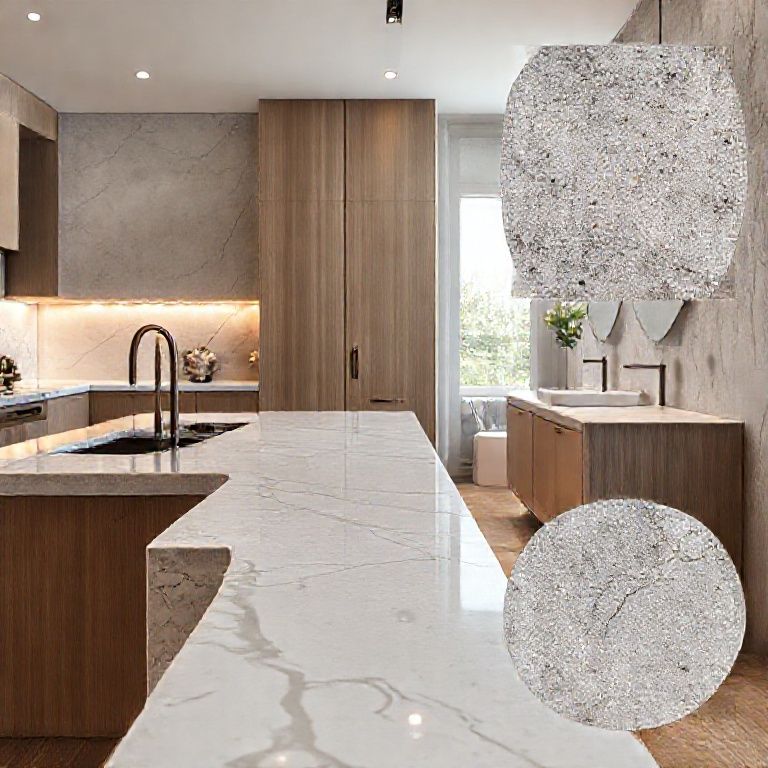
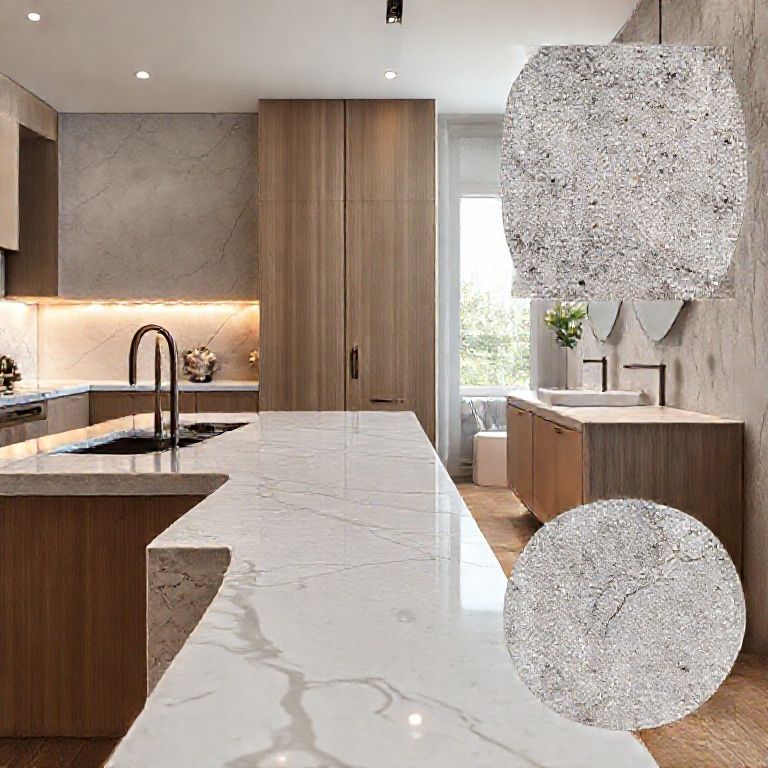
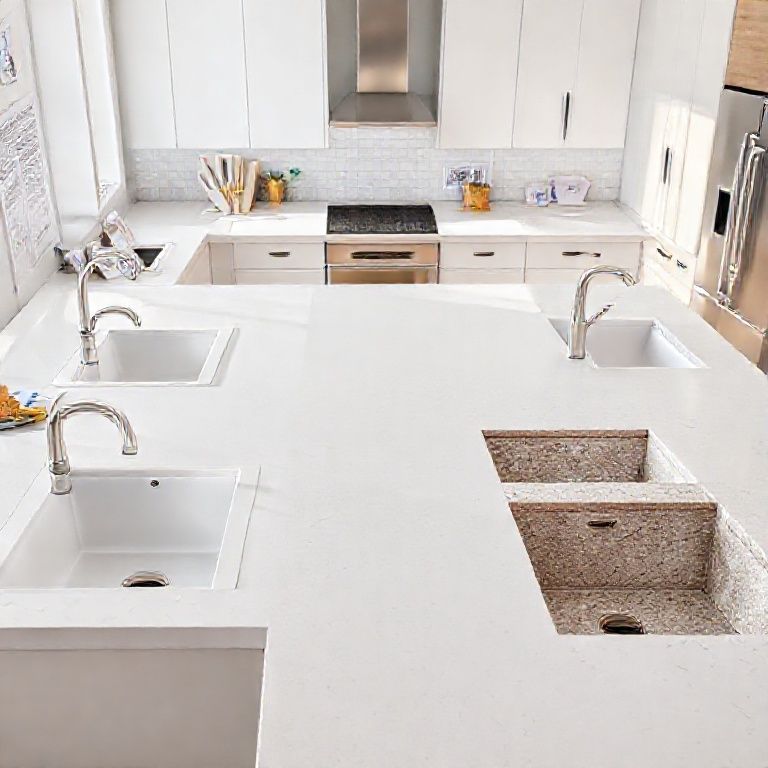
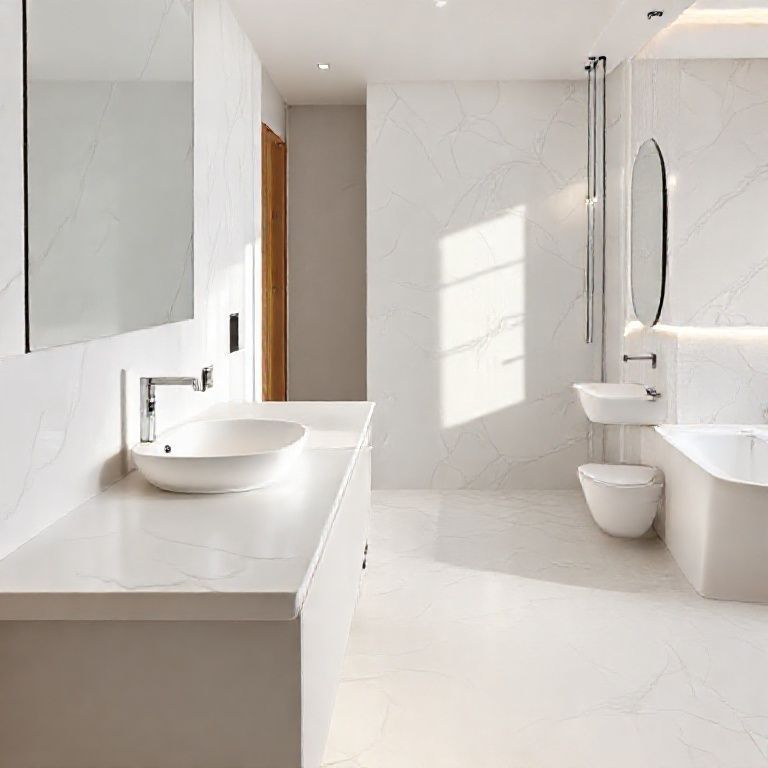
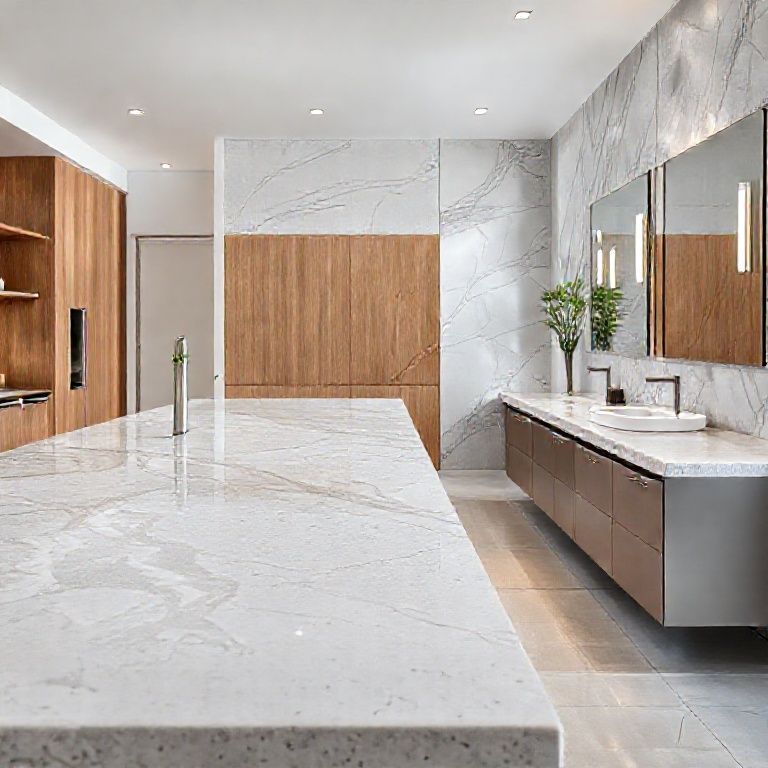
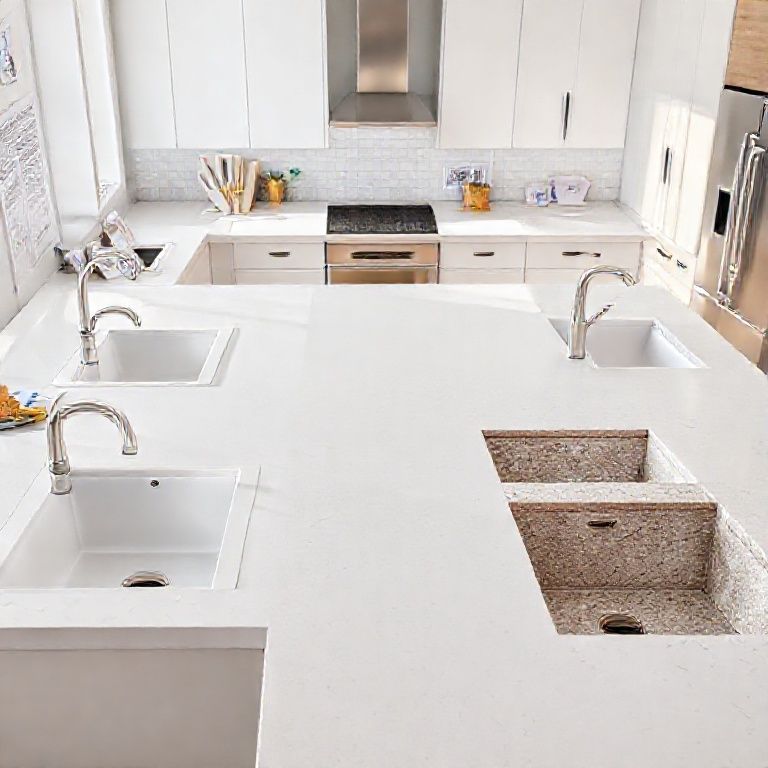
Artificial stone countertops are a popular choice in modern kitchens and bathrooms due to their durability, aesthetic appeal, and ease of maintenance. However, even the most robust surfaces can develop cracks, chips, or stains over time. Understanding how to repair these issues is crucial for preserving the longevity and beauty of your artificial stone countertops. In this first part of our comprehensive guide, we will explore the common damages you may encounter and provide essential techniques for repairing artificial stone countertops.
Identifying Common Damages
Before diving into the repair process, it’s essential to accurately identify the type of damage affecting your artificial stone countertop. Common issues include:
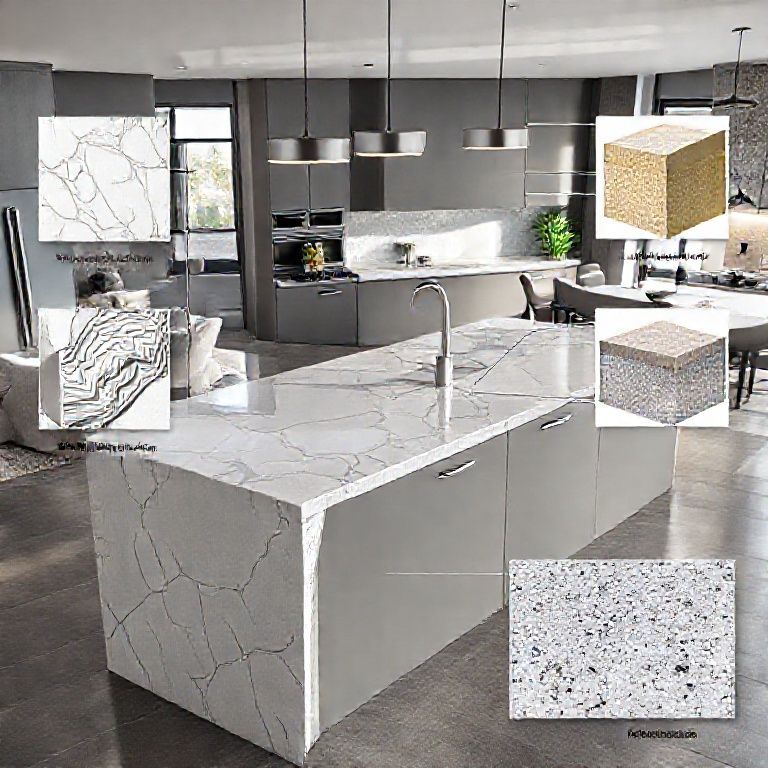
Cracks and Chips: Causes: Cracks and chips often result from physical impact, such as dropping heavy objects or using sharp tools on the surface. Identification: Look for visible breaks in the stone. Cracks can be straight or zigzag, while chips are small, broken-off pieces. Stains and Discolorations: Causes: Stains can occur from spills of food, drinks, or cleaning agents. Discolorations might be caused by prolonged exposure to certain chemicals or natural aging. Identification: Discolorations often appear as dark spots or uneven color changes across the surface. Surface Scratches: Causes: Scratches typically result from abrasive cleaning tools or improper use of cleaning products. Identification: Scratches appear as fine lines or grooves on the surface. Pitting and Erosion: Causes: Pitting can be caused by acidic spills or harsh cleaning agents. Erosion might happen due to prolonged exposure to moisture or chemical exposure. Identification: Pitting appears as small, depressed areas, while erosion shows a worn-out surface texture.
Initial Preparation for Repair
Once you have identified the damage, the next step is to prepare your countertop for repair. Here’s what you need to do:

Clean the Area: Thoroughly clean the damaged area using a gentle, non-abrasive cleaner. Artificial stone surfaces are sensitive to harsh chemicals, so choose a cleaner specifically designed for stone or use a mild soapy water solution. Dry the Surface: Ensure the area is completely dry before beginning any repair work. Moisture can interfere with the repair process and may lead to further damage. Assess the Damage: Carefully examine the extent of the damage. This will help you determine the appropriate repair method.
Repair Techniques for Common Damages
Here are some effective repair techniques for the most common damages found on artificial stone countertops:
Repairing Cracks and Chips:
Materials Needed:
Epoxy resin designed for stone repair Fine-grit sandpaper Clean cloths
Steps:
Clean and dry the cracked area. Mix the epoxy resin according to the manufacturer’s instructions. Apply the epoxy to the crack using a small brush or applicator. Use fine-grit sandpaper to smooth the epoxy once it has cured. Polish the area with a stone polish to blend the repair seamlessly. Removing Stains and Discolorations:
Materials Needed:
Baking soda Water Soft cloth or sponge Stone-specific cleaner
Steps:
Mix baking soda with water to create a paste. Apply the paste to the stained area and let it sit for several minutes. Gently scrub the area with a soft cloth or sponge. Wipe the area with a clean, damp cloth to remove residue. Follow up with a stone-specific cleaner to restore shine. Fixing Surface Scratches:
Materials Needed:
Diamond polishing pads Diamond polishing compound Soft cloth
Steps:
Apply the diamond polishing compound to a soft cloth. Gently polish the scratched area in a circular motion. Buff the surface with a clean cloth to remove any remaining compound and to shine the area. Addressing Pitting and Erosion:
Materials Needed:
Stone restoration kit Fine-grit sandpaper Polishing compound
Steps:
Clean the pitted area thoroughly. Use fine-grit sandpaper to gently smooth out the pitted surfaces. Apply the stone restoration kit according to the instructions. Buff the area with a polishing compound to restore the surface texture.
Maintenance Tips to Prevent Future Damage
To ensure your artificial stone countertops remain in excellent condition, follow these maintenance tips:
Use Gentle Cleaning Tools: Avoid using sharp or abrasive tools on the surface. Opt for soft cloths and mild cleaning agents. Avoid Acidic Spills: Immediately clean spills from acidic substances, like citrus juices or vinegar, to prevent discoloration and damage. Regular Cleaning: Clean your countertops regularly to remove food particles and grime that could lead to more serious damage. Protect from Heat: Use trivets or pot holders to protect the surface from hot pots and pans, which can cause thermal shock.
By understanding the common damages and employing effective repair techniques, you can maintain the beauty and functionality of your artificial stone countertops for years to come. In part two, we will delve deeper into advanced repair methods and explore additional maintenance strategies to keep your countertops in pristine condition.
How to Repair Artificial Stone Countertops: Part 2
In the previous part of our guide, we explored common damages and basic repair techniques for artificial stone countertops. Now, let’s delve into more advanced methods to ensure your countertops look as good as new. This section will cover sophisticated repair techniques, specialized tools, and expert tips to extend the longevity and beauty of your artificial stone surfaces.
Advanced Repair Techniques
For more intricate damages or larger areas that need repair, advanced techniques and specialized tools come into play. Here’s what you need to know:
Using a Stone Restoration Kit:
Materials Needed:
Stone restoration kit (including abrasive pads and polish) Microfiber cloths Water
Steps:
Thoroughly clean the affected area to remove any debris. Dampen a microfiber cloth with water and lightly dampen the abrasive pad from the restoration kit. Gently rub the pad onto the damaged area in a circular motion. Buff the area with a dry microfiber cloth to achieve a smooth finish. Apply the polish included in the restoration kit to enhance the shine. Laser Repair for Deep Cracks:
Materials Needed:
Professional laser repair equipment (often best performed by a professional) Protective eyewear
Steps:
Ensure all personnel are wearing protective eyewear. The laser technician will use precise laser technology to vaporize the damaged area. The laser creates a clean, precise repair that blends seamlessly with the surrounding surface. Follow up with a polishing step to restore the shine. Epoxy for Large Cracks:
Materials Needed:
High-quality epoxy resin Mixing container Application brush Fine-grit sandpaper Polishing cloth
Steps:
Clean and dry the cracked area thoroughly. Mix the epoxy resin as per the manufacturer’s instructions. Apply the epoxy to the crack using an applicator brush. Once cured, use fine-grit sandpaper to smooth the epoxy. Polish the area with a stone polish to blend the repair seamlessly.
Specialized Tools and Materials
When it comes to repairing artificial stone countertops, the right tools and materials can make a significant difference in the outcome. Here are some specialized tools and materials to consider:
Diamond Polishing Pads: These are essential for refining scratches and pitted surfaces. They come in various grits, allowing for precise and even polishing.
Ep继续之前的内容:
Diamond Polishing Pads:
这些是用于修复划痕和凹点表面的重要工具。它们有各种颗粒大小,允许精确而均匀的抛光。 Stone Restoration Kits: 这些专门的修复套件包含各种研磨和抛光工具,以及适合不同类型的人造石的抛光膏,可以用于修复各种程度的损坏。 Microfiber Cloths: 使用这些无绒布可以有效地避免二次划痕,并且在抛光过程中能更好地控制清洁效果。
预防措施
使用保护垫: 在热物品放置在台面上时,使用砖垫或垫子来保护石材表面免受热冲击。 软垫或托盘: 使用热保护垫或托盘来放置热锅具,以防止热量直接接触台面。 减少化学暴露: 尽量避免使用强酸或强碱清洁剂,以免导致石材表面的永久性损害。 定期清洁: 定期用温水和中性清洁剂清洁台面,以去除食物残渣和油污,防止它们长期积累导致损坏。
涂抹保护层: 可以考虑使用专门的人造石保护剂,以增强表面的耐磨性和耐污性。
通过以上这些方法,您可以有效地维护和修复人造石台面,使其保持如新的光泽和美观。这不仅能延长台面的使用寿命,还能保持其原有的美丽和功能性。无论是日常保养还是专业修复,都可以让您的人造石台面焕然一新,焕发新的活力。