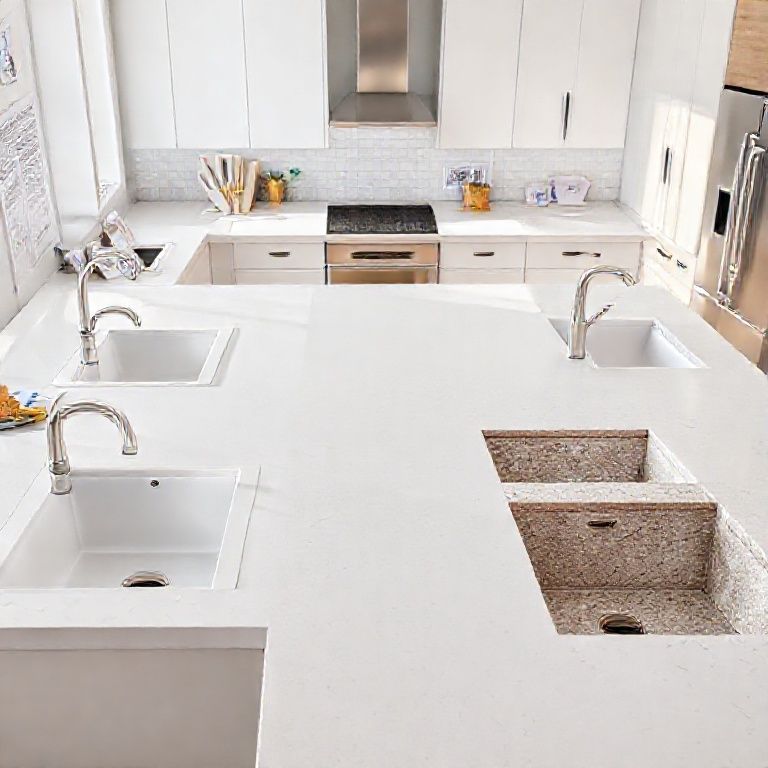
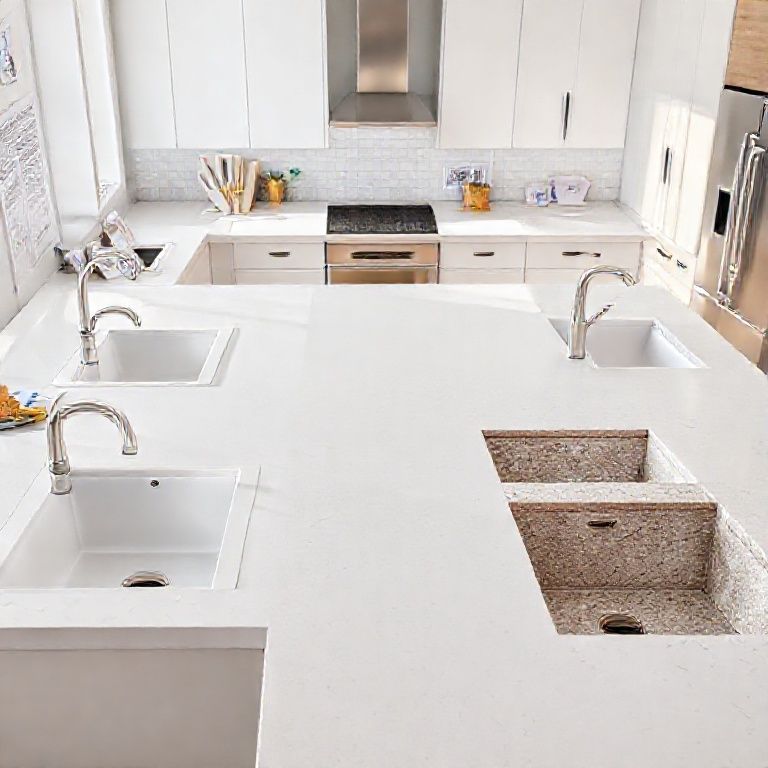
In today’s fast-paced world, artificial stone countertops have become a popular choice for both residential and commercial spaces due to their durability, low maintenance, and aesthetic appeal. However, like all materials, they are not immune to the occasional crack or chip. Fortunately, repairing these imperfections is easier than you might think. In this part of our guide, we’ll walk you through everything you need to know to effectively repair cracks in artificial stone countertops using a step-by-step video tutorial.

Tools and Materials You Will Need
Before diving into the repair process, it’s essential to gather all the necessary tools and materials. Here’s a list of what you’ll need:
Epoxy Resin Kit: High-quality epoxy resin is essential for repairing cracks in artificial stone. Choose a product specifically designed for stone surfaces. Mixing Tools: These include a spatula or mixing stick to properly combine the epoxy resin and hardener. Sandpaper: Medium-grit sandpaper (around 80-120 grit) for smoothing the area around the crack. Cleaning Supplies: A damp cloth or sponge for cleaning the countertop surface. Masking Tape: To mask off areas you don’t want to get epoxy on. Drop Cloth or Plastic Sheeting: To protect the surrounding area from any spills or drips. Protective Gear: Safety goggles and gloves to protect yourself during the repair process.
Step-by-Step Repair Process
Step 1: Preparation
Clean the Area: Begin by thoroughly cleaning the area around the crack using a damp cloth or sponge. Remove any dust, grime, or debris that might interfere with the epoxy bonding. Dry the Surface: Ensure the area is completely dry before proceeding. Moisture can prevent the epoxy from adhering properly. Protect the Surrounding Area: Lay down a drop cloth or plastic sheeting to protect the surrounding area from any epoxy spills or drips.

Step 2: Sand the Crack
Roughen the Crack: Using medium-grit sandpaper, lightly sand the crack to roughen the surface. This will help the epoxy resin adhere better. Clean Again: After sanding, clean the crack and surrounding area once more to remove any sanding dust.
Step 3: Mix the Epoxy Resin
Combine Resin and Hardener: Follow the manufacturer’s instructions to mix the epoxy resin and hardener. Typically, you will need to combine equal parts of each component. Use a spatula or mixing stick to thoroughly blend them together until you achieve a uniform color.
Step 4: Apply the Epoxy Resin
Fill the Crack: Using a syringe, drop a small amount of epoxy resin into the crack. If the crack is wide, you may need to apply multiple layers, allowing each layer to cure before adding the next. Smooth the Epoxy: Once the epoxy is in place, use a clean cloth or a small brush to smooth it out and ensure it fills the crack completely. Cure the Epoxy: Allow the epoxy to cure as per the manufacturer’s instructions. This usually takes a few hours, but it’s important to follow the specific curing time given.

Step 5: Finishing Touches
Remove Masking Tape: Once the epoxy has cured, carefully remove any masking tape you used to protect surrounding areas. Final Cleaning: Give the countertop a final wipe down to remove any excess epoxy that might have spilled during the repair process.
Why DIY Repair is Effective
Repairing cracks in artificial stone countertops yourself can save you a significant amount of money compared to hiring a professional. With the right tools and a little bit of patience, you can restore your countertop to its former glory. Moreover, doing it yourself gives you a sense of accomplishment and ensures that the repair is done correctly.
Tips for Long-Lasting Results
Regular Maintenance: Regularly clean and inspect your countertops to catch any small cracks early before they become more significant issues. Use Protective Covers: If your countertop is in a high-traffic area, consider using cutting boards with pads or placing trivets under hot pots and pans to prevent scratches and cracks. Avoid Harsh Chemicals: Use gentle cleaners and avoid abrasive pads or harsh chemicals that can damage the surface of the artificial stone.

In the next part of our guide, we will dive deeper into troubleshooting common issues you might encounter during the repair process and provide some additional tips and tricks to ensure a perfect repair every time.
In the first part of our guide, we covered the essential steps for repairing cracks in artificial stone countertops. Now, let’s delve deeper into some common challenges you might face and provide additional tips and tricks to ensure a flawless repair. Whether you’re a seasoned DIYer or a novice, this part of the tutorial will help you tackle any issues that may arise during the repair process.
Troubleshooting Common Issues
Issue 1: Epoxy Doesn’t Adhere Properly
Symptom: The epoxy resin does not bond well to the countertop surface.
Solution:
Ensure Surface Cleanliness: Make sure the surface is completely clean and free of any grease, oil, or moisture. Use a degreaser if necessary. Check the Epoxy: Ensure that the epoxy resin and hardener are mixed correctly and not expired. Sometimes, the epoxy may not cure properly if the components are not fresh. Apply Heat: In some cases, applying a small amount of heat using a hairdryer can help the epoxy adhere better. Be cautious not to overheat the area.
Issue 2: Cracks are Too Wide
Symptom: The crack is too large for a single application of epoxy.
Solution:
Multiple Applications: If the crack is too wide, you may need to apply the epoxy in multiple layers. Allow each layer to cure completely before applying the next. Use a Wooden Stick: For very wide cracks, you can use a wooden stick to press the epoxy into the crack, ensuring it fills the entire space.
Issue 3: Epoxy Seeps Out
Symptom: Epoxy is oozing out of the crack and onto the surface.
Solution:
Apply Less Epoxy: Use a smaller amount of epoxy initially. If it fills the crack, you can always add more. Smooth with a Cloth: Once the epoxy is applied, use a clean, dry cloth to smooth it out and remove any excess.
Advanced Tips and Tricks
Tip 1: Use a Crack Injection Method
For very deep or complex cracks, consider using a crack injection method. This involves inserting a small tube into the crack and injecting epoxy resin directly into the crack from the opposite side. This method is particularly useful for hidden or hard-to-reach cracks.
Tip 2: Add Fiberglass Mesh
For larger cracks or areas where structural integrity is a concern, consider adding a piece of fiberglass mesh to the repair. This adds additional strength to the repair and helps prevent further cracking.
Tip 3: Color Matching
If the countertop has a colored finish, matching the epoxy color can make the repair less noticeable. Many epoxy kits come in a variety of colors, so select one that closely matches your countertop’s finish.
Tip 4: Use a Bonding Primer
In some cases, applying a bonding primer before the epoxy can improve adhesion. This is particularly useful if the crack is in a hard-to-reach area or if the surface is particularly porous.
Tip 5: Regular Maintenance
To prevent future cracks, regularly clean and maintain your countertops.当然,继续我们的讨论。在之前的部分中,我们讨论了如何修复人造石台面上的裂缝,并提到了一些常见问题和高级技巧。
现在,让我们进一步探讨如何确保修复工作的持久性,以及一些预防措施,以避免未来出现裂缝。
确保修复持久性的方法
方法1:多层修复
对于深度较大或复杂的裂缝,可以采用多层修复方法。每一层修复后都应完全干燥,然后再进行下一层的修复。这种方法可以确保裂缝充分填充,提高修复的牢固性。
方法2:使用纤维增强材料
对于需要更高强度的修复,可以在修复过程中添加纤维增强材料。例如,在修补过程中加入玻璃纤维或碳纤维网,这不仅能增加修复的强度,还能防止未来的裂缝扩展。
方法3:选择合适的修复材料
选择高质量的修复材料非常重要。确保所选的修复产品与台面材料兼容,并且具有良好的耐久性和颜色匹配性。
预防裂缝的措施
措施1:避免过度冲击
在使用台面时,尽量避免将过重或尖锐的物体直接放在台面上,以防止产生过大压力导致的裂缝。可以在放置重物时使用台布或垫子。
措施2:适当清洁和保养
定期清洁台面,使用适合人造石材质的清洁剂,避免使用含有酸性或碱性成分的清洁剂。清洁后,及时擦干,防止水分残留导致的材料腐蚀。
措施3:温度控制
人造石材在温度急剧变化时可能会出现裂缝。因此,尽量避免在台面上长时间放置热锅或开水,也不要将冰冷的饮料直接倒在台面上。
措施4:使用保护垫
在厨房或浴室等高频使用的区域,可以在台面下方放置保护垫或砖块,以减少重物对台面的直接压力,从而延长台面的使用寿命。
总结
修复人造石台面上的裂缝并不是一项困难的任务,但需要一定的技巧和耐心。通过正确的修复方法和采取预防措施,可以大大延长台面的使用寿命,保持其美观和功能性。如果你对修复过程有任何疑问,或者裂缝非常严重,建议寻求专业人员的帮助。