Understanding Yellowing and Effective Cleaning Techniques
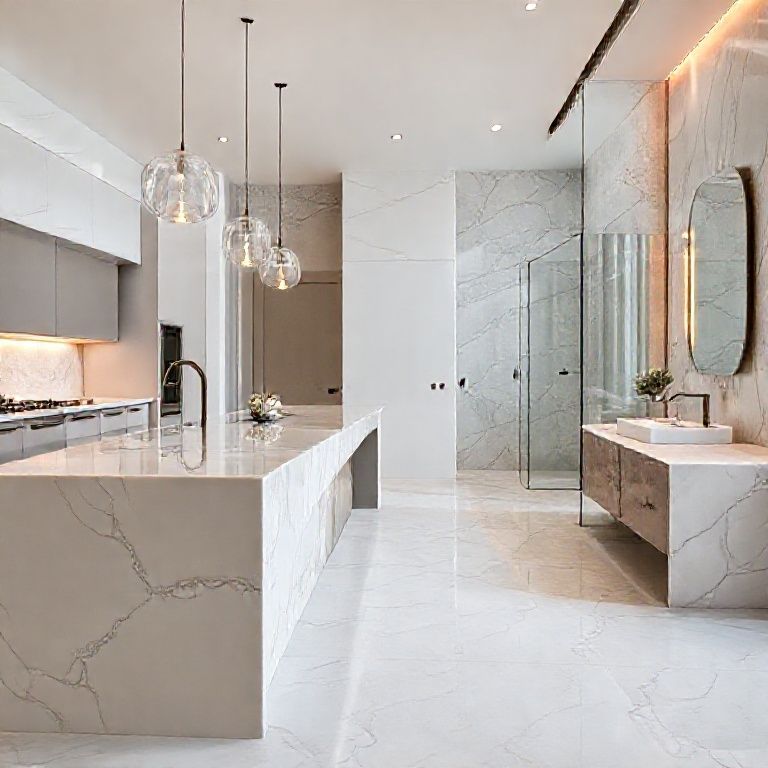
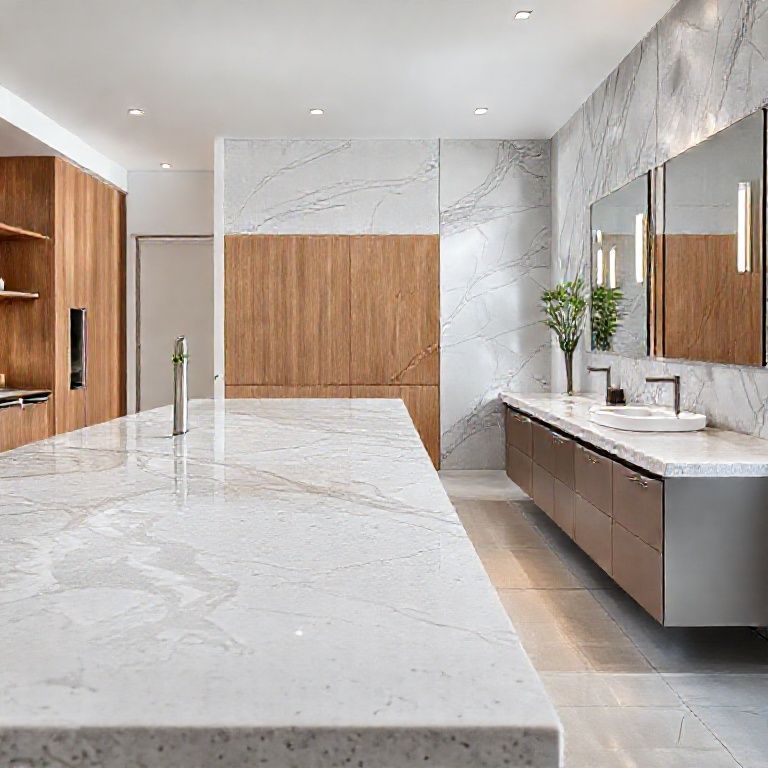
Quartz countertops are renowned for their durability, resistance to scratches, and non-porous surface, which makes them an ideal choice for many modern kitchens and bathrooms. However, despite their many benefits, they are not immune to yellowing. Over time, exposure to heat, food spills, and even certain cleaning agents can cause quartz surfaces to turn yellow. Understanding the causes and implementing effective cleaning techniques can help maintain the beauty and longevity of your quartz countertops.
Causes of Yellowing on Quartz Countertops
Heat and Cooking Spills: One of the primary culprits behind yellowed quartz countertops is the exposure to heat and cooking spills. When hot oil, grease, or other food particles come into contact with the surface, they can leave behind discoloration.
Acidic Foods and Beverages: Spills from acidic foods like tomatoes, citrus fruits, and vinegar-based cleaning agents can cause discoloration over time.
Soap and Cleaning Products: Using soap or cleaning products with a high alkaline content can strip away the protective finish of the quartz, leading to yellowing.
Age and Wear: Simply aging of the countertop can contribute to a gradual yellowing effect, especially if the surface has not been properly cared for.
Cleaning Techniques to Restore Whiteness
Basic Cleaning Routine
Before diving into more intensive methods, it’s essential to establish a basic cleaning routine to maintain the quartz countertop’s surface.
Daily Cleaning: Use a mild, neutral soap and warm water. Wipe the surface with a soft, non-abrasive cloth. Rinse thoroughly and dry with a clean, dry cloth. Weekly Deep Clean: Mix equal parts of water and white vinegar. Apply the solution to the countertop using a soft cloth. Allow it to sit for a few minutes before wiping it off. Rinse and dry with a clean cloth.
Intensive Cleaning Methods
For more stubborn yellowing, the following methods can be employed:
Baking Soda Paste: Mix baking soda with water to form a thick paste. Apply the paste to the yellowed areas and let it sit for 15-20 minutes. Use a soft cloth to scrub the surface gently. Rinse thoroughly and dry with a clean cloth. Hydrogen Peroxide: Apply a small amount of hydrogen peroxide directly to the yellowed area. Let it sit for a few minutes to allow it to break down the discoloration. Wipe with a soft cloth. Rinse and dry. Oxygen Bleach: Combine one part 3% hydrogen peroxide with one part baking soda. Create a paste and apply it to the yellowed area. Let it sit for 10-15 minutes. Scrub gently with a soft cloth. Rinse and dry.
Preventive Measures
To prevent future yellowing, it’s important to adopt some preventive measures:
Heat Protection: Use trivets or pot holders when handling hot pots and pans. Avoid placing hot items directly on the countertop. Immediate Cleaning: Wipe up spills immediately to prevent them from setting into the surface. Use Cutting Boards: Always use a cutting board when preparing food to avoid spills on the countertop. Avoid Harsh Cleaners: Use mild, neutral cleaners instead of harsh chemicals that can strip the finish.
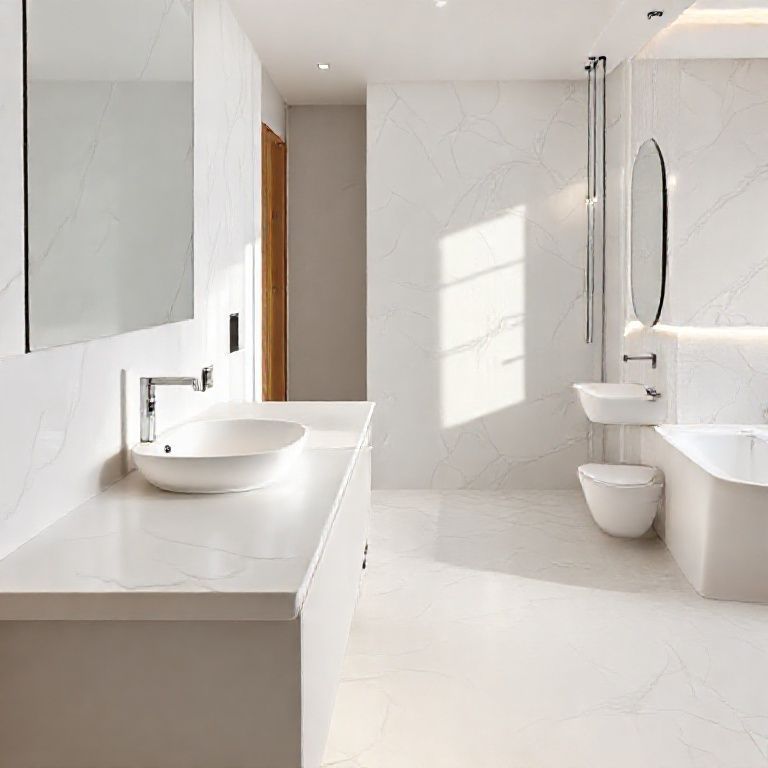
By following these guidelines, you can effectively clean and maintain the whiteness of your quartz countertops, ensuring they remain a beautiful and functional part of your home for years to come.

Advanced Cleaning Tips and Long-term Maintenance
While the basic and intensive cleaning techniques provided in the first part can address many yellowing issues, there are advanced methods and long-term maintenance tips that can ensure your quartz countertops remain pristine and white for a longer period.
Advanced Cleaning Techniques
1. Commercial Cleaners
For those who prefer a more straightforward approach, commercial cleaners specifically designed for quartz countertops can be very effective.
Quartz-Specific Cleaners: Use products specifically formulated for quartz surfaces to avoid damaging the finish. Follow the manufacturer’s instructions carefully for optimal results. Polishing Kits: Some kits include a polishing agent that can restore the shine and whiteness of the surface. Follow the instructions to apply and buff the surface.
2. Professional Cleaning Services
If yellowing persists despite your best efforts, consider hiring a professional cleaning service. Professionals have access to specialized equipment and products that can effectively restore the whiteness of your quartz countertops.
Long-term Maintenance Tips
To keep your quartz countertops looking their best over time, it’s important to adopt a few long-term maintenance practices.
1. Regular Cleaning Routine
Maintaining a regular cleaning routine is crucial for the longevity of your countertops.
Daily Wipe-Downs: Use a damp cloth with a mild soap solution to wipe down the countertop daily. Pay special attention to areas that frequently come into contact with food and liquids. Monthly Deep Cleans: Perform a more thorough cleaning once a month using a mixture of water and vinegar or a commercial quartz cleaner.
2. Use of Protective Mats
To prevent spills and heat damage, consider using cutting boards, trivets, and other protective mats.
Cutting Boards: Always use a cutting board when chopping food to avoid direct contact with the countertop. Heat Mats: Place trivets or heat-resistant mats under pots and pans when cooking to prevent heat damage.
3. Avoiding Acidic Foods and Cleaning Agents
To prevent yellowing caused by acids and harsh chemicals, take the following precautions:
Avoid Acidic Foods: Try to avoid leaving acidic foods like tomatoes, citrus fruits, and vinegar on the countertop for extended periods. Mild Cleaning Agents: Use mild, neutral cleaners instead of acidic or alkaline-based cleaners.
4. Regular Maintenance and Inspections
Regular inspections and maintenance can help catch and address issues before they become more serious.
Inspect Regularly: Check the countertop regularly for any signs of discoloration or damage. Address minor issues promptly to prevent them from becoming more severe. Professional Inspections: Have a professional inspect your countertops periodically to ensure there are no underlying issues that could affect the surface.
Conclusion
By understanding the causes of yellowing and employing both basic and advanced cleaning techniques, you can effectively restore the whiteness of your quartz countertops. Maintaining a regular cleaning routine, using protective measures, and avoiding harsh chemicals can help keep your countertops looking immaculate and fresh for years to come. Whether you choose to tackle the yellowing on your own or enlist the help of professionals, these tips and methods will guide you to a beautiful and well-maintained quartz surface.