Understanding Yellowing and Initial Cleaning Techniques
Introduction
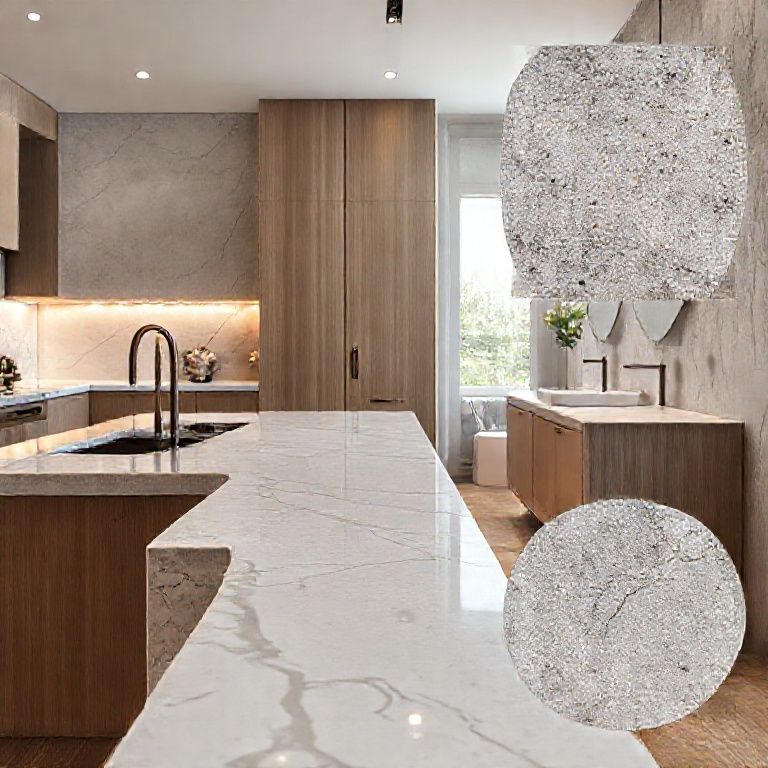
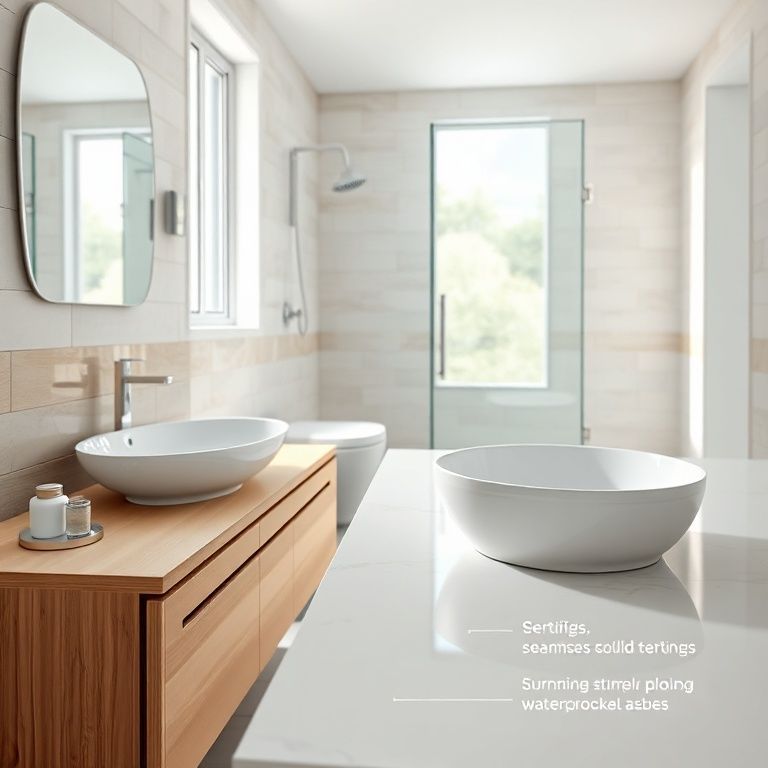
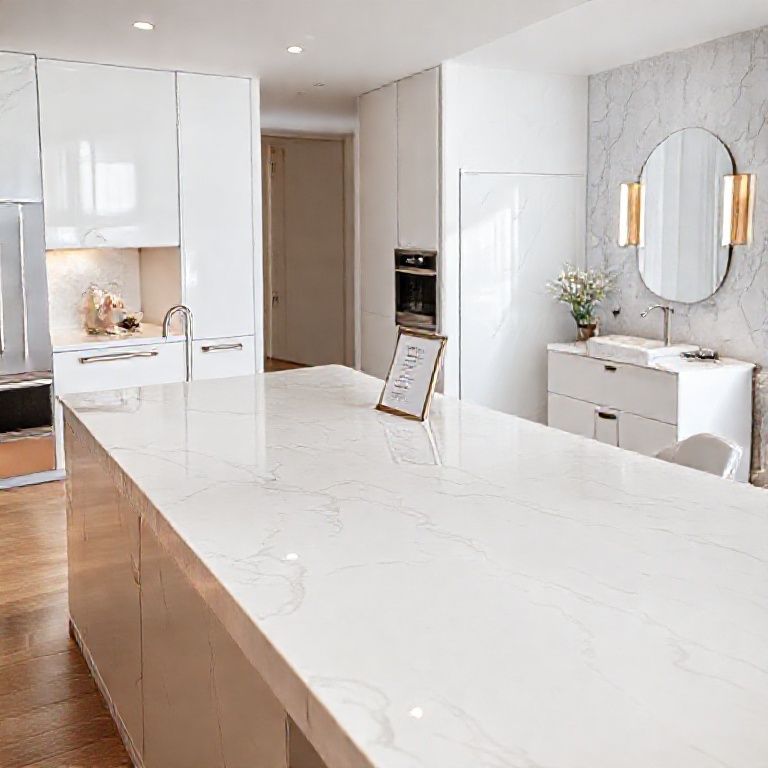
Artificial stone countertops are a popular choice for kitchens and bathrooms due to their durability, ease of cleaning, and aesthetic appeal. However, despite their many benefits, these countertops can sometimes turn yellow over time. This yellowing can be caused by a variety of factors, ranging from improper cleaning to the natural aging process. In this first part of our guide, we will delve into the causes of yellowing and explore initial cleaning techniques to restore your countertops.
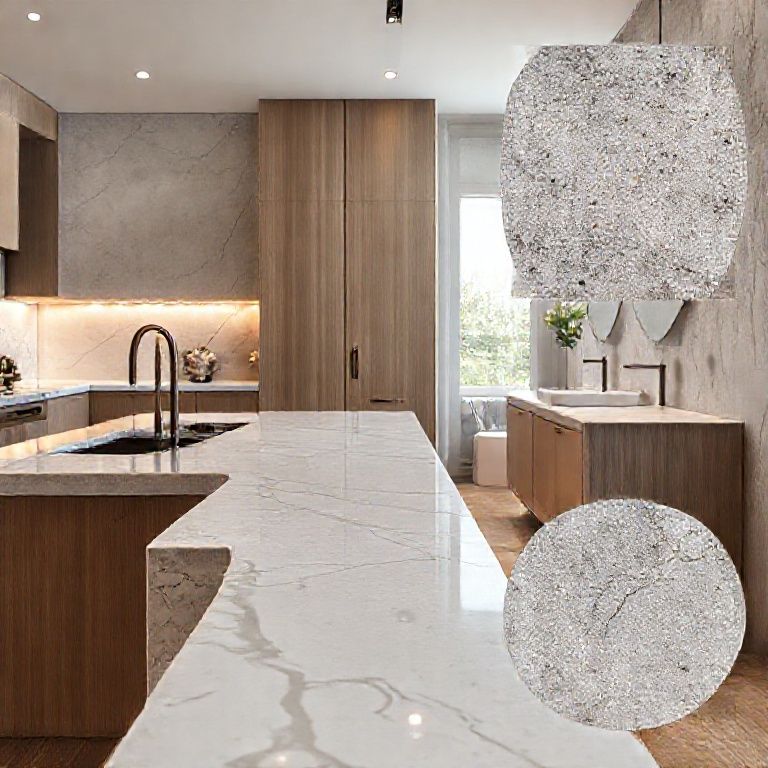
Causes of Yellowing
Improper Cleaning Products: Using harsh chemicals or abrasive cleaners can strip the surface of the artificial stone, leading to yellowing. These substances can include bleach, ammonia, or even certain commercial cleaners that are not suitable for stone surfaces.
Food Stains and Spills: Spills from food or beverages, particularly those containing high acidity or sugar, can leave stains that turn yellow over time. This is especially true for acidic foods like tomatoes, citrus fruits, or vinegar-based sauces.
Water Spots: Even though artificial stone is water-resistant, prolonged exposure to water can cause mineral deposits to build up, leading to yellow spots.
Natural Aging: Over time, artificial stone can undergo slight discoloration due to natural aging processes.
Initial Cleaning Techniques
Before diving into more intensive cleaning methods, it’s important to start with basic cleaning to remove surface dirt and minor stains. Here’s a step-by-step guide:
Regular Cleaning Routine: Use a mild, pH-neutral cleaner and a soft cloth to wipe down your countertops daily. Avoid scrubbing too hard to prevent scratching the surface.
Baking Soda Paste: For minor stains, create a paste using baking soda and water. Apply the paste to the stained area and let it sit for about 15 minutes. Gently wipe it off with a damp cloth.
White Vinegar Solution: White vinegar is a natural cleaner that can help remove minor yellowing. Mix equal parts of vinegar and water in a spray bottle and lightly mist the affected areas. Let it sit for a few minutes before wiping clean with a damp cloth.
Mild Dish Soap: For tougher spots, mix a small amount of mild dish soap with warm water. Dampen a cloth with the soapy water and gently wipe the yellowed areas. Rinse thoroughly with clean water to remove any soap residue.
Preventative Measures
Preventing yellowing in the first place is always better than dealing with it after it happens. Here are some preventative tips:
Use Coasters and Trivets: To protect your countertops from spills and heat, always use coasters under drinks and trivets under hot pots and pans.
Clean Spills Immediately: Wipe up spills promptly to prevent stains from setting in.
Avoid Abrasive Cleaners: Stick to mild, pH-neutral cleaners to avoid damaging the surface.
Conclusion
Understanding the causes of yellowing and employing basic cleaning techniques can go a long way in maintaining the appearance of your artificial stone countertops. In the next part of this guide, we will explore more advanced cleaning methods and maintenance tips to ensure your countertops stay pristine and beautiful.
Advanced Cleaning Methods and Long-Term Maintenance
Introduction
If the initial cleaning techniques did not fully address the yellowing on your artificial stone countertops, don’t lose hope! In this second part of our guide, we will explore more advanced cleaning methods and delve into long-term maintenance strategies to ensure your countertops remain in excellent condition. Whether your yellowing is stubborn or severe, we’ve got the solutions you need.
Advanced Cleaning Methods
Hydrogen Peroxide and Baking Soda: For tougher yellowing, a mixture of hydrogen peroxide and baking soda can be effective. Here’s how to prepare it: Mix one tablespoon of baking soda with two tablespoons of hydrogen peroxide to form a paste. Apply the paste to the yellowed areas and let it sit for about 10-15 minutes. Gently scrub with a soft-bristled brush and wipe clean with a damp cloth.
Commercial Stone Cleaners: There are several commercial cleaners designed specifically for stone surfaces. These often contain gentle yet effective cleaning agents that can tackle yellowing without damaging the countertop. Follow the manufacturer’s instructions carefully.
Professional Cleaning Services: If all else fails, consider hiring a professional cleaning service. They have specialized equipment and expertise to safely and effectively restore your countertops.
Long-Term Maintenance Strategies
Maintaining your artificial stone countertops properly is crucial to prevent future yellowing and stains. Here are some key strategies:
Regular Cleaning: Stick to a regular cleaning routine using mild, pH-neutral cleaners. Clean your countertops daily and address spills promptly.
Sealing the Surface: While artificial stone doesn’t require traditional sealing like natural stone, it’s still beneficial to use a high-quality, non-toxic, and recommended sealant periodically to protect the surface from stains and scratches.
Use of Protective Covers: For high-traffic areas, consider using protective covers such as silicone mats or trivets to shield the surface from spills and heat.
Proper Storage of Cleaning Supplies: Store cleaning supplies away from countertops to prevent accidental spills and exposure to harsh chemicals.
Avoid Direct Sunlight: Prolonged exposure to direct sunlight can cause artificial stone to fade or discolor. If possible, avoid placing countertops in direct sunlight for extended periods.
Additional Tips
Kitchen Organization: Keeping your kitchen organized can help prevent spills and make cleaning easier. Use drawer organizers to keep utensils and pots in place.
Heat Management: Use trivets when placing hot pots and pans on the countertop to prevent heat damage.
Routine Inspection: Regularly inspect your countertops for any signs of yellowing or damage and address them early before they become severe.
Conclusion
By following advanced cleaning methods and implementing long-term maintenance strategies, you can effectively restore the pristine look of your artificial stone countertops and prevent future yellowing. Proper care and maintenance will ensure that your countertops remain beautiful and functional for years to come. If you find the yellowing is particularly stubborn or severe, professional help is always an option to ensure the best results.
Remember, taking care of your artificial stone countertops is an ongoing process that requires regular attention and effort. With the right techniques and a little bit of diligence, you can keep your kitchen or bathroom looking its best.