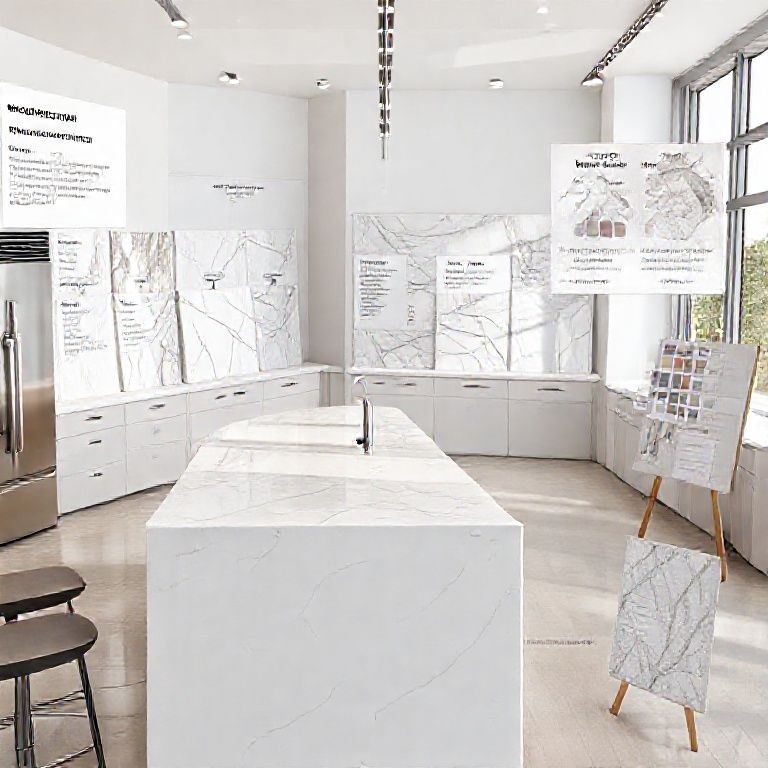
Understanding and Preventing Odors in Artificial Stone Countertops
${part1}
Welcome to our in-depth guide on tackling odors in artificial stone countertops. Whether you’ve recently installed these trendy and durable countertops or you’ve been experiencing an unwelcome smell, this first part will provide you with a comprehensive understanding of the causes of odors and effective preventive measures.
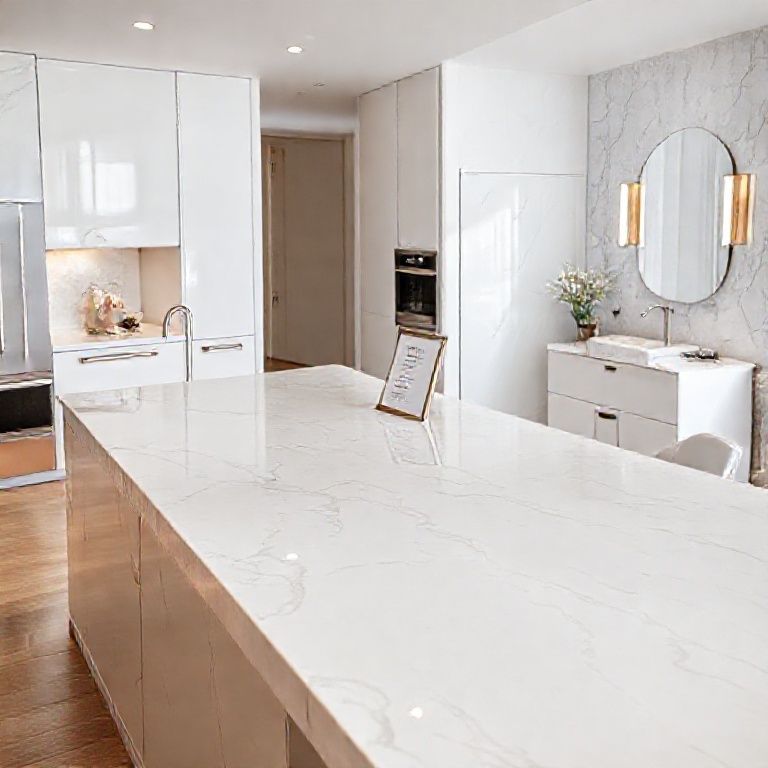
The Nature of Artificial Stone Countertops
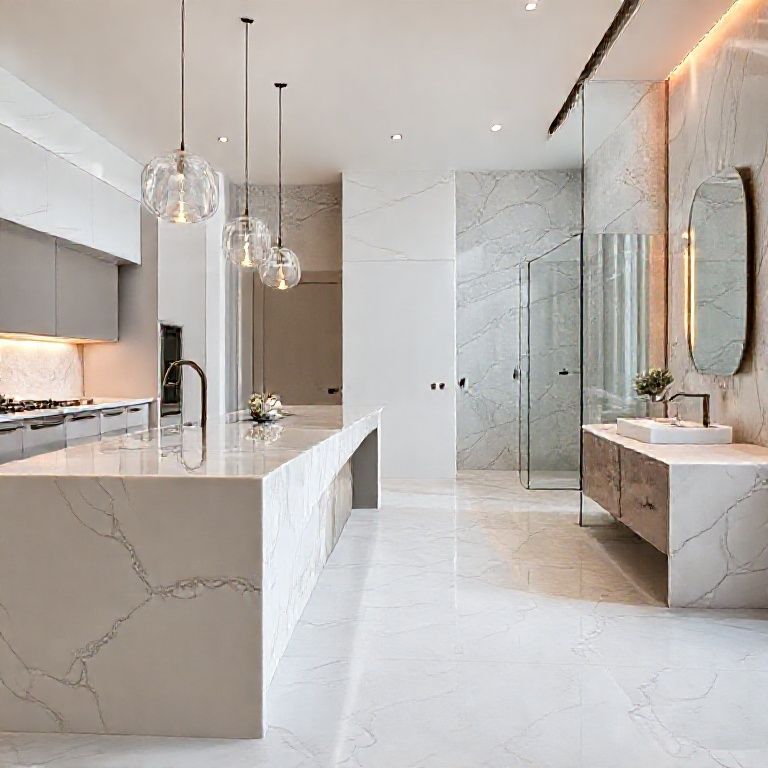
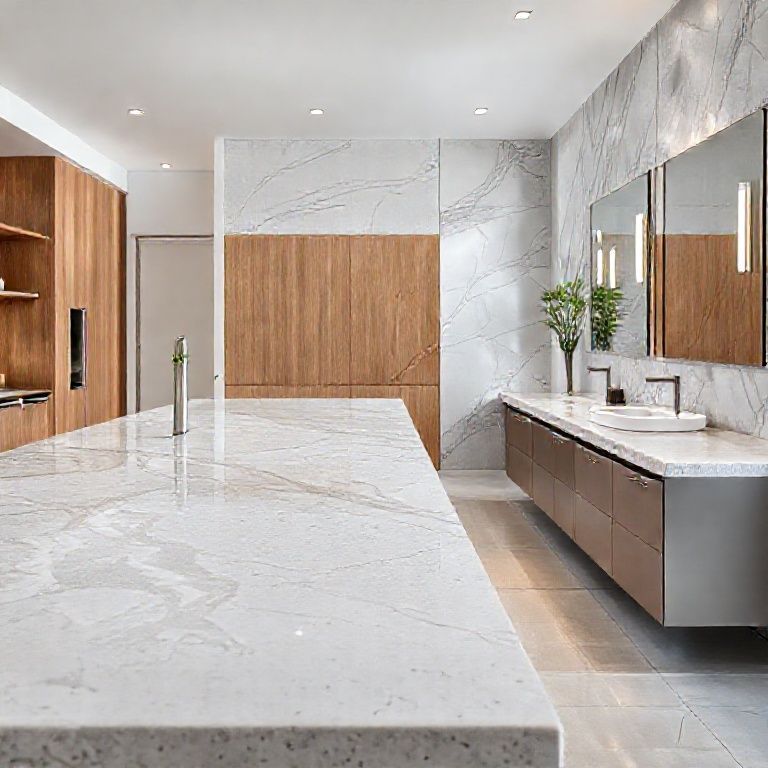
Artificial stone countertops are a popular choice due to their durability, resistance to scratches, and a variety of customizable colors and finishes. However, like any material, they can develop odors over time. These odors can be caused by various factors, including the manufacturing process, the materials used, and even how the countertop is maintained.
Common Causes of Odors
Understanding the root causes of the odors is the first step in preventing and eliminating them. Here are some common culprits:
Manufacturing Process: The production of artificial stone often involves the use of chemicals and solvents, which can leave lingering odors. Material Composition: The combination of various materials, such as resins, pigments, and fillers, may contribute to the development of smells. Contaminants: Spills, food particles, and cleaning agents can introduce odors into the countertop’s surface. Moisture: Even small amounts of water can create a breeding ground for bacteria and mold, leading to unpleasant smells.
Preventive Measures
Preventing odors in artificial stone countertops involves proper maintenance and care. Here are some tips to keep your countertops smelling fresh:
Regular Cleaning: Use a mild, non-abrasive cleaner to wipe down the surface regularly. Avoid using acidic or harsh chemicals that could damage the stone. Immediate Spill Response: Clean up spills immediately to prevent them from seeping into the surface and causing odors. Proper Ventilation: Ensure that your kitchen or living area is well-ventilated to minimize the buildup of odors. Natural Deodorizers: Use natural deodorizers such as baking soda, activated charcoal, or essential oil diffusers to keep the air fresh.
Preventative Maintenance Tips
To keep your artificial stone countertop in top condition and free from odors, consider these maintenance tips:
Use Coasters and Placemats: Protect your countertop from spills by using coasters under drinks and placemats on the dining table. Avoid Heating Elements: Keep hot pots and pans away from the countertop to prevent heat damage and potential odors. Routine Inspection: Regularly inspect your countertop for any signs of wear, damage, or mold, and address any issues promptly.
By understanding the causes of odors and implementing preventive measures, you can significantly reduce the likelihood of experiencing unpleasant smells in your artificial stone countertop. In the next part of this guide, we will delve into more specific methods for addressing existing odors and restoring the freshness of your countertop.
Effective Solutions for Eliminating Odors in Artificial Stone Countertops
${part2}
Welcome back to our comprehensive guide on tackling odors in artificial stone countertops. Having understood the causes and preventive measures, this second part will focus on effective solutions to eliminate existing odors and keep your countertop smelling fresh.
Identifying Persistent Odors
If you’re dealing with persistent odors despite your preventive efforts, it’s essential to identify the source accurately. Here are some steps to help you pinpoint the problem:
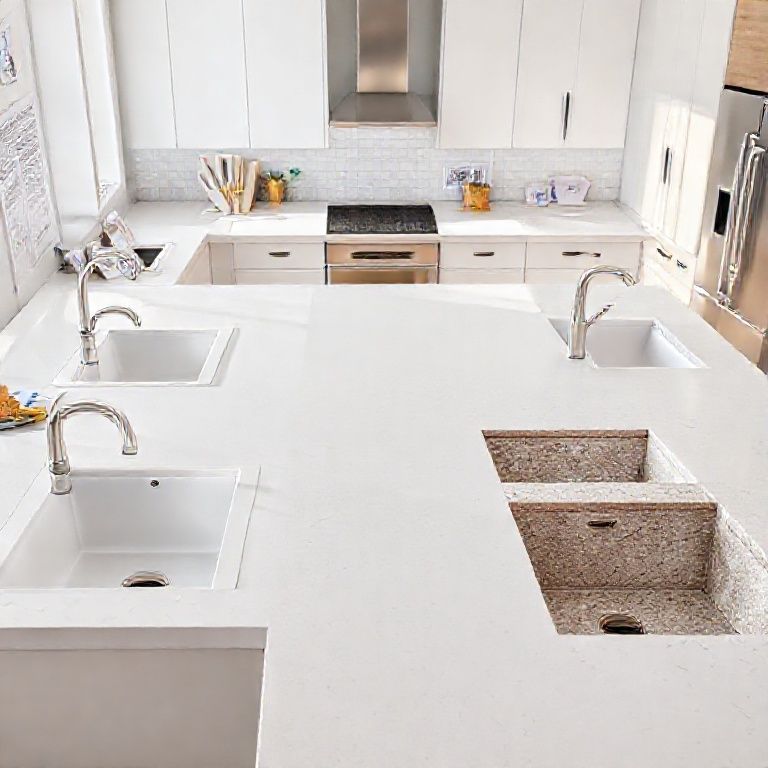
Smell Test: Conduct a thorough smell test around your kitchen or living area to determine where the odor is most noticeable. Inspect for Mold or Mildew: Check for any signs of mold or mildew on the countertop surface, as these can be the primary sources of foul odors. Check for Hidden Spills: Sometimes, spills can seep into crevices or joints in the countertop, causing lingering odors. Carefully inspect the surface for any hidden contaminants.
Step-by-Step Odor Elimination Process
Once you’ve identified the source of the odor, follow these detailed steps to eliminate it effectively:
Step 1: Deep Cleaning
A deep clean is essential to remove any surface contaminants that may be causing the odor. Here’s how to do it:
Gather Supplies: You’ll need a non-abrasive cleaner, a soft cloth, a sponge, and a scrub brush. Clean the Surface: Wipe down the countertop with the cleaner, using a soft cloth for general areas and a sponge or scrub brush for tougher spots. Pay special attention to crevices and joints. Rinse Thoroughly: Rinse the countertop with clean water to remove any cleaning residue. Dry the Surface: Use a clean, dry cloth to thoroughly dry the countertop.
Step 2: Natural Deodorizers
Natural deodorizers can help eliminate odors and keep your countertop smelling fresh. Here’s how to use them:
Baking Soda: Sprinkle baking soda over the surface of the countertop and let it sit for several hours. Then, scrub with a damp cloth and rinse. Activated Charcoal: Place a bowl of activated charcoal on the countertop. Leave it for 24 hours to absorb odors. Rinse the charcoal and dry the surface afterward. Essential Oils: Use an essential oil diffuser in your kitchen or apply a few drops of your favorite essential oil to a cloth and wipe the countertop for a pleasant scent.
Step 3: Professional Cleaning Services
For persistent odors that don’t seem to go away with regular cleaning, consider hiring a professional cleaning service. Professionals have access to specialized equipment and cleaning agents that can effectively tackle tough odors.
Step 4: Ongoing Maintenance
To maintain a fresh-smelling countertop, follow these ongoing maintenance tips:
Regular Cleaning: Continue to clean the countertop regularly with a mild, non-abrasive cleaner. Use Coasters and Placemats: Keep coasters and placemats in place to protect the surface from spills. Ventilate the Area: Ensure proper ventilation in your kitchen or living space to prevent the buildup of odors. Freshen Up: Place a small bowl of baking soda or activated charcoal on the countertop to keep it smelling fresh.
Advanced Odor Treatment Options
In some cases, odors may be deeply embedded in the material of the artificial stone countertop. Here are advanced treatment options:
Odor Neutralizers: Use commercial odor neutralizers designed for stone surfaces. Follow the manufacturer’s instructions carefully. Ultraviolet Light: Some advanced cleaning services use ultraviolet (UV) light to kill bacteria and eliminate odors. Heat Treatment: In extreme cases, a professional heat treatment might be necessary to break down stubborn odors.
By following these steps and maintaining your artificial stone countertop with care, you can effectively eliminate existing odors and keep your countertop smelling fresh and inviting. Proper care and regular maintenance will ensure that your artificial stone countertop remains a beautiful and pleasant addition to your home.
By addressing both the preventive and treatment aspects of odors in artificial stone countertops, this guide aims to provide you with the knowledge and tools needed to keep your kitchen or living space smelling fresh and clean.