How to Tackle Odors in Your Artificial Stone Countertops: Expert Tips & Tricks
Artificial stone countertops are a popular choice for their durability, aesthetic appeal, and relatively low maintenance. However, like any other surface, they can sometimes harbor unwanted odors. These smells can stem from various sources, including food particles, spills, and even the materials used in the countertop itself. In this first part of our comprehensive guide, we will explore natural and effective solutions to tackle those pesky odors in your artificial stone countertops.
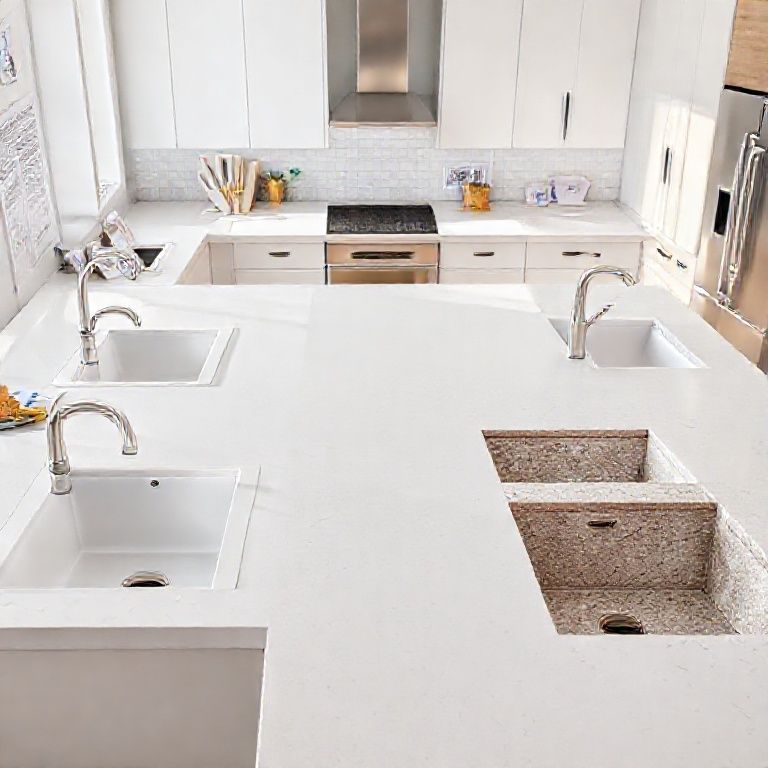
Understanding the Source of the Odor
Before diving into the solutions, it’s crucial to identify the source of the odor. Common culprits include:
Food Spills and Particles: Leftover food particles can break down over time, causing unpleasant smells. Moisture and Mold: Artificial stone is impervious to water, but prolonged moisture can sometimes lead to mold growth. Chemical Residues: Residual chemicals from cleaning agents or previous spills can linger.
Natural Solutions for Freshness
To maintain the freshness of your artificial stone countertops, consider these natural and safe methods:
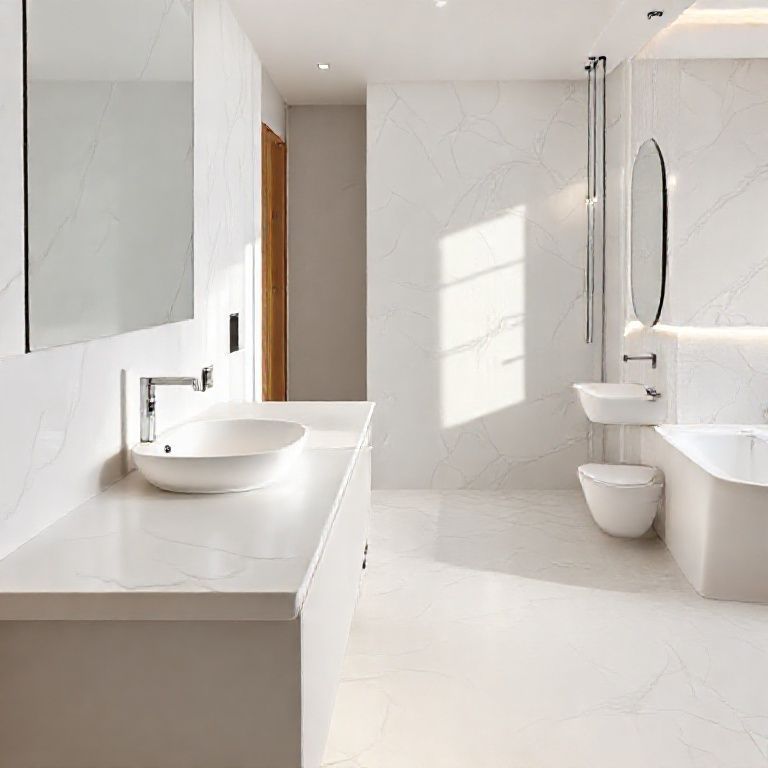
Baking Soda and Vinegar:
Baking Soda: This versatile powder can absorb odors effectively. How to Use: Sprinkle a generous amount of baking soda over the countertop. Let it sit for several hours or overnight, then sweep it off. Vinegar: Vinegar’s acidic nature makes it a powerful odor neutralizer. How to Use: Mix equal parts of white vinegar and water in a spray bottle. Lightly mist the surface and let it sit for a few minutes before wiping clean.
Essential Oils:
Lemon and Peppermint: These oils not only mask odors but also add a pleasant scent. How to Use: Add a few drops of lemon or peppermint essential oil to a spray bottle filled with water. Lightly mist the countertop and let it air dry.
Activated Charcoal:
Charcoal Pads: These pads can be placed under the countertop to absorb odors. How to Use: Position charcoal pads under the cabinet or directly on the countertop. Replace them every few months.

Natural Deodorizers:
Citrus Peels: Orange, lemon, and lime peels can act as natural deodorizers. How to Use: Cut the peels into small pieces and place them in a bowl on the countertop. Replace with fresh peels weekly.
Practical Maintenance Tips
To prevent odors from developing in the first place, follow these practical maintenance tips:
Regular Cleaning:
Use a mild soap and water solution to clean the countertop regularly. Avoid harsh chemicals that can leave residues. After meals, wipe down the surface to remove any food particles.
Proper Ventilation:
Ensure your kitchen is well-ventilated to help disperse odors. Open windows or use exhaust fans when cooking.
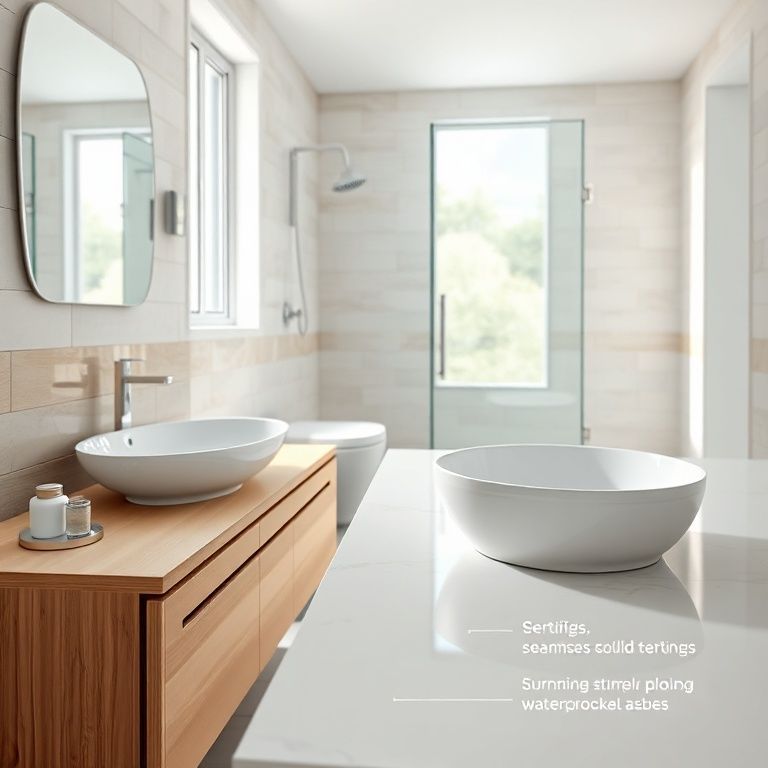
Immediate Spill Management:
Clean up spills immediately to prevent them from soaking into the countertop and causing odors. Use a paper towel or cloth to blot up spills and then wipe the area with a damp cloth.
Advanced Cleaning Techniques
For tougher odors that natural solutions can’t completely remove, try these advanced cleaning techniques:
Hydrogen Peroxide:
How to Use: Mix one part hydrogen peroxide with two parts water. Apply the solution to the stained area and let it sit for a few minutes before scrubbing and rinsing.
Ozone Generator:
An ozone generator can deeply penetrate and neutralize odors. Use according to the manufacturer’s instructions to avoid overexposure.
Professional Cleaning:
If odors persist, consider hiring a professional cleaning service that specializes in stone countertops. They have specialized equipment and cleaning agents to tackle deep-seated odors.
How to Tackle Odors in Your Artificial Stone Countertops: Expert Tips & Tricks
In the second part of our comprehensive guide, we will delve deeper into advanced cleaning methods and preventive measures to ensure your artificial stone countertops remain fresh and odor-free. This section will focus on more robust solutions and professional tips to maintain the pristine condition of your kitchen’s centerpiece.
Deep Cleaning Techniques
Artificial stone countertops can withstand various cleaning agents, but it’s essential to use them correctly to avoid damaging the surface. Here are some deep cleaning techniques:
Microfiber Cloths and Non-Abrasive Cleaners:
Use microfiber cloths for a gentle yet effective clean. Opt for non-abrasive cleaners to avoid scratching the surface.
Microwaveable Cleaning Pads:
These pads are designed to clean and deodorize surfaces. How to Use: Follow the instructions on the cleaning pad. Place it in the microwave for the recommended time to heat it up, then use it to clean the countertop.
Eco-Friendly Cleaners:
Products like Biokleen or Green Works are designed to be effective yet gentle on surfaces. How to Use: Apply the cleaner to the countertop with a cloth, scrub gently, and rinse with clean water.
Professional Grade Solutions
For persistent odors, consider these professional-grade solutions:
Ultrasonic Cleaners:
These devices use ultrasonic waves to clean surfaces thoroughly. How to Use: Place the countertop in the ultrasonic cleaner with an appropriate cleaning solution. Follow the device’s instructions for optimal results.
Enzymatic Cleaners:
Enzymatic cleaners break down organic matter that causes odors. How to Use: Apply the enzymatic cleaner to the affected area and let it sit for the recommended time before wiping clean.
Preventive Measures
Prevention is always better than cure. Here are some additional preventive measures to keep your artificial stone countertops fresh:
Regular Maintenance:
Schedule regular maintenance checks to catch any early signs of mold, mildew, or food particles. Clean the countertop after every meal to prevent buildup.
Seal the Surface:
While artificial stone doesn’t require sealing like natural stone, using a non-toxic surface protector can enhance longevity and reduce the risk of stains and odors. How to Use: Apply the protector according to the manufacturer’s instructions, usually involving a simple wipe-on and wipe-off process.
Use Odor-Neutralizing Cabinet Liners:
Place odor-neutralizing cabinet liners in your drawers and under-counter storage areas. How to Use: These liners absorb odors and can be replaced regularly.
Avoid Direct Heat:
Place trivets or heat shields on the countertop to protect it from direct heat sources. Direct heat can cause the surface to crack or become stained.
Handling Persistent Odors
If the above methods don’t fully eliminate the odors, consider these additional steps:
Professional Inspection:
Have a professional inspect the countertop for any hidden issues like mold or chemical residues that might be causing the odor. They can provide specialized treatments to address these problems.
Air Purification Systems:
Use air purifiers with activated carbon filters to help maintain a fresh-smelling kitchen environment. How to Use: Place the air purifier in a central location in your kitchen and run it continuously.
Long-Term Solutions:
Consider using continuous odor-neutralizing systems like activated charcoal or specialized air fresheners designed for kitchens. These systems can help maintain a fresh environment over the long term.
By following these expert tips and tricks, you can effectively tackle odors in your artificial stone countertops and ensure a fresh, inviting kitchen. Regular maintenance, proper cleaning techniques, and preventive measures will keep your countertop looking and smelling its best. Whether you choose natural solutions or advanced cleaning methods, the key is to stay proactive in maintaining the pristine condition of your artificial stone countertops.