Understanding and Identifying the Source of the Odor
${part1}
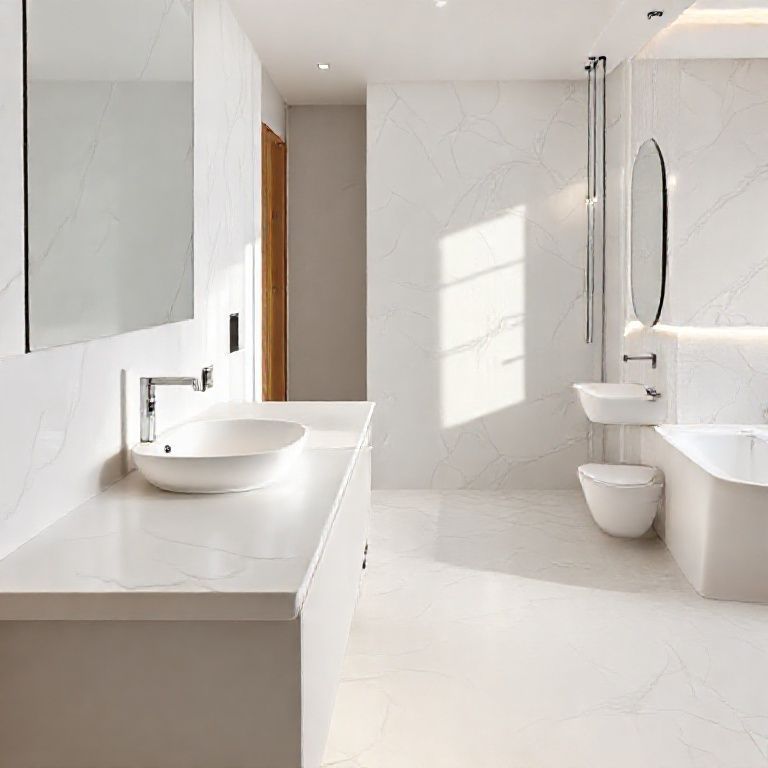
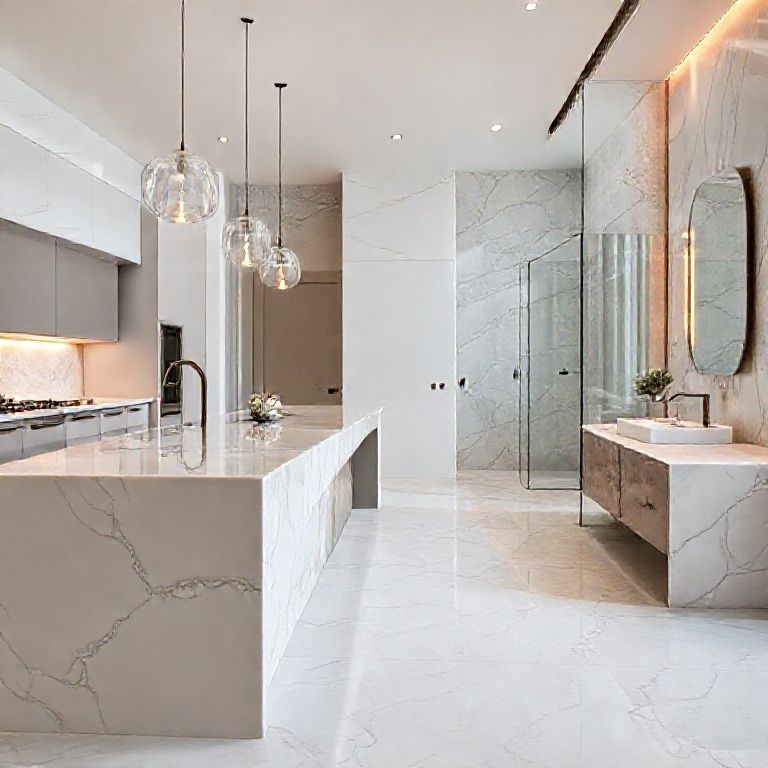
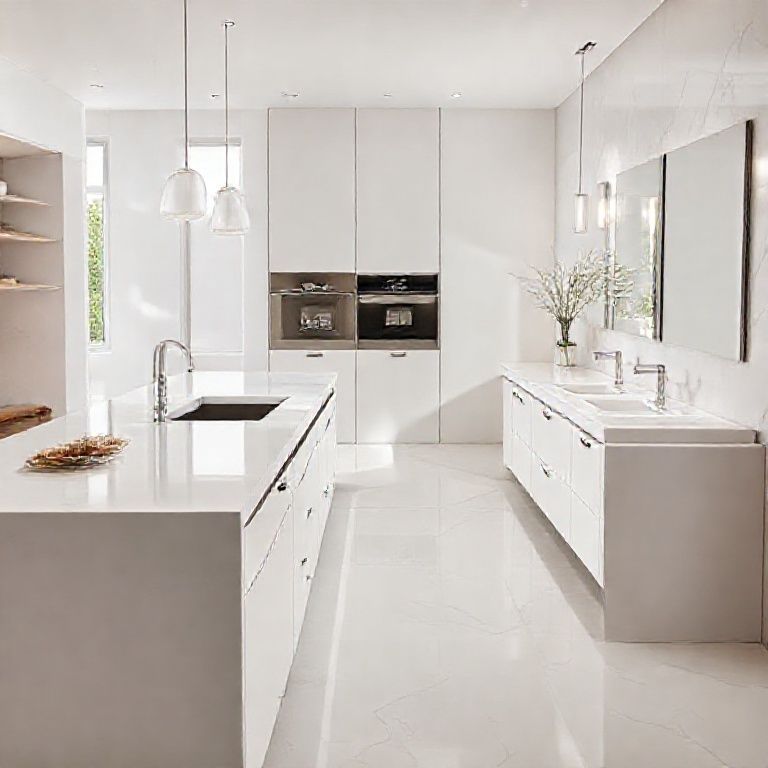
When you first bring home your new artificial stone countertop, it’s often accompanied by an unfamiliar, somewhat unpleasant odor. This can be quite off-putting, especially if you’re someone who values a fresh and clean environment. Understanding the root cause of this odor is the first step towards effectively addressing it.
What Causes the Odor?
Artificial stone countertops are typically made from a combination of minerals, quartz, and other substances bonded together. During the manufacturing process, various chemicals are used to create the desired durability and appearance. These chemicals can leave behind residual odors. Furthermore, the natural oils from your hands or cleaning agents can sometimes cause an unpleasant smell to linger.
Identifying the Odor
The smell from artificial stone countertops can vary, but it’s often described as a musty or chemical-like odor. This smell can sometimes be stronger when the kitchen or bathroom is not well-ventilated. Over time, the odor may dissipate, but for immediate relief, there are several methods you can try.
Initial Cleaning
Before diving into more complex solutions, it’s essential to start with a thorough cleaning. Use a mild, non-abrasive cleaner to wipe down the surface. Avoid harsh chemicals, as these can damage the stone and potentially trap odors. Warm water with a few drops of dish soap is usually sufficient for an initial clean.
Ventilation
Proper ventilation is crucial. Ensure that your kitchen and bathroom are well-ventilated, especially during and after cooking or taking showers. Opening windows or using exhaust fans can help dissipate the odors more quickly. However, if the smell persists, there are more targeted methods you can employ.
Effective Solutions to Eliminate the Odor
${part2}
Once you’ve identified the source of the odor and given your artificial stone countertop a thorough cleaning, it’s time to explore more effective solutions to ensure it remains fresh and odor-free.
Baking Soda
One of the most popular and effective methods for neutralizing odors is using baking soda. This natural deodorizer is safe for artificial stone and works wonders in eliminating unpleasant smells.
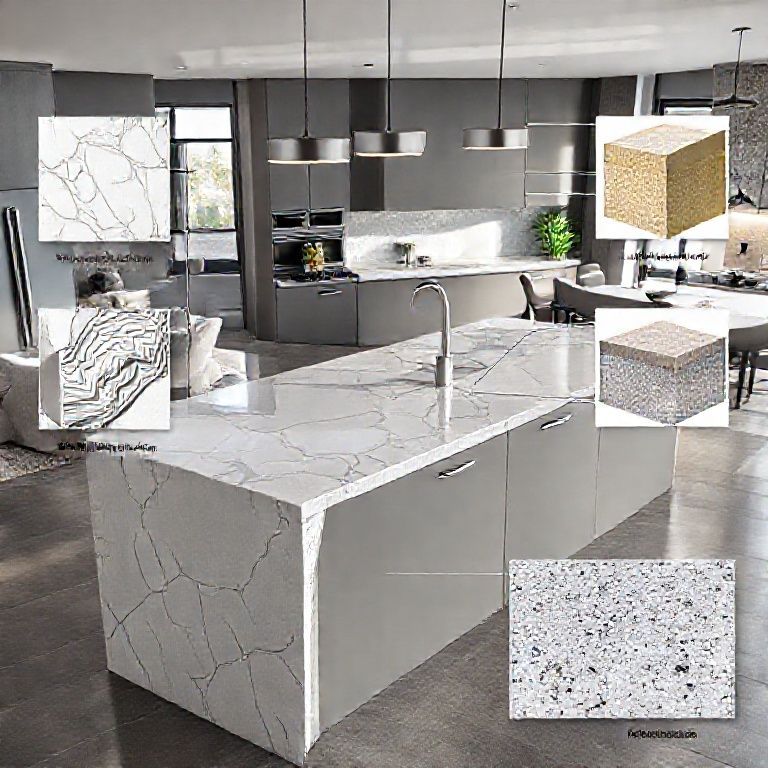
Steps:
Sprinkle: Spread a generous amount of baking soda evenly over the countertop. Let Sit: Allow the baking soda to sit on the surface for at least 1-2 hours. For stronger odors, let it sit overnight. Vacuum: Use a vacuum cleaner with a brush attachment to remove the baking soda.
Baking soda is particularly effective because it absorbs odors without leaving any harmful residues behind.
Vinegar
Vinegar is another household staple that can help tackle odors. Its acidic nature makes it an excellent choice for neutralizing smells.
Steps:
Spray: Lightly spray white vinegar over the countertop. Wipe: Use a clean cloth to wipe the surface. Vinegar can be particularly effective on areas where food spills are common. Rinse: After wiping, rinse the countertop with clean water to remove any vinegar residue.
Essential Oils
Essential oils such as lavender, lemon, or tea tree oil can leave a pleasant fragrance while also neutralizing odors. These oils are safe for use on artificial stone surfaces.
Steps:
Diluted Spray: Mix a few drops of your chosen essential oil with water in a spray bottle. Spray and Wipe: Lightly spray the mixture over the countertop and wipe it clean with a cloth. Aromatherapy: The natural scent of the essential oils will help mask any lingering odors while providing a refreshing aroma.
Commercial Deodorizers
If natural methods don’t seem to work, consider using commercial deodorizers specifically designed for kitchen and bathroom use. These products are formulated to tackle stubborn odors and often contain ingredients that are safe for artificial stone surfaces.
Steps:
Follow Instructions: Carefully read the instructions on the product label. Application: Apply the deodorizer as directed. Ventilation: Ensure good ventilation during and after application to enhance effectiveness.
Regular Maintenance
To keep the odor at bay, regular maintenance is key. Here are some practices to follow:
Clean Frequently: Wipe down the countertop after every use to prevent food particles and oils from lingering. Avoid Strong Chemicals: Use mild, non-abrasive cleaners and avoid harsh chemicals that can trap odors. Use Air Fresheners: Place small bowls of water with a few drops of essential oil or a plug-in air freshener in the kitchen or bathroom to keep the space smelling fresh. Regular Ventilation: Ensure your kitchen and bathroom are well-ventilated, especially after cooking or showering.
Professional Help
If the odor persists despite your best efforts, it may be time to seek professional help. A specialist can identify any underlying issues and provide a more targeted solution. They may also recommend a professional cleaning service that uses specialized equipment and products safe for artificial stone.
By understanding the causes and employing effective solutions, you can ensure that your artificial stone countertops remain fresh and odor-free, enhancing the overall ambiance of your kitchen and bathroom. Regular maintenance and proper care are key to maintaining the pristine condition of your countertops and ensuring a pleasant environment in your home.