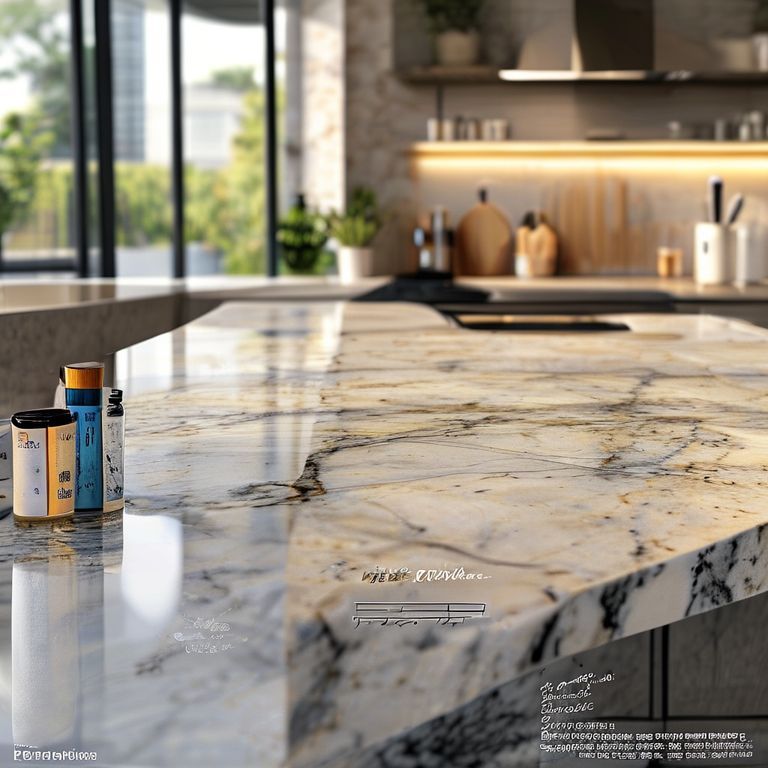
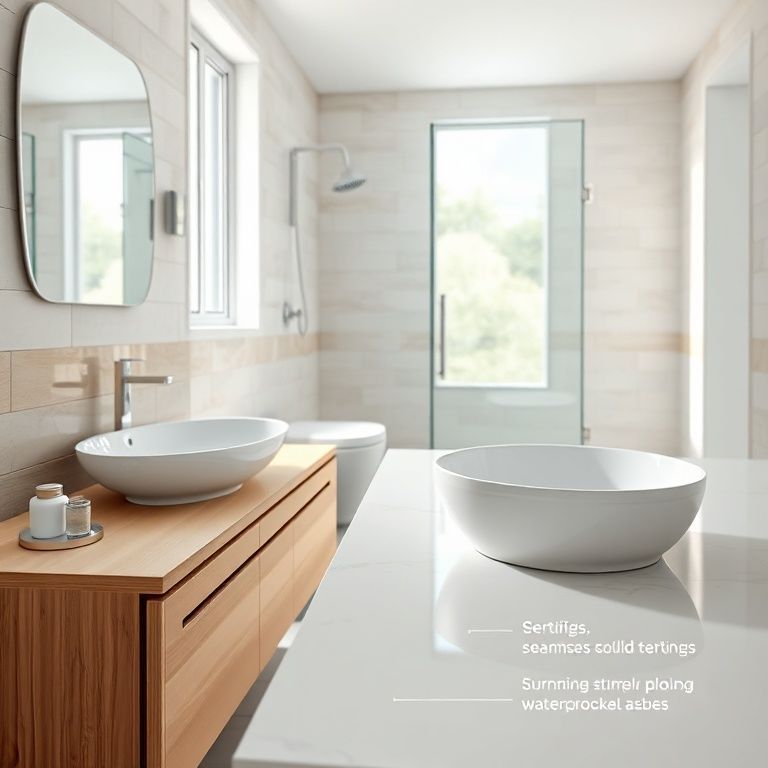
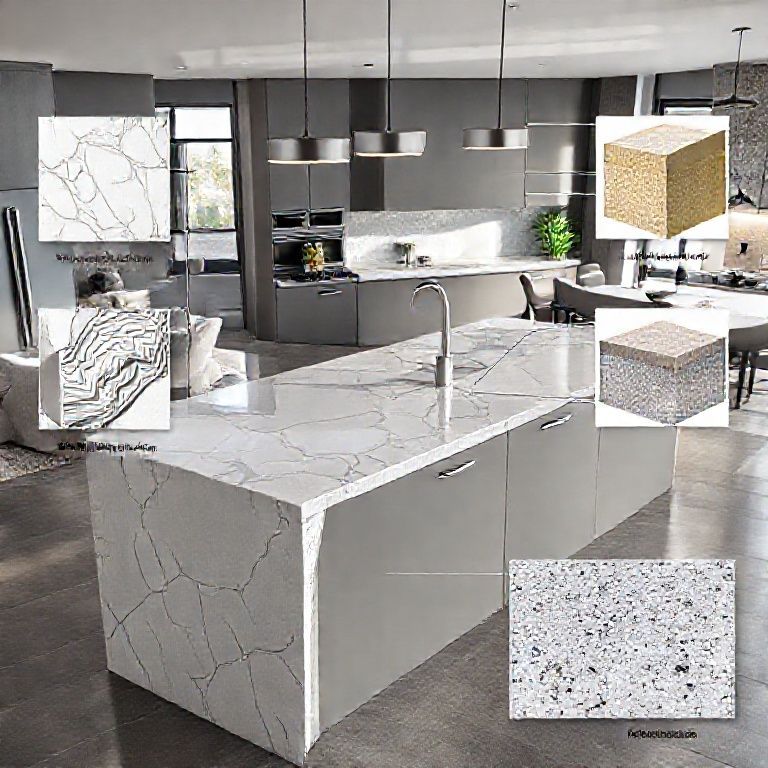
Discover the ultimate guide on how to address yellowing on artificial stone countertops. From the causes to the most effective solutions, learn everything you need to know to restore the pristine beauty of your kitchen and bathroom spaces. This comprehensive article will help you keep your artificial stone surfaces looking fresh and vibrant.
artificial stone countertops, yellowing, cleaning, maintenance, restoration, kitchen, bathroom, surface care, discoloration, cleaning solutions, natural remedies
Understanding the Causes and Initial Solutions
How to Tackle Yellowing on Artificial Stone Countertops
Artificial stone countertops are popular for their durability, low maintenance, and aesthetic appeal. However, over time, they may develop a yellow tint, which can detract from their pristine appearance. This discoloration can occur due to various factors, and understanding these causes is the first step towards effective remediation.
Causes of Yellowing
Moisture and Water Spills: One of the primary reasons artificial stone countertops yellow is due to water and moisture exposure. Spilled liquids, especially those containing acids like citrus juice or coffee, can seep into the stone and cause discoloration.
Soap and Cleaning Products: Soap residues and certain cleaning products contain chemicals that can leave a yellowish film on the stone. Over time, this film accumulates and leads to yellowing.
Cooking Oils and Grease: Oil spills and grease splatters, especially in kitchen countertops, can seep into the stone and create stubborn yellow stains.
Natural Light: Prolonged exposure to natural light can also cause artificial stone to yellow, as UV rays break down the stone’s color.
Aging: Just like natural stone, artificial stone can lose its luster over time due to wear and tear, leading to a yellowing effect.
Initial Cleaning Solutions
Once you’ve identified the cause of yellowing, it’s essential to address the issue promptly to prevent further damage. Here are some initial steps to tackle the yellowing:
Basic Cleaning: Start with a gentle cleaning using a soft cloth and a mild dish soap solution. Avoid abrasive cleaners or sponges that can scratch the surface.
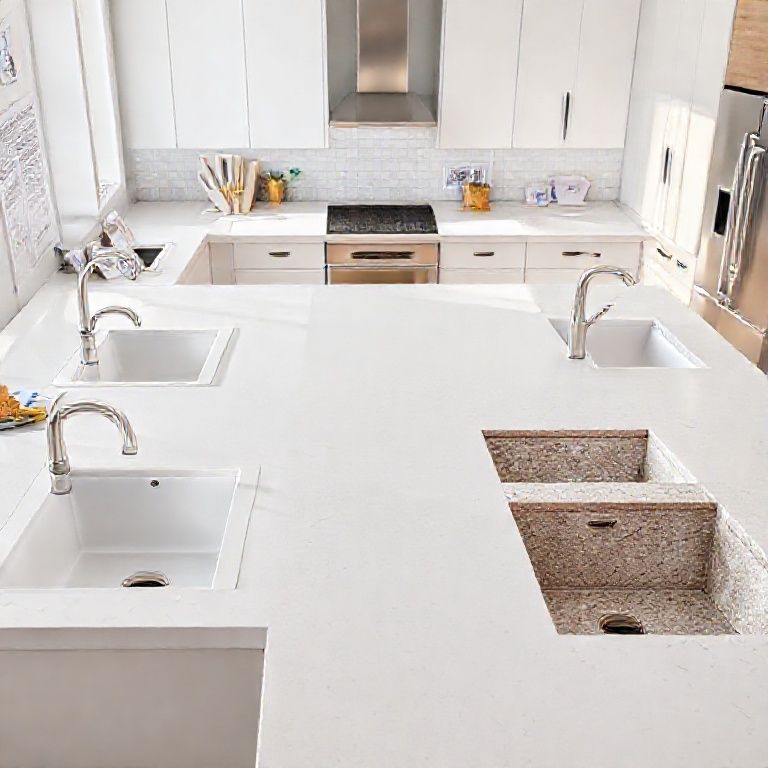
Baking Soda Paste: Mix baking soda with water to form a paste and apply it to the yellowed area. Let it sit for a few minutes before wiping it off with a damp cloth. Baking soda is mild and effective in removing light stains.
Vinegar Solution: Vinegar is an excellent natural cleaner that can help remove residues and restore the shine. Mix equal parts of vinegar and water, apply it to the affected area, and let it sit for a few minutes before wiping clean.
Dish Soap and Baking Soda: Combine dish soap with baking soda to form a paste and apply it to the yellowed spots. Let it sit for a few minutes before scrubbing gently and rinsing off.
Commercial Cleaners: If the yellowing persists, consider using a commercial cleaner specifically designed for artificial stone. Follow the manufacturer’s instructions carefully to avoid damaging the surface.
Preventative Measures
To prevent future yellowing, consider the following tips:
Use Coasters and Placemats: Always use coasters under glasses and placemats under hot dishes to prevent direct contact with the countertop.
Immediate Cleanup: Clean up spills immediately to prevent liquids from seeping into the stone.
Use Soft Cloths: Always use soft, non-abrasive cloths to clean the surface.
Avoid Harsh Chemicals: Steer clear of harsh cleaning products and opt for mild, non-abrasive cleaners.
Regular Maintenance: Regular cleaning and maintenance can help keep your artificial stone countertops looking their best.
Conclusion
Addressing yellowing on artificial stone countertops doesn’t have to be a daunting task. By understanding the causes and employing simple, effective cleaning solutions, you can restore your countertops to their original beauty. In the next part, we will delve deeper into advanced cleaning techniques and professional restoration methods for those stubborn stains.
Advanced Cleaning Techniques and Professional Restoration
How to Tackle Yellowing on Artificial Stone Countertops
By now, you’ve tackled the initial cleaning and basic maintenance steps for your artificial stone countertops. However, some yellow stains may still linger, requiring more advanced cleaning techniques or even professional restoration. Here’s a comprehensive guide on how to deal with those stubborn stains and bring back the vibrant appearance of your artificial stone surfaces.
Advanced Cleaning Techniques
Hydrogen Peroxide: Hydrogen peroxide is a powerful yet safe bleaching agent that can effectively remove stubborn yellow stains. Mix equal parts of hydrogen peroxide and water, apply it to the affected area, and let it sit for a few minutes before wiping off with a clean cloth.
Bleach Solution: For tougher stains, a bleach solution can be effective. Mix one part bleach with ten parts water. Apply it to the yellowed area with a cloth, let it sit for a few minutes, and then wipe off with a clean cloth. Always test a small, inconspicuous area first to ensure it doesn’t damage the stone.
Lemon Juice: Lemon juice contains citric acid, which can help lift stains. Squeeze fresh lemon juice onto the yellowed area and let it sit for a few minutes before wiping it off with a damp cloth.
Oxygen Bleach: Oxygen bleach is a gentler alternative to hydrogen peroxide and bleach. Mix one part oxygen bleach with two parts water, apply it to the stained area, and let it sit for a few minutes before rinsing off with clean water.
Commercial Stain Removers: There are several commercial stain removers specifically designed for stone surfaces. These products often contain a blend of natural and chemical ingredients that can effectively remove stubborn stains.
Professional Restoration Methods
For those who prefer to leave the restoration to professionals, there are several options available:
Stone Polishing: Professional stone polishing involves using a machine with a polishing head to remove the top layer of the stone and buff it to a smooth, shiny surface. This method is particularly effective for even the most stubborn yellow stains.
Stone Coating: Applying a protective stone coating can not only restore the original color but also provide an additional layer of protection against future stains and scratches. The coating is typically applied using a machine that sprays a fine mist of the coating onto the surface.
Laser Cleaning: Laser cleaning uses a high-powered laser to precisely remove stains without damaging the stone surface. This method is highly effective for removing tough, deep-set stains and can restore the stone to its original color and shine.
Maintenance Tips for Long-Term Care
To ensure that your artificial stone countertops remain beautiful and stain-free, follow these long-term care tips:
Regular Cleaning: Regular cleaning with mild, non-abrasive cleaners will help prevent stains and maintain the surface’s appearance.
Avoiding Heat: Avoid placing hot pots or pans directly on the countertop. Use trivets or pot holders to protect the surface.
Immediate Cleanup: Clean up spills and stains immediately to prevent them from setting into the stone.
Use Coasters and Placemats: Always use coasters under glasses and placemats under hot dishes to protect the surface from heat and spills.
Avoid Chemical Exposure: Limit the use of harsh chemicals and opt for mild, non-abrasive cleaning products.
Conclusion
Yellowing on artificial stone countertops can be a challenging issue, but with the right knowledge and techniques, it can be effectively addressed. From basic cleaning methods to advanced professional restoration, there are numerous ways to tackle this problem. By understanding the causes and employing the right cleaning solutions, you can restore your countertops to their original beauty and ensure they remain stain-free for years to come.
Remember, maintaining your artificial stone countertops requires regular care and attention, but the results are well worth the effort. Whether you choose to tackle the yellowing yourself or opt for professional help, your kitchen and bathroom spaces will look vibrant and fresh once more.