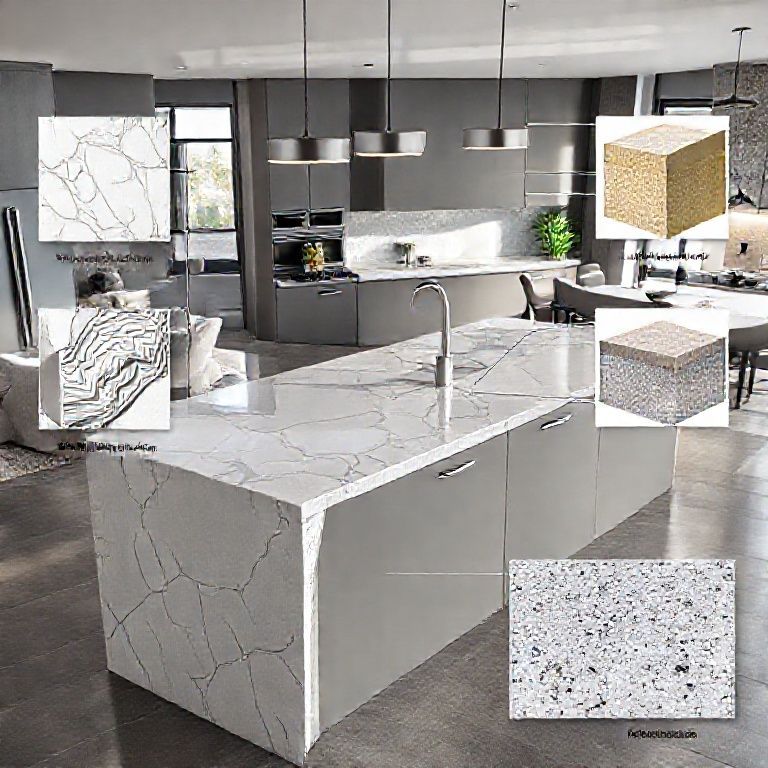
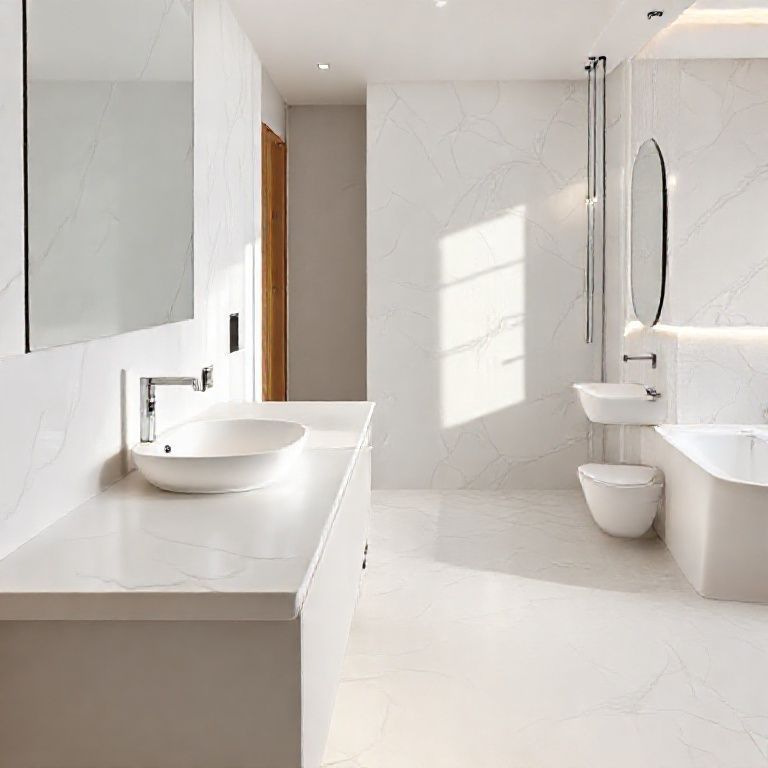
Discover the secrets to reviving your artificial stone countertops from yellowing with our detailed, easy-to-follow video guide. Learn step-by-step solutions to restore the pristine look of your kitchen or bathroom. Ideal for homeowners, renters, and DIY enthusiasts, this guide provides practical tips and techniques to keep your countertops looking fresh and vibrant.
artificial stone countertops, yellowing stone countertops, restore stone countertops, kitchen countertop maintenance, bathroom countertop care, DIY countertop cleaning, countertop cleaning solutions, stone countertop restoration, yellowing countertop fix, countertop care tips
Introduction to Artificial Stone Countertops and Yellowing Issues
Artificial stone countertops have become a popular choice for kitchens and bathrooms due to their durability, low maintenance, and aesthetic appeal. These countertops are typically made from a blend of minerals, pigments, and resins, designed to mimic the look of natural stone. Despite their high quality, artificial stone can sometimes suffer from yellowing—a common issue caused by exposure to various elements such as cooking spills, cleaning agents, and even sunlight.
Yellowing can detract from the beauty of your countertops, making your kitchen or bathroom look less pristine. However, don’t worry! This comprehensive video guide will walk you through practical, step-by-step solutions to tackle and restore the original, vibrant look of your artificial stone countertops.
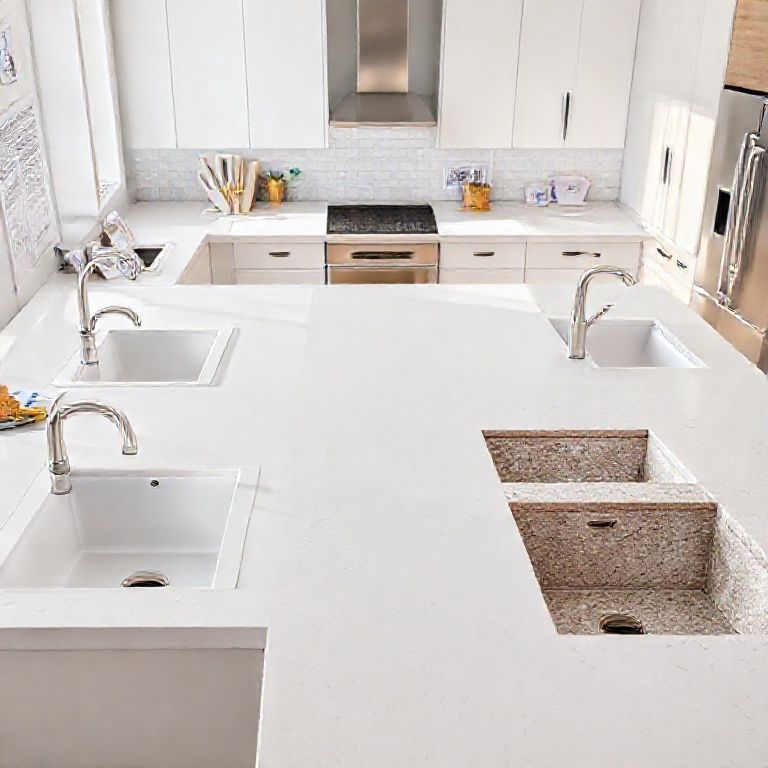
Understanding the Causes of Yellowing
Before diving into the solutions, it’s crucial to understand what causes yellowing on artificial stone countertops:
Cooking Spills: Grease and oil spills from cooking can penetrate the surface of the stone, leading to yellow stains.
Cleaning Agents: Some cleaning products contain harsh chemicals that can break down the stone’s surface, causing discoloration.
Sunlight: Prolonged exposure to UV rays can cause the pigments in the stone to fade and the surface to yellow.
Food and Beverage Spills: Coffee, tea, and other acidic or sugary substances can stain the stone over time.
By understanding these causes, you can better prevent yellowing and take appropriate action when it does occur.

Initial Steps in Cleaning Artificial Stone Countertops
The first step in addressing yellowing is a thorough cleaning. Here’s how to prepare your countertop for restoration:
Turn Off Appliances: If the yellowing is around an appliance like a stove or sink, ensure it’s turned off to avoid any potential heat damage.
Gather Supplies: You’ll need a soft cloth, a gentle dish soap, warm water, and a soft-bristled brush.
Test a Small Area: Before applying any cleaning solution to the entire surface, test it on a small, inconspicuous area to ensure it doesn’t damage or further stain the stone.
Clean the Surface: Mix a small amount of dish soap with warm water and gently scrub the affected area with a soft cloth or brush. Pay special attention to the edges and corners where spills often accumulate.
Deep Cleaning Techniques
If the initial cleaning doesn’t suffice, it’s time to use a more intensive method. Here are some deep cleaning techniques that can help restore the color of your artificial stone countertops:
Commercial Stone Cleaners: There are several commercial cleaners specifically designed for artificial stone. Follow the manufacturer’s instructions carefully.
Baking Soda Paste: Create a paste using baking soda and water. Apply it to the yellowed areas and let it sit for 15-20 minutes before scrubbing gently with a soft-bristled brush. Rinse thoroughly with warm water.
Hydrogen Peroxide Solution: For stubborn stains, mix equal parts hydrogen peroxide and water. Apply the solution to the affected area and let it sit for a few minutes before scrubbing gently and rinsing.
Vinegar and Water Solution: Mix equal parts white vinegar and water. Apply this solution to the yellowed areas, let it sit for 10 minutes, then scrub gently and rinse thoroughly.
Preventive Measures for Future Maintenance
Preventing yellowing is always better than trying to fix it. Here are some tips to keep your artificial stone countertops looking pristine:
Use Coasters and Placemats: Protect your countertops from spills and stains by using coasters under glasses and placemats under plates.
Immediate Cleaning: Clean spills immediately to prevent them from setting in and causing stains.
Avoid Harsh Chemicals: Use mild, non-abrasive cleaning products to avoid damaging the stone’s surface.
Regular Maintenance: Regularly clean your countertops with a gentle soap and water solution to keep them looking fresh.
UV Protection: If your countertops are exposed to direct sunlight, consider using UV-protective window films or placing curtains to minimize UV exposure.
Conclusion
Yellowing on artificial stone countertops can be a frustrating issue, but with the right cleaning techniques and preventive measures, it’s entirely manageable. By following the detailed steps outlined in our video guide, you can restore your countertops to their original, vibrant look. Remember to always clean promptly, use mild cleaning agents, and take preventive measures to keep your countertops looking their best.
Stay tuned for the second part of our guide, where we’ll delve into more advanced techniques and additional tips to ensure your artificial stone countertops remain beautiful and stain-free.
Advanced Restoration Techniques for Artificial Stone Countertops
Welcome back to the second part of our comprehensive video guide on tackling yellowing on your artificial stone countertops. In this section, we’ll explore advanced restoration techniques and additional tips to ensure your countertops look pristine and maintain their vibrant appearance over time.
Advanced Cleaning Solutions
If the basic cleaning methods didn’t fully address the yellowing issue, don’t worry—there are more potent solutions you can try. Here’s a closer look at some advanced cleaning techniques:
Professional Stone Cleaners: There are specialized cleaners available that are formulated to tackle tough stains and discoloration on artificial stone. Always follow the manufacturer’s instructions to avoid damaging the surface.
Bleach Solution: For particularly stubborn stains, a diluted bleach solution can be effective. Mix one part bleach with three parts water, apply it to the stained area, let it sit for a few minutes, then scrub gently and rinse thoroughly. Caution: Test this solution on a small area first to ensure it doesn’t damage the stone.
Citric Acid: Citric acid is a natural, non-toxic alternative that can help remove stains and restore color. Mix equal parts citric acid and water, apply it to the yellowed area, let it sit for a few minutes, then scrub gently and rinse.
Professional Restoration Services: If home remedies haven’t worked, consider hiring a professional stone restoration service. They have the expertise and equipment to safely and effectively restore your countertops.
Natural Remedies and DIY Restoration
For those who prefer natural solutions, here are some DIY options that are safe and effective:
Lemon Juice and Salt: Create a paste using lemon juice and salt. Apply it to the stained areas, let it sit for 15-20 minutes, then scrub gently and rinse. The acidity of the lemon juice helps break down stains, while the salt acts as an abrasive to scrub away discoloration.
Olive Oil and Baking Soda: Mix olive oil and baking soda to create a paste. Apply it to the yellowed areas, let it sit for 15-20 minutes, then scrub gently and rinse. Olive oil can help to break down stains, while baking soda provides mild abrasive action.
Cornstarch and Vinegar: Mix cornstarch and vinegar to form a paste. Apply it to the affected areas, let it sit for 15-20 minutes, then scrub gently and rinse. This mixture can help lift stains and restore the stone’s color.
Specialized Equipment and Tools
To tackle severe yellowing, you might need specialized equipment:
Power Scrubbers: A power scrubber with a stone-specific attachment can help remove deep stains and restore the surface. Use it gently to avoid scratching the stone.
Stone Polishers: For a professional finish, a stone polisher can help remove discoloration and restore the countertop’s shine. Follow the manufacturer’s instructions carefully.
Microfiber Cloths: Use microfiber cloths for cleaning to avoid scratches. They’re effective at trapping dirt and grime without damaging the stone surface.
Maintenance Tips for Long-Term Prevention
Prevention is always better than cure. Here are some long-term maintenance tips to keep your artificial stone countertops looking pristine:
Regular Cleaning: Make it a habit to clean your countertops regularly with a mild soap and water solution. This will help prevent stains from setting in.
Avoiding Heat: Avoid placing hot pots, pans, or appliances directly on the stone surface. Use trivets or heat-resistant pads to protect the countertop.
Using Cutting Boards: Always use cutting boards when preparing food to prevent direct contact between food and the countertop, which can cause stains.
Sealing the Surface: Although artificial stone doesn’t require sealing like natural stone, it’s still a good idea to periodically apply a protective sealant to maintain the surface’s integrity and enhance its appearance.
Regular Inspection: Regularly inspect your countertops for any signs of wear, scratches, or discoloration. Addressing small issues early can prevent them from becoming more significant problems.
Conclusion
保养和维护技巧
日常清洁: 使用温和的清洁剂:每天使用温和的肥皂和温水清洁台面,避免使用含有强酸、强碱或研磨性物质的清洁剂。 立即清理溢出物:避免溢出物长时间停留在台面上,以防止渗透和污染。 使用微纤维布:清洁后用干净的微纤维布擦拭台面,避免留下水渍和水斑。
处理污渍和损伤: 油污和餐污:用温水和中性洗涤剂立即清理,避免油污长时间停留。 饮料溅洒:迅速用干净的布擦拭干净,防止饮料渗入表面。 划痕和损伤:虽然人造石的耐用性强,但仍需谨慎使用钢化玻璃或其他硬物,以避免划伤。 定期保养: 石英石台面:建议每年进行一次专业清洁和保养,以保持其光泽和防污性能。
石材抛光:专业人员可以使用专门的抛光工具和化学品对台面进行抛光,以恢复其光泽和防污性能。
使用和保护技巧
厨房台面: 使用切菜板:在人造石台面上切菜时,使用木质或竹制切菜板,以避免划伤台面。 避免直接加热:不要在台面上直接加热食物,以防止温度变化导致裂缝。 办公室台面: 避免重物摆放:在台面上不要放置重物,以免压损或划伤表面。 定期清洁:保持台面的清洁,避免积累灰尘和污垢。
避免化学品: 不要在台面上使用化学清洁剂:尽量使用温水和中性清洁剂,避免使用含有酸、碱或研磨性的清洁剂。
环境适应
防止阳光直射: 遮阳措施:如果台面长期暴露在阳光下,建议采取遮阳措施,以防止紫外线导致的褪色和损伤。 防潮防湿: 保持干燥:避免在潮湿环境下使用人造石台面,防止长期湿气导致的表面损伤。
通过以上的保养和维护技巧,可以有效延长人造石台面的使用寿命,保持其美观和功能性。如果有任何特定的问题或需要更详细的建议,欢迎随时提问。