How to Whiten Yellowed Artificial Stone Countertops: The Ultimate Guide
Artificial stone countertops have become increasingly popular due to their durability, easy maintenance, and aesthetic appeal. However, over time, these countertops can yellow due to various factors such as exposure to heat, grease, and spills. Don’t worry! This guide will walk you through the best methods and natural remedies to effectively whiten your yellowed artificial stone countertops.
Understanding the Problem
Before diving into the cleaning methods, it’s important to understand why artificial stone countertops turn yellow. Common culprits include:
Heat: Cooking and heating elements can cause discoloration. Grease and Oil: Cooking spills and oil stains can penetrate the surface. Stains: Spills from coffee, tea, and other liquids can lead to yellowing. Acidic Foods: Foods like citrus can react with the stone and cause discoloration.
Knowing these factors can help you prevent future yellowing and understand the best cleaning methods for effective whitening.
Effective Cleaning Methods
Baking Soda and Vinegar
Baking soda and vinegar are powerful, natural cleaners that can effectively remove yellow stains. Here’s how to use them:
Materials: Baking soda Vinegar Soft cloths Steps: Sprinkle baking soda over the yellowed areas. Pour vinegar over the baking soda, creating a fizzy reaction. Let the mixture sit for a few minutes. Use a soft cloth to scrub the area gently. Rinse with water and dry with a clean cloth.
This method is gentle yet effective, breaking down the stains without damaging the stone.
Hydrogen Peroxide
Hydrogen peroxide is a powerful bleaching agent that can whiten yellowed surfaces:
Materials: Hydrogen peroxide (3% solution) Soft cloths Steps: Apply a small amount of hydrogen peroxide directly to the yellowed area. Let it sit for a few minutes. Gently scrub with a soft cloth. Rinse with water and dry thoroughly.
Hydrogen peroxide is particularly effective for removing stubborn stains but should be used cautiously to avoid over-bleaching.
Commercial Cleaners
There are several commercial cleaners designed specifically for artificial stone countertops. These products are formulated to clean and restore the stone’s appearance:
Materials: Commercial stone cleaner Soft cloths Steps: Follow the manufacturer’s instructions for application. Apply the cleaner to the yellowed area. Let it sit as directed. Wipe clean with a soft cloth. Rinse and dry the surface.
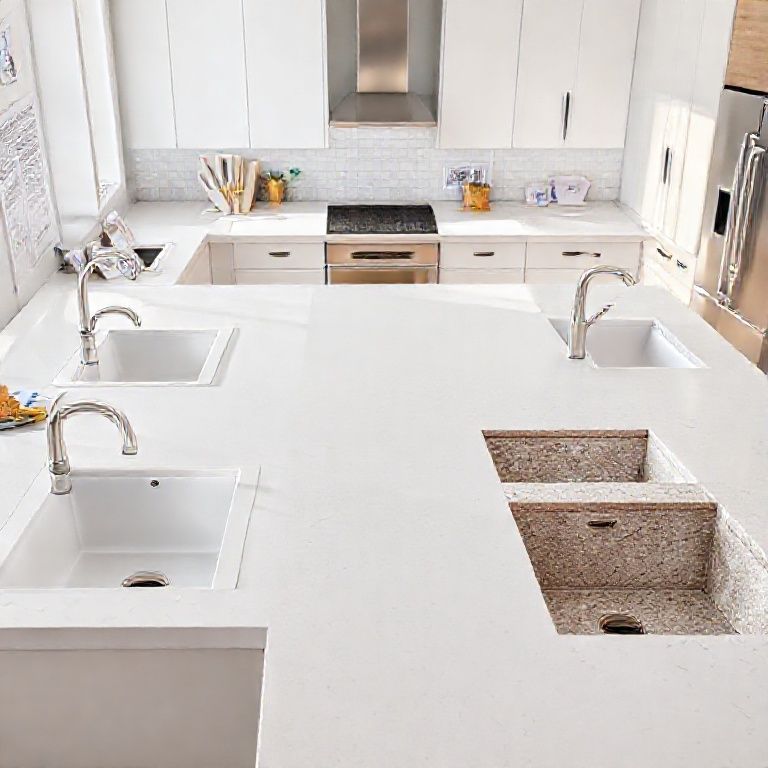
Always choose a cleaner that is safe for artificial stone to avoid damaging the countertop.
Lemon Juice
Lemon juice contains natural bleaching properties that can help whiten yellowed stone:
Materials: Fresh lemons Soft cloths Steps: Cut a lemon and rub the cut side over the yellowed areas. Let it sit for a few minutes. Rinse with water and dry with a clean cloth.
This method is gentle and uses natural ingredients to achieve the desired whitening effect.
Preventive Measures
To prevent future yellowing of your artificial stone countertops, consider the following preventive measures:
Use Coasters and Trivets: Protect your countertops from heat by using coasters and trivets. Wipe Spills Immediately: Clean up spills immediately to prevent stains. Use Cutting Boards: Use cutting boards to avoid direct contact with the countertop. Avoid Acidic Foods: Place acidic foods in containers when cutting or preparing them.
By following these preventive measures, you can maintain the pristine appearance of your artificial stone countertops.
How to Whiten Yellowed Artificial Stone Countertops: The Ultimate Guide
In the previous part, we explored various cleaning methods and preventive measures to tackle yellowed artificial stone countertops. Now, we’ll dive deeper into more advanced techniques and tips to ensure your countertops look as good as new.
Advanced Cleaning Techniques
Powdered Cleaners
Powdered cleaners are highly effective for deep cleaning artificial stone surfaces:
Materials: Powdered stone cleaner Soft cloths Steps: Sprinkle the powdered cleaner onto the yellowed areas. Gently scrub with a soft cloth. Rinse with water and dry thoroughly.
These cleaners often contain abrasive particles that can remove tough stains without scratching the stone.
Baking Soda Paste
For stubborn stains, a baking soda paste can be very effective:
Materials: Baking soda Water Soft cloths Steps: Mix baking soda with water to form a paste. Apply the paste to the stained areas. Let it sit for a few minutes. Scrub gently with a soft cloth. Rinse and dry the surface.
This method is particularly useful for removing deep-seated stains.
Ultrasonic Cleaners
Ultrasonic cleaners use high-frequency sound waves to clean surfaces thoroughly:
Materials: Ultrasonic cleaner Stone cleaner solution Steps: Fill the ultrasonic cleaner with the stone cleaner solution. Place the countertop in the cleaner. Run the cleaner for the recommended time. Rinse and dry the surface.
Ultrasonic cleaners are excellent for detailed cleaning but may not be readily available for home use.
Chemical Strippers
For severe yellowing, chemical strippers can be used to remove the surface layer and restore the stone’s appearance:
Materials: Chemical stripper Protective gloves Soft cloths Steps: Follow the manufacturer’s instructions for application. Apply the stripper to the yellowed area. Let it sit as directed. Wipe clean with a soft cloth. Rinse and dry thoroughly.
Chemical strippers should be used with caution due to their strong chemical nature.
Professional Cleaning Services
If home methods do not yield satisfactory results, consider hiring a professional cleaning service:
Benefits: Expertise: Professionals have specialized tools and techniques. Safety: They handle chemicals safely to avoid damage. Effectiveness: They can restore the countertop to its original appearance.
When choosing a professional service, ensure they specialize in artificial stone cleaning to achieve the best results.
Long-Term Maintenance Tips
To keep your artificial stone countertops looking pristine, follow these long-term maintenance tips:
Regular Cleaning
Regular cleaning prevents stains from setting in:
Frequency: Clean daily with a mild soap and water solution. Method: Use a soft cloth to wipe down the surface.
Regular maintenance is key to preventing yellowing.
Use Protective Covers
Protect your countertops from spills and stains:
Cutting Boards: Always use cutting boards. Pot Holders: Use pot holders for hot items. Coasters: Place coasters under mugs and glasses.
Protective covers help prevent direct contact that can lead to staining.
Avoid Harsh Chemicals
Harsh chemicals can damage the stone surface:
Avoid: Bleach, ammonia, and strong acids. Safe Options: Use mild soap and water or specialized stone cleaners.
Choosing safe cleaning products ensures the longevity of your countertops.
Proper Ventilation
Good ventilation can prevent yellowing caused by moisture:
Cooktops: Use exhaust fans to remove steam and grease. Storage: Keep your kitchen well-ventilated to reduce moisture.
Proper ventilation helps maintain the stone’s surface and prevents yellowing.
Final Thoughts
Maintaining the beauty and longevity of your artificial stone countertops requires regular care and attention. By following the cleaning methods and preventive measures outlined in this guide, you can keep your countertops looking fresh and new. Whether you opt for natural remedies or professional cleaning services, the key is consistency and proper care.
With these tips, you’ll ensure that your artificial stone countertops remain a stunning focal point in your kitchen or bathroom, free from yellowing and stains. Happy cleaning!