Is 84 Disinfectant Safe for Cleaning Kitchen Marble? A Comprehensive Guide
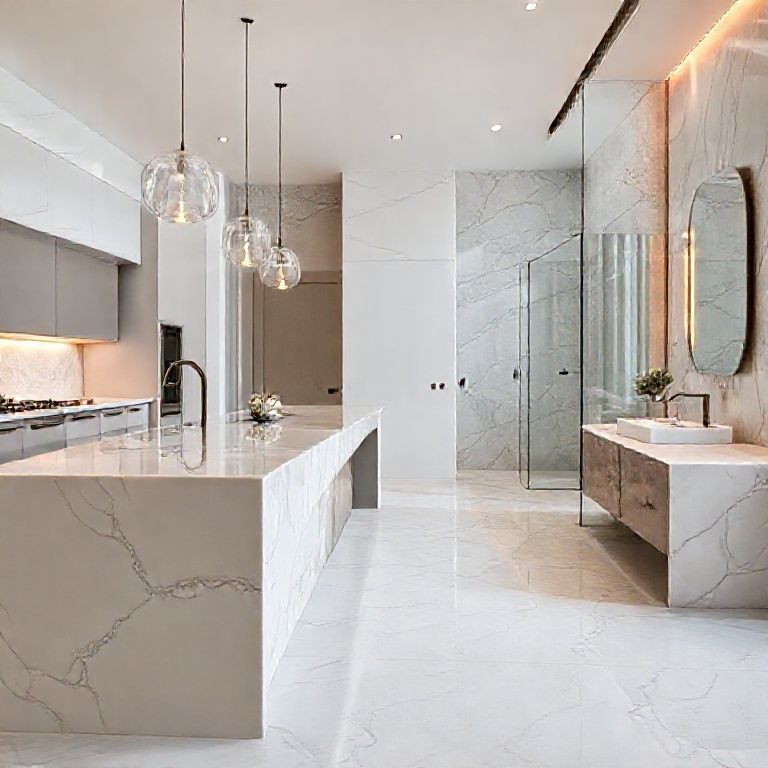
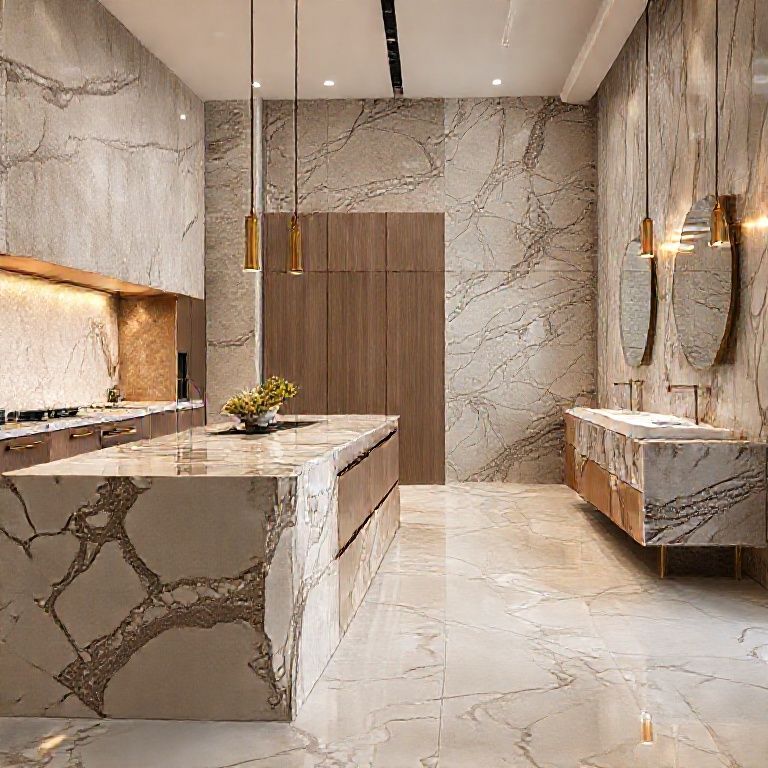
When it comes to maintaining the pristine condition of your kitchen surfaces, one of the most frequently asked questions is whether a commonly used disinfectant like 84 Disinfectant is safe for use on marble. Marble, with its beautiful aesthetic appeal, is a popular choice for kitchen countertops due to its elegance and durability. However, the challenge lies in ensuring that the cleaning agents used do not compromise the integrity of this luxurious stone. In this part of our guide, we will explore the composition of 84 Disinfectant, its effectiveness in sanitization, and the potential risks and benefits of using it on marble.
The Composition of 84 Disinfectant
84 Disinfectant is a widely used household cleaner known for its potent antimicrobial properties. It contains a blend of active ingredients, including alkyl dimethyl benzyl ammonium chloride and other cleansing agents. These components work synergistically to kill a broad spectrum of bacteria, viruses, and fungi, making it an effective tool for disinfection.
Effectiveness in Sanitization
One of the main reasons 84 Disinfectant is favored is its proven effectiveness against harmful pathogens. It is capable of eliminating 99.9% of germs, which is crucial for maintaining a hygienic kitchen environment. For those who prioritize health and cleanliness, the ability of 84 Disinfectant to provide a thorough clean can be an attractive feature.
Potential Risks of Using 84 on Marble
Marble is a natural stone that is susceptible to acid etching, which can lead to discoloration and surface damage. The primary active ingredients in 84 Disinfectant, being acidic in nature, pose a significant risk when used on marble surfaces. The acids in the disinfectant can react with the calcium carbonate in the marble, causing irreversible damage over time.

Alternatives to 84 Disinfectant
Given the risks associated with using 84 Disinfectant on marble, it is essential to consider safer alternatives. Here are some options:
White Vinegar: Vinegar is a natural, non-toxic cleaner that is highly effective in killing bacteria and disinfecting surfaces. Its mild acidity makes it safe for use on marble.
Baking Soda: This versatile cleaning agent can be used to scrub away grime without harming marble. It is also excellent for deodorizing.

Commercial Marble Cleaners: There are numerous commercial products specifically designed for cleaning marble. These products are formulated to maintain the stone’s beauty without causing damage.
Conclusion
While 84 Disinfectant is effective in killing germs, its use on marble countertops is not recommended due to the potential for surface damage. To preserve the integrity and aesthetic appeal of your marble, it’s best to opt for safer, alternative cleaning methods. In the next part of this guide, we will delve deeper into the best practices for maintaining marble countertops and explore more eco-friendly and safe cleaning solutions.
Maintaining Kitchen Marble with Safe and Effective Cleaning Practices
In the previous segment, we discussed the risks associated with using 84 Disinfectant on marble and highlighted safer alternatives. Now, we will delve deeper into the best practices for maintaining kitchen marble countertops, focusing on safe, effective, and eco-friendly cleaning methods. This comprehensive guide aims to provide you with all the information you need to keep your marble pristine without compromising its integrity.

Understanding Marble Care
Marble is a beautiful yet delicate natural stone that requires specific care to maintain its luster and prevent damage. Unlike other stone types, marble is susceptible to acid etching, which can lead to discoloration and surface erosion. Therefore, understanding the nature of marble and how to properly care for it is crucial.
Best Practices for Cleaning Marble
Regular Cleaning Daily Cleaning: Use a soft, dry cloth to wipe down the marble surface daily. This removes food spills and prevents staining. Weekly Deep Cleaning: For a more thorough clean, a mixture of water and white vinegar (in a 1:1 ratio) can be used. Apply it to the marble with a soft cloth, and then rinse with clean water. Dry immediately to prevent water spots. Avoiding Harsh Chemicals Mild Detergents: When necessary to clean with soap, use a pH-neutral, marble-safe cleaner. Avoid harsh chemicals and detergents that contain acidic or abrasive components. Avoiding Citrus Juices: Juices from citrus fruits can act as acids and should be avoided on marble surfaces. Proper Storage Cutting Boards: Use wooden or plastic cutting boards instead of metal to avoid scratching the marble surface. Pot Lids: Always use pot lids to prevent splatters from reaching the marble. Immediate Stain Treatment Baking Soda Paste: For fresh spills or stains, make a paste of baking soda and water. Apply it to the stain, let it sit for a few minutes, and then gently scrub with a soft cloth. Rinse and dry immediately.
Eco-Friendly Cleaning Solutions
In recent years, there has been a growing emphasis on eco-friendly cleaning practices. Here are some sustainable options for maintaining your marble countertops:
Coconut Oil Benefits: Coconut oil is a natural, non-toxic cleaner that leaves a protective layer on marble surfaces, helping to prevent stains and scratches. Application: Apply a small amount of coconut oil with a soft cloth, and then buff it to a shine. Essential Oils Benefits: Essential oils like tea tree oil and lavender oil have natural antibacterial properties and leave a pleasant fragrance. Application: Mix a few drops of essential oil with water in a spray bottle and use it to clean the marble. Ensure that the mixture is diluted and safe for marble. Lemon Juice and Honey Benefits: Lemon juice’s acidity helps in cutting through grease, while honey provides a natural, protective coating. Application: Mix equal parts of lemon juice and honey, apply it to the marble, and let it sit for a few minutes before wiping clean.
Preventative Measures
Preventative care is key to maintaining the longevity of your marble countertops. Here are some additional tips:
Sealing the Marble Regular Sealing: Consider having your marble sealed every six to twelve months. A professional sealer creates a protective barrier that guards against stains and spills. Using Marble Coasters Protective Barriers: Place marble coasters under items that can cause damage, such as hot pots, glasses, and utensils. Avoiding Over-Cleaning Minimalist Approach: While it’s important to keep the marble clean, over-cleaning with harsh substances can cause more harm than good. Stick to regular, gentle cleaning.
Conclusion
Maintaining kitchen marble countertops requires a careful balance between cleanliness and preservation. While 84 Disinfectant is highly effective for disinfection, its acidic nature makes it unsuitable for marble surfaces. By adopting safer, eco-friendly cleaning methods, you can ensure that your marble remains beautiful and intact for years to come. Regular maintenance, proper storage, and immediate treatment of stains are essential practices for keeping your marble pristine. Follow these guidelines to enjoy the elegance of marble without the worry of damage.