The Composition and Potential Health Risks of Artificial Marble
Artificial marble, also known as artificial stone or synthetic stone, has surged in popularity due to its aesthetic appeal and cost-effectiveness. This material is composed primarily of natural stone powders such as calcite, quartz, and dolomite, which are combined with resins and other binding agents. While it offers a luxurious look similar to natural marble, it is crucial to examine whether artificial marble poses any toxic risks.
Understanding Artificial Marble
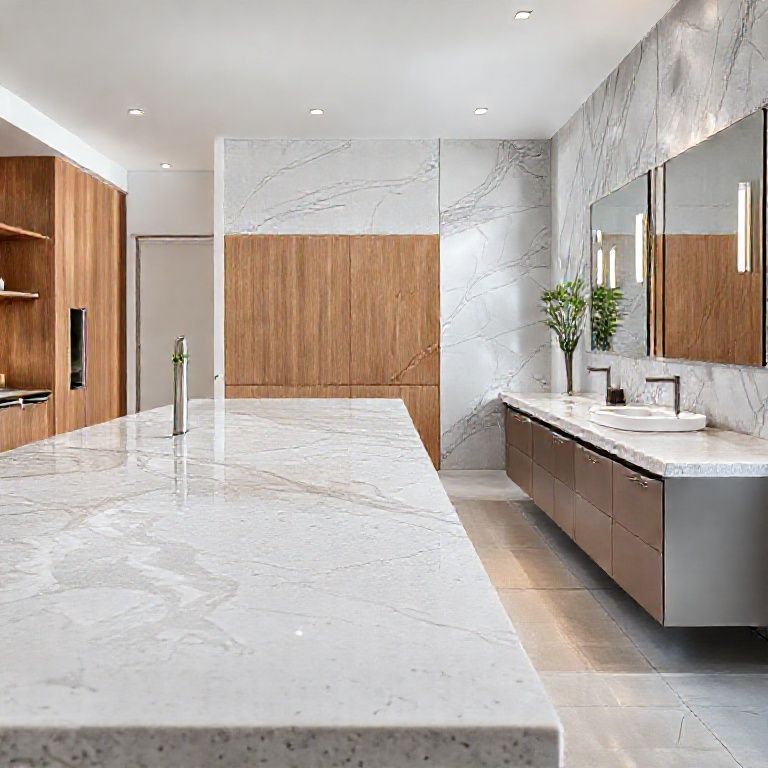
Artificial marble is engineered to mimic the appearance of traditional marble, but it differs significantly in its composition and manufacturing process. The primary ingredients include:
Stone Powders: Finely ground natural stone powders such as calcite, quartz, and dolomite. Resins: Polymers and synthetic resins that act as binding agents, giving the material its structural integrity. Colorants: Pigments that provide the vibrant colors and patterns found in natural marble.
Potential Health Risks
One of the primary concerns with artificial marble is its potential toxicity. The main focus here is on the resins used in its creation, particularly the resins containing Volatile Organic Compounds (VOCs). VOCs are emitted as gases from certain solids or liquids and can cause short- and long-term adverse health effects.
Key Concerns:
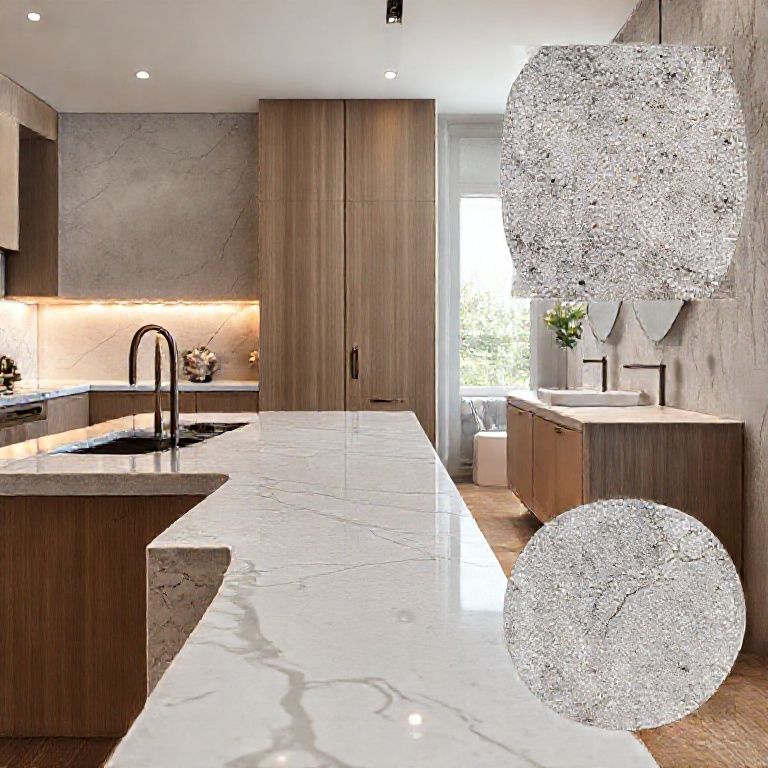
Resin Emissions: During the manufacturing process and even after installation, resins can emit VOCs. These compounds may include formaldehyde, styrene, and other chemicals that can lead to respiratory issues, headaches, and other health problems.
Formaldehyde: One of the most scrutinized compounds in this context is formaldehyde, which is used in the production of resins. Formaldehyde is a known carcinogen and can cause severe allergic reactions and respiratory problems.
Long-Term Exposure: Prolonged exposure to VOCs can lead to chronic health issues. While the risk may be relatively low in a well-ventilated environment, it remains a concern for individuals with pre-existing health conditions or those in close proximity to the material over extended periods.
Safety Standards and Regulations
Manufacturers of artificial marble adhere to various safety standards and regulations to mitigate these concerns. Standards such as ISO (International Organization for Standardization) and national regulations in different countries outline permissible levels of VOCs and other hazardous substances. It is essential to choose products that comply with these standards to minimize potential health risks.
Benefits of Artificial Marble
Despite the potential concerns, artificial marble offers several advantages that make it a popular choice for many:
Durability: Artificial marble is highly durable and resistant to scratches, stains, and scratches. Unlike natural marble, it does not require sealing to maintain its appearance.
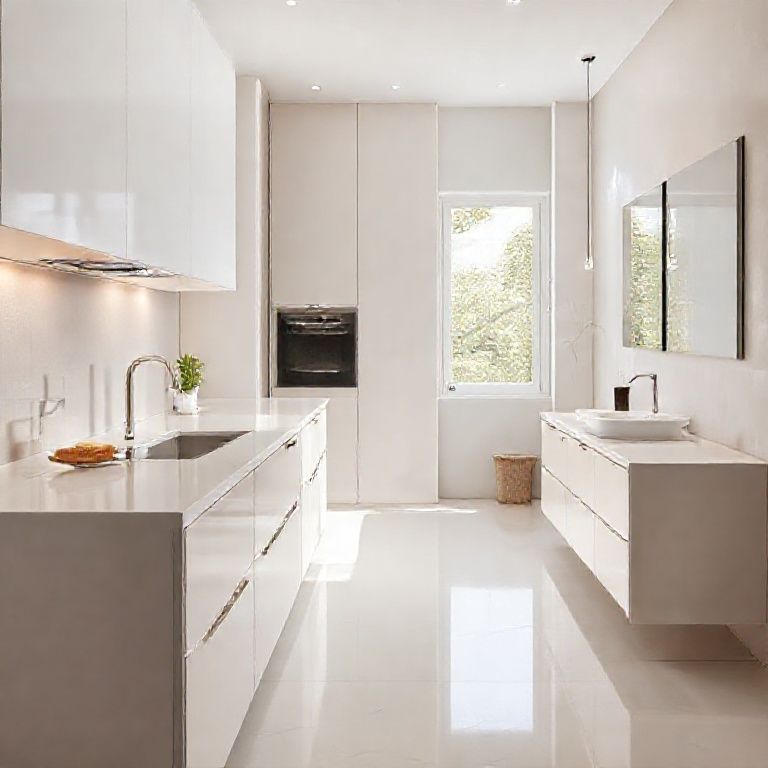
Cost-Effective: It is generally more affordable than natural marble, making it an accessible option for a wide range of budgets.
Variety of Designs: The material allows for an extensive range of colors and patterns, offering more design flexibility.
Low Maintenance: Artificial marble requires minimal upkeep. Cleaning it with mild soap and water is usually sufficient to maintain its pristine look.
Conclusion of Part 1
While artificial marble does have potential health risks associated with its resin content and VOC emissions, choosing high-quality, compliant products can mitigate these concerns. The benefits of artificial marble, such as durability, cost-effectiveness, and design flexibility, make it a compelling choice for many applications. In the next part, we will further explore the environmental impact, alternative materials, and how to ensure safe usage of artificial marble.
Environmental Impact, Alternatives, and Safe Usage of Artificial Marble
In the previous section, we discussed the composition and potential health risks of artificial marble. In this part, we will delve deeper into the environmental impact of this material, explore alternative materials, and provide guidelines on how to ensure its safe usage.
Environmental Impact of Artificial Marble
Artificial marble, like many synthetic materials, raises environmental concerns. The production process involves energy-intensive procedures and the use of potentially harmful chemicals. However, advancements in manufacturing technologies and materials science are helping to reduce these impacts.
Key Environmental Considerations:
Resource Consumption: The production of artificial marble relies on natural stone powders, which are finite resources. However, these materials are often sustainably sourced and recycled, reducing the overall environmental footprint.
Chemical Usage: The resins and other chemicals used in manufacturing can pose environmental hazards if not managed properly. Advances in green chemistry aim to develop more eco-friendly alternatives.
Waste Generation: Like many industrial processes, the production of artificial marble generates waste. Efforts to recycle and repurpose waste materials are ongoing.
Alternative Materials
Given the environmental and health concerns, some people may seek alternative materials for their projects. Here are a few options:
Natural Marble: While it offers a timeless elegance, natural marble has its own set of concerns, including its non-renewable nature and the environmental impact of quarrying.
Granite: Another natural stone, granite, is durable and aesthetically pleasing but also poses environmental and health concerns similar to natural marble.
Quartz Countertops: Made from 93% quartz, these are low in VOCs and highly durable. However, they can be more expensive than artificial marble and lack the variety of patterns and colors.
Stone Veneer: A thin layer of natural stone adhered to a substrate, stone veneer offers a natural look with less environmental impact. It is less durable than solid stone options but can be a more sustainable choice.
Ensuring Safe Usage of Artificial Marble
To maximize the benefits of artificial marble while minimizing potential health risks, follow these guidelines:
Choose High-Quality Products: Opt for products that comply with safety standards and have low VOC emissions. Look for certifications from reputable organizations.
Proper Ventilation: Ensure adequate ventilation during installation and after to allow VOCs to dissipate. This reduces the risk of exposure.
Follow Manufacturer Instructions: Adhere to the manufacturer’s guidelines for installation, cleaning, and maintenance to ensure the product’s longevity and safety.
Regular Cleaning: Keep the surface clean and free of contaminants to prevent the buildup of harmful substances.
Monitor Air Quality: Use air purifiers or open windows to maintain good indoor air quality, especially in small or enclosed spaces.
Conclusion of Part 2
Artificial marble, while offering numerous benefits such as durability and design flexibility, does come with potential health and environmental concerns. By choosing high-quality products, ensuring proper ventilation, and following best practices for usage and maintenance, these risks can be significantly mitigated. As the market continues to evolve, innovations in materials science will likely further enhance the safety and sustainability of artificial marble. For those looking for an alternative to traditional stone materials, it remains a viable and attractive option when used responsibly.