Understanding Quartz Countertops and Bleach
Introduction to Quartz Countertops
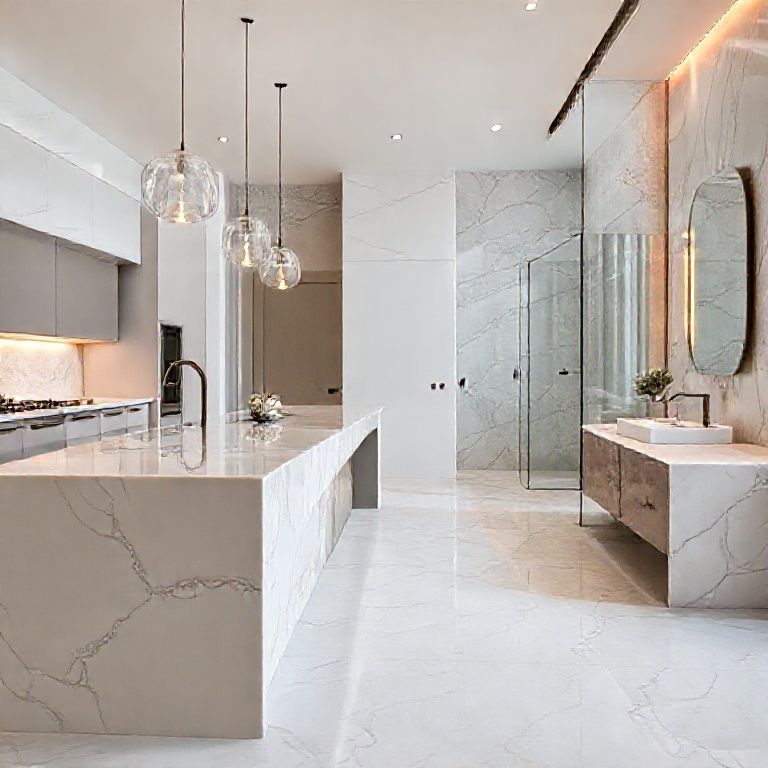
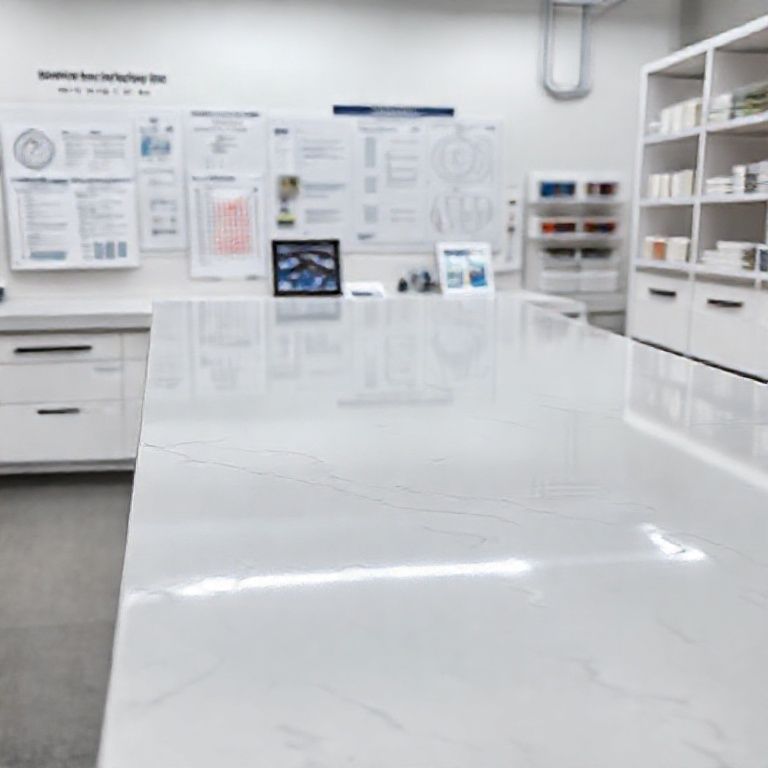
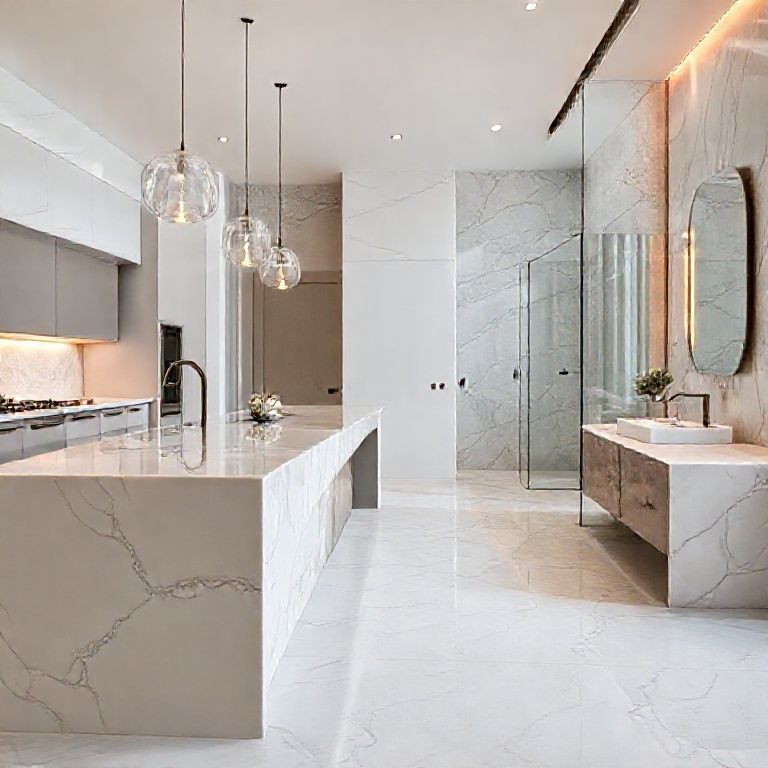
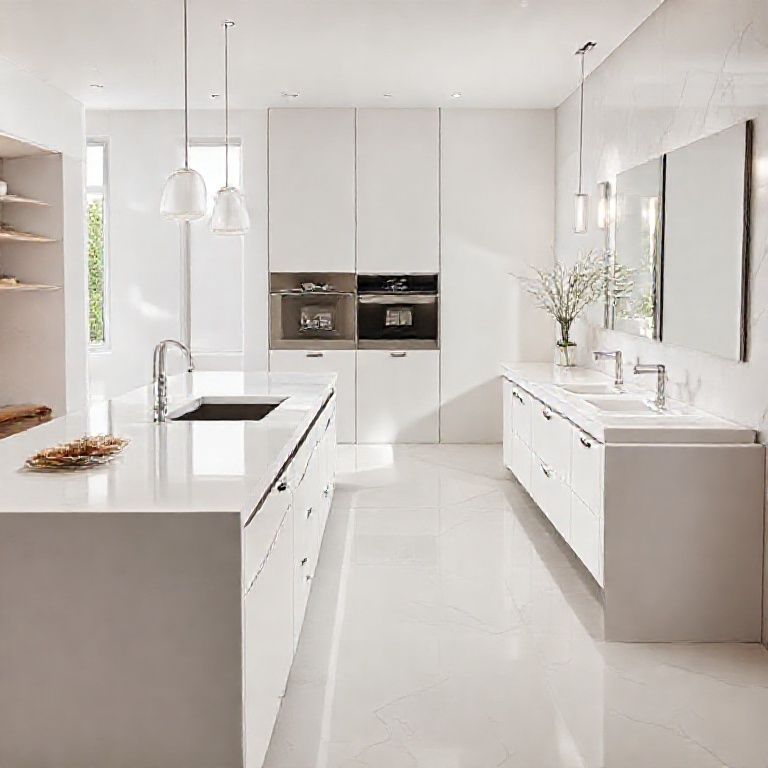
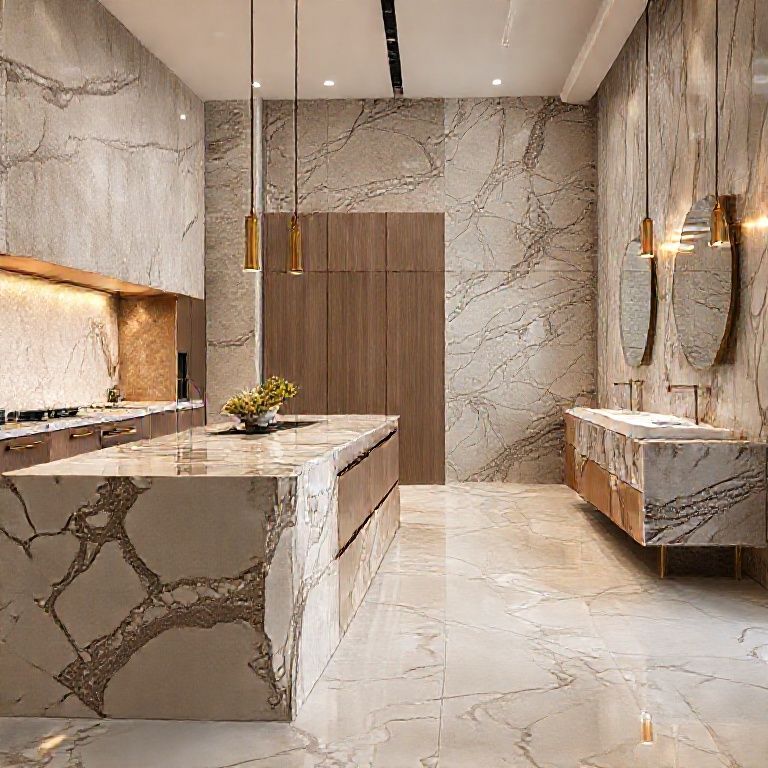
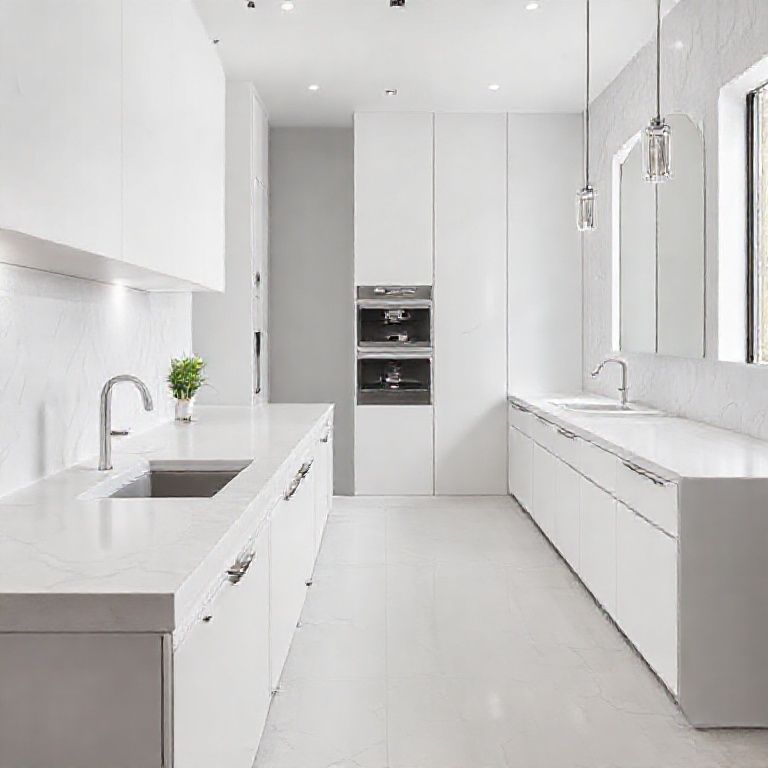
Quartz countertops have revolutionized modern kitchen design with their stunning aesthetic, durability, and low-maintenance nature. Manufactured by combining silica sand with a binder, quartz offers an impeccable surface that resists scratches, stains, and heat. These countertops are available in an array of colors and patterns, making them a versatile choice for any kitchen decor. However, despite their resilience, quartz surfaces require careful maintenance to preserve their pristine look and functionality.
The Role of Cleaning Agents
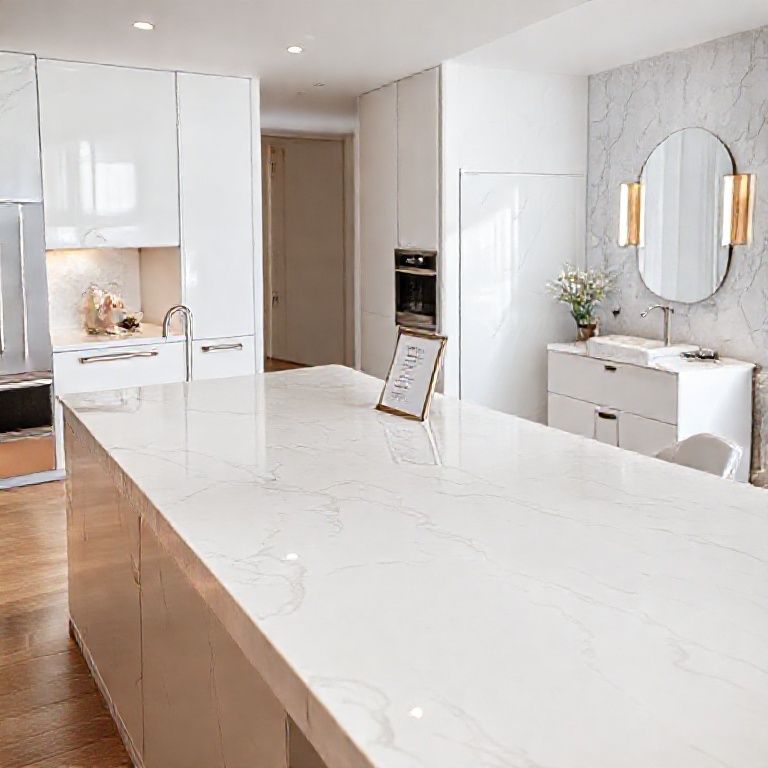
Maintaining the beauty and functionality of quartz countertops involves regular cleaning. While there are many cleaning products on the market, the question often arises: can bleach be used on quartz countertops? To answer this, we must delve into the properties of both quartz and bleach.
Bleach: A Powerful Disinfectant
Bleach, also known as sodium hypochlorite, is a potent disinfectant widely used for cleaning and sanitizing. It’s effective against a variety of bacteria, viruses, and mold. In homes, bleach is commonly used for disinfecting surfaces, cleaning bathrooms, and even as a laundry bleach. However, its effectiveness comes with a caveat—bleach is highly reactive and can cause damage to certain materials.
Bleach and Quartz: A Potentially Hazardous Combination
Quartz countertops are composed primarily of silica, which is also the main ingredient in bleach. When bleach comes into contact with quartz, it can react with the silica, leading to a chemical reaction that can cause the surface to deteriorate over time. This process can result in discoloration, etching, and even damage to the sealant that holds the quartz together. Therefore, using bleach on quartz countertops is not recommended by most manufacturers.
Risks of Using Bleach on Quartz
The risks of using bleach on quartz countertops include:
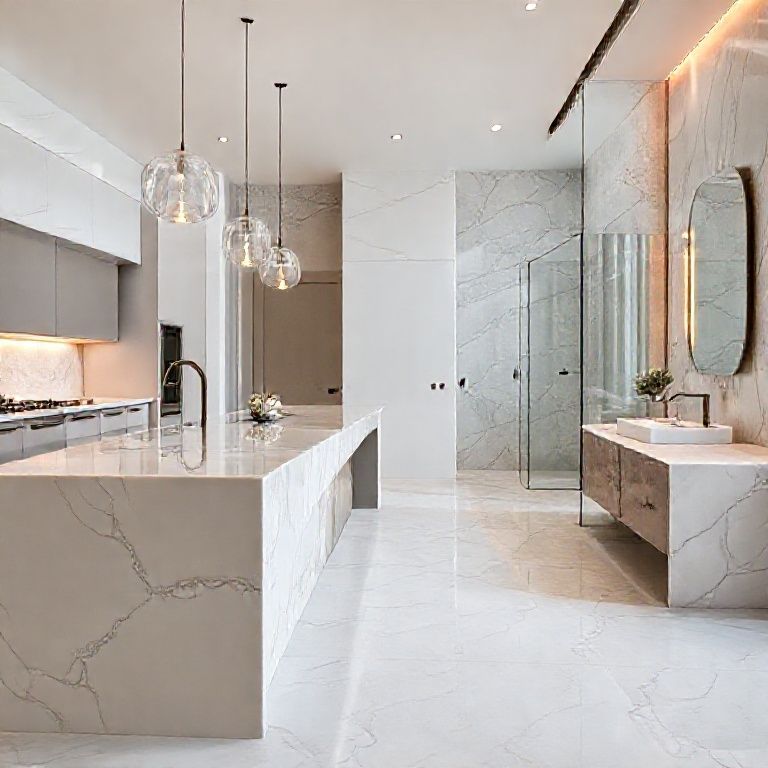
Chemical Etching: The reactive nature of bleach can etch the surface of the quartz, leading to visible scratches and a dull appearance. Discoloration: Bleach can cause discoloration on the quartz surface, especially if it is used frequently or in high concentrations. Compromised Sealant: Over time, the sealant that binds the quartz can be compromised, leading to potential gaps and further deterioration.
Safer Alternatives to Bleach
For those concerned about maintaining the cleanliness and integrity of their quartz countertops, there are safer alternatives to bleach. Many manufacturers recommend using mild soap and water or commercial quartz cleaners designed specifically for this type of surface. Here are some tips for maintaining your quartz countertops without resorting to bleach:
Mild Cleaning Products: Use a gentle cleaner like dish soap diluted in water to clean your quartz surfaces. Commercial Quartz Cleaners: There are many commercial cleaners available that are specifically formulated to clean quartz without causing damage. Microfiber Cloths: Use non-abrasive microfiber cloths to wipe down your quartz surfaces to prevent scratches and maintain a shine.
Conclusion
Understanding the interaction between bleach and quartz countertops is crucial for anyone looking to maintain their kitchen’s aesthetic and functionality. While bleach is an effective disinfectant, its use on quartz countertops can lead to significant damage. By opting for safer cleaning alternatives, you can keep your quartz surfaces looking beautiful and prolong their lifespan.
In the next part, we will explore more in-depth cleaning techniques and maintenance tips to ensure your quartz countertops remain in pristine condition without compromising their integrity. Stay tuned for more insights!
Effective and Safe Cleaning Techniques for Quartz Countertops
Introduction
In the previous section, we discussed the risks associated with using bleach on quartz countertops and explored safer alternatives. In this part, we’ll dive deeper into effective and safe cleaning techniques for maintaining your quartz countertops, ensuring they remain spotless and vibrant for years to come.
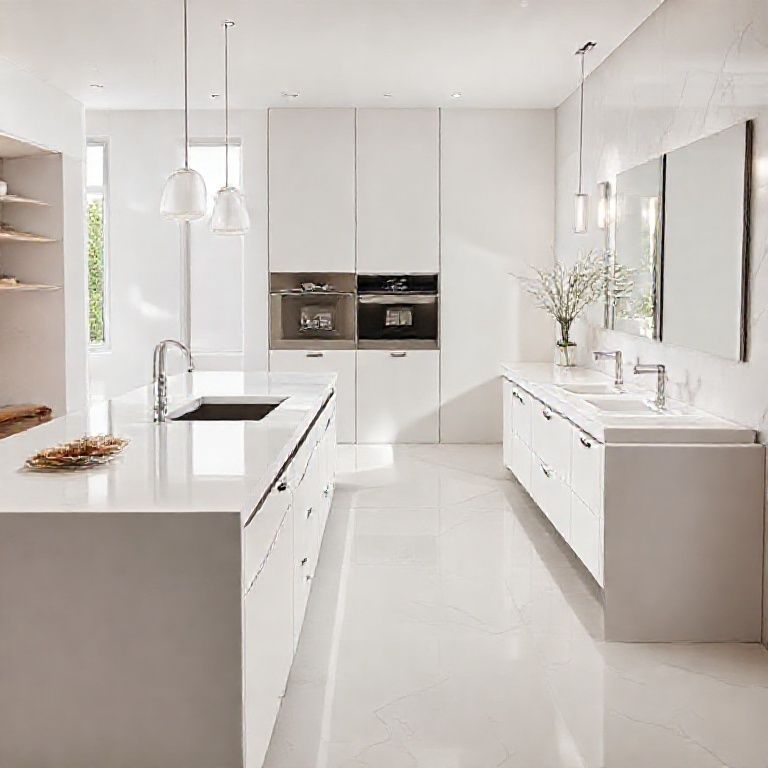
Daily Cleaning Routine
To keep your quartz countertops looking their best, a consistent daily cleaning routine is essential. Here are some tips for maintaining your quartz surfaces on a daily basis:
Immediate Cleanup: Clean up spills immediately to prevent stains and etching. Use a damp cloth or paper towel to wipe away any liquid before it has a chance to sit on the surface. Mild Soap and Water: Use a mixture of mild dish soap and water to clean your countertops. Avoid using too much water, as excessive moisture can seep into the seams and cause damage over time.
Deep Cleaning Techniques
While daily cleaning is important, periodic deep cleaning can help maintain the integrity and appearance of your quartz countertops. Here are some effective deep cleaning techniques:
Use a Quartz-Specific Cleaner: Choose a cleaner specifically formulated for quartz. These cleaners are designed to clean without damaging the surface. Follow the manufacturer’s instructions carefully.
Microfiber Cloths and Sponges: Use non-abrasive microfiber cloths and sponges to avoid scratching the surface. These materials are gentle yet effective at removing grime and smudges.
Warm Water: Use warm water to help dissolve dirt and grime. Avoid using hot water, as it can cause the surface to warp or crack over time.
Step-by-Step Deep Cleaning Process
Here’s a step-by-step guide to deep cleaning your quartz countertops:
Preparation: Gather your cleaning supplies, including a quartz-specific cleaner, microfiber cloths, and a soft sponge. Wipe Down: Start by wiping down the surface with a damp microfiber cloth to remove any loose dirt and debris. Apply Cleaner: Apply the quartz-specific cleaner to a soft sponge or cloth. Gently scrub the surface in a circular motion to remove any remaining dirt. Rinse: Wipe the surface with a clean, damp microfiber cloth to remove any cleaner residue. Dry: Finally, dry the surface with a clean microfiber cloth to prevent water spots and streaks.
Addressing Stains and Spills
Over time, stains and spills can mar the appearance of your quartz countertops. Here are some tips for addressing common issues:
Food Stains: For food-related stains, such as coffee, juice, or oil, use a mixture of equal parts vinegar and water. Apply the solution to the stain and let it sit for a few minutes before wiping it away.
Ink Stains: For ink stains, use a cotton ball soaked in rubbing alcohol. Gently rub the stain to remove it. Follow up with a clean, damp cloth to remove any alcohol residue.
Grease and Oil: To remove grease and oil, use a cleaner specifically designed for these types of stains. Apply the cleaner to a soft cloth and gently scrub the stain. Rinse and dry thoroughly.
Preventative Maintenance Tips
To keep your quartz countertops in top condition, consider these preventative maintenance tips:
Use Cutting Boards: Always use cutting boards to prepare food on your countertops. This prevents scratches and reduces the risk of stains.
Protective Pads: Place protective pads or mats under pots, pans, and other heavy items to prevent scratches.
Avoid Abrasive Cleaners: Steer clear of abrasive cleaners and scrubbers that can scratch the surface. Opt for non-abrasive cleaning supplies.
Conclusion
Proper maintenance is key to keeping your quartz countertops looking beautiful and prolonging their lifespan. While bleach is a powerful disinfectant, it is not recommended for use on quartz surfaces due to the potential for chemical etching and damage. Instead, rely on mild soap and water, commercial quartz cleaners, and gentle cleaning techniques to maintain your countertops.
By following these tips and adopting a consistent cleaning routine, you can ensure your quartz countertops remain pristine and functional for years to come. For more detailed information and advanced cleaning techniques, consult your countertop manufacturer’s guidelines and consider professional cleaning services for periodic deep cleaning.
Stay informed and keep your kitchen sparkling with these effective and safe cleaning practices for your quartz countertops!