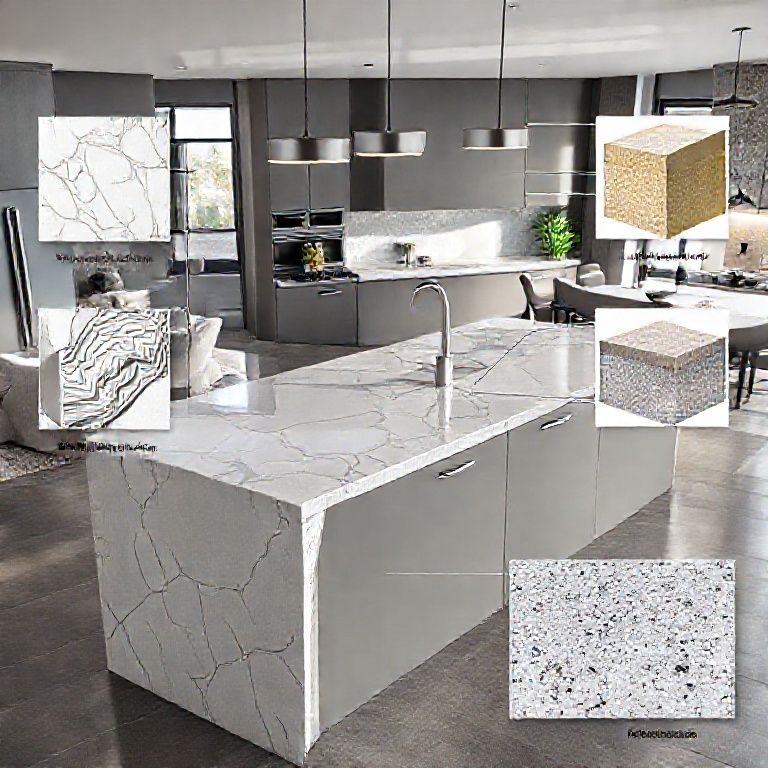
Is There Formaldehyde in Artificial Quartz Countertops?
In the world of modern home improvement and interior design, artificial quartz countertops have emerged as a popular choice for both residential and commercial spaces. These sleek, durable, and aesthetically pleasing surfaces have captivated the attention of homeowners, designers, and builders alike. But with their rising popularity comes a set of questions and concerns, particularly regarding the presence of formaldehyde in these materials. This article aims to provide a detailed understanding of artificial quartz countertops and address the critical issue of formaldehyde.
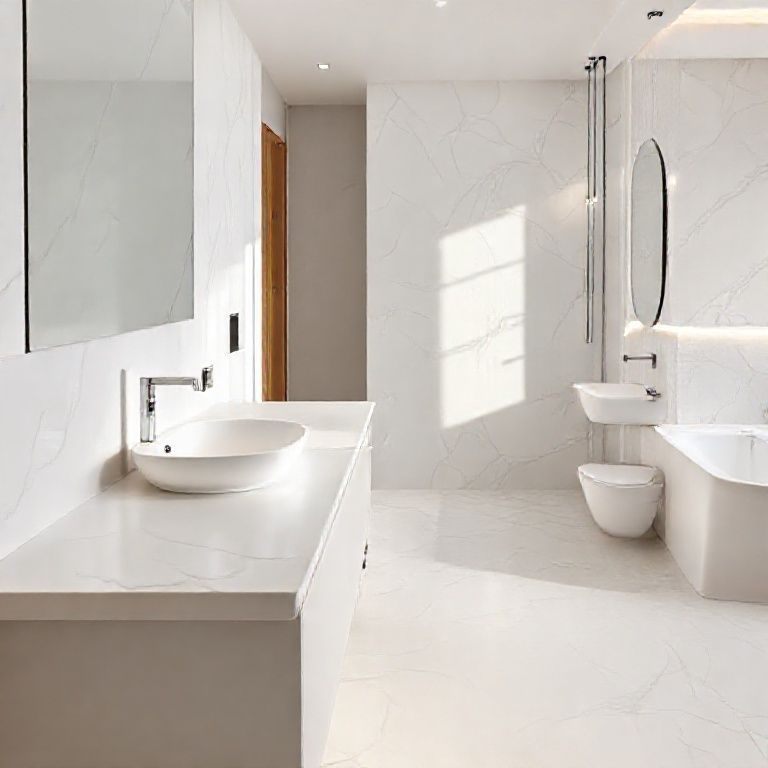
Understanding Artificial Quartz Countertops
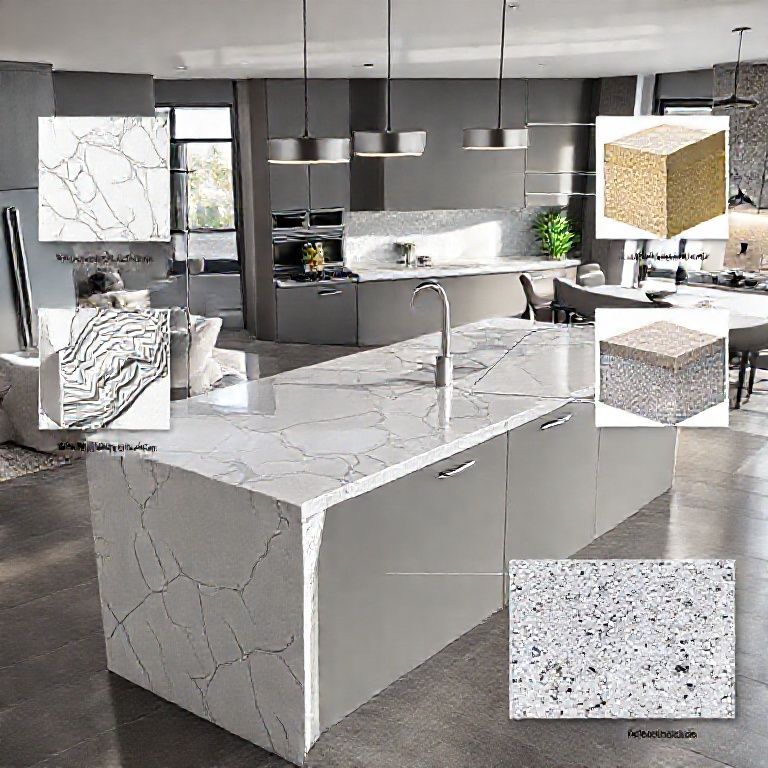
Artificial quartz countertops are a composite material made primarily from 93% silica sand, combined with other natural minerals and bonding agents. This mixture is then heated and compressed in a high-temperature process to form a solid, monolithic surface. The result is a material that boasts exceptional durability, scratch resistance, and a wide array of color and texture options.
The Manufacturing Process
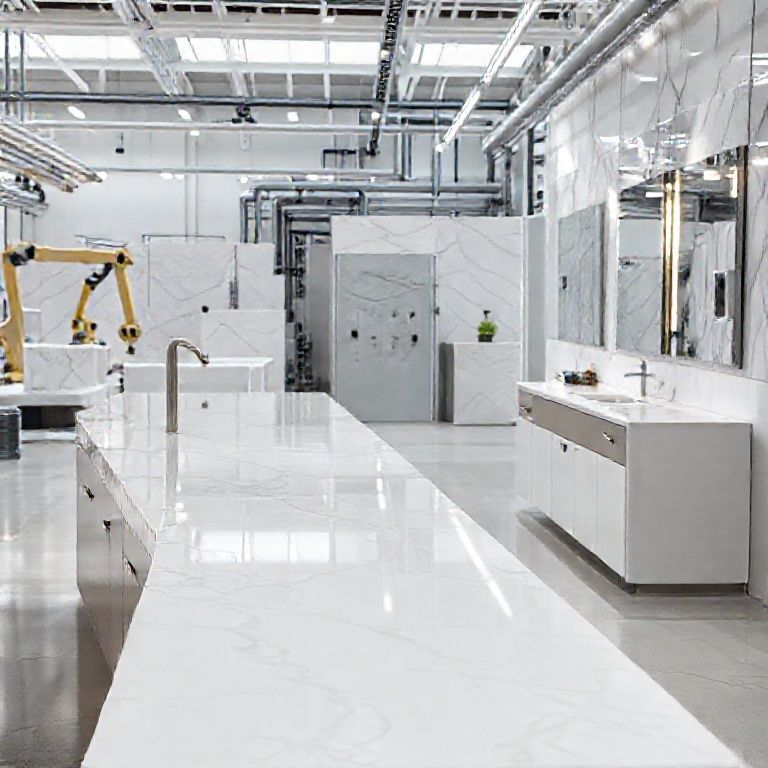
The manufacturing process of artificial quartz is highly intricate. Initially, silica sand and other natural minerals are blended with a resin binder. This mixture is poured into molds and subjected to high pressure and temperatures in the range of 1,650°C (3,004°F). The intense heat and pressure cause the silica particles to fuse together, creating a seamless, solid surface.
Once the process is complete, the quartz slabs are cut to size and polished to achieve the desired finish. This meticulous process ensures that the final product is not only aesthetically pleasing but also highly functional.
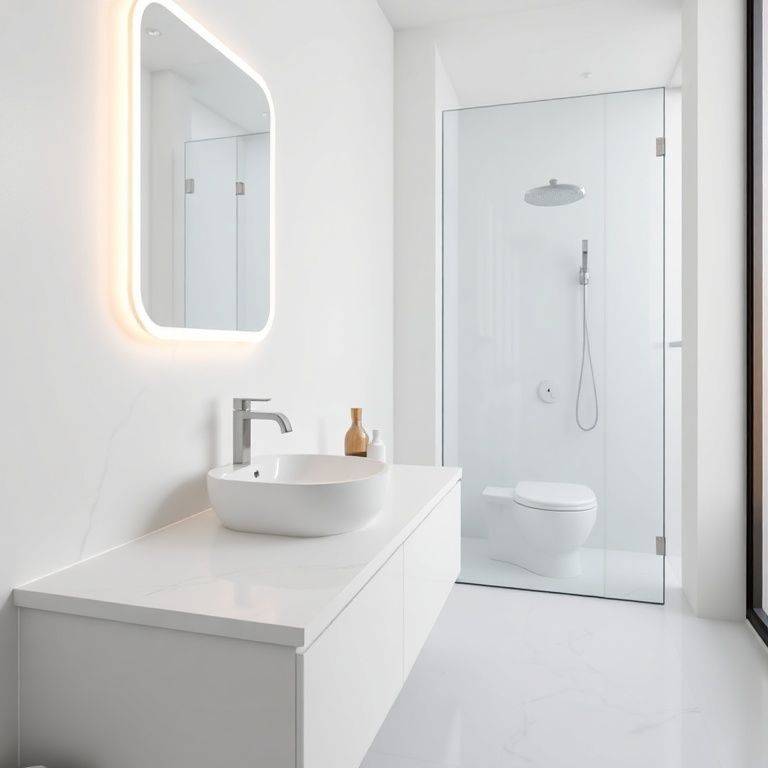
The Allure of Artificial Quartz
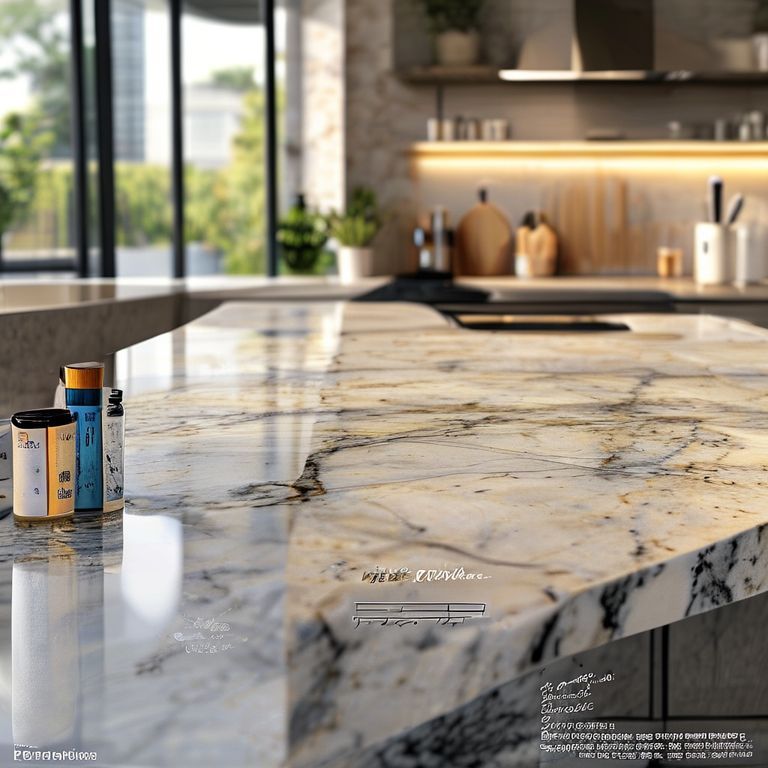
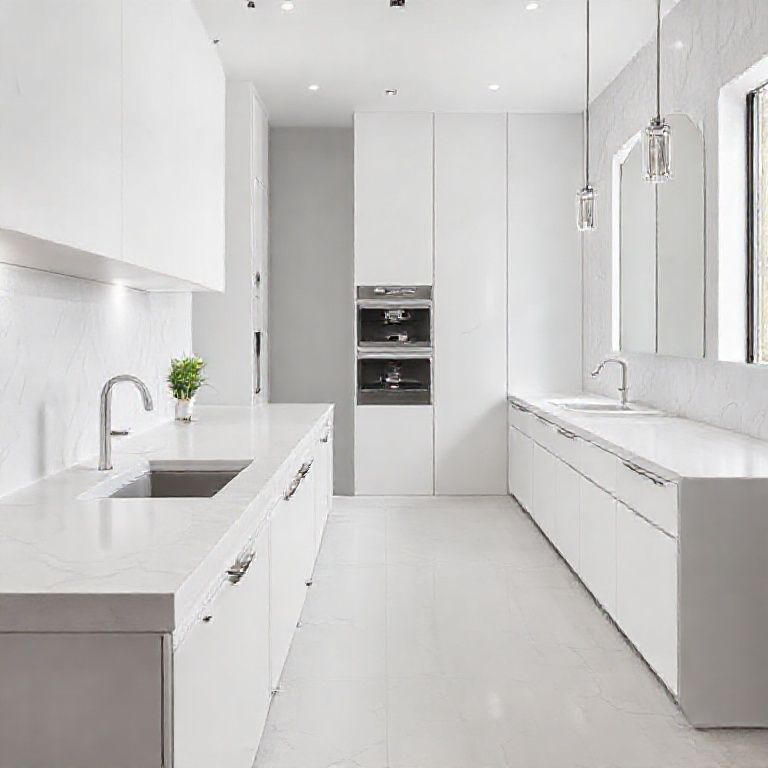
One of the primary reasons for the widespread adoption of artificial quartz countertops is their versatility. Quartz is available in virtually any color or pattern, allowing designers and homeowners to create custom designs that perfectly match their aesthetic vision. Additionally, quartz countertops are incredibly easy to maintain, requiring only a simple wipe-down with a mild cleaner to keep them looking pristine.
Moreover, the durability of quartz makes it an excellent choice for high-traffic areas. Its resistance to scratches, stains, and heat makes it a practical and reliable option for kitchens, bathrooms, and other spaces where surfaces are subject to frequent use and wear.
Formaldehyde: The Health Concern
Given the popularity of artificial quartz, it is essential to address the issue of formaldehyde, a chemical that has raised health concerns in various materials, including some types of engineered stone.
Formaldehyde is a volatile organic compound (VOC) that can be emitted from certain building materials, furniture, and household products. It is known for its use in industrial applications, including the production of resins, adhesives, and textiles. When released into indoor environments, formaldehyde can contribute to indoor air pollution, posing potential health risks such as respiratory issues, skin irritation, and even long-term effects like cancer.
Potential Sources of Formaldehyde
In the context of artificial quartz countertops, formaldehyde may be present due to the resins used in the manufacturing process. While the primary ingredients in quartz are silica sand and other natural minerals, the bonding agents and resins can release formaldehyde during and after the manufacturing process.
Regulatory Standards and Safety Measures
To address these concerns, regulatory bodies and manufacturers have implemented various measures to ensure the safety of artificial quartz countertops. In the United States, the Environmental Protection Agency (EPA) and Consumer Product Safety Commission (CPSC) have established guidelines to limit formaldehyde emissions from various products.
Many manufacturers of artificial quartz countertops adhere to these standards by using low-emission resins and other materials that minimize formaldehyde release. Additionally, the American Quartz Institute (AQI) sets stringent quality and safety standards for quartz products, ensuring that they meet or exceed industry benchmarks for safety and performance.
Testing and Certification
To provide consumers with additional assurance, some manufacturers conduct independent testing to verify the formaldehyde levels in their products. These tests are performed by accredited laboratories using standardized methods, such as the ASTM D6816-15, which measures the concentration of formaldehyde released from composite stone products.
Certifications from recognized organizations further bolster consumer confidence. For instance, the American Quartz Institute (AQI) certification signifies that a product meets rigorous safety and quality standards, including formaldehyde emissions.
Consumer Choices and Informed Decisions
When considering artificial quartz countertops, it is crucial to make informed decisions based on available information. Here are some steps to guide your choice:
Research Manufacturers: Look for reputable manufacturers that prioritize safety and transparency. Companies with certifications from recognized organizations, such as the American Quartz Institute (AQI), are a good indicator of quality and adherence to safety standards.
Request Documentation: Ask for test results and certifications that demonstrate the formaldehyde levels in the product. This documentation can provide valuable insights into the safety and quality of the countertops.
Consider Alternatives: If concerns about formaldehyde persist, explore other countertop options that meet your aesthetic and functional requirements. Natural stone, for example, offers durability and beauty but may come with different considerations regarding maintenance and care.
Consult Professionals: When in doubt, consult with professionals who specialize in interior design and home improvement. They can provide expert advice and help you navigate the complexities of selecting the right materials for your space.
Conclusion
Artificial quartz countertops represent a significant advancement in the world of kitchen and bathroom design, offering unparalleled durability, beauty, and ease of maintenance. While the concern about formaldehyde is valid, the majority of reputable manufacturers adhere to stringent safety standards and employ low-emission resins to minimize potential health risks. By conducting thorough research and making informed choices, you can confidently select artificial quartz countertops that enhance your living space without compromising on safety and quality.
In the next part of this article, we will delve deeper into the environmental impact of artificial quartz countertops, compare them with other countertop materials, and explore innovative advancements in the industry that continue to shape the future of home improvement. Stay tuned for more insights and information.
Is There Formaldehyde in Artificial Quartz Countertops?
In the previous part, we explored the intricacies of artificial quartz countertops, including their manufacturing process, benefits, and safety concerns regarding formaldehyde. In this final part, we will delve deeper into the environmental impact of these countertops, compare them with other materials, and examine the innovative advancements that continue to shape the industry.
Environmental Impact of Artificial Quartz Countertops
While artificial quartz countertops offer numerous benefits, it is essential to consider their environmental impact throughout their lifecycle, from production to disposal.
Production Phase
The production of artificial quartz involves the use of silica sand and other natural minerals, which are abundant and renewable resources. However, the high-temperature manufacturing process consumes significant energy, contributing to the carbon footprint associated with production. Manufacturers are increasingly adopting energy-efficient technologies and practices to mitigate this impact.
Durability and Longevity
One of the most significant environmental advantages of artificial quartz countertops is their durability and longevity. Unlike natural stone, which can be susceptible to weathering and requires periodic maintenance, quartz is a long-lasting material that minimizes the need for frequent replacements. This durability translates into reduced waste and a lower environmental footprint over time.
Recycling and Disposal
At the end of their useful life, artificial quartz countertops can be recycled and repurposed. The composite material can be crushed and reused in various applications, such as road construction and landscaping. This recycling potential helps to reduce waste and promote sustainable practices in the industry.
Comparing Artificial Quartz to Other Countertop Materials
To provide a comprehensive understanding of artificial quartz countertops, it is useful to compare them with other popular countertop materials, such as natural stone, granite, and concrete.
Natural Stone
Natural stone, including marble, granite, and slate, is prized for its unique beauty and timeless appeal. However, it comes with several drawbacks:
Maintenance: Natural stone requires regular sealing to prevent staining and requires specialized care to maintain its appearance. Durability: While natural stone is hard, it is also prone to scratching, staining, and weathering, making it less durable than artificial quartz. Environmental Impact: The extraction and transportation of natural stone contribute to its environmental footprint, including habitat destruction and carbon emissions.
Granite
Granite is another popular natural stone known for its strength and durability. However, it shares some of the same concerns as other natural stones:
Maintenance: Like other natural stones, granite requires sealing and regular maintenance. Environmental Impact: The extraction and transportation of granite contribute to its environmental footprint, similar to other natural stone materials.
Concrete
Concrete countertops offer a cost-effective and customizable alternative. However, they have their own set of challenges:
Maintenance: Concrete countertops require a sealant to prevent staining and are prone to cracking if not properly maintained. Aesthetics: While versatile, concrete countertops may not offer the same aesthetic appeal as artificial quartz or natural stone.
Innovative Advancements in Artificial Quartz Countertops
The field of artificial quartz countertops is continually evolving, with manufacturers and researchers exploring innovative advancements to enhance performance, sustainability, and aesthetics.
Low-Emission Technologies
Advancements in resin technology have led to the development of low-emission formulations that minimize the release of formaldehyde and other volatile organic compounds (VOCs). These innovations ensure that modern artificial quartz countertops meet stringent safety standards without compromising on quality and performance.
Sustainable Manufacturing Practices
Manufacturers are increasingly adopting sustainable practices to reduce their environmental impact. This includes using renewable energy sources, optimizing当然,继续我们对人造石英石台面的探讨。
创新技术和未来趋势
智能功能
随着科技的进步,人造石英石台面也在逐步引入智能功能。例如,某些高级型号可以集成传感器,用于检测水泄漏或温度变化,从而提高家庭安全性和便利性。还有一些研发中的设计可以通过内置的LED灯或其他电子元件,提供更加个性化和现代化的装饰效果。
环保材料
未来,人造石英石台面的制造可能会更加注重环保材料的使用。这不仅包括使用更少的化学添加剂,还可能会引入回收材料或再生矿物成分,从源头上减少对环境的影响。这些进步有望在更大程度上推动整个建筑材料行业向更加环保的方向发展。
多功能设计
设计师们也在不断探索如何让人造石英石台面更具多功能性。例如,可以设计成具有储物空间的台面,或者集成一些厨房小电器的功能,如内置的热水器或微波炉区域。这些创新不仅提升了台面的实用性,还为空间利用提供了更多可能性。
健康和安全
随着人们对健康和安全的关注不断增加,人造石英石台面的生产商也在不断改进材料的健康性能。例如,采用抗菌、防滑、防污涂层,使得这些台面在卫生和安全方面更加可靠。这对于家庭厨房和其他高使用频率的区域尤为重要。
个性化定制
随着技术的发展和消费者需求的多样化,个性化定制成为了一大趋势。消费者可以选择不同的颜色、纹理和尺寸,甚至可以通过3D打印技术实现完全定制化的设计。这种高度个性化的服务满足了现代消费者对独特性和个性化的追求。
结论
人造石英石台面作为一种现代化、高性能的建筑材料,正在经历着快速的发展和创新。尽管存在关于甲醛等健康问题的担忧,但通过严格的监管标准和先进的制造技术,这些问题已经得到了有效控制。随着环保意识的提高和技术的进步,人造石英石台面的未来将更加美好和可持续。
通过了解这些方面,消费者可以更加明智地选择适合自己家庭需求和审美偏好的人造石英石台面,同时也能够放心地享受其带来的诸多便利和美观。希望这篇文章能为您提供有价值的信息,如果您有任何其他问题或需要进一步的探讨,请随时告知。