Understanding Artificial Stone Countertops and Their Composition
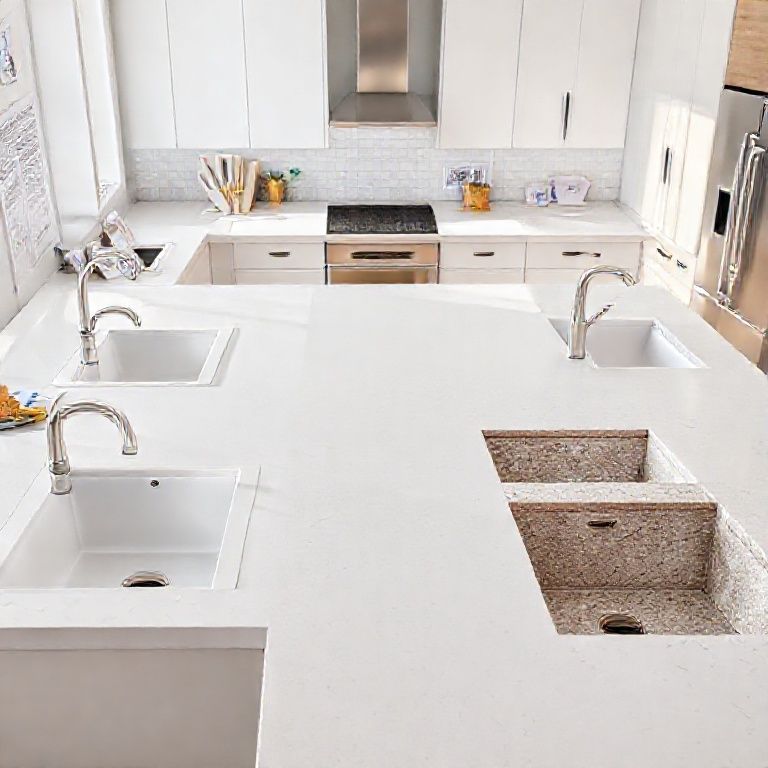
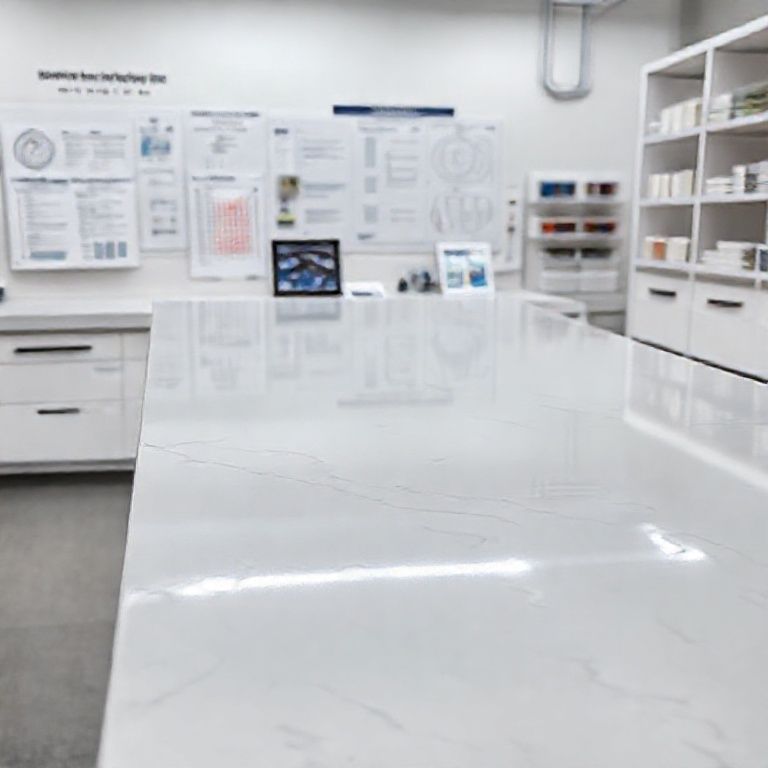
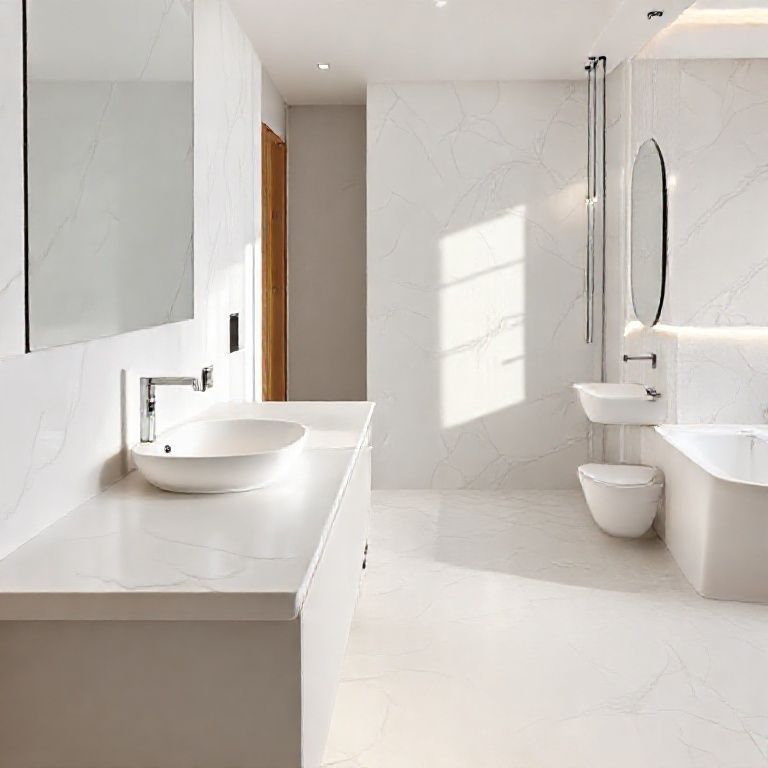
In the realm of modern home design, artificial stone countertops have surged in popularity for their stunning aesthetics and durability. These countertops, crafted from a blend of natural stones and resins, mimic the look of traditional stone but offer numerous advantages in terms of cost, maintenance, and versatility. However, as with any material used in home construction, concerns about potential health risks often arise. One such concern is the presence of formaldehyde in artificial stone countertops.
The Composition of Artificial Stone
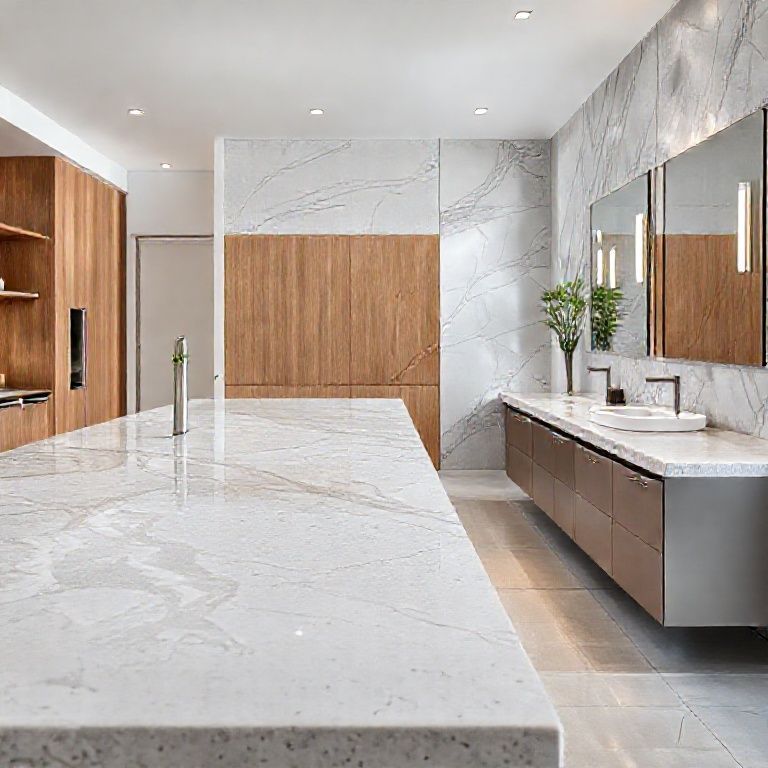
Artificial stone, often known by brands such as Corian or Onduline, is primarily composed of a high-quality acrylic resin combined with natural stone aggregates like quartz or calcite. This mixture is meticulously processed under high pressure and temperature to create a composite material that is both aesthetically pleasing and functional. The resin serves as a binding agent, holding the stone particles together to form a monolithic slab.
Manufacturing Process
The manufacturing process of artificial stone countertops is intricate. Initially, the stone aggregates are mixed with a polymer solution, which includes an acrylic resin. This mixture undergoes a curing process where it is heated and subjected to pressure, allowing the resin to fully encapsulate the stone particles. The outcome is a solid, homogeneous material that is both tough and lightweight.
Health Implications of Formaldehyde
Formaldehyde is a chemical compound that is used in the production of various resins, including those found in artificial stone countertops. It is a colorless gas with a pungent odor and is known to be a carcinogen, meaning prolonged exposure can lead to cancer. In the context of artificial stone, formaldehyde can be released as a volatile organic compound (VOC) during the manufacturing and initial curing phases.
Emission Standards and Regulations
To address these concerns, stringent regulations have been implemented globally. For instance, the European Union has established the EN13499 standard, which sets maximum allowable formaldehyde emissions for composite materials. In the United States, the Environmental Protection Agency (EPA) has similar guidelines under the Formaldehyde Emission Standards for Composite Wood Products and Composite Plastic Film/Resin Products.
Manufacturers of artificial stone countertops are required to adhere to these standards to ensure that the formaldehyde emissions from their products are within safe limits. As a result, most modern artificial stone products meet or exceed these regulatory requirements, making them safer for home use.
Comparing Artificial Stone to Other Countertop Materials
Given the potential concerns about formaldehyde, it’s essential to compare artificial stone countertops to other popular options such as granite, quartz, and laminate to understand their relative safety and benefits.
Granite Countertops
Granite is a natural stone that has been used for centuries in countertops. It is renowned for its durability and beauty but requires sealing to maintain its protective surface. However, granite does not contain formaldehyde in its natural state. The main concern with granite is that over time, acids and other substances can degrade its protective seal, necessitating regular maintenance.
Quartz Countertops
Similar to granite, quartz is a natural stone but is manufactured through a process that bonds quartz crystals with resin. Quartz offers an array of colors and patterns without the need for sealing, making it highly popular. Like granite, quartz does not inherently contain formaldehyde but can have trace amounts depending on the resin used in its production. Modern quartz products are designed to meet low-formaldehyde emission standards.
Laminate Countertops
Laminate countertops are composed of multiple layers of paper and resin. They are generally more affordable than natural stone options and come in a variety of designs. However, laminate can contain formaldehyde in its adhesive layers. Over time, the formaldehyde can leach out, especially when exposed to heat or moisture. It’s important to choose laminate products that are formaldehyde-free or have low formaldehyde emissions.

Alternative Countertops
To ensure a safe and healthy kitchen or bathroom environment, there are alternative materials to consider. Solid surface materials like Corian, which we discussed earlier, are designed with low formaldehyde emissions. Additionally, there are wood-based options that are treated to minimize formaldehyde release, and even bamboo countertops, which are increasingly popular due to their sustainability and low formaldehyde content.
Choosing the Right Countertop
When selecting a countertop, it’s crucial to consider both aesthetic preferences and health concerns. Look for certifications and labels that indicate compliance with health and safety standards. For instance, the GreenGuard Certification can be a helpful indicator that a product meets stringent indoor air quality standards.
Conclusion
In conclusion, while there are concerns about formaldehyde in artificial stone countertops, these are typically managed through stringent manufacturing processes and regulatory oversight. By understanding the composition, manufacturing process, and health implications, you can make an informed choice that balances beauty, durability, and safety. Always opt for certified products to ensure that you are selecting a countertop that meets the highest standards for health and safety.