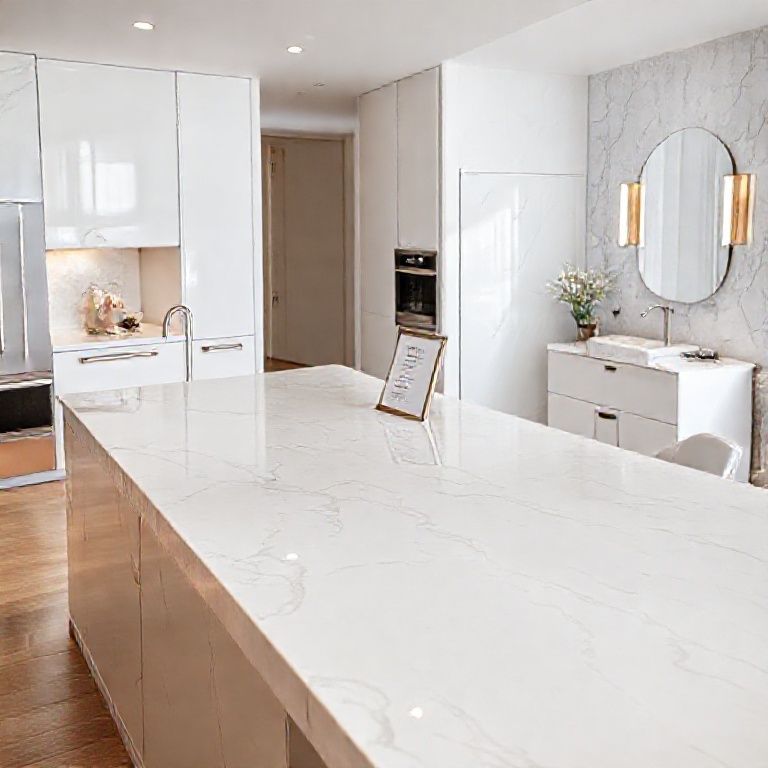
The Composition and Benefits of Artificial Stone Countertops
Introduction: Artificial stone countertops have become increasingly popular in modern kitchens due to their durability, aesthetic appeal, and relatively low cost compared to natural stone options. However, as with any material used in our homes, concerns about potential toxicity and safety have emerged. This first part will examine the composition of artificial stone, the benefits it offers, and the common misconceptions surrounding their safety.

Composition of Artificial Stone: Artificial stone, also known as cultured marble, is a composite material made primarily from limestone, marble, or quartz, combined with bonding agents like resin or polymer. Manufacturers mix these natural stone particles with a polymer binder that hardens to form a solid surface. The result is a material that closely mimics the look and feel of natural stone while offering enhanced durability and resistance to scratches, stains, and heat.
Benefits of Artificial Stone Countertops:
Aesthetic Versatility: Artificial stone countertops come in an array of colors and textures, allowing for a high degree of customization to match any kitchen design. From classic marble looks to modern, sleek finishes, there is a variety to suit every aesthetic preference.
Durability and Maintenance: One of the significant advantages of artificial stone is its durability. Unlike natural stone, which can be prone to scratches, chips, and staining, artificial stone is far more resilient. It also does not require sealing to prevent staining, simplifying maintenance and ensuring longevity.

Cost-Effectiveness: Artificial stone is generally more affordable than natural stone options. This makes it an attractive choice for homeowners looking to achieve a luxurious look without the higher price tag associated with materials like granite or marble.
Common Misconceptions about Artificial Stone Toxicity: There are several myths and misconceptions surrounding the toxicity of artificial stone countertops. One common belief is that because they are made from synthetic materials, they are inherently harmful. However, reputable manufacturers follow strict safety standards to ensure that the materials used are non-toxic and safe for household use.
Health and Safety Standards: Manufacturers of artificial stone countertops adhere to stringent health and safety regulations. They use low-VOC (volatile organic compounds) resins and other environmentally friendly materials to minimize any potential health risks. Additionally, the production process includes rigorous testing to ensure that the final product does not emit harmful chemicals into the air or leach toxic substances into food or water.
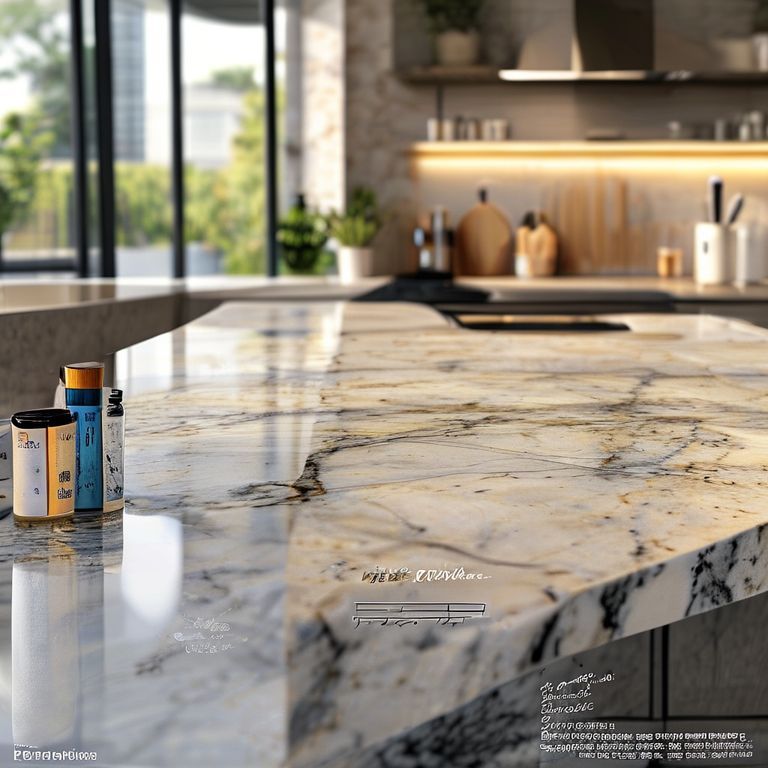
Conclusion: While concerns about the toxicity of artificial stone countertops are understandable, it’s crucial to approach these concerns with informed knowledge. By understanding the composition and benefits of artificial stone, and the safety measures in place, homeowners can make educated decisions about whether this material is right for their kitchen.
In the next part of this series, we will delve deeper into specific concerns regarding the potential toxicity of artificial stone, explore scientific studies and expert opinions, and provide practical tips for ensuring the safest use of these countertops in your home.
Addressing Concerns and Ensuring Safe Use of Artificial Stone Countertops
Introduction: Having explored the composition and benefits of artificial stone countertops in the first part of this article, we now turn our attention to addressing the specific concerns that often arise regarding their potential toxicity. This section will provide a detailed examination of the science behind artificial stone materials, review relevant studies and expert opinions, and offer practical tips for ensuring the safest use of these countertops in your home.
Scientific Perspective on Artificial Stone Toxicity: To fully understand the potential toxicity of artificial stone countertops, it’s important to look at the scientific evidence and expert opinions. While artificial stone is composed of various natural and synthetic materials, the primary focus is on whether these materials can release harmful substances over time.
Materials and Potential Risks:
Resins and Polymers: The binding agents used in artificial stone are typically resins or polymers. While these materials are chosen for their durability and resistance to wear, there is a concern that they might release volatile organic compounds (VOCs) during manufacturing or even after installation. VOCs are chemicals that can evaporate at room temperature and may pose health risks, including respiratory issues and eye irritation.
Natural Stone Particles: The natural stone particles in artificial stone are generally inert and non-toxic. Limestone, marble, and quartz are minerals that do not leach harmful substances under normal usage conditions.
Research and Studies: Several studies have been conducted to assess the safety of artificial stone countertops. Most of these studies focus on the release of VOCs and the potential leaching of chemicals from the surface. Here are some key findings:
Low VOC Emissions: Modern manufacturing processes have significantly reduced the amount of VOCs released during the production and installation of artificial stone. Reputable manufacturers use low-VOC resins to minimize any potential health risks.
Leaching of Chemicals: Tests have shown that artificial stone countertops do not leach harmful chemicals into food or water under normal usage conditions. This is largely due to the strong bonding agents that keep the materials together and prevent leaching.
Expert Opinions: Experts in material science and environmental health generally agree that when properly manufactured and installed, artificial stone countertops pose minimal health risks. However, they do emphasize the importance of choosing high-quality products from reputable manufacturers and ensuring proper ventilation during installation and use.
Practical Tips for Safe Use: To further ensure the safe use of artificial stone countertops, here are some practical tips:
Choose Reputable Manufacturers: Select countertops from manufacturers that adhere to strict safety standards and provide certifications to validate the safety of their products. Look for labels indicating low VOC emissions and compliance with health and safety regulations.
Proper Installation: Ensure that the countertops are installed by qualified professionals who follow best practices. Proper installation helps prevent any potential issues that could lead to the release of harmful substances.
Ventilation: During installation, ensure that the work area is well-ventilated to disperse any VOCs released by the materials. After installation, maintaining good ventilation in the kitchen can help reduce any residual VOCs.
Regular Maintenance: Keep the countertops clean and free from spills that could potentially damage the surface and release any trapped chemicals. Use mild, non-abrasive cleaners recommended by the manufacturer.
Monitor Health Symptoms: If you have concerns about the potential toxicity of any material in your home, including artificial stone, it’s important to monitor any unusual health symptoms. If you notice any adverse reactions, consult a healthcare professional and consider replacing or moving the countertop if necessary.
Conclusion: After a thorough examination of the scientific evidence, expert opinions, and practical safety measures, it’s clear that when properly manufactured and used, artificial stone countertops are generally safe for use in your kitchen. While concerns about toxicity are valid, the steps taken by manufacturers and the practical tips provided here can help ensure that these countertops remain a safe and attractive choice for modern kitchens.
In summary, artificial stone countertops offer a blend of durability, aesthetic versatility, and cost-effectiveness. By making informed choices and following safety guidelines, homeowners can enjoy the benefits of these countertops without undue concern for toxicity. Always prioritize quality and safety to create a healthy and beautiful kitchen environment.