Kitchen Countertop Showdown: Quartz vs. Stainless Steel – Which is the Ultimate Choice for Your Home?
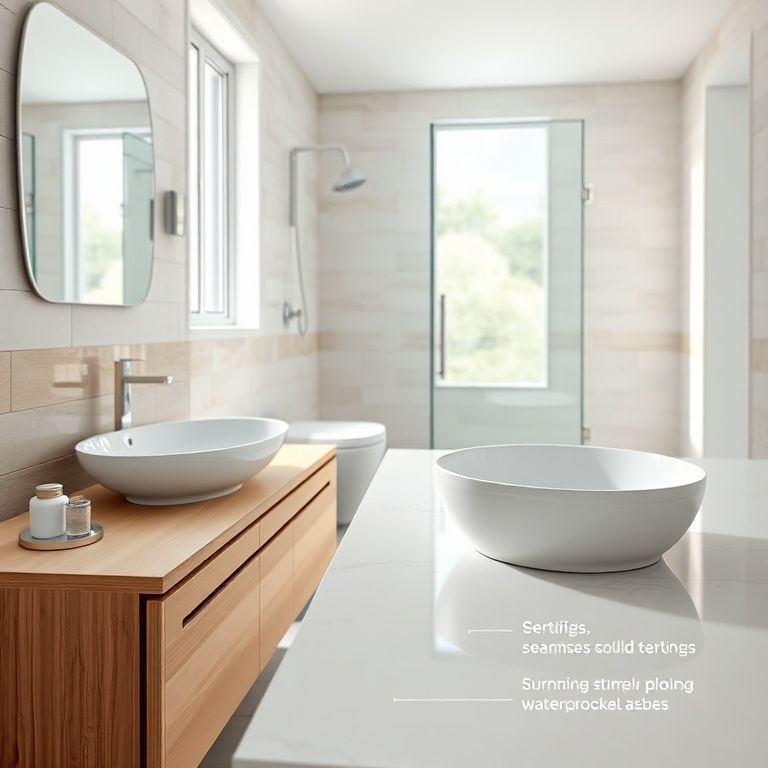
When it comes to selecting the perfect kitchen countertop, the decision between quartz and stainless steel can be a challenging one. Both materials offer unique advantages and cater to different preferences and needs. In this first part of our deep dive, we will explore the fundamental characteristics, maintenance requirements, durability, aesthetics, and cost factors that will help you decide which material suits your kitchen best.
Durability and Maintenance
One of the standout features of quartz countertops is their unmatched durability. Made from 93% natural crushed stone and bonded with resin, quartz is one of the hardest materials available, ranking a 7 on the Mohs scale. This high level of hardness makes it highly resistant to scratches, dents, and cuts, ensuring long-lasting beauty and functionality.
On the other hand, stainless steel is renowned for its robustness. The material’s high-quality steel composition provides excellent resistance to scratches and impacts. However, stainless steel is more susceptible to dents than quartz, although modern advancements have significantly reduced this concern. Maintenance-wise, quartz is incredibly low-maintenance. It is naturally non-porous, meaning it does not absorb spills or stains, making it easier to clean. Simply wipe it down with a mild detergent and water. Stainless steel, while also easy to clean, requires regular attention to prevent water spots and to maintain its sleek appearance. It’s best to use a stainless steel cleaner and avoid abrasive pads to avoid scratching the surface.
Aesthetic Appeal
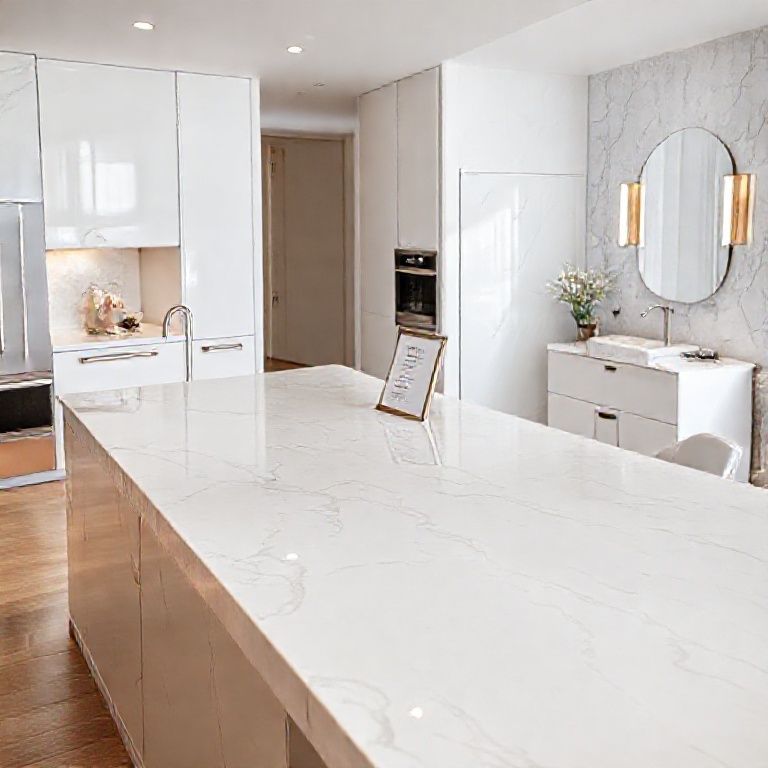
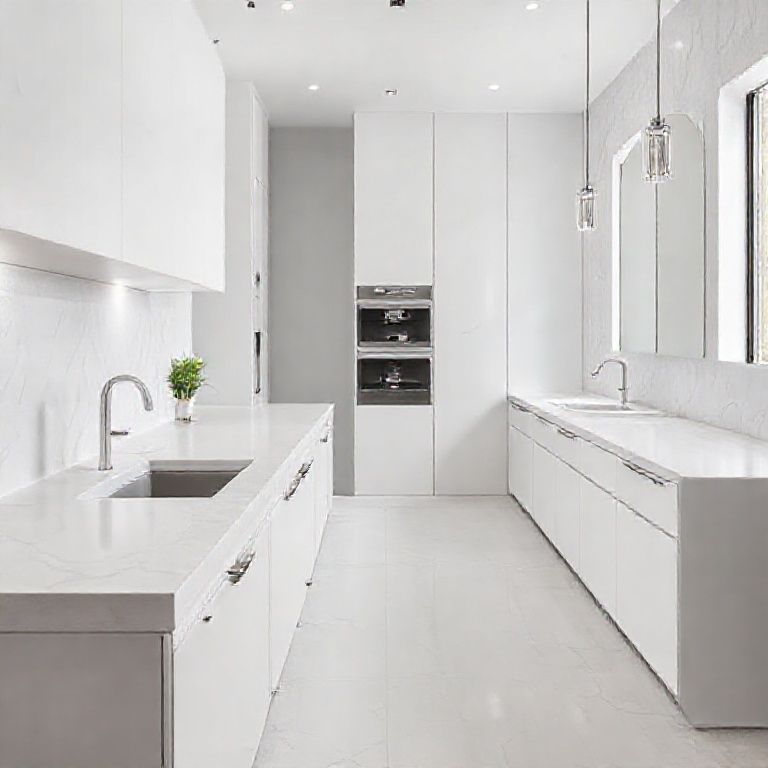
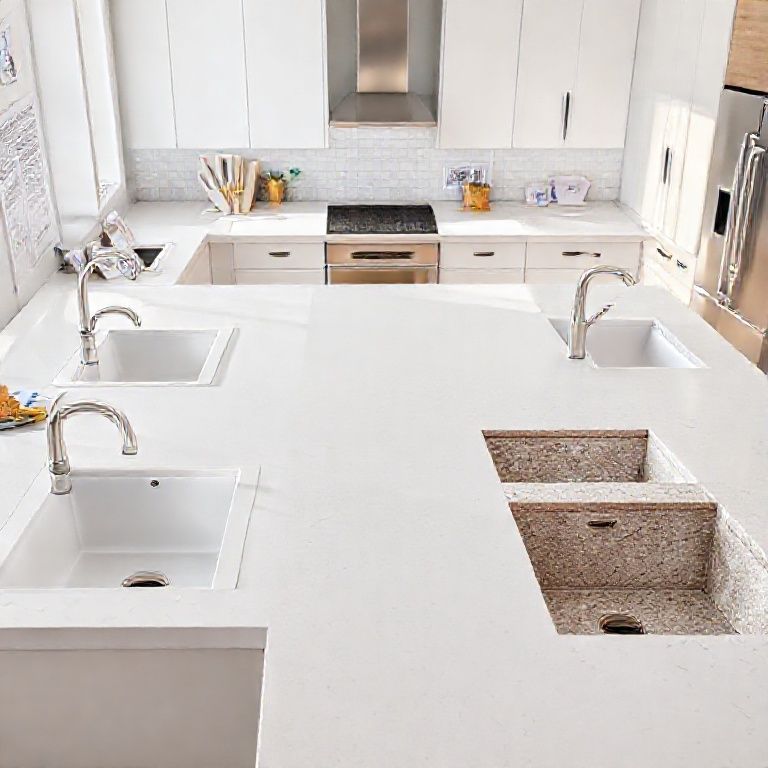
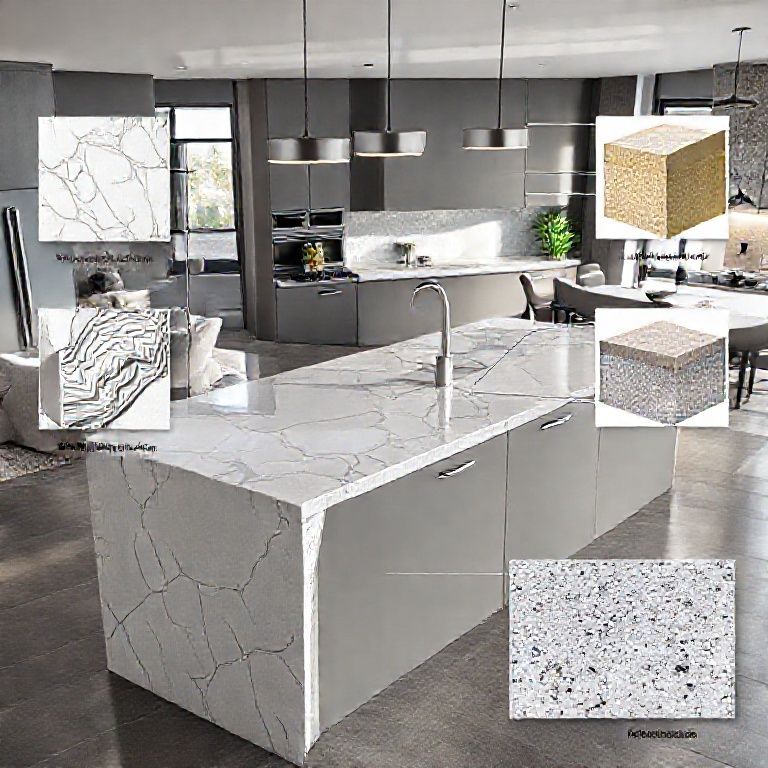
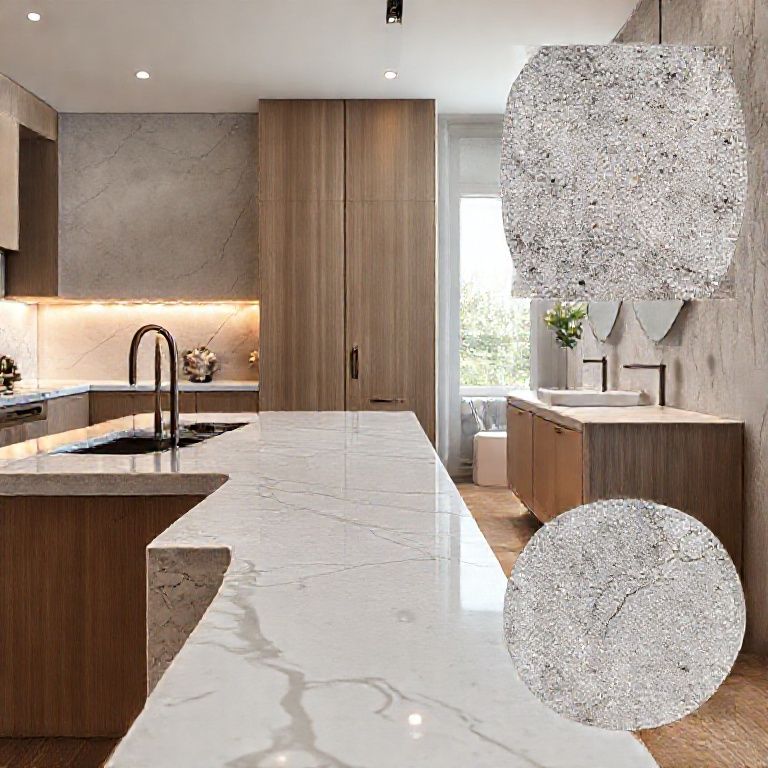
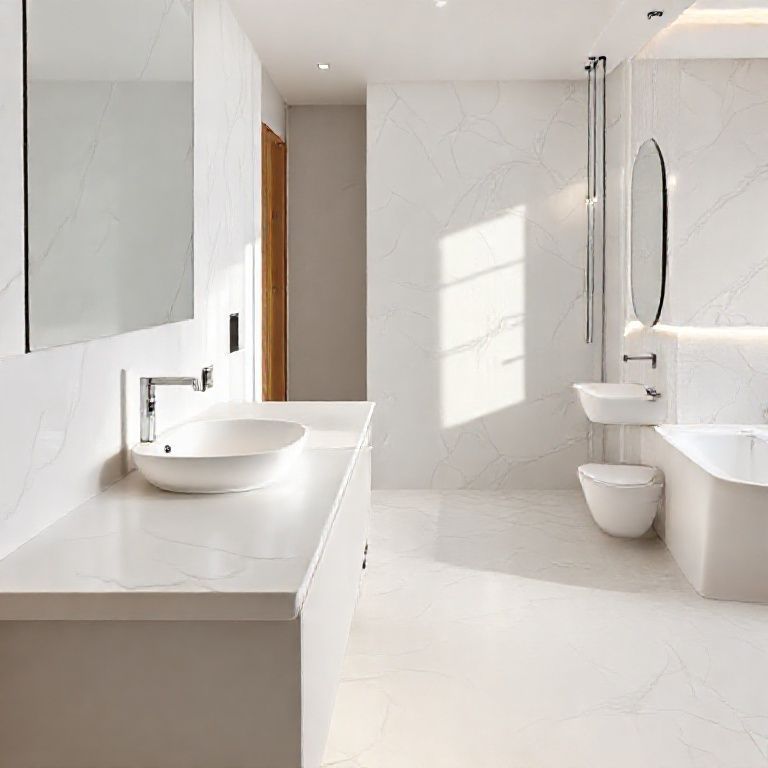
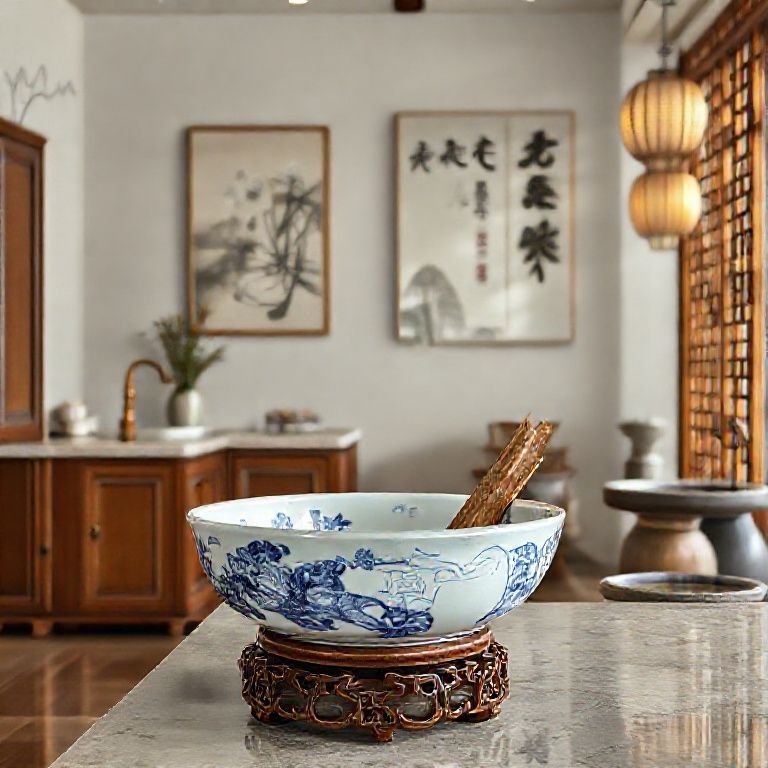
Both quartz and stainless steel offer stunning aesthetic appeal, but they do so in different ways. Quartz countertops come in a vast array of colors and patterns, allowing homeowners to choose a design that closely matches or completely transforms their kitchen’s look. From natural stone hues to bold, abstract designs, quartz provides unparalleled versatility. It’s also available in solid colors, giving a sleek and modern appearance that many modern kitchens crave.
Stainless steel, with its polished, reflective finish, offers a contemporary and industrial look that is highly fashionable in modern kitchen designs. Its sleek, minimalist appearance makes it perfect for those looking to maintain a clean, uncluttered look. However, the aesthetic of stainless steel is somewhat limited compared to quartz, primarily coming in a few metallic shades.
Cost
When it comes to cost, quartz countertops tend to be on the higher end of the spectrum. High-quality quartz can be expensive due to the material’s durability and the intricate designs available. However, the initial investment is often offset by the material’s longevity and low maintenance requirements.
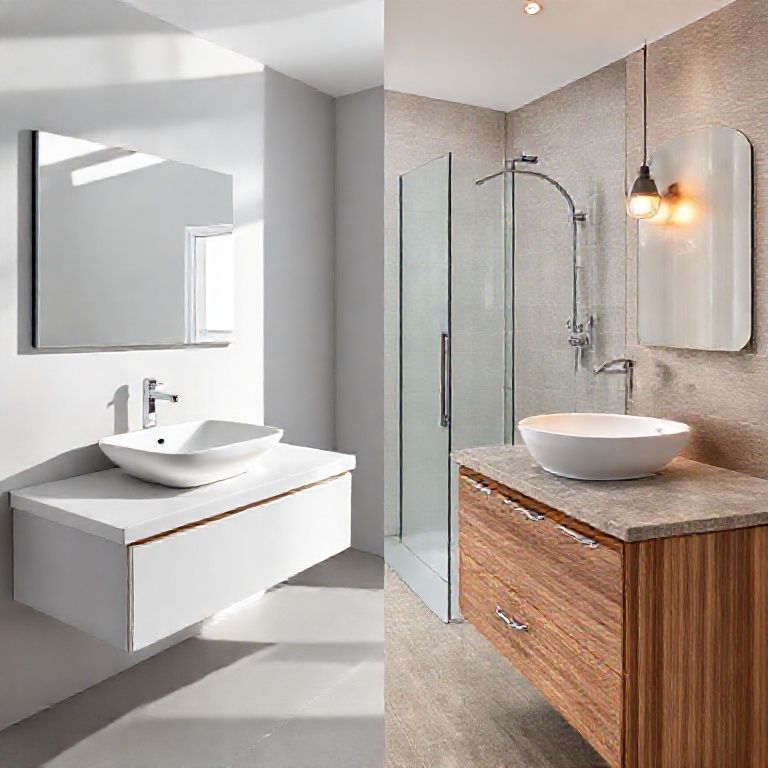
Stainless steel, in contrast, is generally more affordable than quartz. The cost varies based on the thickness, finish, and specific brand of steel chosen. However, the longevity and relatively lower maintenance costs can make stainless steel a cost-effective choice in the long run. Additionally, the ongoing costs of cleaning and potential repairs for stainless steel are usually lower than those for quartz.
Conclusion
In the first part of our comparison, we’ve explored the fundamental aspects of durability, maintenance, aesthetics, and cost between quartz and stainless steel countertops. Quartz offers unmatched durability, low maintenance, and versatile design options, while stainless steel provides robust protection and a sleek, modern look at a generally lower cost. In the next part, we will delve deeper into the specific advantages and considerations for each material, helping you make an informed decision for your kitchen.
Kitchen Countertop Showdown: Quartz vs. Stainless Steel – Which is the Ultimate Choice for Your Home?
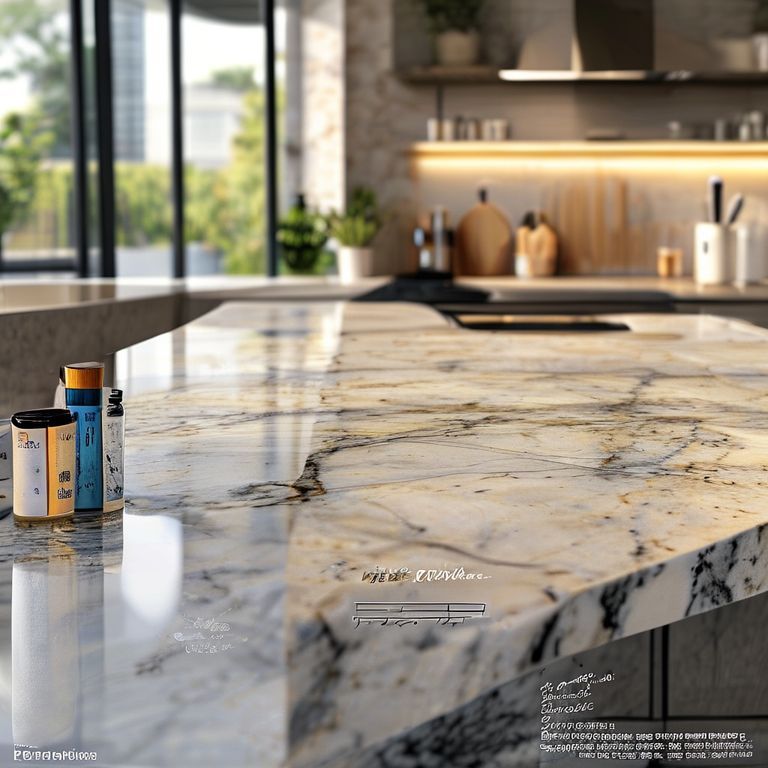
In the second part of our deep dive into kitchen countertops, we will examine the specific advantages and considerations for quartz and stainless steel in more detail. We will look at factors such as heat resistance, installation, safety, and environmental impact to provide a comprehensive understanding of what each material brings to your kitchen.
Heat Resistance
Heat resistance is a crucial factor when choosing kitchen countertops, as they are often subjected to hot pots, pans, and other heat sources. Quartz excels in this area due to its high heat resistance. The material’s composition allows it to withstand direct heat without warping or discoloring. This makes quartz ideal for those who frequently cook or use their countertops for food preparation.
Stainless steel also offers good heat resistance, but it can be a bit more susceptible to thermal shock compared to quartz. When a hot pot or pan is placed directly on stainless steel, it can cause temporary discoloration or, in extreme cases, slight warping. However, modern stainless steel grades have significantly improved this issue, making it a reliable option for heat resistance.
Installation and Versatility
When it comes to installation, quartz countertops are typically more complex to work with. They require professional installation due to their weight and the intricate patterns involved in some designs. Additionally, quartz can be more difficult to repair if damaged, often requiring full replacement of the countertop.
Stainless steel, on the other hand, is generally easier to install and repair. It can be installed by DIY enthusiasts in some cases, and repairs are relatively straightforward, often involving just replacing the affected section. This ease of installation and repair makes stainless steel a practical choice for many homeowners.
Safety and Hygiene
Safety and hygiene are significant considerations when choosing kitchen countertops. Quartz’s non-porous nature makes it a highly hygienic choice. Since it does not absorb liquids or harbor bacteria, it is an excellent option for those concerned about cleanliness and food safety.
Stainless steel also offers good hygiene properties, although it is slightly more prone to trapping food particles and bacteria if not cleaned properly. The reflective surface can sometimes make it harder to spot spills and stains immediately. However, with regular maintenance, stainless steel can maintain a high level of cleanliness.
Environmental Impact
An increasingly important factor for many homeowners is the environmental impact of the materials used in their kitchen. Quartz is a natural material that is sustainable and often recycled to some extent. However, the mining and production processes can have environmental consequences, including habitat destruction and water usage.
Stainless steel is also a recycled material, often made from reclaimed steel. Its production is generally more energy-intensive than quartz, but the use of recycled materials helps offset some of these impacts. Additionally, stainless steel’s durability means it has a longer lifespan, reducing the need for frequent replacements and associated waste.
Conclusion
In the second part of our comparison, we have examined the heat resistance, installation, safety, and environmental impact of quartz and stainless steel countertops. Quartz offers superior heat resistance and non-porous surfaces ideal for hygiene, but it can be more complex to install and repair. Stainless steel provides good heat resistance, easier installation, and repair, but requires more vigilant cleaning to maintain its cleanliness. In terms of environmental impact, both materials have their pros and cons, but both offer recycling options that help reduce their overall environmental footprint.
By considering these detailed factors, you can make a well-informed decision that aligns with your kitchen’s needs and your personal preferences. Whether you choose the durability and design versatility of quartz or the ease of maintenance and modern aesthetic of stainless steel, both materials can provide a beautiful and functional addition to your home.