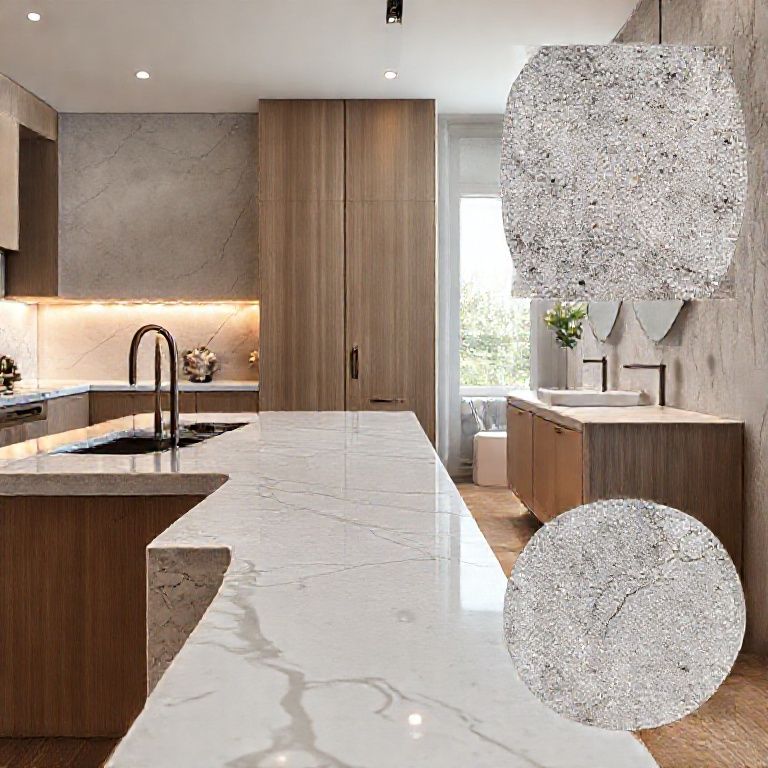
Kitchen Renovation: Quartz Stone vs. Stainless Steel – Which is Better?
When it comes to kitchen renovations, one of the most significant decisions you will make is choosing the right material for your countertops. Two of the most popular choices today are quartz stone and stainless steel. Each of these materials has its unique advantages and drawbacks, and understanding these can help you make an informed decision that best suits your kitchen’s design and functionality. In this part, we will delve into the characteristics, benefits, and potential downsides of both quartz stone and stainless steel.
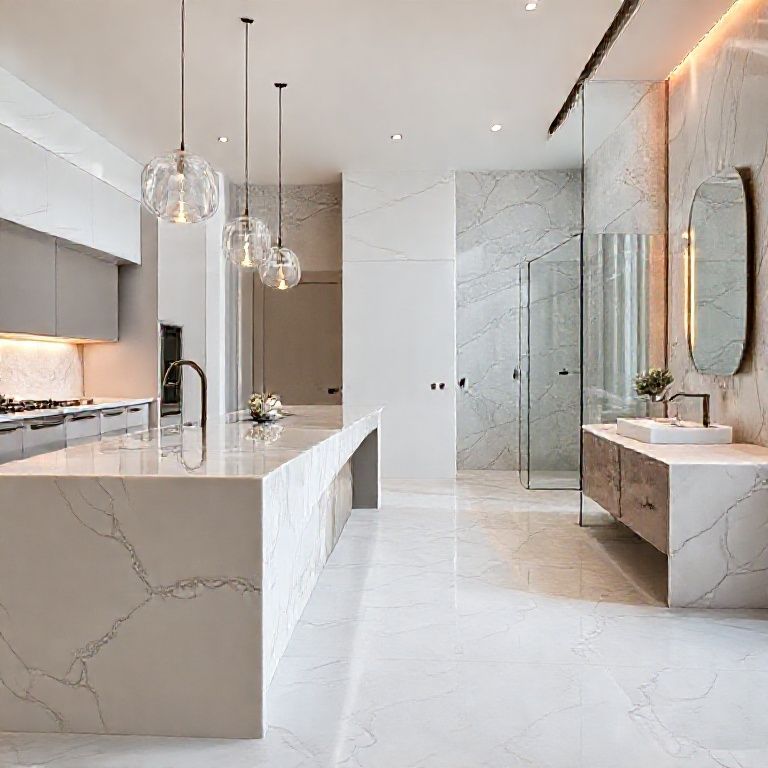
Quartz Stone: An Overview
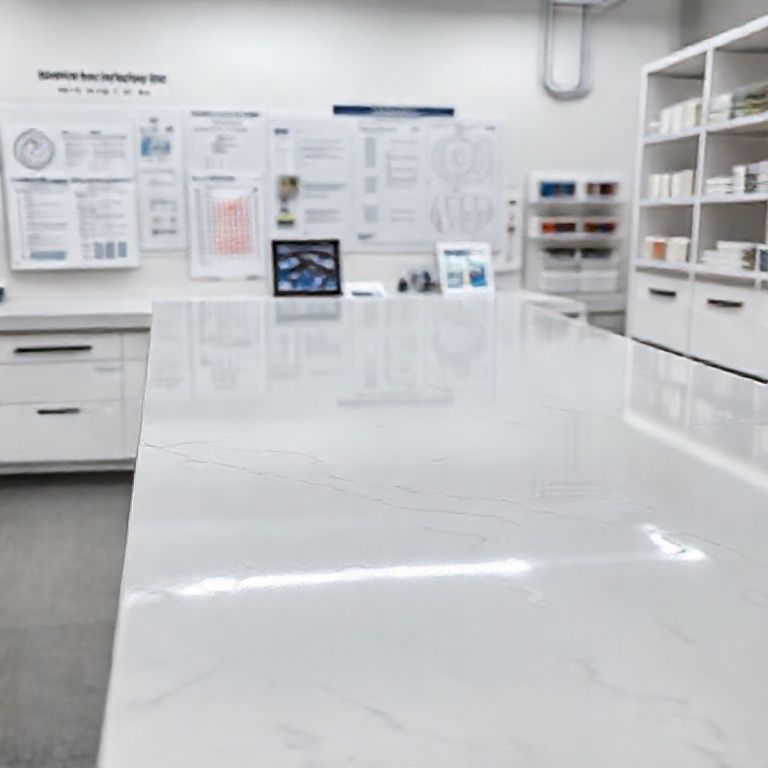
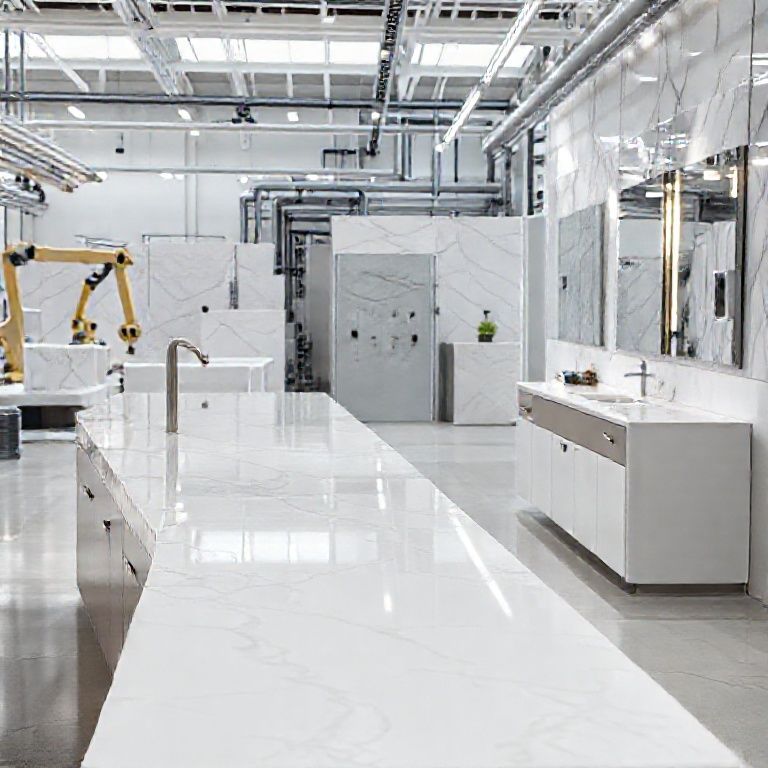
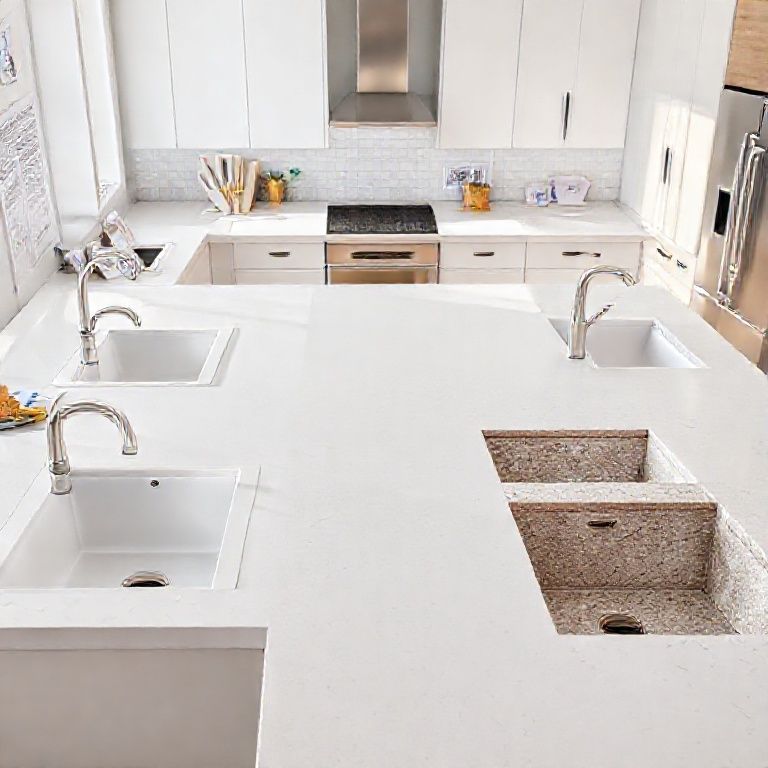
Quartz stone, a composite material made from 93% natural quartz and 7% resins and colors, has become increasingly popular in recent years. Manufactured by companies like Hougang Stone, quartz countertops are known for their impressive strength, durability, and versatility. Here are some of the key features and benefits of quartz stone:
1. Durability and Strength
One of the standout features of quartz stone is its remarkable durability. Composed of 93% natural quartz, it is highly resistant to scratches, stains, and heat. Unlike granite or marble, quartz does not absorb liquids, making it easier to clean and maintain. This makes it an excellent choice for high-traffic kitchen areas where spills and stains are common.
2. Aesthetic Appeal
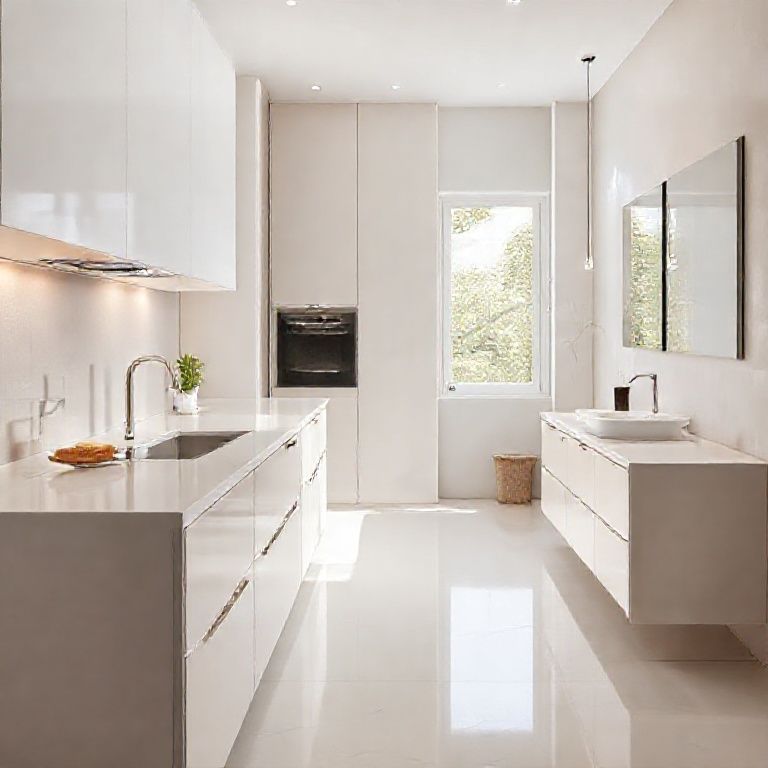
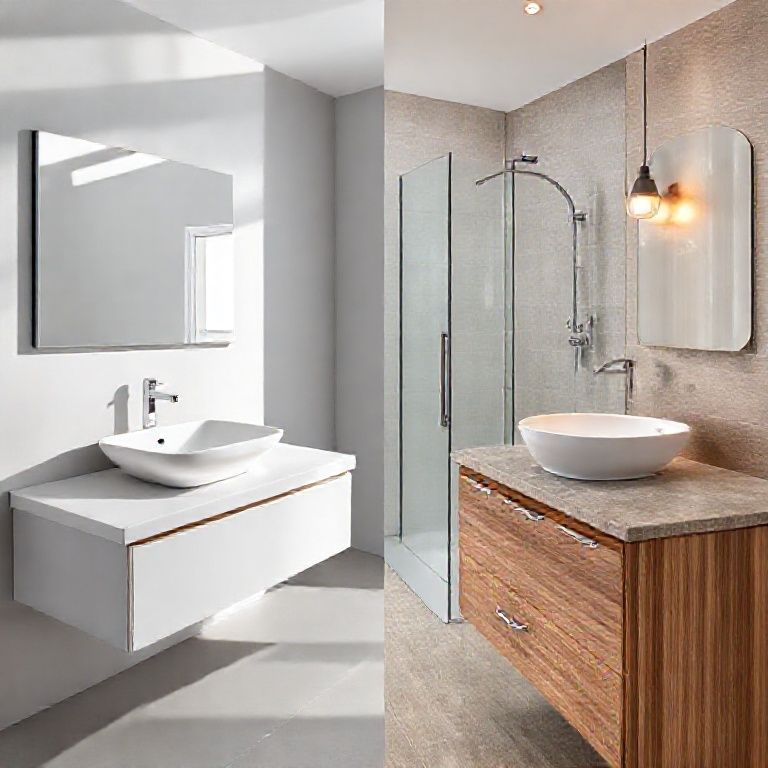
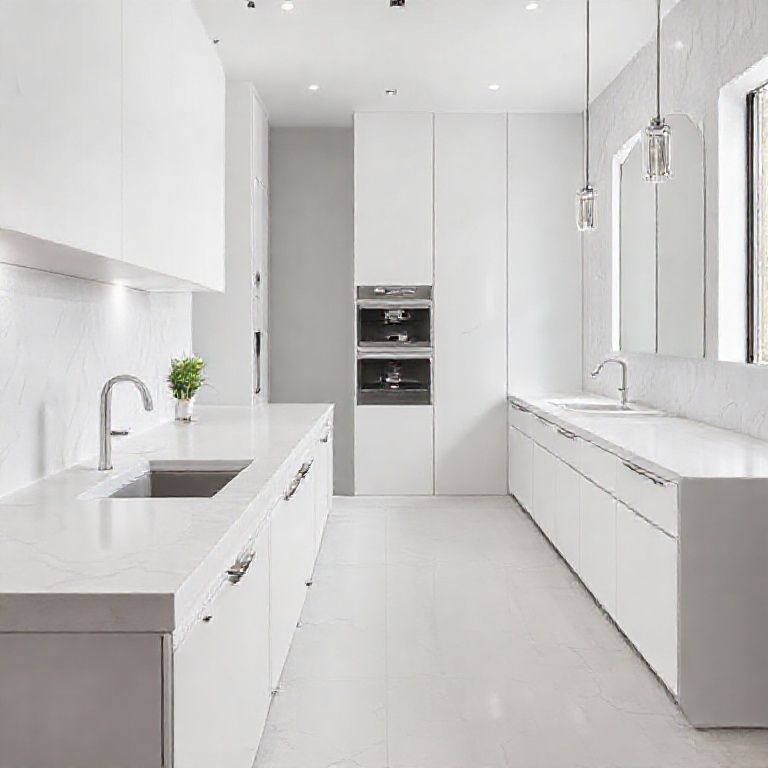
Quartz stone offers a vast array of colors and patterns, providing limitless design possibilities. From sleek and modern to rustic and traditional, you can find a quartz countertop that matches any kitchen decor style. The high-quality resin binder used in its production ensures that the colors remain vibrant and the patterns sharp, even over time.
3. Low Maintenance
Quartz stone is one of the easiest materials to clean and maintain. Simply use a mild soap and water solution to clean the surface, and avoid using abrasive cleaners or cutting boards that can scratch the surface. Its non-porous nature means it doesn’t absorb odors or bacteria, making it a hygienic choice for kitchen use.
4. Cost-Effectiveness
While quartz countertops may have a higher upfront cost compared to some other materials, their durability and low maintenance requirements often make them a cost-effective choice in the long run. They require minimal upkeep and are less likely to need replacement, saving you money on maintenance and repairs.
Stainless Steel: An Overview
Stainless steel has been a kitchen staple for decades, prized for its robust construction and sleek, modern look. Here are some of the key features and benefits of stainless steel countertops:
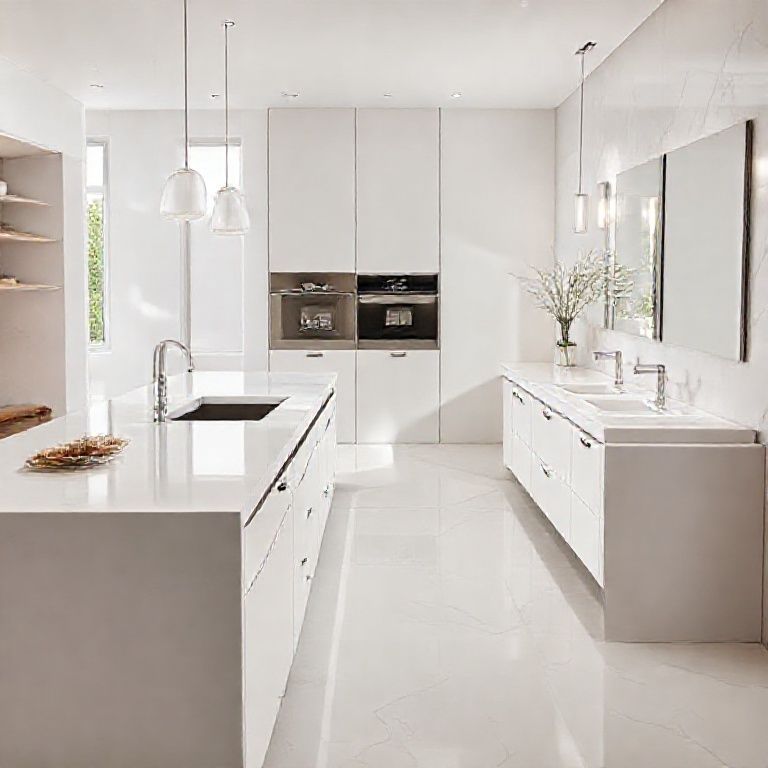
1. Strength and Durability
Stainless steel is known for its exceptional strength and durability. It is highly resistant to scratches, dents, and corrosion, making it a reliable choice for long-term use. Its ability to withstand heavy usage and abuse makes it suitable for kitchens where high traffic and heavy cooking appliances are common.
2. Aesthetic Appeal
Stainless steel offers a sleek, modern look that is universally appealing. The smooth, polished surface reflects light beautifully, creating a clean and contemporary kitchen aesthetic. Available in various finishes, from brushed to high-gloss, stainless steel provides a versatile option for modern kitchen designs.
3. Easy to Clean
One of the biggest advantages of stainless steel is its ease of maintenance. The smooth surface allows for quick and easy cleaning, as spills and stains can be wiped away without much effort. Its resistance to fingerprints and smudges makes it ideal for busy households.
4. Versatile Applications
Stainless steel is not just limited to countertops. It is also commonly used for sinks, refrigerators, and other kitchen appliances. Its versatility makes it a practical choice for kitchens that require durable, easy-to-clean surfaces in multiple areas.
5. Affordability
Stainless steel countertops are generally more affordable compared to quartz stone, offering a budget-friendly option for those looking to enhance their kitchen without breaking the bank.
Comparing Quartz Stone and Stainless Steel
When comparing quartz stone and stainless steel, several factors come into play, including durability, aesthetics, maintenance, and cost. Here’s a side-by-side comparison to help you decide which material might be best for your kitchen:
Durability
Quartz Stone: Highly durable, scratch-resistant, and non-porous. Stainless Steel: Strong and resistant to scratches, dents, and corrosion.
Aesthetics
Quartz Stone: Offers a wide range of colors and patterns, versatile for various design styles. Stainless Steel: Sleek, modern look, available in various finishes, perfect for contemporary designs.
Maintenance
Quartz Stone: Low maintenance, easy to clean, non-porous surface prevents odors and bacteria. Stainless Steel: Easy to clean, resists fingerprints and smudges, but can be more prone to scratches.
Cost
Quartz Stone: Higher upfront cost, but potentially lower long-term costs due to durability and low maintenance. Stainless Steel: More affordable upfront, but may require more frequent repairs over time.
Conclusion
Both quartz stone and stainless steel have their unique advantages and can be excellent choices for kitchen countertops. Quartz stone offers unparalleled durability, versatility in design, and low maintenance, making it a popular choice for many homeowners. On the other hand, stainless steel provides a sleek, modern look, is easy to clean, and is generally more affordable.
Ultimately, the choice between quartz stone and stainless steel will depend on your specific needs, preferences, and budget. By understanding the key features and benefits of each material, you can make a well-informed decision that will enhance the functionality and aesthetics of your kitchen for years to come.
Kitchen Renovation: Quartz Stone vs. Stainless Steel – Which is Better? (Continued)
In the second part of our comparison between quartz stone and stainless steel, we will explore in more detail the long-term considerations, installation processes, and additional maintenance tips for each material. This comprehensive guide aims to provide you with all the information you need to make an educated decision for your kitchen renovation project.
Long-Term Considerations
When considering the long-term benefits and drawbacks of quartz stone versus stainless steel, several factors come into play. Let’s delve deeper into what these materials offer over time.
1. Longevity and Wear
Quartz Stone: Known for its exceptional strength and durability, quartz stone is highly resistant to scratches, stains, and heat. Its non-porous surface ensures that liquids do not penetrate and cause damage, making it highly durable and long-lasting. Because of its high resistance to wear and tear, quartz countertops are less likely to require replacement or significant repairs over time. Stainless Steel: While stainless steel is robust and durable, it is more susceptible to scratches and dents compared to quartz stone. However, with proper care and maintenance, stainless steel countertops can last a long time. The key to longevity with stainless steel is regular cleaning and polishing to prevent scratches and maintain its sleek appearance.
2. Aesthetic Longevity
Quartz Stone: The versatility of quartz stone allows it to maintain its aesthetic appeal over time. The high-quality resin binder ensures that the colors and patterns remain vibrant and sharp, even after years of use. This means that quartz countertops can look as good as new for a long time. Stainless Steel: Stainless steel’s sleek, modern look can become dull and scratched over time if not properly maintained. However, with regular cleaning and polishing, stainless steel can maintain its aesthetic appeal. The modern look of stainless steel may become less appealing if it starts to show signs of wear and tear.
3. Cost Over Time
Quartz Stone: While quartz stone has a higher upfront cost, its durability and low maintenance requirements often make it a cost-effective choice in the long run. The low likelihood of needing repairs or replacement means that the initial investment pays off over time. Stainless Steel: Stainless steel is generally more affordable upfront, but it may require more frequent repairs due to its susceptibility to scratches and dents. Regular maintenance and potential repairs can add up over time, making the long-term cost comparison more complex.
Installation Process
The installation process for quartz stone and stainless steel countertops also varies, impacting the overall renovation experience.
1. Quartz Stone Installation
Preparation: Proper preparation is essential for a successful quartz stone installation. This includes ensuring that the underlying surface is clean, level, and free from any debris. The installation process typically involves cutting the quartz countertop to fit the kitchen space and then securing it in place using a reliable adhesive. Finishing: After the adhesive has set, a sealing process is often recommended to protect the surface from stains and spills. This step ensures that the quartz countertop remains in excellent condition over time.
2. Stainless Steel Installation
Stainless Steel Installation (继续)
Maintenance: Unlike quartz stone, stainless steel does not require any additional finishing or sealing after installation. However, regular cleaning and maintenance are crucial to keep it looking new and to prevent scratches and fingerprints.
Installation Expertise
Quartz Stone: Due to its composite nature, quartz stone often requires specialized installation expertise. Professional installers are trained to handle the delicate process of cutting, fitting, and securing quartz countertops without causing damage.
Stainless Steel: Stainless steel installation is generally less complex than quartz stone. While it still requires professional installation to ensure a seamless fit, the process is more straightforward, and many installers are familiar with handling stainless steel.
Maintenance Tips
Proper maintenance is key to ensuring the longevity and appearance of both quartz stone and stainless steel countertops. Here are some detailed tips for each material.
Quartz Stone Maintenance
Cleaning: Use a mild soap and water solution to clean the surface of the quartz countertop. Avoid using abrasive cleaners, which can scratch the surface. For tough stains, a gentle scrub with a non-abrasive sponge can help.
Cutting Boards: To prevent scratches, avoid using cutting boards directly on the quartz surface. Use a protective mat or a cutting pad instead.
Heat: While quartz is heat-resistant, it is still advisable to use potholders when handling hot cookware to prevent any potential damage.
Sealing: While quartz does not require sealing, a high-quality countertop cleaner can be used periodically to keep the surface looking its best.
Stainless Steel Maintenance
Cleaning: Use a mild soap and water solution to clean the surface of the stainless steel countertop. Avoid using abrasive cleaners, which can scratch the surface. For tough stains, a gentle scrub with a non-abrasive sponge can help.
Scratches: To prevent scratches, avoid using metal utensils or cutting boards directly on the surface. Use a cutting board or a silicone mat instead.
Fingerprints: Stainless steel can show fingerprints and smudges easily. Regular cleaning with a soft cloth will help maintain its sleek appearance.
Polishing: To keep stainless steel looking new, regular polishing with a stainless steel cleaner can help remove fingerprints and smudges, and restore its shine.
Final Considerations
When making your final decision between quartz stone and stainless steel, consider the following factors:
Design Preferences
Quartz Stone: If you prefer a versatile material with a wide range of colors and patterns to match any kitchen decor style, quartz stone is an excellent choice.
Stainless Steel: If you prefer a sleek, modern look that complements contemporary kitchen designs, stainless steel is the way to go.
Budget
Quartz Stone: While quartz stone has a higher upfront cost, its durability and low maintenance requirements often make it a cost-effective choice in the long run.
Stainless Steel: Stainless steel is generally more affordable upfront, but it may require more frequent repairs due to its susceptibility to scratches and dents.
Maintenance
Quartz Stone: Low maintenance, easy to clean, and non-porous surface prevents odors and bacteria.
Stainless Steel: Easy to clean but requires regular maintenance to prevent scratches and fingerprints.
Conclusion
Both quartz stone and stainless steel have their unique advantages and can be excellent choices for kitchen countertops. Quartz stone offers unparalleled durability, versatility in design, and low maintenance, making it a popular choice for many homeowners. On the other hand, stainless steel provides a sleek, modern look, is easy to clean, and is generally more affordable.
Ultimately, the choice between quartz stone and stainless steel will depend on your specific needs, preferences, and budget. By understanding the key features and benefits of each material, you can make a well-informed decision that will enhance the functionality and aesthetics of your kitchen for years to come.
Remember, whether you choose quartz stone or stainless steel, proper installation and maintenance are crucial to ensure the longevity and beauty of your kitchen countertops. Consult with professionals to get the best results and enjoy your newly renovated kitchen!