
In the grand tapestry of material innovation that defines contemporary design, certain elements possess an almost alchemical quality, transforming spaces and inspiring awe. Krion, a brand of solid surface material developed by Porcelanosa, stands as a prime example of such transformative power. While its global recognition is undeniable, its emergence and acceptance within the dynamic Chinese market, under the evocative name “Krion人造石” (Krion Rénzào Shí), adds a fascinating layer to its story. This Chinese designation, translating literally to “Krion Artificial Stone,” is more than just a label; it’s an entry point into understanding how this advanced material is perceived, adopted, and integrated into a culture with a rich history of artistry and craftsmanship.

The essence of Krion lies in its composition and the remarkable properties that stem from it. Primarily an acrylic-based solid surface, Krion is composed of a high percentage of natural minerals (primarily aluminum trihydrate) and acrylic resins. This unique blend results in a non-porous, durable, and highly malleable material that can be thermoformed into virtually any shape. Imagine a substance that can mimic the seamless flow of liquid, yet possess the resilience of stone. This is the magic of Krion. Its surface is exceptionally smooth, preventing the absorption of liquids and making it inherently hygienic and easy to clean. This characteristic is paramount in applications where sanitation is critical, such as healthcare facilities, laboratories, and kitchens. The non-porous nature also means it resists staining from common household substances, from coffee to wine, a boon for busy households and high-traffic commercial spaces alike.
Beyond its practical advantages, Krion’s aesthetic potential is where it truly shines. The material can be manufactured in an extensive palette of colors, ranging from pristine whites and subtle neutrals to vibrant hues and intricate patterns that emulate natural stone or wood. What sets it apart further is its ability to be seamlessly joined. Unlike traditional materials where grout lines or visible seams can disrupt the visual flow, Krion can be bonded together with specialized adhesives, creating an uninterrupted surface. This capability is a designer’s dream, allowing for the creation of monolithic structures, sweeping countertops, and integrated sinks that appear as if they were carved from a single block. The resulting visual continuity imparts a sense of elegance, sophistication, and an almost ethereal quality to any environment.
The “artificial stone” designation in its Chinese name, Krion人造石, is particularly insightful. While “artificial” might sometimes carry a connotation of inferiority in Western contexts, in many Asian cultures, “artificial” can also denote advanced engineering, meticulous craftsmanship, and a sophisticated understanding of material science. “人造石” itself is a broad category in China, encompassing various composite materials that mimic natural stone. By attaching the Krion brand name, it positions the product not just as another artificial stone, but as a premium, technologically superior offering within this established category. This strategic nomenclature helps bridge the gap between the familiar concept of artificial stone and the novel properties of Krion, making it more accessible and understandable to the Chinese market.
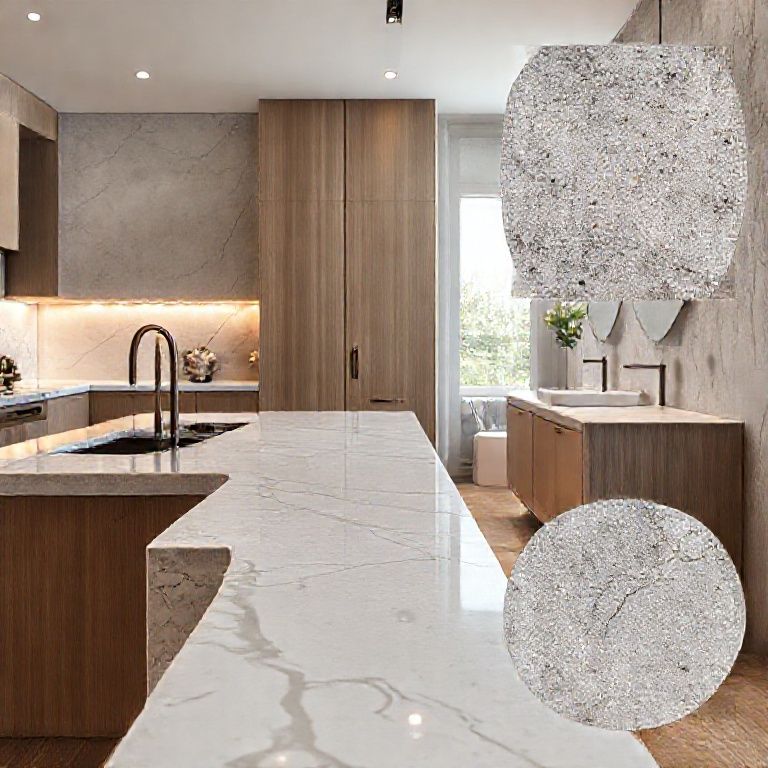
The thermoforming capability of Krion is another key aspect that resonates with the meticulous and often intricate design sensibilities found in Chinese culture. The ability to heat and bend Krion allows for the creation of complex curves, organic shapes, and bespoke installations that would be impossible with conventional solid materials. This opens up a world of creative possibilities for architects and interior designers, enabling them to push the boundaries of form and function. Whether it’s a dramatic, flowing reception desk, a uniquely sculpted bathroom vanity, or an architecturally striking façade, Krion can be molded to fit the most ambitious visions. This adaptability is crucial in a market like China, where rapid urbanization and a growing appreciation for distinctive design are driving demand for innovative building materials. The concept of “customization” and “bespoke” is highly valued, and Krion人造石 readily lends itself to these desires.
Furthermore, Krion’s inherent properties align well with traditional Chinese aesthetics that often emphasize harmony, balance, and a connection to nature. While Krion is a product of advanced technology, its ability to be rendered in soft, natural tones, or to mimic the textures of wood and stone, allows it to integrate seamlessly into spaces that seek to evoke a sense of calm and tranquility. The seamless joins contribute to this by creating a sense of visual order and flow, a principle deeply embedded in Feng Shui and traditional Chinese interior design philosophies. The simplicity and purity of a Krion surface can provide a serene backdrop for more ornate decorative elements, or stand as a minimalist statement in its own right. The material’s luminosity, especially in its lighter shades, can also contribute to an open and airy feel, a desirable characteristic in both residential and commercial spaces.
The introduction of Krion人造石 into the Chinese market is thus a story of successful cultural and technical integration. It’s about taking a material that embodies cutting-edge innovation and presenting it in a way that resonates with the local understanding of quality, aesthetics, and functional performance. The “artificial stone” moniker acts as a bridge, while the material’s inherent qualities – its seamlessness, its moldability, its hygienic surface – speak a universal language of design excellence. As we delve deeper into its applications and impact, it becomes clear that Krion is not just a material; it’s a canvas for creativity, a testament to technological prowess, and a sophisticated new chapter in the evolution of interior and architectural design.
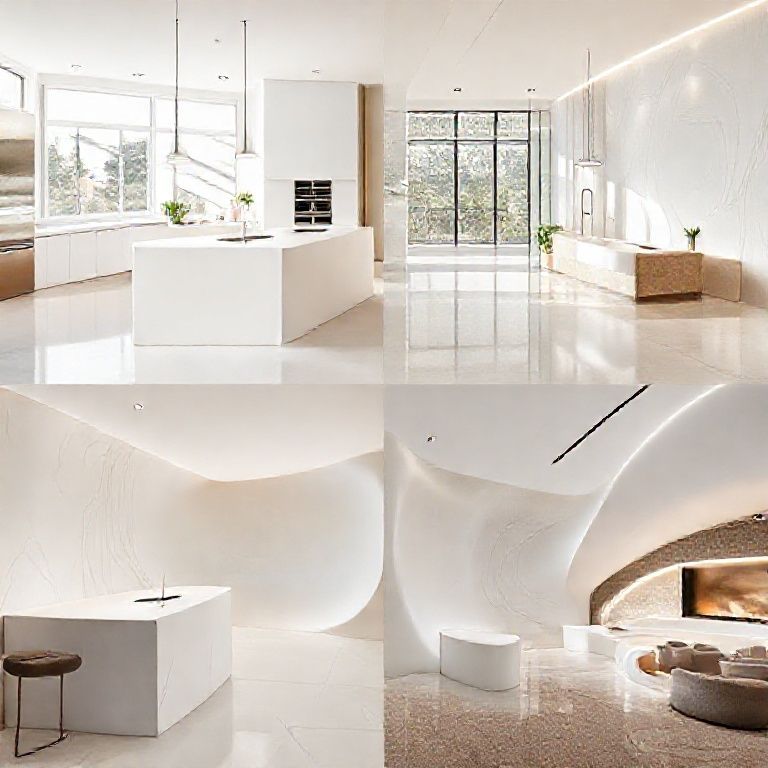
The journey of Krion人造石 within China is a compelling narrative of how a high-performance material, born from European innovation, finds its place and thrives in a market known for its discerning taste and rapid adoption of new technologies. This expansion is not merely about introducing a product; it’s about weaving its unique characteristics into the fabric of Chinese design and lifestyle, often under the careful guidance of local architects, designers, and consumers who have embraced its potential. The term “Krion人造石” has become synonymous with a modern, sophisticated approach to surface design, transcending its literal translation to represent a benchmark of quality and versatility.
One of the most striking impacts of Krion人造石 in China is its ubiquitous presence in high-end commercial spaces. From luxury hotels and designer retail outlets to state-of-the-art airports and exhibition centers, Krion has become a material of choice for creating environments that exude prestige and forward-thinking design. In hotels, seamless reception desks, elegant bar tops, and integrated bathroom vanities crafted from Krion offer a visually cohesive and hygienic experience for guests. The material’s ability to be backlit also opens up dramatic design possibilities, allowing for illuminated features that cast a soft, inviting glow, enhancing the ambiance and adding a touch of luxury. For retail spaces, Krion provides a durable and aesthetically pleasing surface for display units, counters, and wall cladding, allowing brands to create immersive and impactful customer experiences without compromising on the longevity of their interior fittings. The ease of maintenance is a significant factor here, ensuring that these high-traffic areas remain pristine and visually appealing even with constant use.
In the realm of healthcare, the hygienic properties of Krion人造石 are particularly valued. Its non-porous, seamless surface means that bacteria and pathogens have nowhere to hide, making it an ideal material for operating rooms, patient wards, laboratories, and dental clinics. The ability to create integrated sinks and seamless coving where surfaces meet walls significantly reduces the potential for contamination and simplifies the cleaning process. This aligns with China’s growing emphasis on public health infrastructure and the demand for advanced, sanitary materials in medical facilities. The tranquil and clean aesthetic that Krion can help create also contributes to a more calming and therapeutic environment for patients.
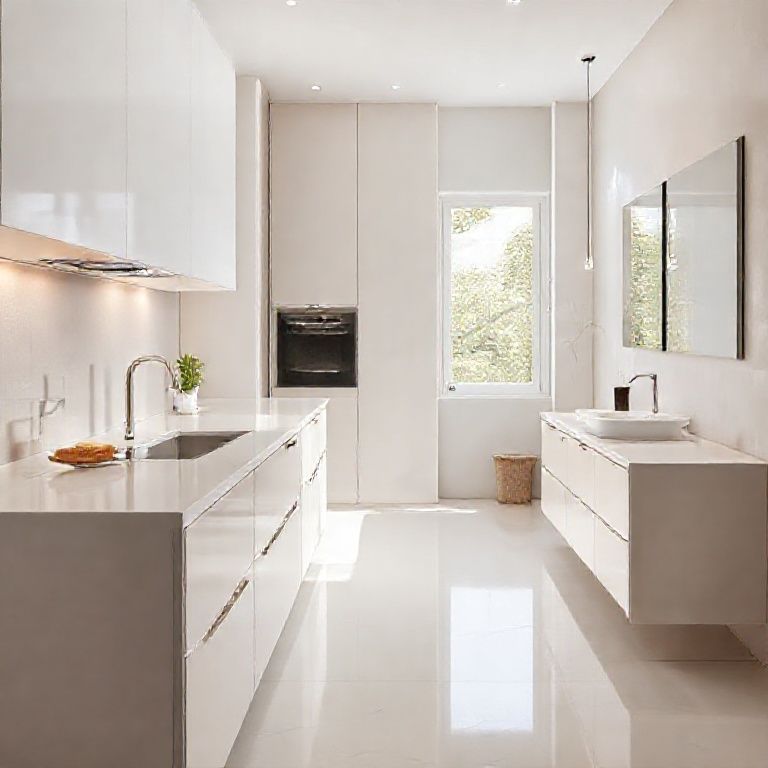
The residential sector in China is also increasingly recognizing the benefits of Krion人造石. As Chinese consumers become more sophisticated in their design preferences and more aware of material innovations, they are seeking durable, beautiful, and healthy materials for their homes. Krion countertops, integrated sinks, and bathroom surfaces offer a premium upgrade, providing both aesthetic appeal and practical advantages. The vast color and pattern selection allows homeowners to personalize their spaces, whether they prefer the look of natural marble without the associated maintenance challenges, or a bold, contemporary statement in a vibrant color. The seamless integration of sinks into countertops, for instance, not only enhances the visual flow but also eliminates the collection points for dirt and grime that can plague traditional sink installations.
The thermoforming capabilities of Krion人造石 have spurred a wave of innovative architectural and design projects across China. Architects and designers are leveraging this unique property to create complex, sculptural elements that push the boundaries of conventional construction. This could manifest as uniquely curved façade panels that create dynamic building envelopes, free-form interior partitions that redefine spatial relationships, or bespoke furniture pieces that are as much art as they are functional objects. This capacity for organic and fluid forms resonates with a growing appreciation for contemporary artistic expression in China, where design is increasingly seen as a means of personal and cultural statement. The ability to achieve such intricate shapes with a durable and high-performance material like Krion is a significant advantage for ambitious projects.
The “artificial stone” nomenclature, Krion人造石, also plays a crucial role in its market positioning. While Krion offers a level of sophistication and performance far beyond traditional artificial stones, this classification helps anchor it within a familiar product category for consumers. It implies a level of craftsmanship and material expertise that is readily understood. However, the brand itself, Krion, coupled with Porcelanosa’s global reputation, elevates it beyond the generic. It suggests a premium interpretation of artificial stone, one that is technologically advanced, aesthetically superior, and environmentally conscious. This dual identity allows Krion to appeal to both those seeking familiar quality and those actively looking for the latest in material science.
Looking ahead, the influence of Krion人造石 in China is poised to grow further. As the country continues to develop its urban landscapes and as consumer demand for quality, aesthetics, and sustainability increases, materials that offer a compelling blend of all these attributes will naturally gain prominence. Krion’s inherent durability means that it is a long-term investment, a characteristic that appeals to a market increasingly focused on value and longevity. Furthermore, its recyclability and the development of new formulations that enhance its environmental profile are becoming increasingly important considerations for developers and consumers alike, aligning with global trends and China’s own environmental goals. The story of Krion人造石 in China is far from over; it is a continuously evolving narrative of innovation, adaptation, and the enduring pursuit of beautiful, functional, and advanced living spaces.









