Understanding Artificial Stone Countertops and Oil Stains
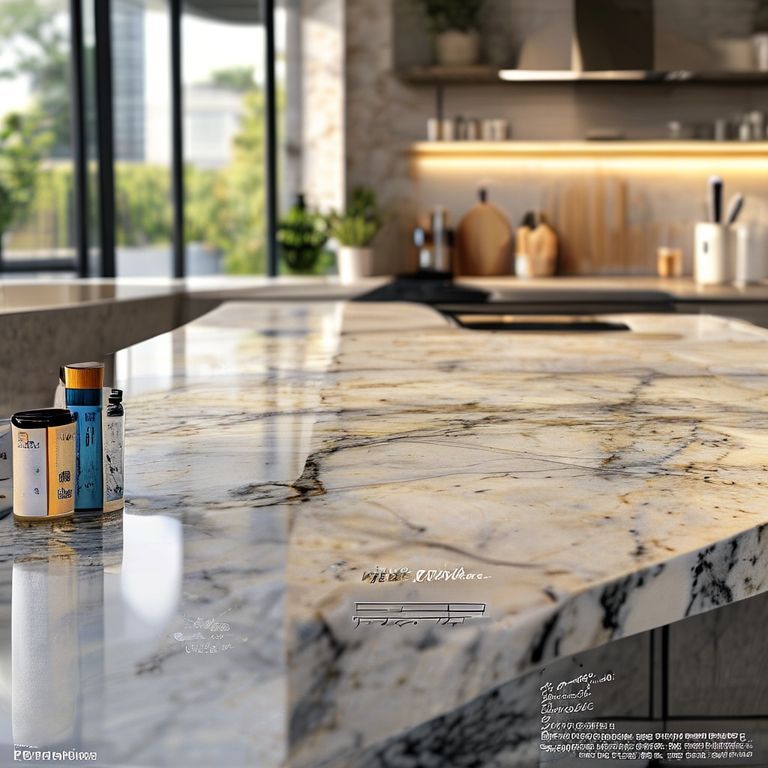
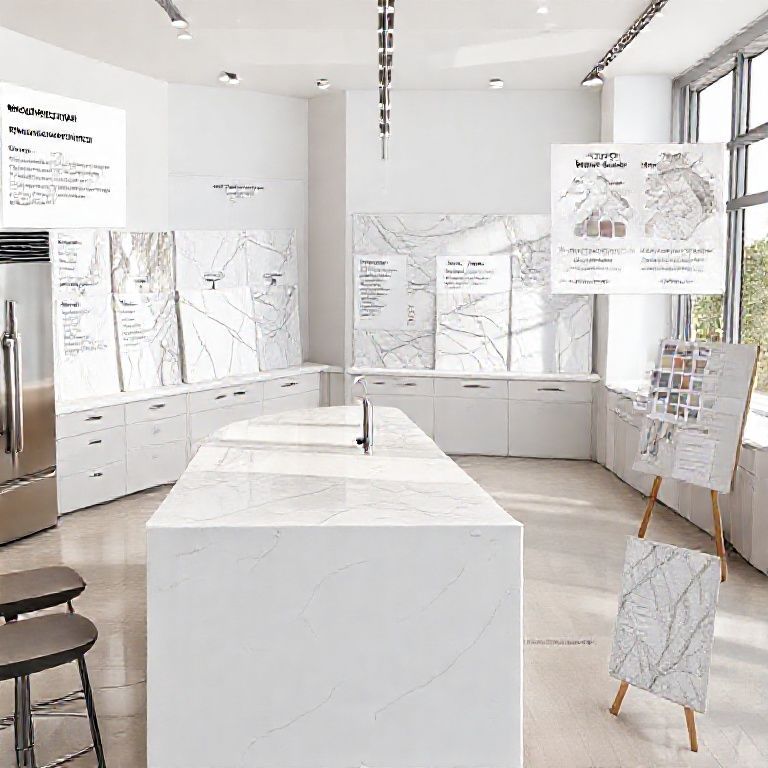
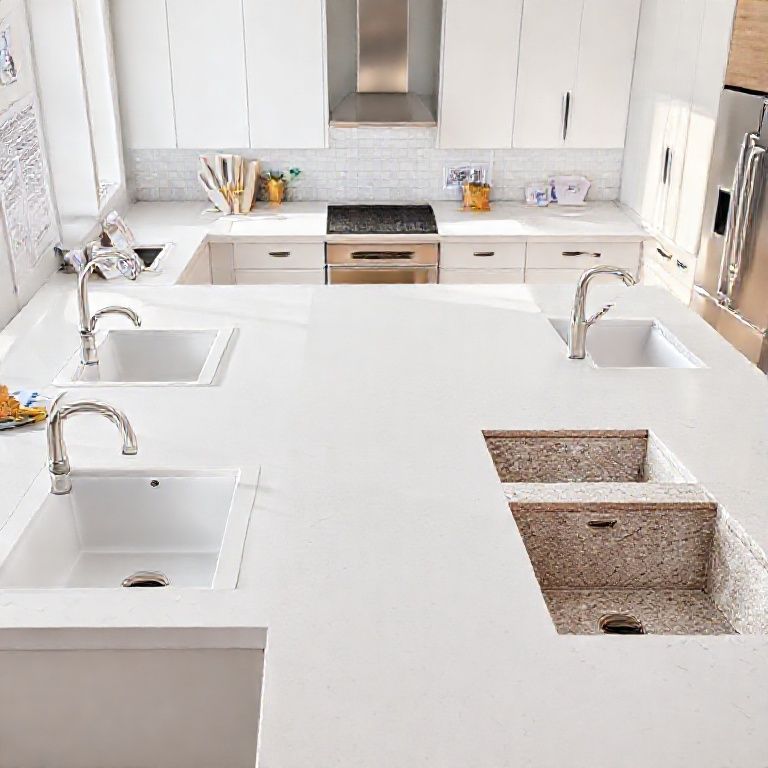
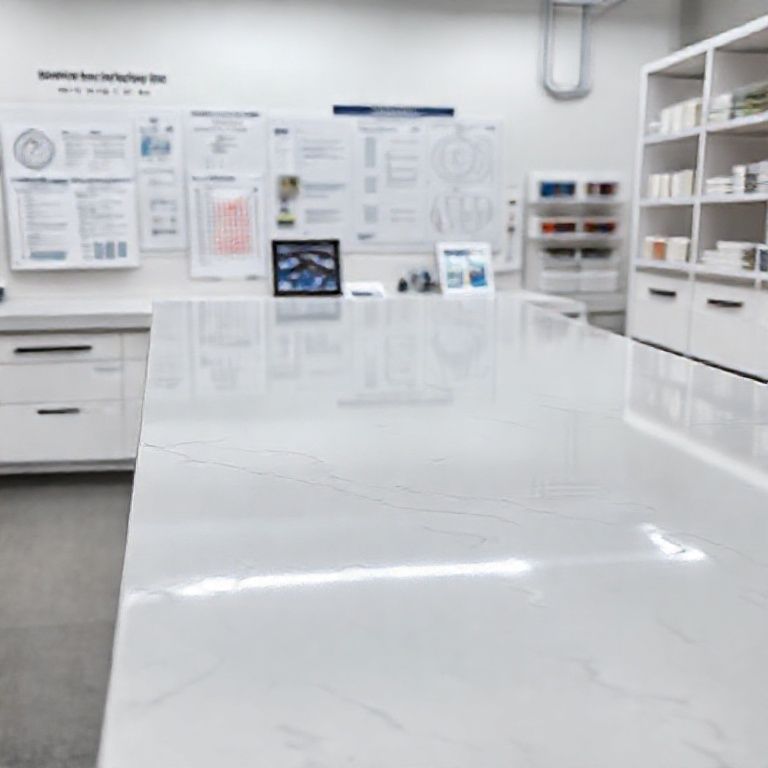
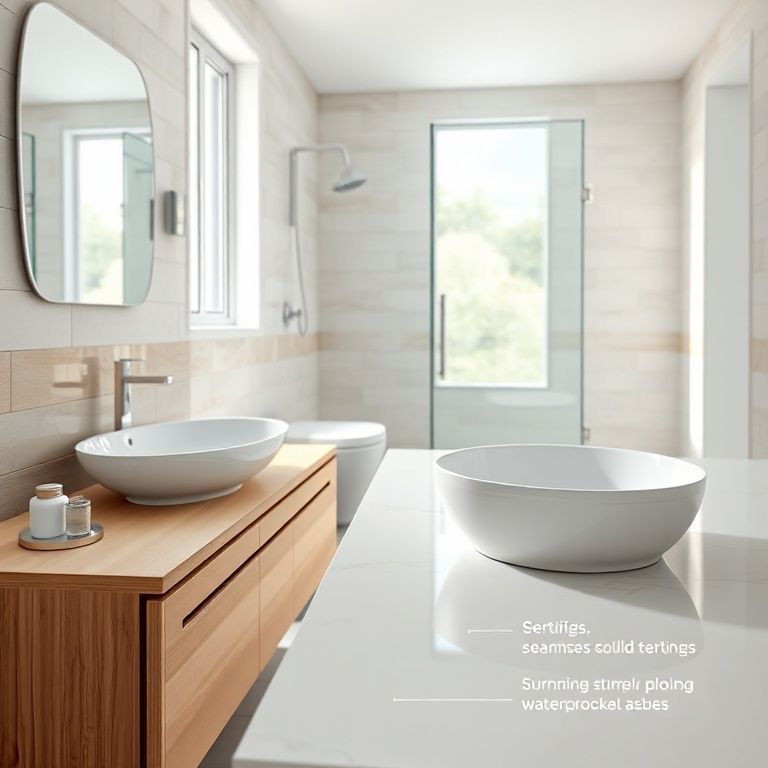
Artificial stone countertops have revolutionized modern kitchen and bathroom design, offering the aesthetic appeal of natural stone without the high maintenance and cost. These countertops, often made from a composite of minerals and resins, provide a sleek, durable, and easy-to-clean surface. However, despite their robustness, they can still be susceptible to oil stains from cooking, food preparation, and daily use. Understanding the composition and maintenance of artificial stone countertops is essential for effective cleaning and long-lasting beauty.
The Composition of Artificial Stone Countertops
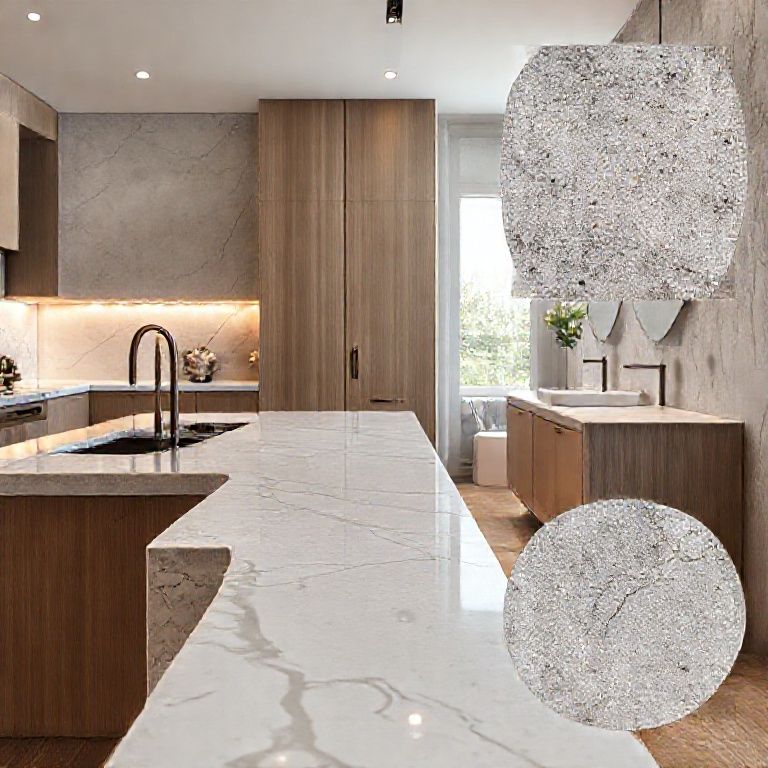
Artificial stone, sometimes referred to as engineered stone or cultured stone, is a blend of natural stone powders and a polymer resin binder. This combination creates a material that mimics the appearance of natural stone while offering enhanced durability and resistance to chipping, cracking, and staining. Common types include:
Corian: A type of acrylic stone known for its high resistance to stains, scratches, and bacteria. Cretestone: A resin-based stone that is strong and durable, often used in high-traffic areas. Quarrystone: A composite material that closely resembles the texture and appearance of natural stone.
Why Oil Stains Are a Problem
Oil stains on artificial stone can be particularly challenging to remove because oils can penetrate the surface and become embedded. Unlike natural stone, which often has a porous surface that can be wiped clean, artificial stone has a smoother, more non-porous finish that can trap oils and other substances, leading to unsightly stains. If left untreated, these stains can dull the appearance of the countertop and potentially damage the material over time.
Identifying Oil Stains
Oil stains are usually characterized by their greasy feel and shiny appearance. They can range from light, almost translucent stains to dark, deep-set marks. Identifying these stains correctly is crucial for choosing the right cleaning method. Typically, you’ll notice:
A greasy or slick texture when touched. A shiny or glossy appearance. Stains that are resistant to regular cleaning products.
Preventive Measures
Prevention is always better than cure. To avoid oil stains on your artificial stone countertops, consider the following preventive measures:

Use Protective Mats: Place non-slip mats or trivets under pots, pans, and baking dishes when cooking. Immediate Cleanup: Wipe up spills and drips immediately after they occur. Avoid Abrasive Cleaners: Use non-abrasive cleaners to avoid scratching the surface. Regular Maintenance: Clean your countertops regularly to prevent stains from setting in.
Choosing the Right Cleaning Products
Selecting the right cleaning product is critical for maintaining the integrity of your artificial stone countertop. Here are some guidelines:
Avoid Harsh Chemicals: Chemicals like bleach, ammonia, and vinegar can damage the surface. Opt for Mild Cleaners: Use pH-neutral, non-abrasive cleaners specifically designed for artificial stone. Commercial Cleaners: Consider using commercial cleaners formulated for artificial stone to ensure you’re not compromising the surface.

Step-by-Step Cleaning Process
When oil stains do appear, follow this step-by-step cleaning process to restore your countertop to its pristine condition:
Preparation: Gather your cleaning supplies, including a soft cloth, mild detergent, warm water, and a pH-neutral stone cleaner.
Initial Wipe Down: Dampen a soft cloth with warm water and mild detergent, and wipe down the entire countertop to remove any surface dirt and grime.
Tackle Stains: For oil stains, apply a small amount of pH-neutral stone cleaner directly to the stain. Use a soft cloth to gently rub the cleaner into the stain in a circular motion.
Rinse: Wipe the area with a damp cloth to remove any soap residue.
Dry: Dry the area with a clean, dry cloth to prevent water spots.
Repeat if Necessary: If the stain persists, repeat the process, ensuring you use less pressure each time to avoid scratching the surface.
By understanding the properties of artificial stone and employing the right cleaning techniques, you can maintain the beauty and functionality of your countertops for years to come. In the next part of this guide, we will delve deeper into advanced cleaning techniques, explore natural remedies, and provide tips for long-term maintenance.
Advanced Cleaning Techniques and Long-Term Maintenance for Artificial Stone Countertops
While basic cleaning methods can handle most everyday spills and stains, there are times when more advanced techniques are required to restore the luster and integrity of artificial stone countertops. This part of the guide will cover advanced cleaning methods, natural remedies, and essential tips for long-term maintenance.
Advanced Cleaning Techniques
When regular cleaning methods don’t suffice, especially for stubborn or deep-set oil stains, consider these advanced techniques:
1. Microfiber Cloths and Polishing Compounds
Microfiber cloths are highly absorbent and gentle on surfaces. To tackle tough stains:
Polishing Compound: Use a polishing compound designed for stone surfaces. Apply a small amount to a microfiber cloth and gently rub the stain in a circular motion. Buffing: After applying the compound, use a clean section of the microfiber cloth to buff the area until the stain is removed.
2. Ultrasonic Cleaners
For particularly stubborn oil stains, ultrasonic cleaners can be effective. These devices use high-frequency sound waves to remove deep-seated oils:
Preparation: Fill the ultrasonic cleaner with a cleaning solution designed for stone. Immersion: Place the affected area in the ultrasonic cleaner for the recommended time (usually a few minutes). Rinse and Dry: After cleaning, rinse the area with warm water and dry thoroughly with a soft cloth.
3. Chemical Solvents
In extreme cases, chemical solvents specifically designed for artificial stone may be necessary. Always follow the manufacturer’s instructions carefully:
Application: Apply the solvent to a soft cloth and gently rub the stain. Rinse: Rinse with warm water and dry immediately to prevent damage.
Natural Remedies
For those who prefer eco-friendly cleaning solutions, several natural remedies can be effective against oil stains:
1. Baking Soda and Vinegar
A mixture of baking soda and vinegar can act as a mild abrasive and deodorizer:
Sprinkle Baking Soda: Sprinkle a generous amount of baking soda over the stain. Vinegar Solution: Apply vinegar to the baking soda to create a fizzy reaction. Scrub: Use a soft cloth to scrub the mixture into the stain. Rinse and Dry: Rinse with warm water and dry with a clean cloth.
2. Lemon Juice and Salt
Lemon juice acts as a natural cleaner and deodorizer:
Rubbing Lemon: Rub a lemon over the stain to break down oils. Salt Paste: Make a paste with lemon juice and salt. Apply it to the stain and let it sit for a few minutes before wiping clean.
3. Olive Oil and Dish Soap
An unusual but effective method is using olive oil and dish soap:
Mix Solution: Combine equal parts of olive oil and dish soap. Apply: Rub the mixture into the stain with a cloth. Wipe Clean: After a few minutes, wipe clean with a damp cloth.
Long-Term Maintenance Tips
To keep your artificial stone countertops looking their best, follow these long-term maintenance tips:
1. Regular Cleaning
Consistency is key:
Daily Cleaning: Wipe down your countertops daily with a damp cloth and mild detergent to remove spills and grime. Weekly Cleaning: Use a pH-neutral cleaner once a week for a deeper clean.
2. Avoiding Damage
Preventative care can save you from extensive cleaning later:
Use Trivets: Always use trivets or pot holders for hot pots and pans. Avoid Sharp Objects: Do not use knives or other sharp objects to scrape off spills. Protect the Surface: Avoid placing heavy objects directly on the surface without a protective mat.
3. Proper Storage
Proper storage can prevent spills and stains:
Food Storage: Store food in sealed containers to avoid spills. Cooking Utensils: Store cooking utensils on lower shelves or use drawer organizers.
4. Professional Cleaning
For heavily soiled countertops, consider professional cleaning services:
Hiring Professionals: Professional cleaners can use specialized equipment and products to ensure your countertops remain in pristine condition.
5. Regular Inspections
Regularly inspect your countertops for any signs of wear or damage:
Spot Checks: Look for any areas that may need extra attention. Immediate Action: Address any stains or damage immediately to prevent further issues.
By employing advanced cleaning techniques and adhering to long-term maintenance practices, you can ensure that your artificial stone countertops remain beautiful继续保持这些良好的习惯,并在日常生活中注意以下几点,以进一步提升你的健康和幸福感:
1. 营养均衡
确保饮食中包含各种营养素,包括蛋白质、碳水化合物、健康脂肪、维生素和矿物质。尽量选择新鲜的水果、蔬菜、全谷物、瘦肉和鱼类。
2. 水分摄入
每天饮用足够的水,帮助维持身体各项功能。成人通常建议每天摄入约2升水,但具体需要量因人而异。
3. 心理健康
关注自己的心理健康,如果感到压力或焦虑,可以寻求专业帮助。参加社交活动、做喜欢的事情、冥想或瑜伽都有助于放松心情。
4. 睡眠
保持规律的睡眠时间,确保每天获得7-9小时的高质量睡眠。睡前避免使用电子设备,创造一个舒适的睡眠环境。
5. 定期体检
定期进行健康体检,可以早期发现潜在的健康问题,并及时采取措施。
6. 社交关系
维护和发展良好的人际关系,包括家人、朋友和同事。积极的社交生活有助于心理健康和幸福感。
7. 终身学习
保持对新知识和技能的学习兴趣,无论是通过阅读、参加课程还是其他形式的学习。这不仅能提升个人能力,还能带来满足感和成就感。
8. 兴趣爱好
培养和发展个人兴趣爱好,如音乐、绘画、运动、阅读等。这些活动不仅能丰富生活,还能提供精神上的放松和满足。
9. 环境保护
关注和参与环境保护活动,比如减少塑料使用、节约资源、支持环保产品等。这不仅对环境有益,还能让你感受到为社会贡献的成就感。
10. 自我反思
定期进行自我反思,评估自己的生活目标和成就,调整计划以实现更高的目标。记录日记或写下每日感想,有助于更好地理解和管理自己的情绪和行为。
通过这些方面的持续关注和改进,你可以在多个层面上提升自己的健康和幸福感,过上更充实和有意义的生活。