${part1}
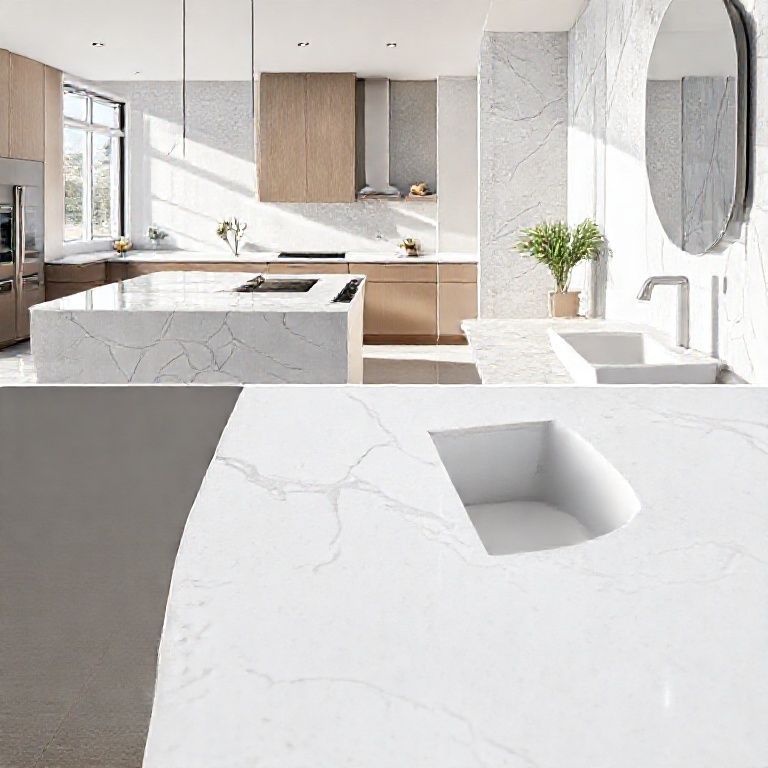
In today’s fast-paced kitchen environments, synthetic stone countertops have become a popular choice due to their durability and low-maintenance properties. However, despite their resilience, these countertops are not immune to stains and spills that can mar their appearance over time. Whether it’s from coffee, red wine, or food splatters, knowing how to effectively clean these stains is crucial to maintaining the sleek, modern look of your kitchen. In this first part of our comprehensive guide, we will delve into the best methods and products to ensure your synthetic stone countertops remain spotless.

Understanding Synthetic Stone Countertops
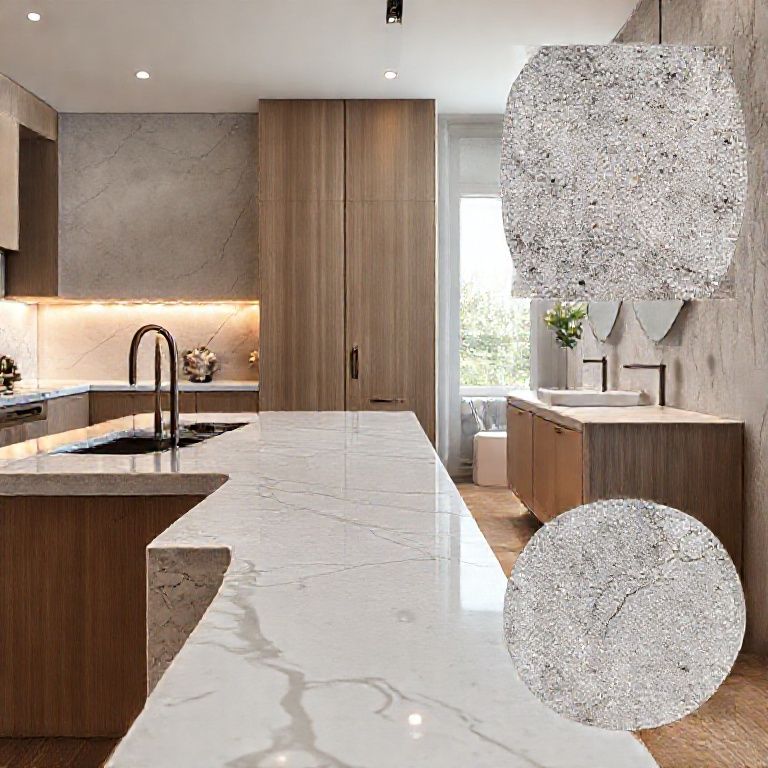
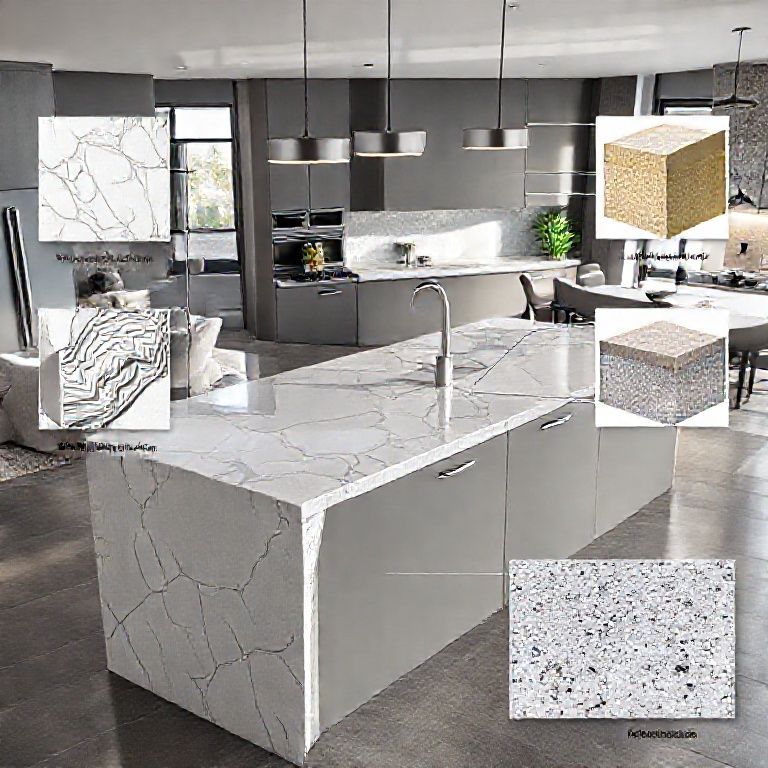
Before diving into the cleaning techniques, it’s essential to understand what synthetic stone is and why it behaves the way it does when stained. Synthetic stone, often referred to as quartz or similar composite materials, is made from a blend of natural stone dust and polymers. This composition makes it highly resistant to heat, stains, and scratches, but it does require specific care to maintain its pristine condition.
Common Stains and Their Causes
Synthetic stone countertops can face various types of stains, each requiring different cleaning methods:
Oil and Grease Stains: These are common in kitchens and can come from cooking or spills. Oil-based stains can seep deep into the stone, making them harder to remove.

Water Spots: Despite being water-resistant, synthetic stone can still develop water spots, especially if not wiped immediately after spills.
Food Stains: From sauces to sugary spills, food stains can be stubborn and require careful treatment.
Ink Stains: Spilled ink from markers or pens can be particularly challenging to remove from synthetic stone.

Essential Cleaning Tools and Products
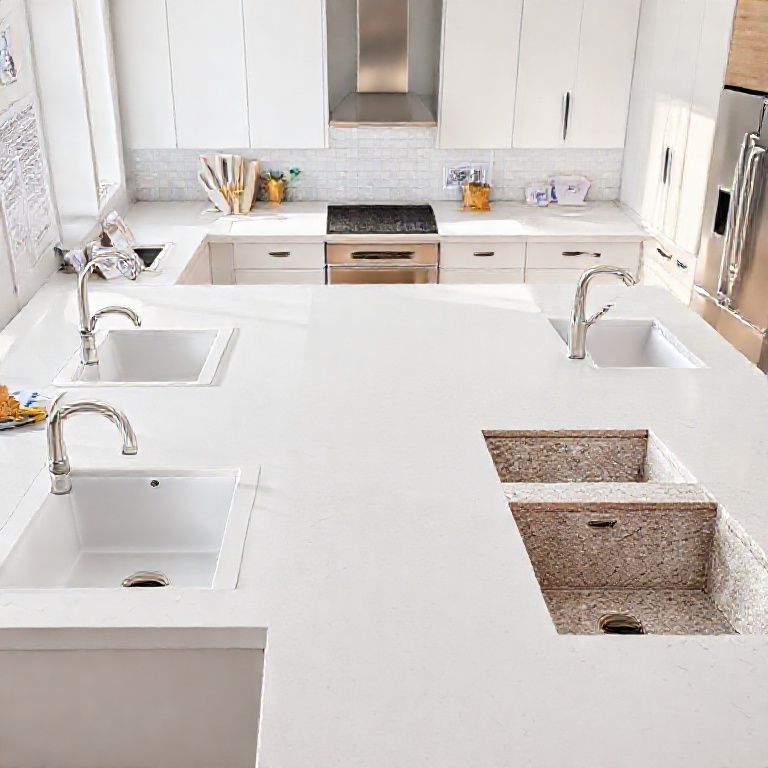
To tackle these stains effectively, you will need a few essential tools and products:
Mild Dish Soap: A gentle cleanser that helps remove grease and minor spills without damaging the countertop.
Baking Soda: Known for its abrasive yet gentle cleaning properties, it can help lift stains.
White Vinegar: A natural disinfectant that can break down some tough stains.
Hydrogen Peroxide: Effective for bleaching and whitening stains.
Microfiber Cloths: Soft and absorbent, these are perfect for cleaning without scratching the surface.
Specialized Cleaners: There are commercial cleaners designed specifically for synthetic stone that can offer more powerful yet safe cleaning options.
Cleaning Techniques
Oil and Grease Stains
Immediate Action: For fresh spills, immediately wipe the area with a cloth dampened with mild dish soap and warm water.
Baking Soda Paste: Create a paste using baking soda and water. Apply it to the stain and let it sit for 15 minutes before scrubbing gently with a soft brush.
Vinegar Solution: For older grease stains, mix equal parts of white vinegar and water. Apply with a cloth and let it sit for 10-15 minutes before wiping clean.
Water Spots
Vinegar Solution: Similar to grease stains, a mix of equal parts white vinegar and water can be used to remove water spots.
Rubbing Alcohol: For persistent spots, a cloth dampened with rubbing alcohol can be used to wipe the affected area.
Food Stains
Baking Soda and Hydrogen Peroxide: Create a paste using baking soda and hydrogen peroxide. Apply to the stain, let it sit for 10 minutes, then scrub gently with a soft brush.
Dish Soap and Baking Soda: Mix dish soap with baking soda to form a thick paste. Apply to the stain and let it sit for 20 minutes before scrubbing gently.
Ink Stains
Hydrogen Peroxide: Apply hydrogen peroxide directly to the stain and let it sit for 10 minutes. Scrub gently with a soft brush to remove the stain.
Baking Soda Paste: For tougher ink stains, use a baking soda paste to scrub the area.
Prevention Tips
To keep your synthetic stone countertops in top condition and minimize the risk of stains, consider these preventive measures:
Immediate Wipe-Up: Always clean up spills immediately to prevent stains from setting in.
Use Coasters and Trivets: Protect your countertop from heat and spills by using coasters and trivets.
Regular Maintenance: Regularly clean your countertops with a mild soap and water solution to maintain their appearance.
Stay tuned for part two, where we will explore more advanced cleaning techniques and showcase visual tutorials to help you master the art of maintaining your synthetic stone countertops.
${part2}
In the second part of our detailed guide on cleaning stains from synthetic stone countertops, we will explore advanced cleaning techniques, detailed step-by-step instructions, and provide visual tutorials to help you achieve a pristine kitchen countertop. Building on the foundational knowledge from part one, this section will cover tougher stains, specialized cleaning solutions, and preventive maintenance strategies to keep your countertops looking immaculate.
Advanced Cleaning Techniques
Deep Cleaning with Specialized Cleaners
For those looking to go beyond basic cleaning, specialized cleaners designed for synthetic stone countertops can offer powerful yet safe cleaning options.
Synthetic Stone Cleaners: Brands like Stone Care and Granite Gold offer products specifically formulated for maintaining synthetic stone surfaces. Follow the manufacturer’s instructions for application and ensure to rinse thoroughly after use.
Commercial Polishing Pastes: For an extra shine, commercial polishing pastes can be used to restore the natural luster of your synthetic stone. Apply with a clean cloth, buff with a microfiber cloth, and rinse thoroughly.
Dealing with Tough Stains
Even with the best care, some stains can be particularly stubborn. Here’s how to tackle them:
Persistent Oil Stains: Enzymatic Cleaners: Enzymatic cleaners can break down organic matter and are effective for stubborn grease stains. Apply according to the product instructions and let it sit for the recommended time before scrubbing gently. Coffee and Tea Stains: Baking Soda and Vinegar: Create a paste using baking soda and water. Apply to the stain, let it sit for 15 minutes, then scrub gently with a soft brush. Follow up with a vinegar solution to neutralize any remaining baking soda. Wine and Juice Stains: Hydrogen Peroxide and Baking Soda: Mix hydrogen peroxide with baking soda to form a paste. Apply to the stain, let it sit for 10 minutes, then scrub gently with a soft brush.
Visual Tutorials
To make the cleaning process even easier, we have included step-by-step visual tutorials for some of the most common stains. These tutorials will provide you with clear, easy-to-follow instructions to ensure you achieve the best results.
Tutorial 1: Removing Grease Stains
Step 1: Apply a baking soda paste to the grease stain and let it sit for 15 minutes.
Step 2: Gently scrub the area with a soft brush.
Step 3: Wipe clean with a damp cloth and dry with a microfiber cloth.
Tutorial 2: Tackling Water Spots
Step 1: Mix equal parts of white vinegar and water.
Step 2: Apply the solution to the water spots and let it sit for 15 minutes.
Step 3: Wipe clean with a damp cloth and dry with a microfiber cloth.
Tutorial 3: Removing Ink Stains
Step 1: Apply hydrogen peroxide directly to the ink stain and let it sit for 10 minutes.
Step 2: Gently scrub the area with a soft brush.
Step 3: Wipe clean with a damp cloth and dry with a microfiber cloth.
Preventive Maintenance Strategies
To keep your synthetic stone countertops looking their best, consistent maintenance is key. Here are some preventive strategies to help maintain your countertops:
Regular Cleaning: Use a mild soap and water solution to clean your countertops regularly. Avoid harsh chemicals that can damage the surface.
Use Coasters and Trivets: Protect your countertops from heat and spills by using coasters and trivets.
Immediate Spill Cleanup: Always clean up spills immediately to prevent stains from setting in.
Avoid Abrasive Cleaners: Stick to mild cleaners and avoid abrasive scrub pads that can scratch the surface.
Final Thoughts
Maintaining synthetic stone countertops doesn’t have to be daunting.记得定期检查你的综合清洁策略,并根据需要进行调整。通过持续的关注和恰当的清洁方法,你可以确保你的人造石台面长久保持其美丽和功能性。
定期的维护不仅能延长台面的使用寿命,还能保持它的原始光泽和质感,使你的厨房始终焕然一新。
使用正确的清洁工具:微纤维布是非常适合清洁人造石台面的,因为它们不会刮伤表面。使用带有橡胶涂层的海绵也是不错的选择,但要谨慎使用,以免过度摩擦。
避免酸性和碱性物质:尽量避免使用含有强酸或强碱的清洁剂,因为这些物质可能会对人造石表面造成损害。
定期抛光:每隔几个月使用一次温和的抛光剂,可以帮助恢复台面的光泽,使其看起来更加新鲜。
防止污渍渗透:如果发现新的污渍,请尽快清理。新的污渍更容易清除,而长期未清理的污渍可能会渗透到台面内部,难以去除。
适当的保养:一些高级的人造石台面可能需要定期使用特定的保养油或护理液,以保持其光泽和防水性能。根据产品说明进行保养,可以有效延长台面的使用寿命。
通过遵循这些建议,你的人造石台面将保持其最佳状态,不仅美观而且功能强大。定期的保养和正确的清洁方法是确保你的台面持久如新的关键。希望这些信息对你有所帮助,让你的厨房始终焕发光彩!