Introduction to Artificial Marble Countertop Restoration
Artificial marble, also known as engineered stone, has become a popular choice for countertops due to its durability, affordability, and aesthetic appeal. However, despite its robust nature, artificial marble can still suffer from scratches, chips, and discoloration over time. Proper maintenance and timely restoration can extend the life and beauty of your artificial marble countertops. In this comprehensive guide, we will explore the essential techniques, tools, and tips required to restore your artificial marble surfaces effectively.
Understanding the Composition of Artificial Marble
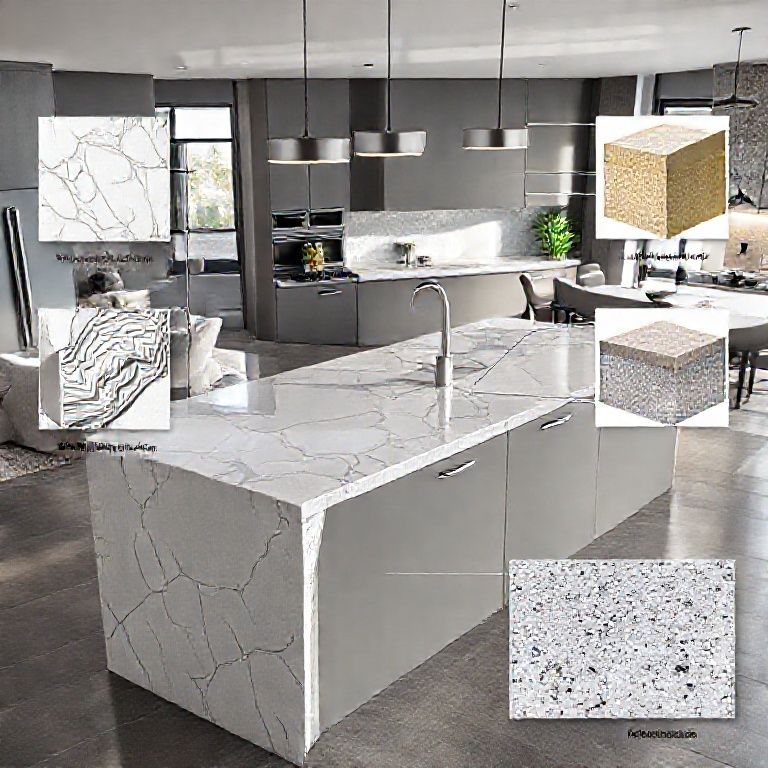
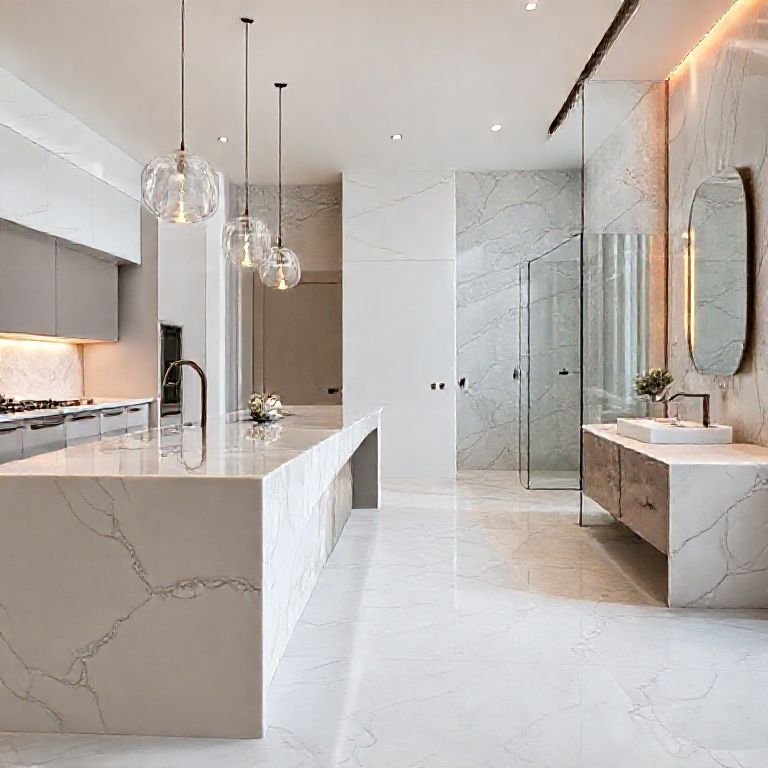
Before diving into the restoration process, it’s crucial to understand what artificial marble is made of. Unlike natural marble, artificial marble is a composite material made from a blend of stone powder, resin, and other additives. This composition gives it a unique set of characteristics, including high strength and resistance to staining. However, it can still be susceptible to damage from certain chemicals, abrasives, and heavy impacts.
Initial Assessment and Preparation
The first step in any restoration project is a thorough assessment of the damage. Begin by inspecting the countertop for any scratches, chips, stains, or other imperfections. Take detailed notes and photographs to document the extent of the damage. This will help you determine the appropriate restoration method and materials needed.
Preparation is key to a successful restoration. Ensure that the countertop is clean and free of any dust, grease, or debris. Use a mild soap and water solution to clean the surface, followed by a thorough drying. It’s also important to wear protective gear such as gloves and safety glasses to safeguard against any harsh chemicals or abrasives used during the restoration process.
Basic Restoration Techniques
For minor scratches and surface imperfections, a gentle cleaning and polishing can often suffice. Here’s a step-by-step guide:
Surface Cleaning: Use a soft cloth or a microfiber sponge with a mild cleaning solution to remove any surface dirt and grime. Avoid using harsh chemicals that can damage the countertop.
Minor Scratch Removal: For minor scratches, a polishing compound can be used to smooth out the surface. Apply a small amount of the compound to a soft cloth and gently rub the affected area in a circular motion. Be careful not to apply too much pressure.

Stain Removal: For stains caused by spills or discoloration, specialized stain removers designed for artificial marble can be effective. Follow the manufacturer’s instructions for application and ensure to test the product on a small, inconspicuous area first.
Polishing: After cleaning and stain removal, use a fine polish to restore the shine of the countertop. Apply the polish with a clean cloth and buff the surface in a circular motion until the shine returns.
Advanced Restoration Techniques
For more significant damage, such as deep scratches, chips, or extensive discoloration, advanced restoration techniques are required. These methods may involve the use of specialized tools and materials:

Deep Scratch Repair: For deep scratches, a process called “micro-abrasion” can be used. This involves using a specialized abrasive compound and a polishing machine to gently remove the damaged surface layer and reveal the fresh, undamaged material beneath. This method requires precision and should ideally be performed by a professional.
Chip and Crack Repair: Small chips and cracks can often be repaired using a filler or epoxy resin. Apply the filler to the damaged area, smooth it out with a putty knife, and let it cure according to the manufacturer’s instructions. Once cured, polish the area to blend it seamlessly with the surrounding surface.
Discoloration Restoration: Discoloration can be challenging, but there are several methods to address this issue. Using a bleaching agent designed for artificial marble, carefully apply the solution to the stained area. Follow up with a thorough cleaning and polishing to restore the original color.
Tools and Materials Needed for Restoration
Restoring artificial marble countertops requires specific tools and materials to ensure effective and safe restoration. Here’s a list of essential items:
Microfiber Cloths: Ideal for cleaning and polishing surfaces without scratching. Polishing Compounds: Various grades of polish for different types of damage. Abrasive Compounds: Specialized compounds for micro-abrasion and deep scratch removal. Epoxy Resin: For repairing chips and cracks. Bleaching Agents: To remove discoloration. Protective Gear: Gloves, safety glasses, and masks to protect against chemicals and debris. Polishing Machines: For micro-abrasion and deep scratch repair.
Conclusion
Artificial marble countertops offer a blend of beauty and durability, but they require proper care and maintenance to maintain their appearance over time. With the right techniques, tools, and a bit of patience, you can restore your artificial marble surfaces to their former glory. Whether you opt for minor repairs or advanced restoration methods, following these guidelines will ensure a successful and long-lasting restoration.
Stay tuned for the second part of our guide, where we will delve deeper into specific restoration techniques and provide expert video tutorials to help you master the art of artificial marble countertop restoration.
Advanced Techniques and Expert Tips for Artificial Marble Countertop Restoration
Welcome back to our comprehensive guide on artificial marble countertop restoration. In this second part, we will explore more advanced techniques and provide expert tips to help you achieve professional-level results. We will also introduce expert video tutorials to demonstrate these methods in action, ensuring you have all the knowledge and tools needed to restore your artificial marble countertops effectively.
Advanced Restoration Techniques
For significant damage that cannot be addressed with basic methods, advanced techniques are necessary. These methods involve specialized tools and materials that require more skill and precision. Here are some advanced techniques:
Micro-Abrasion: This technique is highly effective for deep scratches and surface imperfections. Using a micro-abrasion machine and a specialized abrasive compound, the damaged surface layer is gently removed to reveal the fresh, undamaged material beneath. This method requires a steady hand and proper training to avoid over-abrasion and uneven surfaces.
Chemical Etching: For extensive discoloration and staining, chemical etching can be used. This involves applying a chemical solution that etches the surface to a uniform depth, followed by a thorough cleaning and polishing to restore the original appearance. This method should be performed by a professional to ensure safety and effectiveness.
Filler and Epoxy Application: For large chips, cracks, and uneven surfaces, using filler and epoxy resin is essential. Carefully mix the resin according to the manufacturer’s instructions, apply it to the damaged area, and smooth it out with a putty knife. Allow it to cure completely, then polish the area to blend it seamlessly with the surrounding surface.
Expert Tips for Successful Restoration
Restoring artificial marble countertops requires attention to detail and adherence to best practices. Here are some expert tips to ensure successful restoration:
Preparation is Key: Always start with a thorough assessment and cleaning of the countertop. Ensure the surface is free of dirt, grease, and debris to allow the restoration materials to adhere properly.
Use Appropriate Tools: Use the right tools for each step of the restoration process. Specialized tools like micro-abrasion machines and polishing machines can make a significant difference in the final result.
Follow Manufacturer’s Instructions: Always follow the manufacturer’s instructions for any products used during restoration. This ensures the safety of the materials and the longevity of the restoration.
Test on Small Areas: Before applying any restoration product or technique to large areas, test it on a small, inconspicuous area first. This helps to ensure that the product works as expected and does not cause unwanted damage.
Patience and Precision: Restoration can be a meticulous process. Take your time and work carefully to avoid creating new imperfections. Precision is crucial for achieving a seamless finish.
Video Tutorials for Expert Restoration Techniques
To help you master the art of artificial marble countertop restoration, we have compiled a series of expert video tutorials. These videos provide step-by-step demonstrations of advanced restoration techniques, including micro-abrasion, chemical etching, and filler application. Watching these tutorials will give you a visual understanding of the processes involved and help you apply these techniques confidently.
Video 1: Micro-Abrasion Technique
In this video, we demonstrate the micro-abrasion technique for removing deep scratches and restoring the surface of artificial marble countertops. Watch as our expert technician uses a micro-abrasion machine and specialized abrasive compounds to achieve a flawless finish. This video covers everything from preparation to final polishing, providing a comprehensive guide to micro-abrasion.
Video 2: Chemical Etching for Discoloration
This video focuses on the chemical etching technique for addressing extensive discoloration and staining on artificial marble countertops. Our expert technician shows you how to safely apply the chemical solution, clean the surface, and polish it to restore the original appearance. This tutorial highlights the importance of safety precautions and proper technique.
Video 3: Filler and Epoxy Application for Large Chips
In this tutorial, we demonstrate how to use filler and epoxy resin to repair large chips and cracks on artificial marble countertops. Watch as our expert technician carefully applies the filler and epoxy, smooths it out, and allows it to cure. This video provides detailed instructions on blending the repaired area seamlessly with the surrounding surface.
Video 4: Comprehensive Restoration Process
This comprehensive video covers the entire restoration process, from initial assessment to final polishing. Our expert technician walks you through each step, including cleaning, micro-abrasion, chemical etching, filler application, and polishing. This video is perfect for anyone looking to gain a complete understanding of the restoration process for artificial marble countertops.
Maintenance Tips to Extend the Life of Your Artificial Marble Countertops
To ensure that your restored artificial marble countertops remain beautiful and durable, it’s essential to follow proper maintenance practices:
Regular Cleaning: Clean your countertops regularly using a mild soap and water solution. Avoid using harsh chemicals or abrasive cleaners that can damage the surface.
Avoiding Spills and Stains: Use protective pads or coasters under items that may cause spills or stains. Immediately clean up any spills to prevent staining and discoloration.
Heat Protection: Avoid placing hot pots, pans, or other heat sources directly on the countertop. Use trivets or heat-resistant pads to protect the surface from heat damage.
Spill-Proof Containers: When storing cleaning supplies or other chemicals, use spill-proof containers to prevent accidental spills that could stain the countertop.
Professional Maintenance: Periodically have your countertops professionally cleaned and inspected to ensure they remain in top condition.
Conclusion
Restoring artificial marble countertops can be a rewarding DIY project when done correctly. With the right techniques, tools, and a bit of patience, you can bring your countertops back to their original beauty. By following our expert tips and watching our video tutorials, you’ll have all the knowledge and guidance needed to achieve professional-level results. Remember to maintain your countertops properly to extend their life and keep them looking great.
Thank you for joining us in this comprehensive guide to artificial marble countertop restoration. We hope you find this information helpful and that your countertops look as good as new after following our advice and expert tutorials.
If you have any questions or need further assistance, feel free to reach out to our customer support team. Happy restoring!