Discover the ultimate guide to repairing and polishing cracks in artificial stone countertops with our detailed, step-by-step tutorial. Learn the best techniques and tools to restore your countertops to their original beauty, with easy-to-follow instructions and professional tips. Perfect for DIY enthusiasts and professionals alike.
artificial stone countertop, crack repair, polishing, restoration, repair tutorial, countertop maintenance, DIY, stone countertop repair, crack fix, resurfacing stone
Mastering the Art of Artificial Stone Countertop Crack Repair and Polishing: A Comprehensive Guide
Artificial stone countertops are a popular choice for both residential and commercial spaces due to their durability, low maintenance, and aesthetic appeal. However, like any material, they can develop cracks over time due to heavy use, accidental drops, or improper installation. Cracks can be a significant concern as they not only affect the appearance of the countertop but can also lead to more extensive damage if left unaddressed. Fortunately, with the right techniques and tools, you can repair and polish artificial stone countertops to restore their original beauty.
Understanding Artificial Stone Countertops
Before diving into the repair process, it’s essential to understand the composition of artificial stone countertops. These countertops are typically made from a mixture of minerals, resins, and pigments. The most common types include quartz, corian, and onyx. Each type has unique properties, but they all share the characteristic of being relatively easy to repair compared to natural stone.
Identifying the Type of Crack
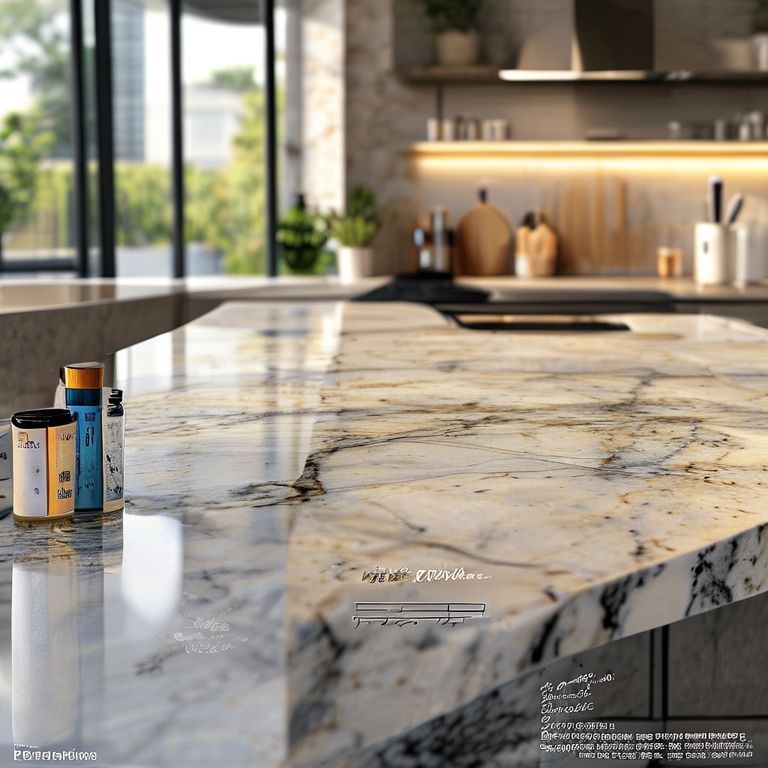
The first step in repairing cracks in artificial stone countertops is to identify the type of crack. Cracks can vary in size, depth, and location. They can be hairline cracks, deep splits, or even spider web cracks spreading from a single point. Understanding the nature of the crack will help determine the most effective repair method.
Hairline Cracks: Fine and shallow cracks that are often cosmetic. Deep Cracks: More significant splits that might go deeper into the material. Spider Web Cracks: Radial cracks that spread from a single point.
Tools and Materials Needed
To repair and polish artificial stone countertops, you will need the following tools and materials:
Epoxy Resin: Specifically designed for repairing artificial stone. Filler: To match the countertop’s color and texture. Sandpaper: Various grits for smoothing and polishing. Polishing Compound: To achieve a glossy finish. Cleaning Supplies: To prepare the surface for repair. Masking Tape: To protect adjacent areas. Brushes and Applicators: For applying epoxy and filler.
Step-by-Step Repair Process
Step 1: Preparation
Clean the Area: Thoroughly clean the cracked area using a suitable cleaner to remove any grease, dust, or debris. This ensures the epoxy resin adheres properly. Dry the Surface: Ensure the area is completely dry before proceeding with the repair. Mask Off: Use masking tape to protect the surrounding areas from the epoxy resin.
Step 2: Apply Epoxy Resin
Mix the Epoxy: Follow the manufacturer’s instructions to mix the epoxy resin. This typically involves combining two components in a specific ratio. Apply the Epoxy: Using a brush or applicator, carefully apply the epoxy along the crack. Make sure to fill the crack completely, ensuring no gaps remain. Smooth the Surface: Use a putty knife or a similar tool to smooth out the epoxy, ensuring it is level with the countertop surface.
Step 3: Allow to Cure
Drying Time: Allow the epoxy to cure as per the manufacturer’s instructions. This usually takes several hours but can vary based on the thickness of the applied resin.
Step 4: Sanding
Initial Sanding: Once the epoxy has cured, use a coarse-grit sandpaper to smooth out the epoxy. Start with a grit like 40 or 60. Fine Sanding: Progress to a finer grit, such as 120 or 220, to achieve a smoother surface. Final Sanding: For the final touch, use a very fine grit sandpaper, such as 400 or 600, to ensure the surface is perfectly smooth.
Step 5: Polishing
Apply Polishing Compound: Using a soft cloth, apply the polishing compound to the repaired area. Buff the Surface: Using a clean, dry cloth or a polishing machine, buff the area to achieve a glossy finish. This step will bring out the countertop’s original shine and blend the repaired area seamlessly with the rest of the surface.
Preventing Future Cracks
To maintain the longevity of your artificial stone countertops, consider the following preventive measures:
Avoid Heavy Objects: Place heavy items on trivets or cutting boards to prevent stress on the surface. Use Coasters: Always use coasters for hot drinks to avoid thermal shock. Regular Cleaning: Clean the countertop regularly to prevent the buildup of food particles and grease that can cause cracks.
Conclusion
Repairing cracks in artificial stone countertops is a straightforward process that can be done with the right tools and techniques. By understanding the nature of the crack and following a detailed repair process, you can restore your countertop to its original beauty. Regular maintenance and preventive measures will help ensure your artificial stone countertop remains in excellent condition for years to come.
Explore advanced techniques for polishing artificial stone countertops to achieve a flawless finish. Learn professional tips and tricks to enhance the appearance of your countertops, with detailed, step-by-step instructions and expert advice.
artificial stone countertop, polishing, resurfacing, countertop finish, repair, maintenance, stone countertop, DIY, countertop polishing techniques, professional tips
Advanced Techniques for Polishing Artificial Stone Countertops
Artificial stone countertops not only offer durability and low maintenance but also allow for a variety of finishes that can enhance the aesthetic appeal of your space. Achieving a high-gloss, flawless finish requires a combination of the right tools, materials, and techniques. This guide will walk you through advanced methods for polishing your artificial stone countertops to perfection.
Understanding the Polishing Process
Polishing artificial stone countertops involves several steps to remove imperfections and enhance the surface shine. Unlike natural stone, artificial stone responds well to polishing, which can bring out its natural beauty and make it look brand new. The process typically includes cleaning, sanding, and applying a polishing compound.
Cleaning the Surface
Before you begin polishing, it’s crucial to clean the countertop thoroughly. This step removes any grime, grease, or residue that can interfere with the polishing process.
Choose the Right Cleaner: Use a mild, pH-neutral cleaner specifically designed for artificial stone. Avoid abrasive cleaners that can scratch the surface. Wipe Down: Dampen a cloth with the cleaner and wipe down the entire surface of the countertop. Pay special attention to areas with food stains or grease. Rinse and Dry: Rinse the countertop with clean water to remove any cleaner residue, then dry it with a clean towel to prevent water spots.
Sanding for Smoothness
Sanding is a critical step in preparing the surface for polishing. It removes minor scratches and imperfections, creating a smooth base for the polishing compound.
Start with Coarse Grit: Begin with a coarse-grit sandpaper, such as 40 or 60. Gently sand the surface in the direction of the grain to remove scratches and imperfections. Progress to Finer Grits: Move to a finer grit, like 120 or 220, to smooth out the surface further. Repeat the sanding process, ensuring even coverage. Final Sanding: Finish with a very fine grit, such as 400 or 600, to achieve a silky smooth surface.
Applying Polishing Compound
Once the surface is thoroughly sanded, it’s time to apply the polishing compound to enhance the shine and bring out the countertop’s natural beauty.
Choose the Right Compound: Select a high-quality polishing compound suitable for artificial stone. Ensure it matches the color and finish of your countertop. Apply the Compound: Using a clean, soft cloth, apply a small amount of the polishing compound to the countertop. Spread it evenly over the surface using circular motions. Buffing Technique: Use a clean, dry cloth or a polishing machine to buff the surface. Apply firm pressure and continue to buff in circular motions until the compound begins to dry. Final Buffing: Once the compound has dried, give the surface a final buff to achieve a brilliant, mirror-like finish.
Advanced Polishing Techniques
To achieve an exceptional shine, consider these advanced polishing techniques:
Two-Compound Method: Use a dual-compound method for a deeper polish. Apply a medium-grit compound first to remove minor imperfections, then follow with a finer compound for a high-gloss finish.
Microfiber Cloths: Use high-quality microfiber cloths for polishing. They are gentle on the surface and provide a streak-free finish.
Polishing Machines: For larger countertops, a polishing machine can save time and ensure a当然,继续介绍一些关于高光抛光技巧和更多的细节:
使用打磨器具:对于大面积的抛光,可以考虑使用电动打磨器具,如旋转式打磨机或抛光机。确保设备设置在适当的速度和压力,以避免过度加工或损伤表面。
抛光液选择:根据不同的抛光需求,可以选择不同类型的抛光液。例如,对于较为耐用的人造石材,可以选用粗粒度的抛光液进行初步处理,然后再用细粒度的抛光液进行精细抛光。
间歇式抛光:在抛光过程中,可以采用间歇式的方法,即每涂抹一层抛光液后,用干布擦干,然后再涂抹下一层,这样可以避免抛光液在表面过度积聚,从而获得更好的抛光效果。
光滑度检查:在抛光过程中,定期用手指触摸表面,以检查光滑度。如果有任何粗糙的地方,可以用更细的砂纸或更细的抛光液进行进一步处理。
保护措施:在整个抛光过程中,确保佩戴适当的防护装备,如手套、护目镜和口罩,以保护自己免受化学品和细小颗粒的伤害。
环境控制:在进行抛光时,保持工作环境的通风良好,避免在封闭空间进行操作,以减少吸入有害物质的风险。
清洁和保养:抛光完成后,使用中性清洁剂和水彻底清洗抛光区域,以去除任何残留的抛光液和磨料。定期保养可以延长人造石台面的使用寿命,保持其光泽和美观。
通过以上这些步骤和技巧,你可以有效地修复和抛光人造石台面上的裂纹,使其恢复原有的美观和耐用性。如果条件允许,建议在专业人士的指导下进行复杂的修复和抛光工作,以确保最佳效果。