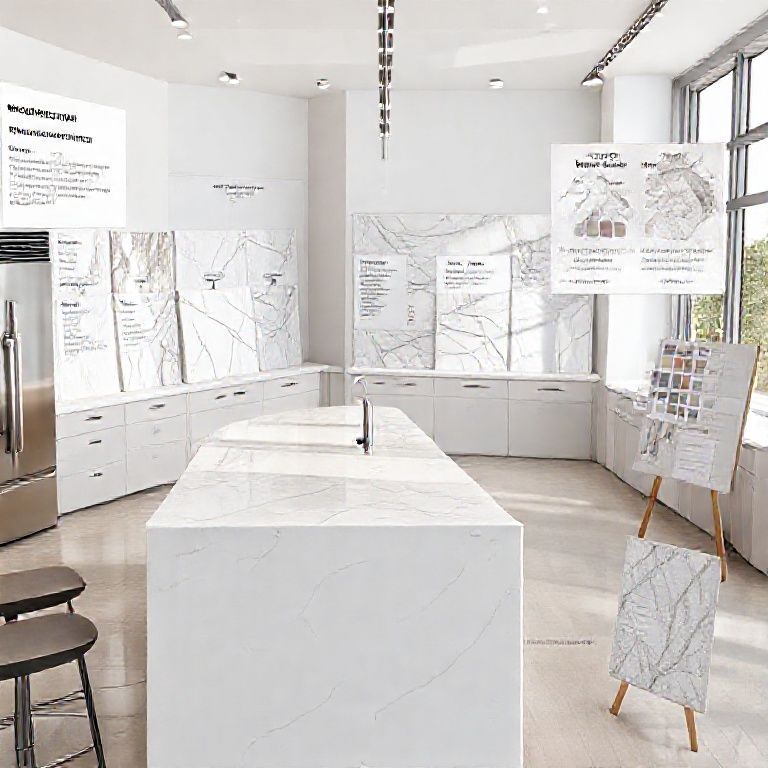
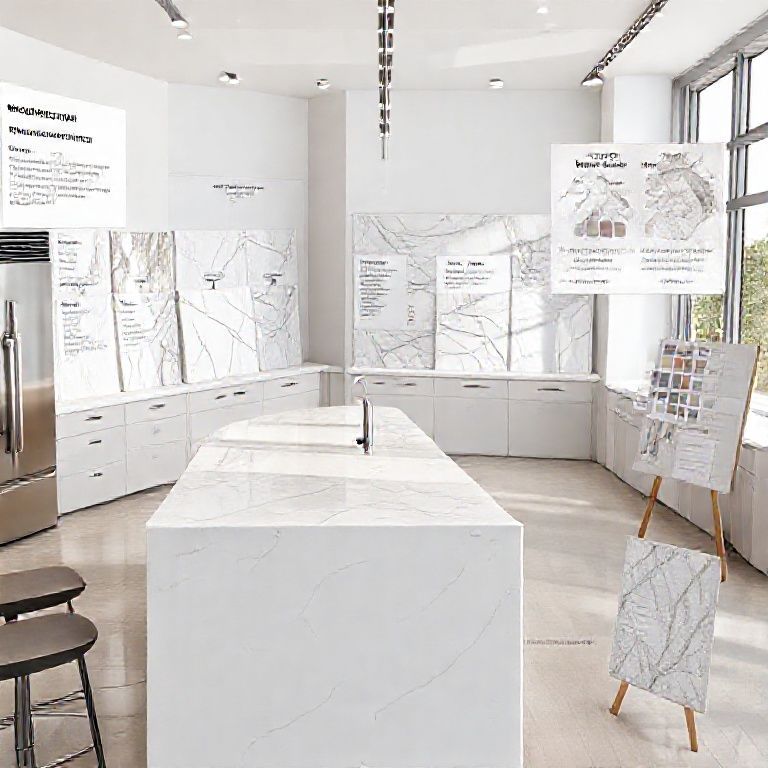
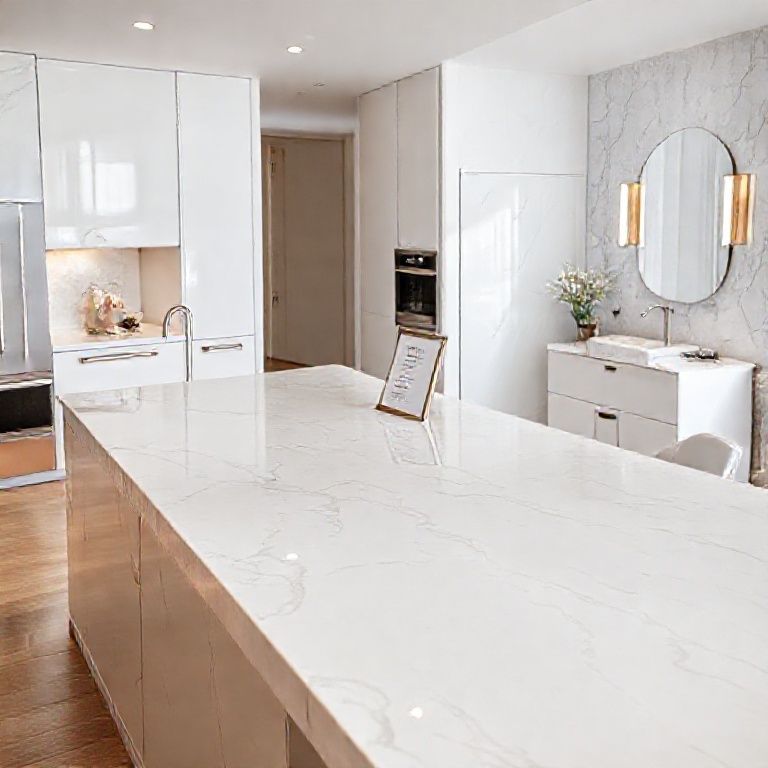
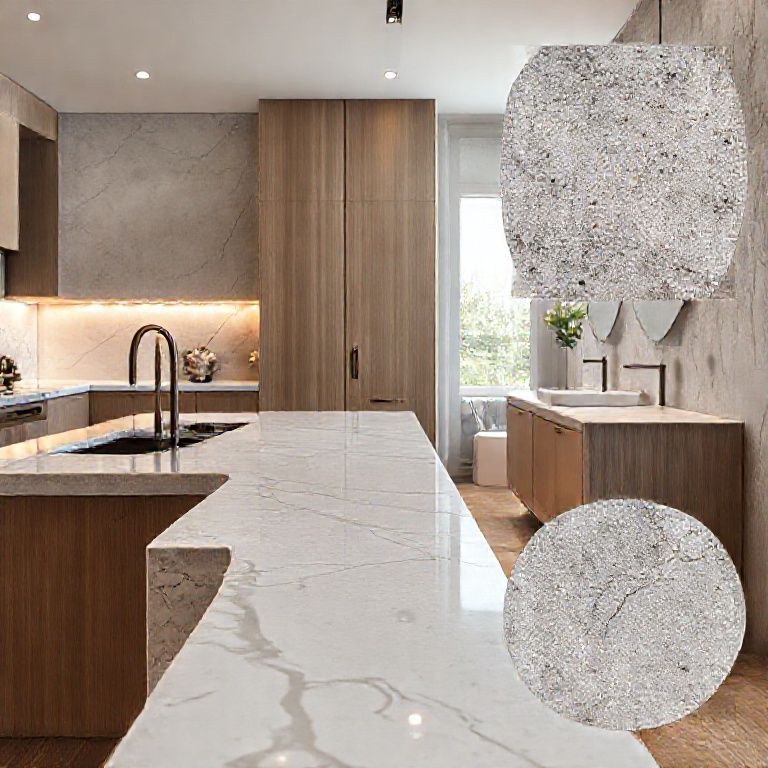
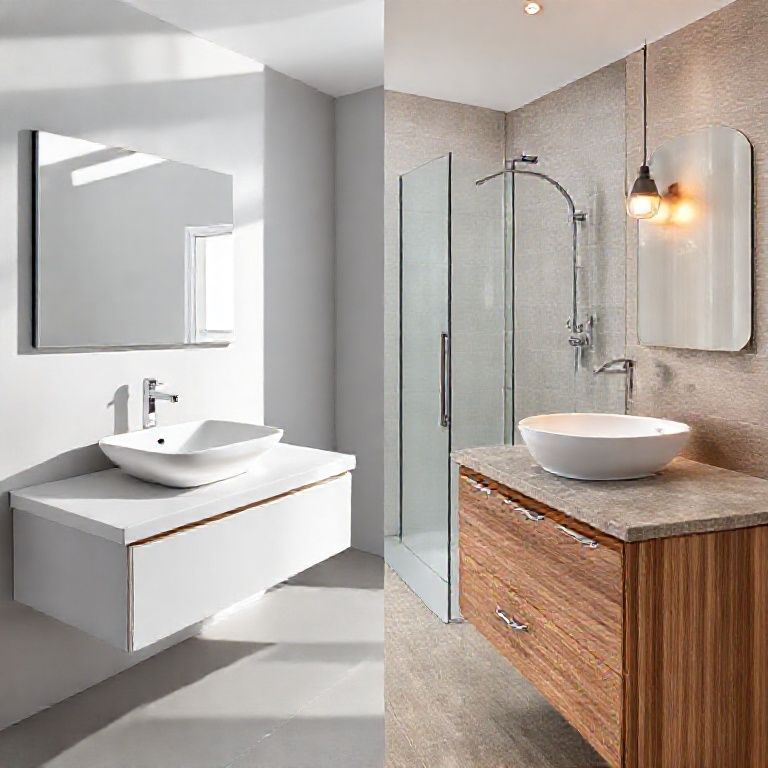
Discover expert tips and tricks to keep your artificial stone countertops looking pristine. From easy-to-follow cleaning methods to preventive measures, this comprehensive guide will help you maintain the beauty and longevity of your kitchen and bathroom surfaces.
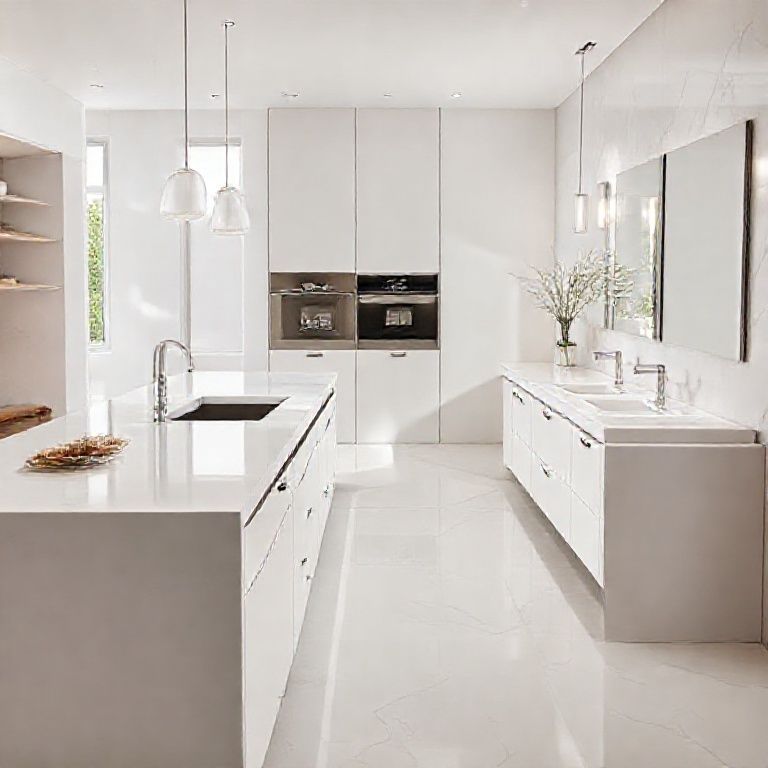
artificial stone countertops, cleaning artificial stone, stone countertop stains, stone countertop maintenance, kitchen countertop cleaning, bathroom countertop cleaning, cleaning tricks, artificial stone stain removal, countertop care, natural stone look
Mastering the Art of Cleaning Artificial Stone Countertops: Expert Tips and Tricks
Artificial stone countertops have revolutionized modern kitchen and bathroom design, offering a luxurious yet durable alternative to traditional natural stone surfaces. They provide a natural stone look with the added benefit of being less prone to staining and easier to maintain. However, despite their resilience, these surfaces still require regular care to maintain their pristine appearance. In this first part of our comprehensive guide, we will delve into the essential cleaning methods and preventive measures to keep your artificial stone countertops immaculate.
Understanding Your Artificial Stone Countertops
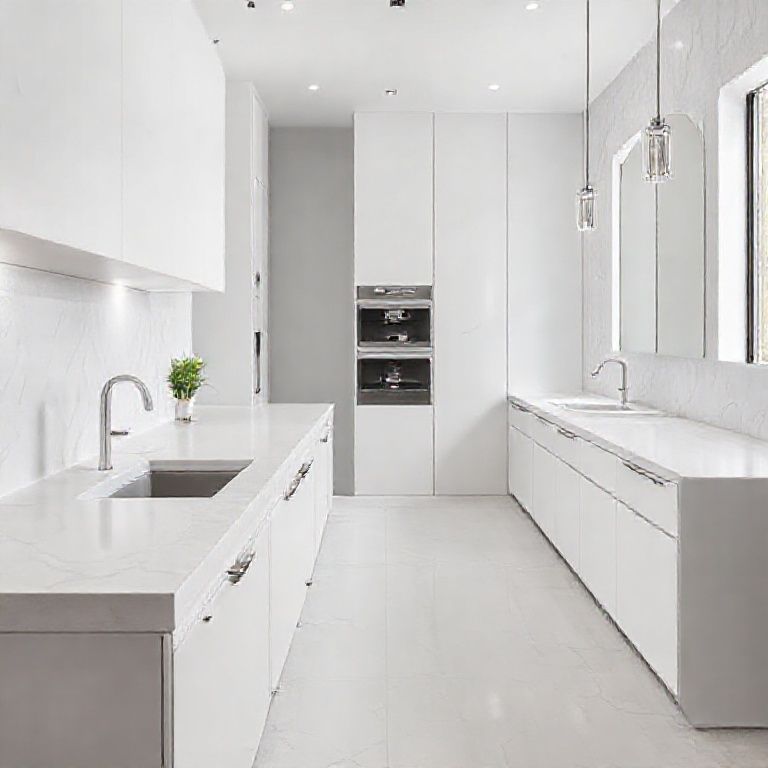
Before diving into the cleaning techniques, it’s crucial to understand the material composition of your artificial stone countertops. Typically made from a blend of minerals, acrylic resin, and pigments, these surfaces mimic the appearance of natural stone but require a different cleaning approach. Unlike natural stone, artificial stone does not react with acidic or alkaline cleaners, which makes it relatively easy to clean. However, regular cleaning is still necessary to avoid the buildup of grime and stains.
Basic Cleaning Routine
Daily Maintenance
Wipe Down: Use a soft, damp cloth to wipe down the surface daily. Avoid using overly wet cloths to prevent water spots. Microfiber Cloth: Opt for a microfiber cloth as it is gentle on the surface and effective at trapping dirt without scratching. Dry Wipe: After wiping, use a dry microfiber cloth to remove any moisture and prevent water spots.
Removing Light Stains
Mild Dish Soap: Mix a few drops of mild dish soap with warm water. Dampen a cloth with the soapy water and gently wipe the stained area. Rinse the cloth frequently to avoid spreading the stain. Baking Soda Paste: For tougher stains, create a paste using baking soda and water. Apply the paste to the stain and let it sit for a few minutes before gently scrubbing with a soft brush. Rinse with clean water and dry immediately.
Deep Cleaning Techniques
Weekly Deep Clean
Vinegar Solution: Mix equal parts of vinegar and water in a spray bottle. Lightly mist the countertop and let it sit for a few minutes. Wipe with a damp cloth and rinse with clean water. Vinegar is a natural disinfectant and helps to remove any lingering grime. Hydrogen Peroxide: For persistent stains, use a solution of hydrogen peroxide and water. Apply with a cloth and let it sit for a few minutes before scrubbing gently. Rinse thoroughly and dry.
Monthly Maintenance
Commercial Cleaners: Occasionally, use a commercial cleaner designed for artificial stone. Always follow the manufacturer’s instructions to avoid damaging the surface. Soft Brush: For stubborn spots, use a soft-bristled brush to gently scrub the area. This helps to lift away ingrained dirt without scratching the surface.
Preventive Measures
Avoiding Damage
Cutting Pads: Use cutting pads when preparing food to prevent scratches. Cutting boards can also cause minor scratches; therefore, it’s a good idea to use these pads to protect your countertops. Heat-Safe Utensils: Avoid using metal utensils or hot items directly on the surface to prevent thermal damage.
Sealing the Surface
Sealant Application: While artificial stone doesn’t require sealing like natural stone, applying a high-quality sealant can add an extra layer of protection against stains and spills. Follow the manufacturer’s guidelines for application.
Immediate Cleanup
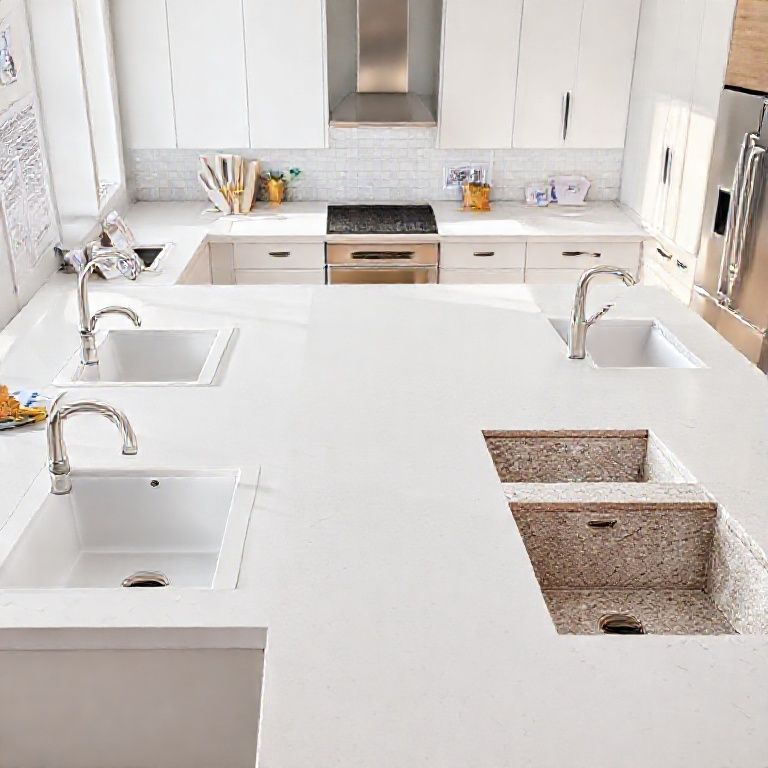
Prompt Action: Clean up spills immediately to prevent stains from setting in. The longer a spill sits, the harder it is to remove.
Common Cleaning Mistakes to Avoid
Over-Cleaning: Regularly cleaning with harsh chemicals can strip the surface of its protective layer. Stick to mild cleaners and avoid frequent deep cleaning unless necessary. Ignoring Stains: Allowing stains to sit on the surface for too long makes them harder to remove. Address stains promptly. Using Abrasive Materials: Avoid using abrasive pads or cleaners that can scratch and dull the surface.
By following these expert tips and tricks, you can ensure that your artificial stone countertops remain beautiful and functional for years to come. In the next part of our guide, we will explore advanced cleaning methods and additional tips for maintaining the longevity of your artificial stone surfaces.
Mastering the Art of Cleaning Artificial Stone Countertops: Expert Tips and Tricks
Welcome back to our comprehensive guide on keeping your artificial stone countertops pristine. In this second part, we will delve into advanced cleaning methods, additional tips for maintaining the longevity of your artificial stone surfaces, and how to address specific types of stains that may affect your countertops.
Advanced Cleaning Methods
Professional-Grade Cleaners
Specialized Formulas: For a deeper clean, consider using professional-grade cleaners specifically designed for artificial stone. These products are formulated to break down tough grime without damaging the surface. Ultrasonic Cleaners: For those who want to take cleaning to the next level, ultrasonic cleaners can be used to remove the most stubborn stains. These devices use high-frequency sound waves to clean surfaces thoroughly.
Steam Cleaning
Steam Cleaners: Steam cleaning is a powerful method for removing deep-seated dirt and grime. A steam cleaner uses hot water vapor to lift away dirt and grime from the surface of the artificial stone. Always test in an inconspicuous area first to ensure it doesn’t damage the surface.
Additional Maintenance Tips
Regular Inspections
Spot Checks: Regularly inspect your countertops for any signs of wear or damage. Early detection can prevent small issues from becoming major problems. Cleaning Schedule: Establish a cleaning schedule that suits your lifestyle. Regular maintenance is key to preventing the buildup of grime and stains.
Protective Coatings
Surface Protectants: Consider applying a protective coating to your countertops. These coatings can provide an additional barrier against stains and spills, making cleaning easier and extending the life of your countertops. Food-Safe Coatings: Ensure that any coatings you use are food-safe and suitable for kitchen and bathroom surfaces.
Addressing Specific Stain Types
Oil and Grease Stains
Soap and Water: For light oil and grease stains, a simple solution of soap and water can often do the trick. Gently scrub with a soft cloth and rinse thoroughly. Commercial Degreasers: For tougher grease stains, use a commercial degreaser. Follow the product instructions and allow the cleaner to sit on the stain for a few minutes before scrubbing.
Wine and Juice Stains
Vinegar Solution: As mentioned earlier, vinegar is excellent for removing wine and juice stains. Apply a vinegar solution to the stain and let it sit for a few minutes before scrubbing gently. Baking Soda Paste: Alternatively, create a baking soda paste and apply it to the stain. Let it sit for a few minutes before scrubbing and rinsing.
Coffee and Tea Stains
Dish Soap and Baking Soda: Mix dish soap with water and baking soda to form a paste. Apply the paste to the stain and let it sit for a few minutes before scrubbing gently. Lemon Juice: For a natural approach, use lemon juice to remove coffee and tea stains. Apply the juice to the stain and let it sit before scrubbing.
Water Ring Marks
Drying Towels: To prevent water ring marks, dry the surface immediately after washing dishes. Use a dry towel to wipe down the area where water tends to pool. Preventative Wipe: Regularly use a dry cloth to wipe down areas prone to water rings to prevent buildup.
Handling Spills and Accidents
Immediate Action
Quick Cleanup: Always act quickly to clean up spills to prevent stains from setting in. The longer a spill sits, the harder it is to remove. Rinse Thoroughly: Use clean water to rinse the area immediately after cleaning to remove any residue from the cleaning solution.
Accident Response
Small Spills: For small spills, use a damp cloth to blot the spill and then rinse with clean water. Dry immediately to prevent water spots. Large Spills: For larger spills, use a sponge or cloth to soak up the spill, then rinse with clean water. If necessary, use a mild cleaner to remove any residue.
Longevity and Long-Term Care
Proper Storage
Utensil Trays: Use utensil trays to keep sharp objects off the surface. This helps prevent scratches. Cutting Pads: Always use cutting pads or boards when cutting food to avoid damaging the countertop.
Avoiding Extremes
Temperature Changes: Avoid exposing the countertops to extreme temperature changes as this can cause warping or damage. Always allow items to cool before placing them on the surface. -长期来看,保持人造石台面的美观和耐久性非常重要。
长期护理和保养
定期检查和维护
检查边缘和接缝:人造石台面的边缘和接缝可能会积累污垢和污渍。定期检查这些区域,并使用适当的清洁剂进行清洁。 修复小损伤:如果台面上有小划痕或裂缝,可以考虑使用专门的修复剂进行修复。
选择合适的清洁用品
避免使用强酸强碱清洁剂:尽管人造石耐酸碱,但强酸强碱清洁剂仍可能对其表面造成损害。 专用清洁剂:使用专门为人造石设计的清洁剂,这些产品通常能有效清洁而不损伤材料。
避免使用硬的清洁工具
不要使用金属或硬质刷子:这些工具可能会对人造石表面造成划痕。使用软毛刷或海绵更为安全。
正确的清洁方法
湿润清洁:用湿布擦拭台面,而不是洒水直接喷洒清洁剂,以避免水渗透进台面内部。 避免长时间潮湿:长时间的潮湿可能导致材料老化,因此及时擦干。
使用保护垫
餐具和餐具垫:在台面上放置餐具时,使用餐具垫来防止划痕和污渍。 热物品:放置热物品时,使用烤盘垫或其他隔热材料来防止热损伤。
防止常见问题
油污和污渍
及时清理:油污和污渍应尽快清理,以避免渗透和沉积。 专用清洁剂:使用专门处理油污和污渍的清洁剂,如餐具清洁剂。
颜色褪色
避免阳光直射:长期暴露在阳光下可能导致颜色褪色。使用窗帘或遮阳帘来保护台面。 定期保养:定期使用保护剂来保持台面的光泽和颜色。
划痕和凹痕
避免硬物:尽量避免将硬物直接放在台面上,以防划痕。 修复工具:如果有轻微划痕,可以使用专业的修复工具进行修复。
专业维护
定期专业清洁
专业清洁服务:每隔几个月可以请专业清洁服务进行深度清洁和保养,这有助于延长台面的使用寿命。
定期检查
专业检查:定期让专业人士检查台面,以便及早发现并处理潜在问题。
通过遵循这些建议,你可以确保你的人造石台面保持其美观和功能,延长其使用寿命。定期的维护和及时的问题处理是关键。