Mastering the Art of Cleaning Stains from Artificial Stone Countertops: A Comprehensive Guide
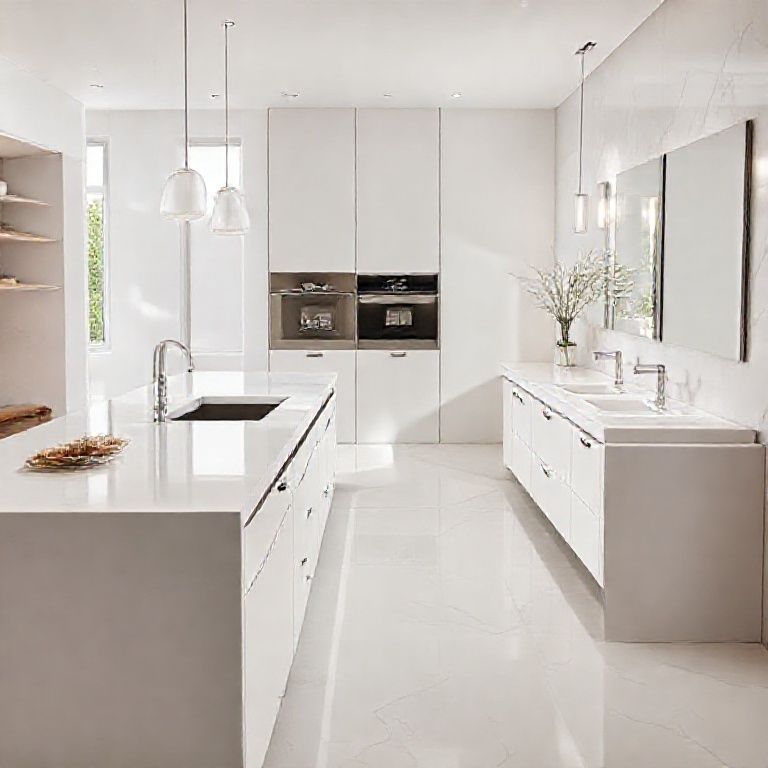
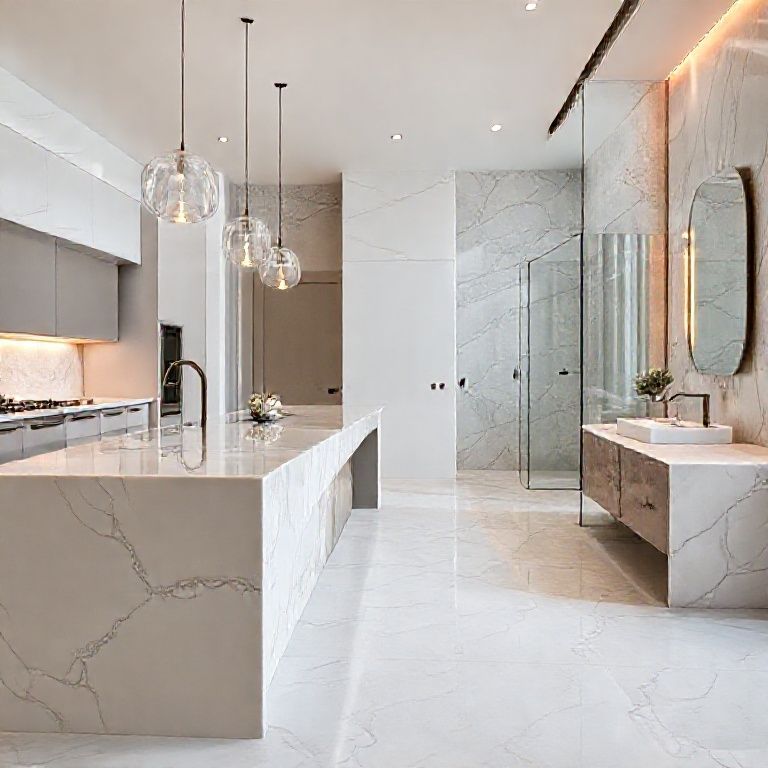
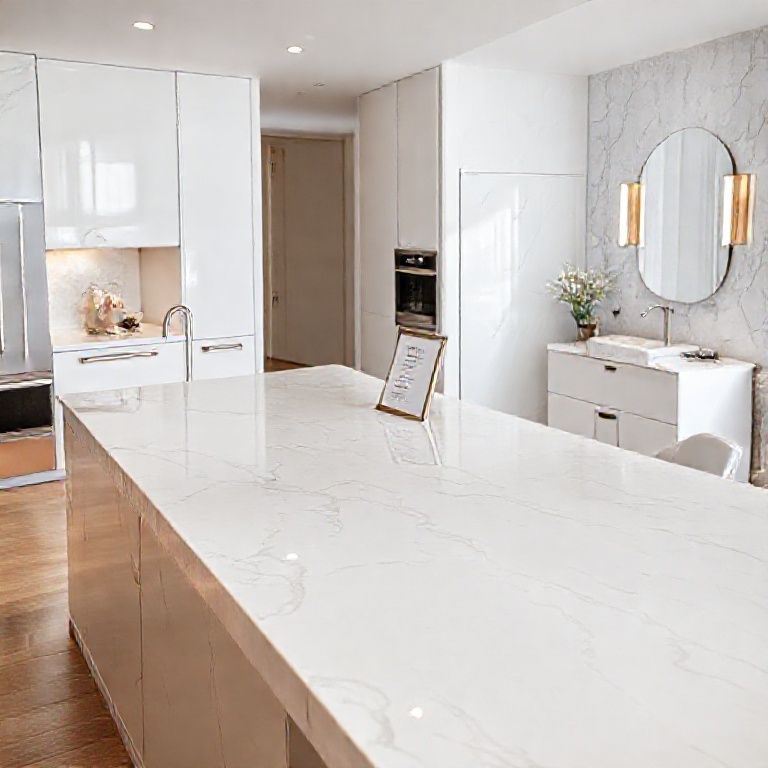
Artificial stone countertops are celebrated for their durability, aesthetic appeal, and resistance to everyday wear and tear. However, like any surface, they can develop stains that, if not addressed promptly, may become difficult to remove. In this comprehensive guide, we will delve into the best practices and techniques for cleaning stains from artificial stone countertops, ensuring they retain their pristine beauty and functionality.

Understanding Artificial Stone Countertops
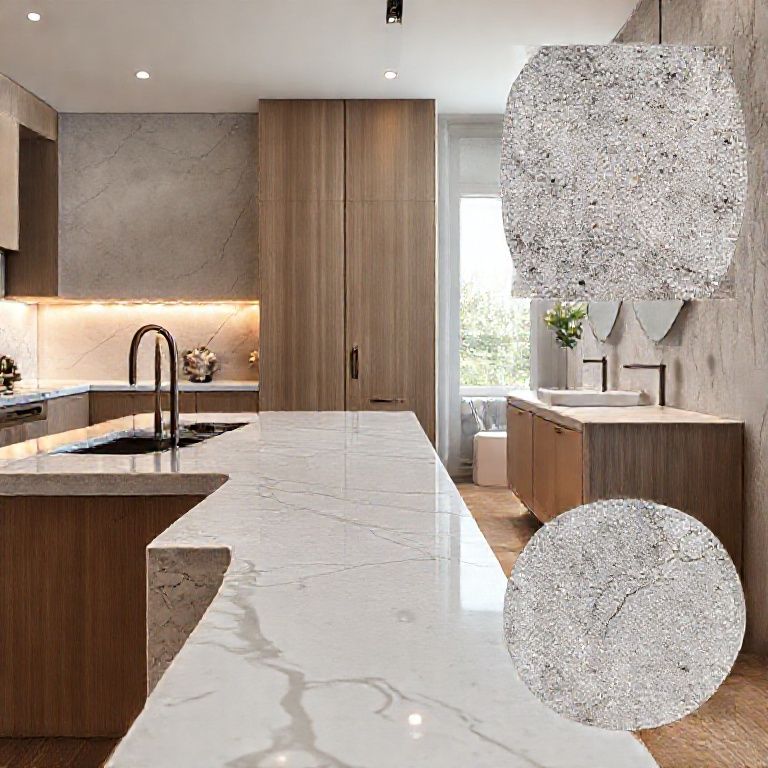
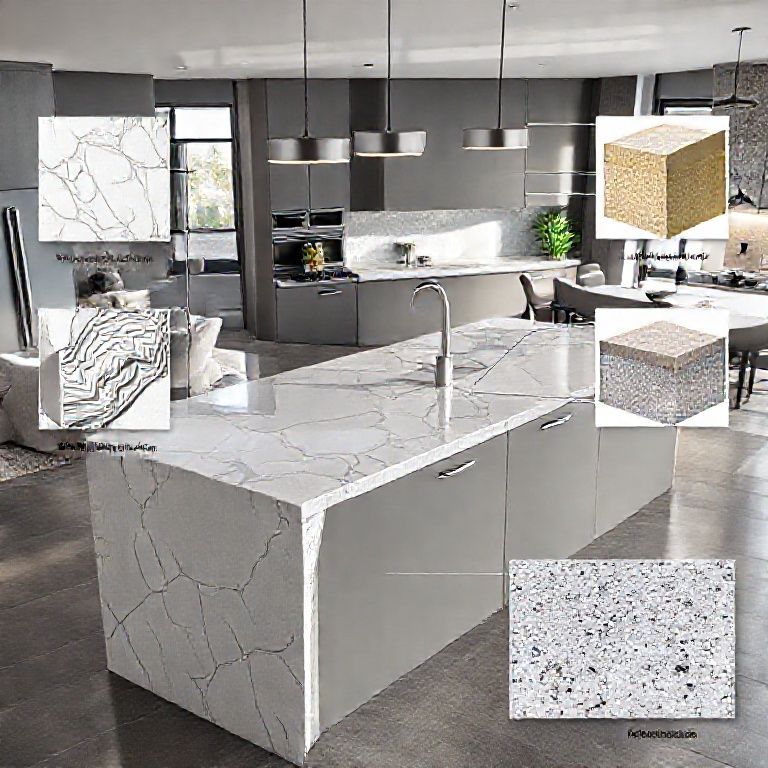
Before we dive into cleaning techniques, it’s essential to understand what artificial stone is. Artificial stone, also known as quartz, is a composite material made from 93% natural stone powder and 7% polymer resin. It’s known for its high durability, scratch resistance, and resistance to bacteria and mold, making it a popular choice for countertops in kitchens and bathrooms.
Common Stains and Their Causes
Artificial stone countertops are highly resistant to many types of stains, but they are not immune. Common stains include:
Food and Beverage Spills: Coffee, tea, juice, and other liquids can leave dark marks if not cleaned immediately. Grease and Oil: Cooking spills can leave greasy stains that are challenging to remove. Ink and Marker: Permanent markers can stain the surface, especially if the stain penetrates deep into the stone. Water Spots: Prolonged exposure to water can leave unsightly spots.
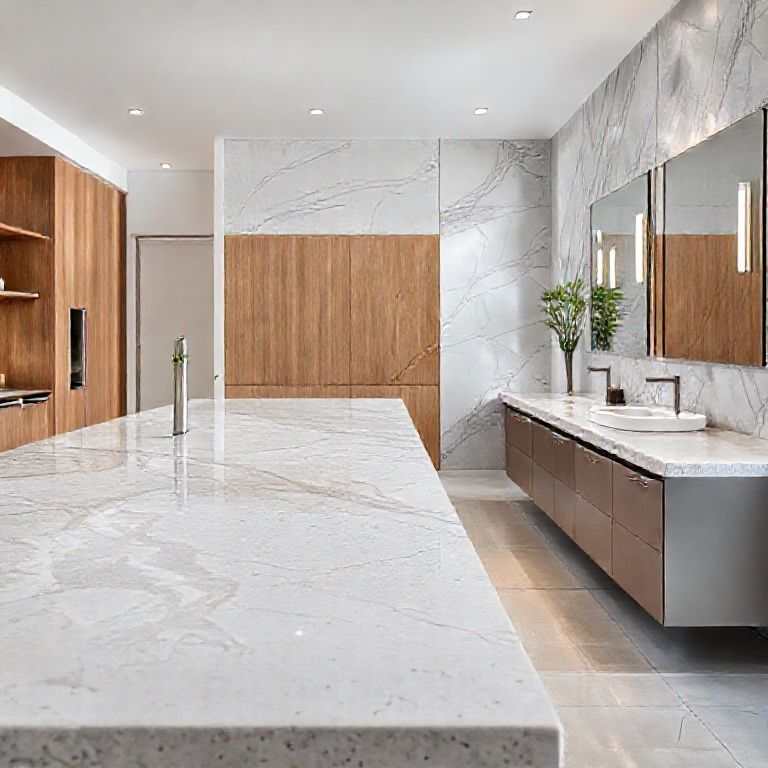
Immediate First Aid for Fresh Stains
The key to effective stain removal is acting quickly before the stain sets in deeply. Here’s what to do for fresh stains:
Blot, Don’t Rub: Use a soft, dry cloth to blot the stain. Rubbing can spread the stain and potentially scratch the surface. Neutral Cleaner: Use a neutral cleaner or a mild dish soap mixed with warm water. Avoid acidic cleaners as they can damage the stone. Spot Test: Always test any cleaner on an inconspicuous area first to ensure it doesn’t discolor or damage the surface.
Cleaning Techniques for Different Stains
Food and Beverage Spills
Immediate Action: Wipe up spills immediately with a clean, dry cloth. Cleaner Application: Use a mixture of water and vinegar or a commercial quartz cleaner. Apply the solution to the stain and let it sit for a few minutes. Scrub Gently: Use a soft-bristled brush to gently scrub the area. Rinse and Dry: Rinse the area with clean water and dry with a soft cloth.
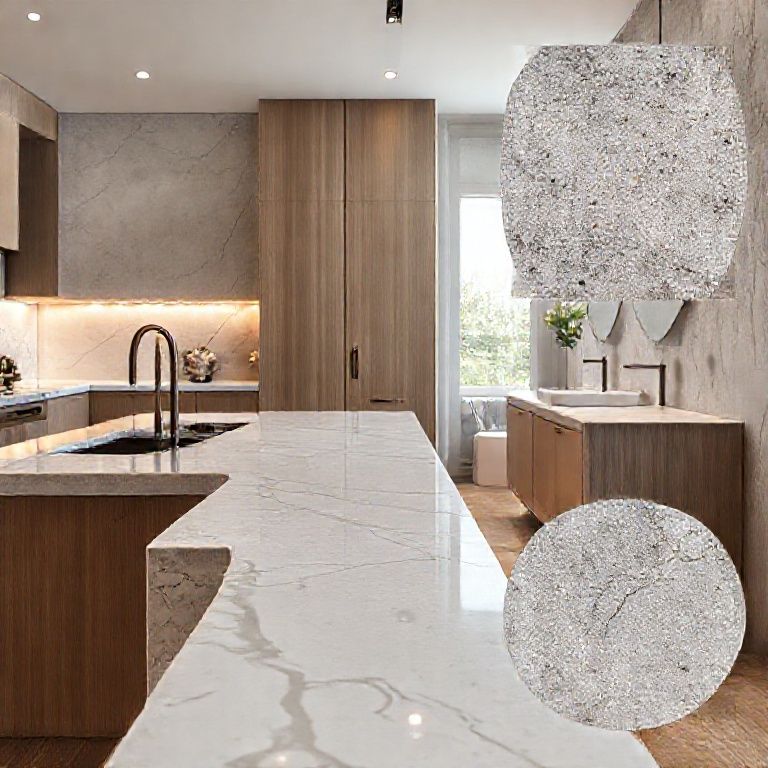
Grease and Oil Spills
Dry Cloth Absorption: Blot the spill with a paper towel to absorb as much grease as possible. Grease Penetrator: Use a commercial grease penetrant or a mixture of baking soda and water to create a paste. Apply to the stain and let it sit for 15-30 minutes. Scrub and Rinse: Use a soft-bristled brush to scrub the area and rinse with clean water.
Ink and Marker Stains
Blot the Stain: Use a paper towel to blot the ink stain. Ice Cube Method: Freeze a cloth in water and place it over the ink stain for 10-15 minutes. This can help lift the ink. Pencil Eraser: Gently rub a non-toxic pencil eraser over the stain. Commercial Stain Remover: Use a stain remover designed for stone surfaces.
Water Spots
Vinegar Rinse: Mix equal parts of vinegar and water. Wipe the affected area with this solution to remove water spots. Microfiber Cloth: Use a microfiber cloth to dry the area thoroughly.
Maintenance Tips to Prevent Future Stains
Preventing stains is always easier than removing them. Here are some tips to maintain your artificial stone countertops:
Use Coasters and Trivets: Always use coasters for drinks and trivets for hot dishes to prevent direct contact with the countertop. Prompt Cleaning: Wipe up spills immediately to prevent stains from setting in. Avoid Harsh Cleaners: Use neutral cleaners and avoid acidic or abrasive products. Regular Polishing: Occasionally polish your countertops with a stone countertop polish to maintain their shine and protect the surface.
Professional Cleaning and Polishing
For those who prefer to leave the cleaning to the professionals, many companies offer specialized cleaning and polishing services for artificial stone countertops. This is particularly beneficial for high-traffic areas that may accumulate more grime and stains.
Advanced Techniques for Cleaning Stains from Artificial Stone Countertops
Building on the foundational knowledge from the first part, this guide will explore advanced techniques and specialized products designed to maintain the beauty and integrity of your artificial stone countertops. Whether you’re dealing with persistent stains or want to ensure optimal care for your stone surface, these detailed methods will help keep your countertops looking impeccable.
Specialized Cleaning Products
Investing in specialized cleaning products designed for artificial stone can make a significant difference in maintaining your countertops. Here are some highly recommended options:
Quartz Cleaners: Designed specifically for quartz countertops, these cleaners offer deep cleaning and polishing. Examples: Stone Care Pro Quartz Cleaner, Nature’s Miracle Stone Countertop Cleaner. Polishing Compounds: These compounds not only clean but also polish and protect the stone surface. Examples: Granite Gold Stone Polish, Granite Gold Stone Protectant. Stain Removers: For tough stains, specialized stain removers can provide effective results without damaging the surface. Examples: Nature’s Miracle Stain Remover, Granite Gold Stain Remover.
Professional Cleaning Services
For those who want to ensure their artificial stone countertops are impeccably clean, professional cleaning services can be invaluable. Here’s what to expect:
Comprehensive Cleaning: Professional cleaners use advanced techniques and equipment to thoroughly clean the surface, removing even the most stubborn stains. Polishing: After cleaning, professional polishers apply specialized polish to restore the shine and protect the surface. Inspection: Professionals will inspect the surface for any signs of damage or wear and provide recommendations for maintenance.
Advanced Stain Removal Techniques
For persistent stains that don’t respond to regular cleaning methods, here are some advanced techniques to try:
Chemical Treatments
Hydrogen Peroxide: For organic stains like coffee or tea, a mixture of hydrogen peroxide and water can be effective. Apply the solution to the stain and let it sit for several hours before scrubbing gently. Bleach: For tough, non-porous stains, a diluted bleach solution can be used, but test it on a small area first to avoid damage.
Physical Methods
Sanding: For very stubborn stains, light sanding with fine-grit sandpaper can help remove the stain. This method should be used sparingly and only on non-porous surfaces. Ultrasonic Cleaning: This method uses high-frequency sound waves to clean surfaces. It’s effective for removing deep-seated stains and is often used in professional settings.
Maintenance and Protection
Regular maintenance and protection are key to keeping your artificial stone countertops looking their best. Here are some advanced tips:
Regular Polishing: Regularly polishing your countertops will help maintain their shine and protect the surface. Use a stone countertop polish designed for your specific type of stone. Sealing: Although artificial stone is durable, sealing it periodically can provide an additional layer of protection against stains and scratches. UV Protection: If your countertops are exposed to direct sunlight, consider using a UV protectant to prevent fading and discoloration.
DIY Maintenance Tips
For those who prefer a hands-on approach, here are some effective DIY maintenance tips:
Lemon Juice and Baking Soda: For quick clean-ups, mix lemon juice and baking soda to create a paste. Apply to the stain, let it sit for a few minutes, and then scrub gently with a soft-bristled brush. Vinegar and Water: A simple solution of equal parts vinegar and water can be used to clean and deodorize your countertops. Microfiber Cloths: Use only microfiber cloths for cleaning to avoid scratches. These cloths are designed to clean without damaging the surface.
Conclusion
无论你需要关于如何更好地保养和清洁人造石台面,还是其他相关的家居维护知识,我都会尽力帮助你。
如何保护和延长人造石台面的寿命
1. 避免使用硬质刷子和研磨产品
人造石虽然坚硬,但仍然可能在使用硬刷或研磨产品时受到损害。尽量使用软毛刷或非金属清洁工具。
2. 定期保养
定期使用专门的保养产品对台面进行保护,这可以延长其使用寿命。市面上有许多专为人造石设计的保养液,可以让你的台面保持光泽。
3. 防止重物撞击
避免在台面上放置过重的物品或猛然撞击,这可能会导致表面划痕或裂缝。
4. 及时处理溢出物
任何溢出的液体,如饮料、油汁等,应及时擦干,以防液体渗入材料中,导致永久性污渍。
常见问题及其解决方法
1. 水渍和水滴
方法:用干净的湿布擦干水渍,避免长时间的水渍积聚。
2. 油污和烹饪残留物
方法:使用中性洗涤剂和温水清洗,然后用干布擦干。对于顽固污渍,可以使用专门的油污去除剂。
3. 颜色褪色
方法:长期暴露在阳光下可能会导致颜色褪色。可以考虑在台面上安装遮阳装置或者定期使用保养产品来保护其颜色。
4. 划痕
方法:轻微划痕可以使用专门的抛光膏或抛光机进行修复。但对于深层次的划痕,可能需要专业人员进行修复。
使用建议
1. 使用餐具垫和砧板
在使用厨具和砧板时,使用餐具垫和砧板来保护台面不受刮擦和划痕的影响。
2. 避免直接放置热锅
尽量避免将热锅直接放置在台面上,可以在锅底放一块热垫或者使用餐具垫来隔离热量。
预防措施
1. 安装防溅板
在灶台边缘安装防溅板,以减少烹饪时的液体溅出。
2. 定期检查
定期检查台面是否有裂缝或损坏,及时修复或更换,以防问题恶化。
总结
人造石台面的清洁和保养虽然看似简单,但需要一些细心和耐心。通过采取适当的保护措施,你可以让你的人造石台面长久地保持其美观和功能性。如果有任何复杂或顽固的问题,建议寻求专业帮助以确保最佳的维护效果。
如果你有任何其他具体问题或需要进一步的建议,请随时告知。