Mastering the Art of Cleaning: How to Effectively Remove Stains from Synthetic Stone Countertops
Synthetic stone countertops have revolutionized modern kitchens and bathrooms with their durability, aesthetic appeal, and low maintenance requirements. Unlike natural stone, these surfaces are crafted from a blend of minerals, resins, and pigments that offer a non-porous, easy-to-clean surface. However, despite their resilience, synthetic stone can still accumulate stains over time. Understanding how to effectively remove these stains is key to maintaining the pristine appearance of your countertop.

Understanding Synthetic Stone Countertops
Before diving into stain removal techniques, it’s essential to understand what synthetic stone is. Synthetic stone, also known as quartz, is engineered to mimic the look and feel of natural stone but without the drawbacks. Its non-porous nature means that liquids do not penetrate the surface, reducing the risk of staining. However, stains can still occur due to spills, environmental factors, or even the accumulation of grime over time.
Common Stains on Synthetic Stone
Synthetic stone countertops can be prone to a variety of stains, including:
Food and Drink Spills: Coffee, wine, juice, and food oils can leave marks. Hard Water Deposits: Mineral deposits from hard water can accumulate. Age and Wear: Over time, the surface may show signs of wear and discoloration. Environmental Factors: Exposure to certain chemicals or detergents can cause discoloration.
Cleaning Solutions for Synthetic Stone
To maintain the integrity of your synthetic stone, it’s crucial to use the right cleaning solutions. Here’s a list of safe cleaning agents:
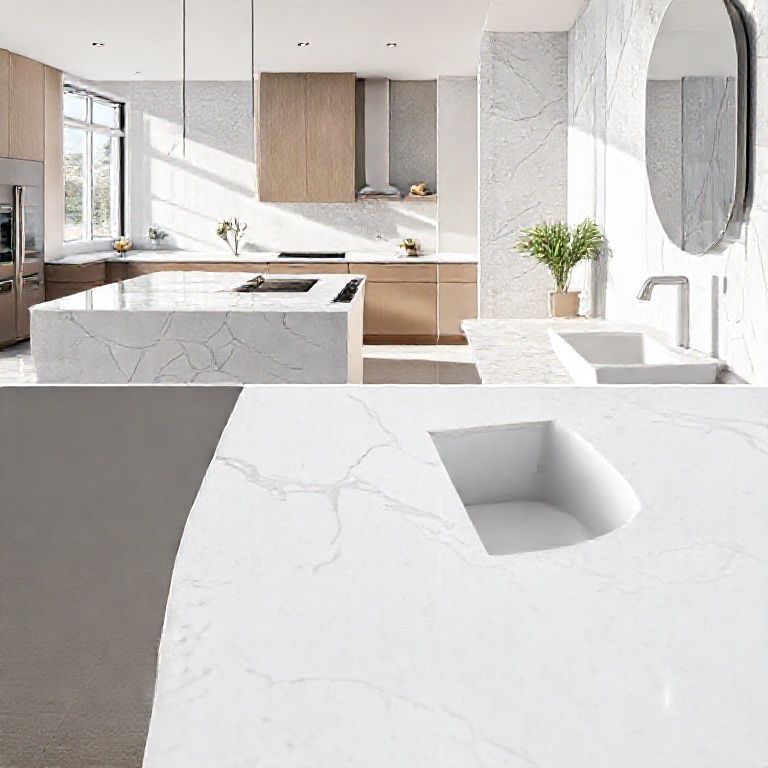
Mild Dish Soap: A gentle, non-abrasive soap is ideal for regular cleaning. Warm Water: Always use warm water to help dissolve and remove grime. Baking Soda: This natural abrasive can help lift stains without scratching the surface. White Vinegar: A natural disinfectant that can remove mineral deposits and odors. Hydrogen Peroxide: Useful for bleaching stubborn stains.
Daily Cleaning Tips
Daily maintenance is key to preventing stains from setting in. Here’s how to keep your synthetic stone countertop in top condition:
Immediate Spill Cleanup: Wipe up spills immediately to prevent stains from setting in. Use a damp cloth with mild dish soap and warm water. Regular Dusting: Dust the surface regularly to remove any accumulated grime. Use a microfiber cloth or a damp cloth to avoid streaks. Avoid Abrasive Cleaners: Never use abrasive pads or harsh chemicals that can scratch or damage the surface. Use Coasters and Trivets: To protect your countertop from heat and liquid damage, use coasters and trivets.

Tackling Stubborn Stains
While regular maintenance can prevent many stains, sometimes stubborn marks do occur. Here are step-by-step methods to tackle these stains effectively:
Stain from Coffee or Juice
Baking Soda Paste: Mix baking soda with a small amount of water to create a paste. Apply it to the stain and let it sit for about 15 minutes. Scrub gently with a soft cloth and rinse with warm water. Hydrogen Peroxide: For a more potent stain, apply a small amount of hydrogen peroxide directly to the stain. Let it sit for 10-15 minutes before wiping clean.
Mineral Deposits
White Vinegar Solution: Mix equal parts of white vinegar and water. Apply the solution to the affected area and let it sit for about 15 minutes. Scrub gently with a soft cloth and rinse with warm water. Baking Soda Scrub: For tough deposits, make a paste of baking soda and water. Apply it to the stain and scrub gently with a soft cloth.

Oil Stains
Soap and Oil Mixture: Create a paste using mild dish soap and a little bit of water. Apply the paste to the stain and let it sit for a few hours. Scrub gently with a soft cloth and rinse with warm water. Baking Soda and Dish Soap: Combine baking soda with a few drops of dish soap to form a paste. Apply to the stain and scrub gently before rinsing.
Preventive Measures
Prevention is always better than cure. Here are some preventive measures to keep your synthetic stone countertop looking its best:
Use Protective Pads: Always place items that generate heat or liquid on protective pads to prevent stains. Regular Maintenance: Clean your countertop regularly to remove any grime before it becomes a stain. Avoid Harsh Chemicals: Refrain from using harsh cleaning agents that can damage the surface. Seal the Surface: Although synthetic stone is non-porous, periodic sealing can help maintain its protective qualities.
Professional Cleaning
While regular maintenance and home remedies can handle most stains, sometimes professional cleaning is necessary. Here’s when to consider professional help:
Heavy Staining: If home remedies fail to remove stubborn stains. Surface Damage: If the surface appears scratched or damaged. Deep Cleaning: For deep cleaning and maintenance, especially before moving into a new home.
Conclusion
Maintaining your synthetic stone countertop requires regular care and attention to keep it looking pristine. By understanding the nature of synthetic stone and employing the right cleaning techniques, you can effectively remove stains and prolong the life of your countertop. Regular cleaning, preventive measures, and timely intervention are key to ensuring your synthetic stone remains a beautiful and functional part of your home. Remember, the key is immediate action and gentle care. With these tips, your synthetic stone countertop will continue to impress with its elegance and durability.
Mastering the Art of Cleaning: How to Effectively Remove Stains from Synthetic Stone Countertops (Continued)
In the previous section, we delved into the essentials of maintaining synthetic stone countertops, from understanding their nature to tackling common stains. Now, we’ll explore more advanced cleaning techniques, delve deeper into preventive measures, and discuss the importance of professional cleaning services to ensure your synthetic stone countertop remains in optimal condition.
Advanced Cleaning Techniques
While basic cleaning methods can handle many stains, some may require more advanced techniques. Here’s how to go about it:
Stain from Red Wine
Red wine can be particularly stubborn due to its pigmentation. Here’s a detailed approach:
Baking Soda and Hydrogen Peroxide: Mix baking soda with hydrogen peroxide to form a paste. Apply it to the stain and let it sit for about 15 minutes. Scrub gently with a soft cloth and rinse thoroughly. Commercial Stain Removers: For persistent stains, use a commercial stain remover specifically designed for stone surfaces. Follow the manufacturer’s instructions carefully.
Stain from Grease and Oil
Grease and oil stains can be challenging but are manageable with the right approach:
Soap and Oil Mixture: Create a paste using mild dish soap and a small amount of water. Apply it to the stain and let it sit for a few hours. Scrub gently with a soft cloth and rinse with warm water. Commercial Cleaners: If the stain persists, consider using a commercial cleaner formulated for grease and oil. Ensure it’s safe for synthetic stone surfaces.
Water Ring Removal
Water rings can be unsightly and are usually caused by frequent spills. Here’s how to remove them:
White Vinegar: Mix equal parts of white vinegar and water. Apply the solution to the ring and let it sit for about 15 minutes. Scrub gently with a soft cloth and rinse with warm water. Baking Soda Paste: Make a paste of baking soda and water. Apply it to the ring and scrub gently before rinsing.
Deep Cleaning
Deep cleaning your synthetic stone countertop can help remove ingrained dirt and restore its shine. Here’s a step-by-step guide:
Baking Soda Scrub: Mix baking soda with a small amount of water to form a paste. Apply it to the countertop and scrub gently with a soft cloth. Rinse thoroughly. White Vinegar Solution: For a deeper clean, mix equal parts of white vinegar and water. Apply the solution to the surface and let it sit for about 15 minutes. Scrub gently with a soft cloth and rinse with warm water.
Preventive Measures Continued
While regular cleaning is essential, preventive measures play a crucial role in maintaining the longevity of your synthetic stone countertop. Here’s how to continue protecting your surface:
Use Coasters and Trivets: Always use coasters and trivets to protect the surface from heat and liquid spills. Avoid Acidic Foods and Drinks: Acidic foods and drinks can cause discoloration. Use coasters or place protective mats under items that come into contact with the countertop. Regular Dusting: Dust the surface regularly with a microfiber cloth to remove any accumulated grime. Protect Against Scratches: Avoid using sharp objects on the surface, and always use cutting boards to prevent scratches.
Professional Cleaning ServicesMastering the Art of Cleaning: How to Effectively Remove Stains from Synthetic Stone Countertops (Continued)
In the previous section, we explored advanced cleaning techniques and preventive measures to maintain your synthetic stone countertop. Now, let’s delve into the specifics of when and how to utilize professional cleaning services, as well as discuss some additional tips to keep your synthetic stone countertop looking its best.
When to Seek Professional Cleaning Services
While regular home maintenance can handle most cleaning tasks, there are situations where professional cleaning services are warranted. Here’s when to consider hiring a professional:
Heavy Staining: When home remedies fail to remove stubborn stains, especially those caused by prolonged exposure to food, drink, or other substances. Surface Damage: If the countertop appears scratched, chipped, or otherwise damaged, professional cleaning can help restore its appearance and functionality. Deep Cleaning: For a thorough deep clean, especially if the countertop has been in use for several years and has accumulated significant grime and mineral deposits. Pre-Move-In Cleaning: If you’re moving into a new home with a synthetic stone countertop, a professional cleaning can ensure the surface is in top condition before you start using it.
How Professional Cleaners Work
Professional cleaning services employ specialized techniques and equipment to clean and maintain synthetic stone countertops. Here’s what to expect:
Surface Evaluation: The cleaning professional will first evaluate the condition of the countertop to determine the best cleaning method. Cleaning Process: Using specialized cleaning solutions and equipment, the professional will clean the surface thoroughly. This may involve scrubbing, using ultrasonic cleaning tools, and applying sealants to restore the countertop’s shine and protective qualities. Detailed Cleaning: Professionals will pay special attention to areas prone to staining, such as edges, corners, and seams, ensuring no part of the countertop is overlooked. Final Inspection: After cleaning, the professional will inspect the surface to ensure it is thoroughly cleaned and free from any residue or streaks.
Additional Tips for Maintaining Your Synthetic Stone Countertop
To keep your synthetic stone countertop looking pristine, here are some additional tips:
Use Cutting Boards: Always use cutting boards to prevent scratches from knives and other sharp objects. This is especially important when cutting hard foods like carrots or potatoes. Avoid Oven Cleaners: Oven cleaners and other harsh chemicals can damage the surface of synthetic stone. Always use mild, non-abrasive cleaners. Seal the Surface Periodically: While synthetic stone is non-porous, periodic sealing can help maintain its protective qualities. Follow the manufacturer’s guidelines for sealing. Use Gentle Cleaners: Always opt for gentle cleaners and avoid abrasive pads or harsh chemicals that can scratch or damage the surface. Clean Up Spills Immediately: Promptly clean up any spills to prevent stains from setting in. Use a damp cloth with mild dish soap and warm water for routine cleaning.
Conclusion
Maintaining your synthetic stone countertop requires a combination of regular home maintenance and periodic professional cleaning. By understanding the nature of synthetic stone, employing the right cleaning techniques, and taking preventive measures, you can ensure that your countertop remains a beautiful and functional part of your home. Remember, the key to longevity and appearance is immediate action and gentle care. With these tips and techniques, your synthetic stone countertop will continue to impress with its elegance and durability.
By following these comprehensive guidelines, you’ll be well-equipped to handle any stain and keep your synthetic stone countertop in top condition, ensuring it remains a stunning focal point in your home for years to come.