Understanding and Addressing Cracks in Artificial Stone Countertops
When it comes to modern kitchen and bathroom design, artificial stone countertops are a popular choice due to their durability, aesthetic appeal, and ease of maintenance. However, like any material, they can develop cracks over time, whether from accidental drops, heavy objects, or even natural wear and tear. Understanding how to properly repair these cracks is essential to maintaining the beauty and functionality of your countertop.

Recognizing Cracks in Artificial Stone Countertops
Artificial stone, often composed of a mixture of natural stone powders and resins, forms a solid and resilient surface. Despite its strength, it is not invulnerable. Cracks can occur due to various reasons, including improper installation, excessive weight, or even environmental factors. Recognizing the type and severity of the crack is the first step in determining the appropriate repair method.
Types of Cracks:
Surface Cracks: These are superficial cracks that affect only the top layer of the countertop. They are usually minor and can often be repaired with a simple touch-up.
Deep Cracks: Deeper cracks may extend through multiple layers of the countertop, requiring more intensive repair methods.
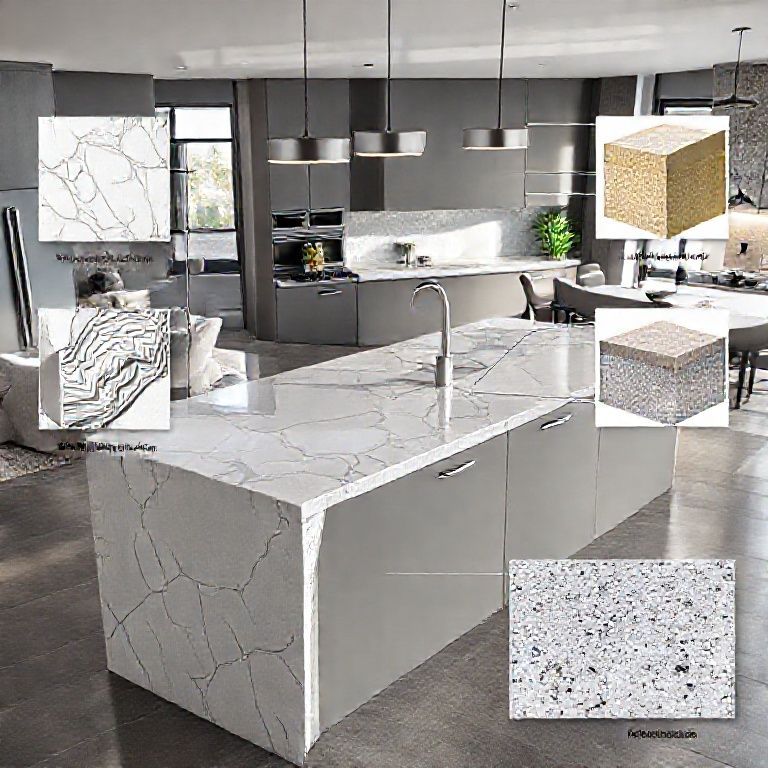
Hairline Cracks: These tiny cracks can be challenging to see but may indicate underlying issues that need addressing to prevent further damage.
Materials Needed for Repair:
Before diving into the repair process, gather the necessary materials:
Color Matching Resin: To ensure the repaired area blends seamlessly with the existing countertop. Epoxy Putty: A versatile adhesive that can fill larger cracks and provide a smooth finish. Sandpaper: Various grits for smoothing out the repaired area. Sealer: To protect the repair and maintain the countertop’s finish.
Basic Repair Steps:
Clean the Area: Thoroughly clean the cracked area with a mild detergent and water. Dry it completely to remove any dust, grease, or debris.
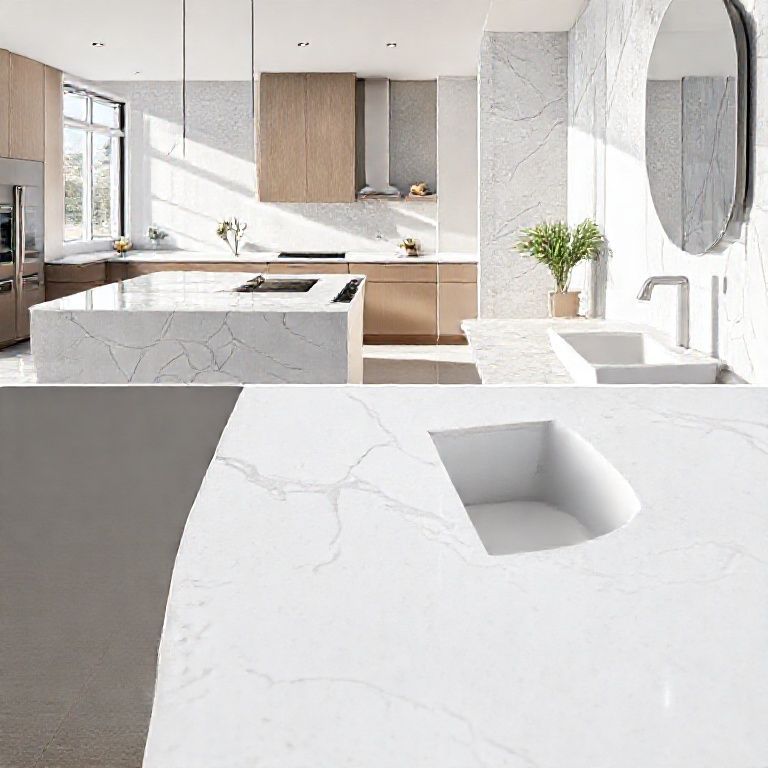
Assess the Crack: Determine the depth and width of the crack to decide on the most appropriate repair method.
Fill the Crack: For minor cracks, use color-matching resin. For larger or deeper cracks, employ epoxy putty. Apply the material with a putty knife, ensuring it fills the crack completely.
Smooth the Surface: Once the putty or resin has cured (as per the manufacturer’s instructions), use sandpaper to smooth out the repaired area. Start with a coarser grit and gradually move to finer grits for a polished finish.

Seal the Repair: Apply a high-quality countertop sealer to protect the repaired area and prevent future damage.
DIY Tips for Flawless Repairs:
Color Matching: Achieving a perfect color match is crucial. Use a color matching guide or consult with a professional to ensure accuracy.
Patience: Allow adequate time for each step of the repair process, especially for curing and drying times. Rushing can lead to less than ideal results.
Practice: If you’re new to countertop repair, practice on a small, inconspicuous area first to refine your technique.
Common Mistakes to Avoid:
Inadequate Cleaning: Failing to clean the area thoroughly can lead to poor adhesion and visible repair lines.
Using the Wrong Materials: Not all repair materials are created equal. Always use products specifically designed for artificial stone countertops.
Over-Sanding: Excessive sanding can weaken the countertop and create uneven surfaces. Stick to the recommended grit levels.
Advanced Techniques and Maintenance for Artificial Stone Countertops
Having covered the basics of repairing cracks in artificial stone countertops, it’s time to delve into more advanced techniques and maintenance tips to ensure your countertop remains flawless and functional for years to come.
Advanced Repair Techniques
For more extensive or complex cracks, advanced repair techniques may be necessary. Here are some methods employed by professionals:
1. Resin Injection:
This technique is particularly effective for deep cracks that cannot be adequately filled with standard putty. Resin injection involves injecting a specialized resin into the crack, which hardens and fills the gap from within.
Steps: Clean the area around the crack. Create a small incision along the crack to facilitate resin injection. Apply the resin into the crack using a syringe or similar tool. Allow the resin to cure as per the manufacturer’s instructions. Smooth the surface with fine-grit sandpaper. Seal the repaired area.
2. Full Surface Resurfacing:
In cases where the entire surface has become marred or the material has worn out, full surface resurfacing might be necessary. This process involves sanding down the entire countertop to the base material and applying a new layer of artificial stone.
Steps: Clean and protect surrounding areas to prevent dust contamination. Use a power sander with a suitable abrasive to sand down the surface. Clean the surface thoroughly to remove all dust and residue. Apply a new layer of artificial stone using appropriate tools and techniques. Allow the new layer to cure completely before use.
Preventive Maintenance for Artificial Stone Countertops
Prevention is always better than cure. Here are some maintenance tips to extend the life of your artificial stone countertops:
1. Regular Cleaning:
Use a mild detergent and water to clean your countertops regularly. Avoid using harsh chemicals or abrasive cleaners that can damage the surface.
2. Immediate Repair:
Address small cracks and scratches promptly to prevent them from worsening. Delaying repairs can lead to more extensive damage and more costly repairs.
3. Protective Accessories:
Use cutting boards, hot pads, and trivets to protect your countertops from spills, scratches, and heat. These simple tools can go a long way in maintaining the integrity of your surface.
4. Proper Installation:
Ensure your countertops are installed correctly to avoid stress points and potential cracks. Consult a professional if you’re unsure about the installation process.
5. Regular Sealing:
Apply a high-quality countertop sealer periodically to protect the surface from stains and spills. This maintenance step is crucial for preserving the beauty and longevity of your countertops.
Professional Help When Needed:
While many repairs can be done at home, some issues require professional expertise. Here’s when to call in the pros:
Complex Repairs: If the crack is extensive or if you’re unsure about the best repair method, professional help is invaluable.
Surface Damage: For significant surface damage or if the entire countertop needs resurfacing, professional services are recommended.
Specialized Equipment: Professionals have access to advanced tools and materials that are not readily available to the general public.
Conclusion:
Repairing cracks in artificial stone countertops doesn’t have to be a daunting task. With the right knowledge, tools, and techniques, you can restore the beauty and functionality of your kitchen or bathroom countertop. Whether you opt for a simple touch-up or advanced resurfacing, following these guidelines will help ensure a flawless repair. Remember, preventive maintenance is key to prolonging the life of your artificial stone countertops, so stay proactive and keep your surfaces in top condition.
For more complex repairs or when in doubt, don’t hesitate to seek professional help. With the right approach, your artificial stone countertops can remain a stunning feature of your home for years to come.