Understanding Artificial Stone Countertops and Initial Preparation
${part1}
Artificial stone countertops have become increasingly popular due to their durability, aesthetic appeal, and relatively low maintenance. However, to maintain their pristine appearance, proper polishing and care are essential. This guide will take you through everything you need to know about polishing artificial stone countertops.
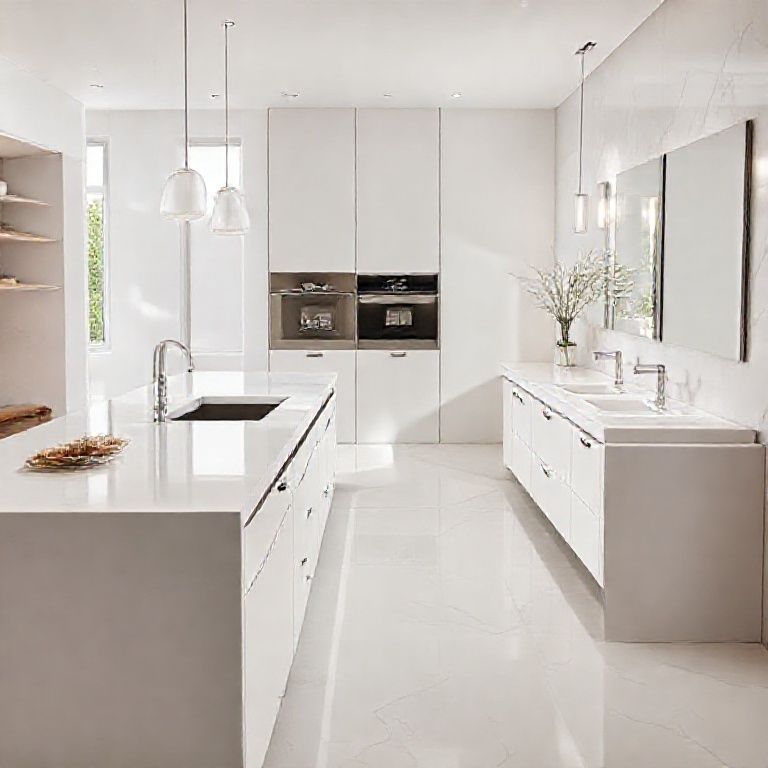
1. What is Artificial Stone?
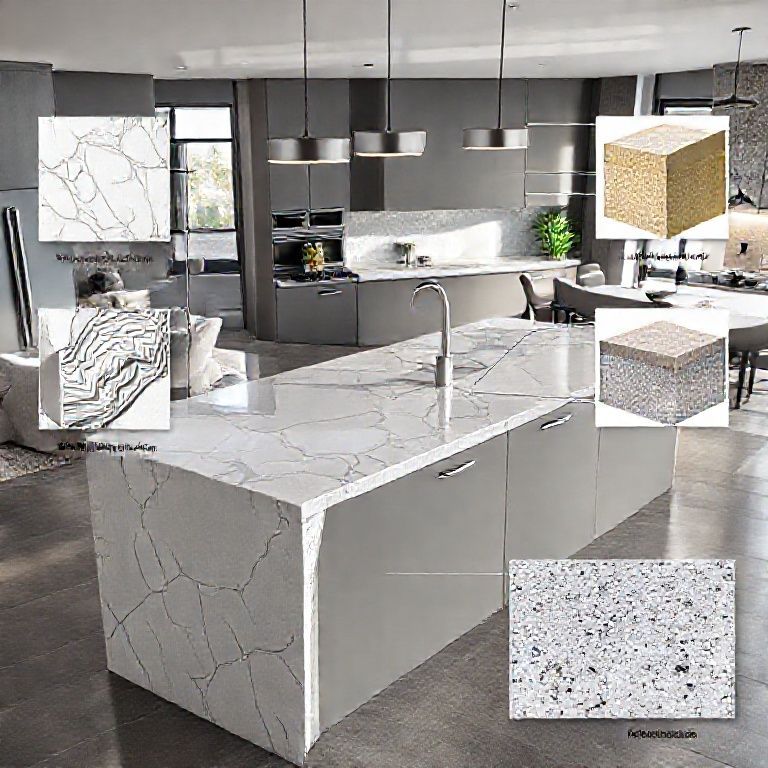
Artificial stone, often referred to as cultured stone, is a composite material made from a mixture of marble dust, limestone, and bonding agents. This material is crafted in a mold to resemble natural stone, offering a cost-effective alternative that retains the luxurious appearance of marble without the high price tag.
2. Why Polish Artificial Stone Countertops?
Polishing artificial stone countertops is crucial for several reasons:
Enhanced Appearance: Regular polishing maintains the glossy, high-end look of the stone. Durability: Polishing helps to remove superficial scratches and stains, preventing deeper damage. Hygiene: Polishing can help in removing surface bacteria and mold, keeping the countertop hygienic.
3. Initial Preparation
Before diving into the polishing process, thorough preparation is key. Here’s how to get started:
Inspection: Examine the countertop for any cracks, chips, or significant stains. Address these issues before polishing to avoid further damage. Cleaning: Start with a deep clean. Use a pH-neutral cleaner and a soft cloth to remove any dirt, grease, or residue. Avoid abrasive cleaners that can scratch the surface. Protective Measures: Lay down plastic sheeting around the edges to protect surrounding areas from potential splashes and spills.
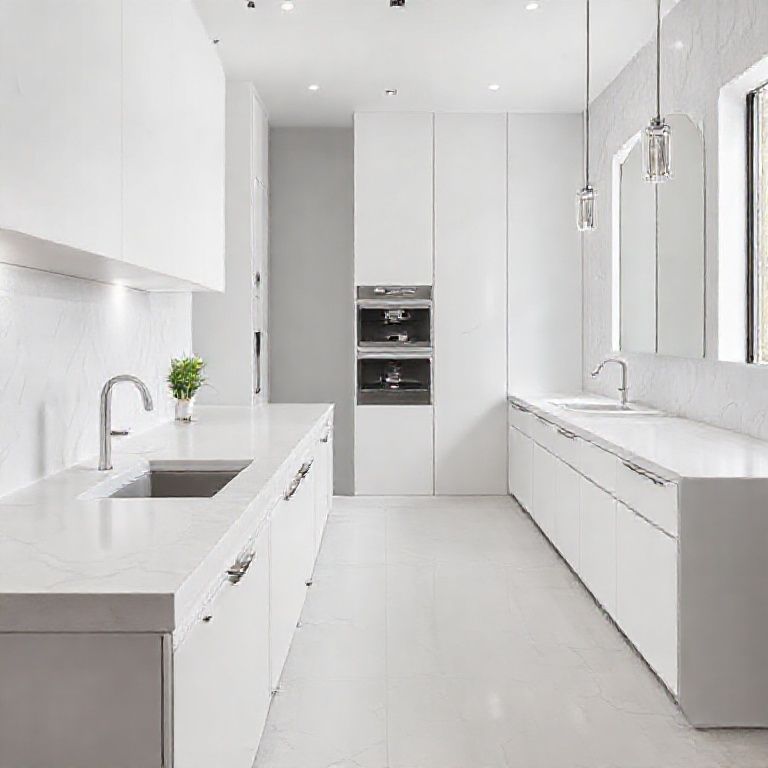
4. Tools and Materials Needed
Having the right tools and materials is essential for effective polishing. Here’s what you’ll need:
pH-Neutral Cleaner: To ensure no harmful chemicals are left on the surface. Soft Cloths: For applying and buffing the polish. Polishing Compound: Specifically designed for artificial stone. Polishing Pad or Machine: A soft-bristle pad by hand or a machine with a polishing attachment. Sealant: To protect the polished surface and enhance its durability.
5. Polishing Process
Now that everything is ready, let’s get into the polishing process itself.
Step 1: Application of Polishing Compound
Apply a small amount of the polishing compound to the stone surface. Use a soft cloth to spread it evenly, ensuring complete coverage. For larger countertops, use a polishing pad or machine to apply the compound. Start with a low speed to avoid scratching the surface.
Step 2: Buffing
Once the compound is dry (usually within a few minutes), start buffing the surface. Use circular motions for even polishing. If using a machine, switch to a higher speed to accelerate the process. Continue until the surface is uniformly polished.
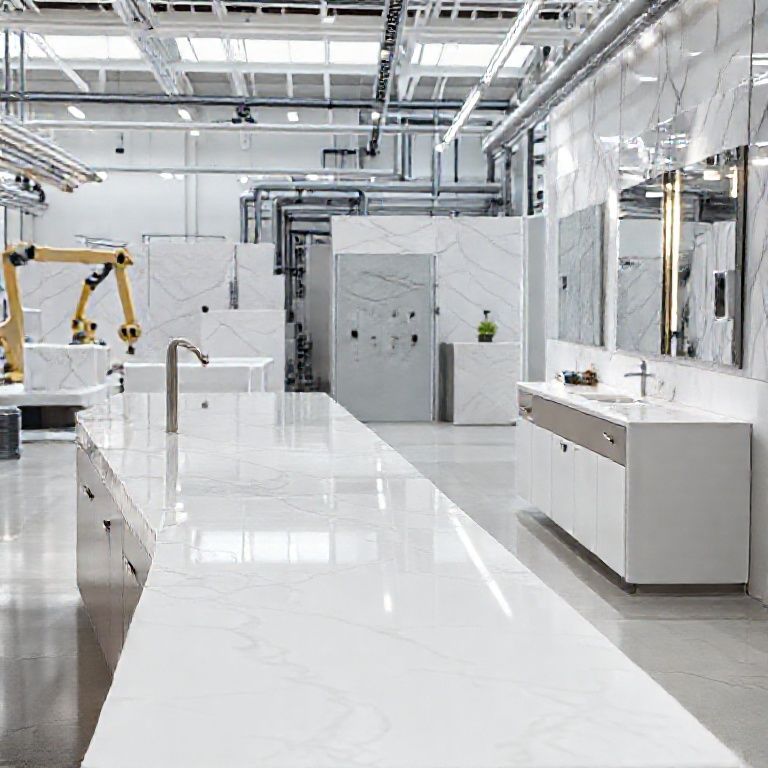
Step 3: Final Buff
After the initial buffing, use a clean, dry soft cloth to give the surface a final polish. This step removes any remaining compound and leaves the surface gleaming.
Advanced Polishing Techniques and Maintenance Tips
${part2}
Continuing from our detailed guide on polishing artificial stone countertops, let’s delve into advanced techniques and maintenance tips to ensure your countertops remain in top condition for years to come.
1. Addressing Deep Scratches and Stains
While regular polishing keeps the surface looking great, sometimes deeper scratches or stains require more attention:
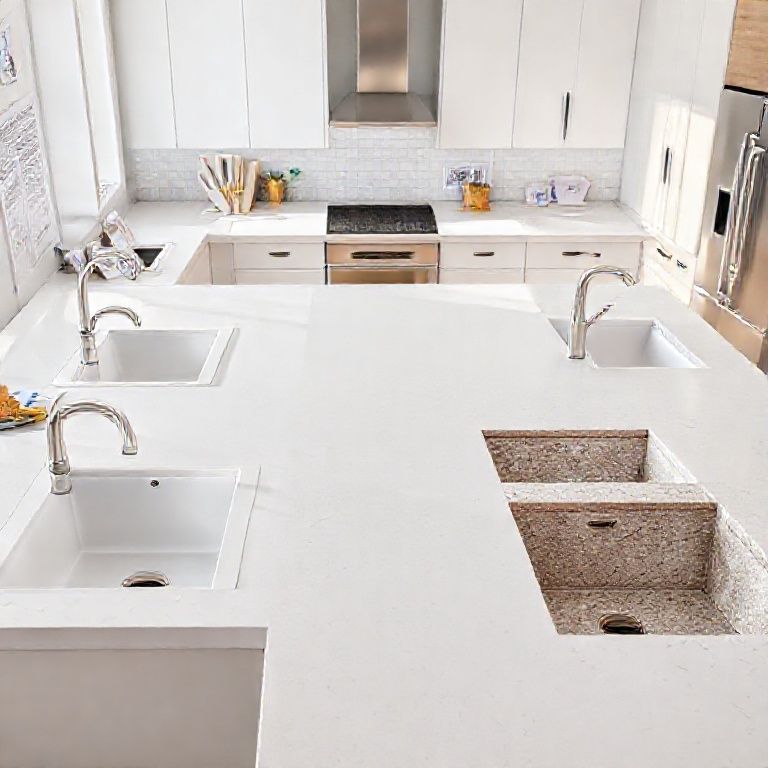
Scratch Removal: For minor scratches, use a polishing compound designed for artificial stone. For deeper scratches, consider a two-step process: first using a finer grit compound to smooth out the scratch, followed by a finer polish. Stain Removal: Identify the type of stain and use a suitable cleaning agent. For oil-based stains, a degreasing cleaner is effective. For water spots, a pH-neutral cleaner will help. Always test cleaners on a small, inconspicuous area first.
2. Using a Polishing Machine
For larger countertops, a polishing machine can save time and effort:
Setting Up the Machine: Ensure the machine is set to the appropriate speed and equipped with a suitable polishing pad. Application: Start from one corner and work your way across the countertop in consistent, overlapping passes. This ensures a uniform finish. Finishing Touches: Once the entire surface is polished, use a soft cloth to buff out any minor imperfections.
3. Regular Maintenance
To keep your artificial stone countertop looking its best, regular maintenance is essential:
Daily Cleaning: Use a pH-neutral, non-abrasive cleaner to wipe down the surface daily. This prevents buildup of dirt and grime. Monthly Deep Clean: Every month, use a more intensive cleaner to remove any accumulated residues. Avoiding Abrasives: Never use abrasive cleaners or scouring pads on artificial stone. These can scratch the surface and dull the shine.
4. Protecting the Polished Surface
To extend the life of your polished countertop, proper protection is crucial:
Sealant Application: Apply a high-quality, pH-neutral sealant every six months. This protects against stains and adds a glossy finish. Immediate Spill Cleanup: Wipe up spills immediately to prevent staining. Use a clean, dry cloth to blot, never rub, to avoid spreading the spill.
5. Handling Specific Materials
Artificial stone can vary in composition and finish. Here’s how to polish different types:
Cultured Stone: Follow the general guidelines but ensure the polishing compound is suitable for cultured stone. Composite Stone: Use a gentler approach, as composite stone can be more sensitive. Always test products on a small area first.
6. DIY vs. Professional Services
Deciding whether to polish your countertops yourself or hire a professional can depend on your skills and the condition of the surface:
DIY: For minor polishes and regular maintenance, DIY is often effective and cost-efficient. Professional Services: For extensive damage, deep cleaning, or if you’re not confident in your polishing skills, consider professional services. They bring specialized equipment and expertise.
Conclusion
Polishing artificial stone countertops is an essential aspect of maintaining their beauty and durability. By understanding the material, using the right tools, and following proper techniques, you can keep your countertops looking like new for years to come. Regular maintenance and protection are key to prolonging the life of your investment. Whether you choose to do it yourself or opt for professional help, the end result will be a stunning, polished surface that enhances your home’s aesthetic.