Introduction to Artificial Stone Countertops and Their Polishing Needs
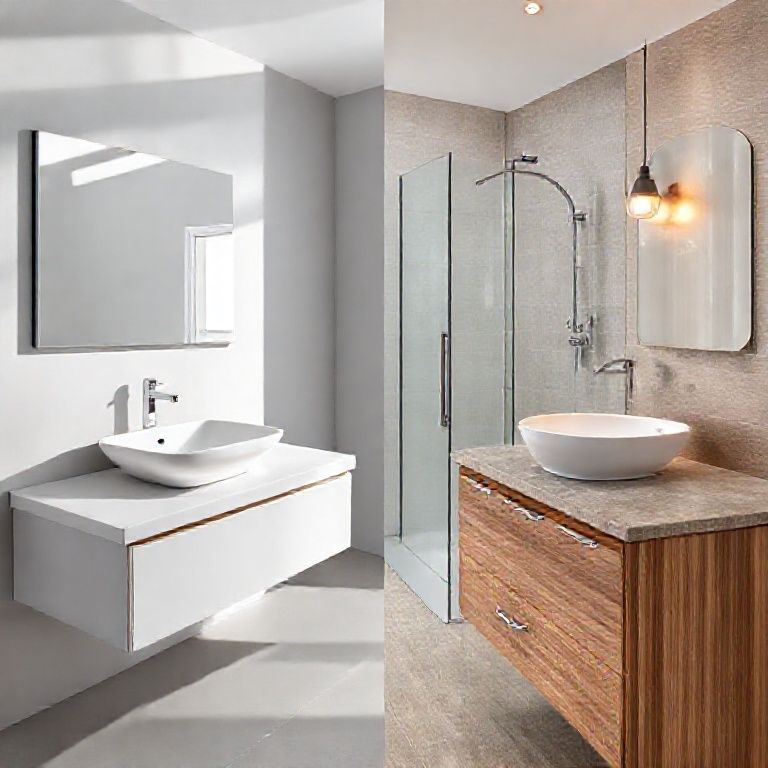
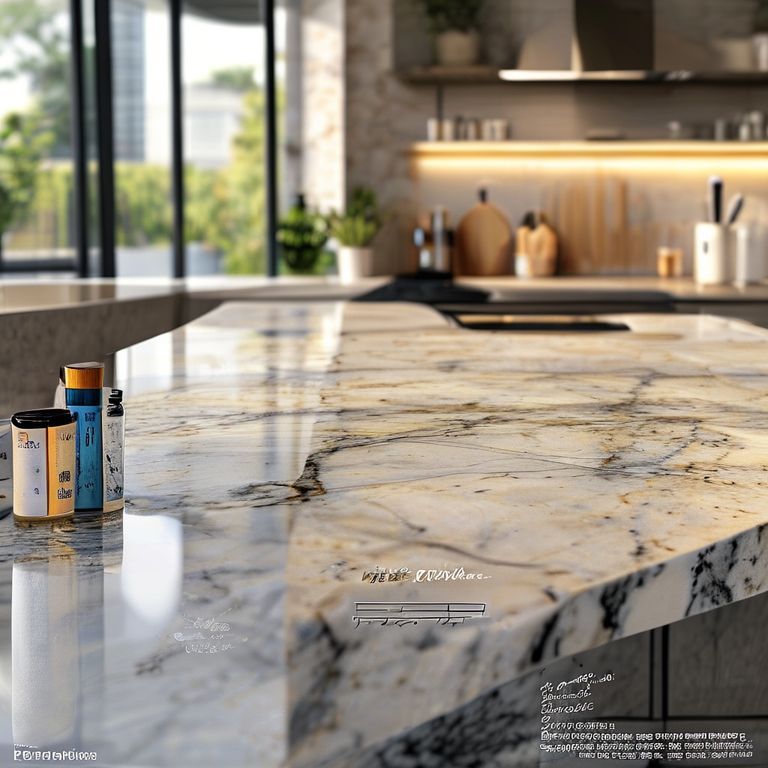
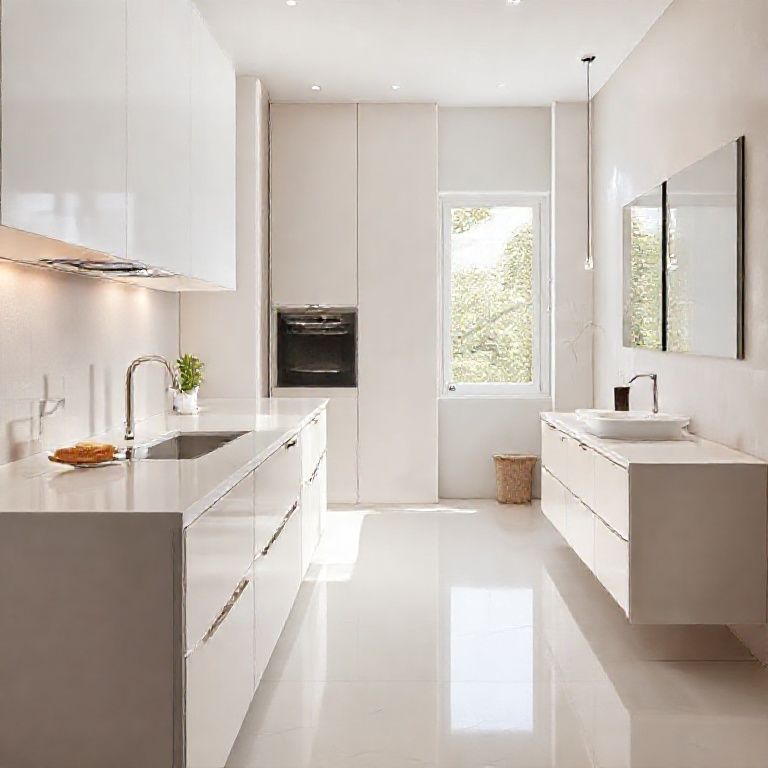
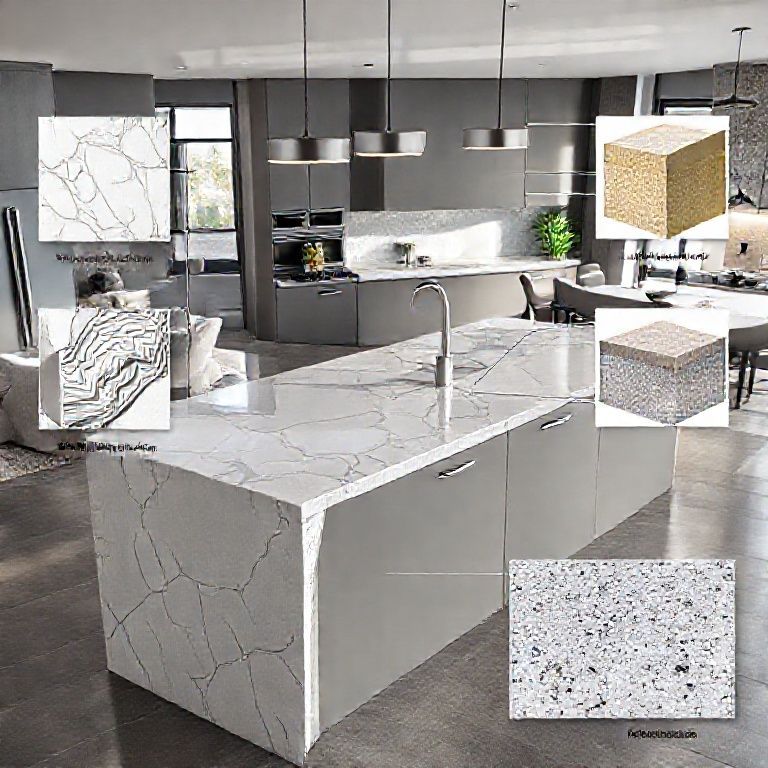
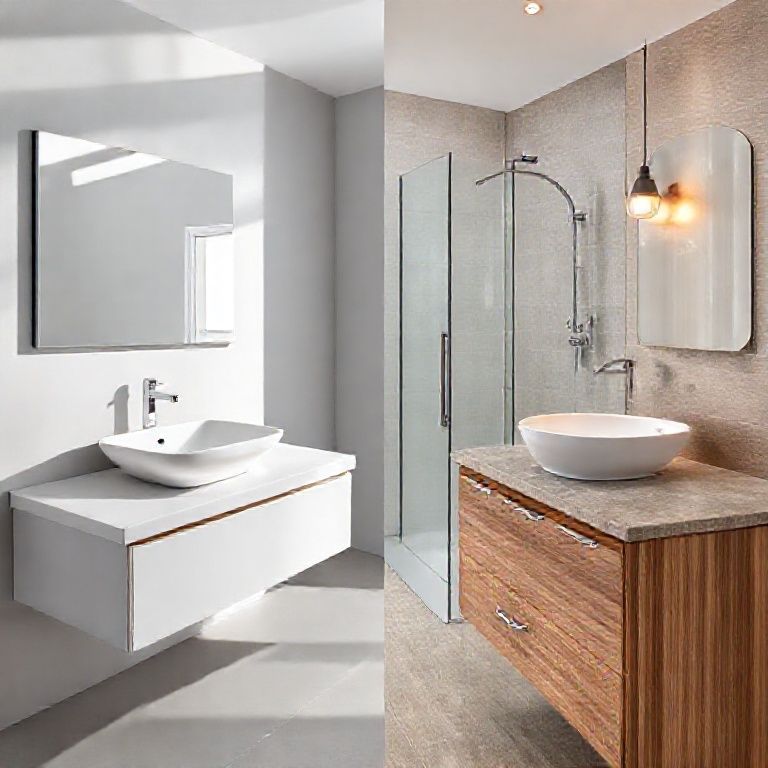
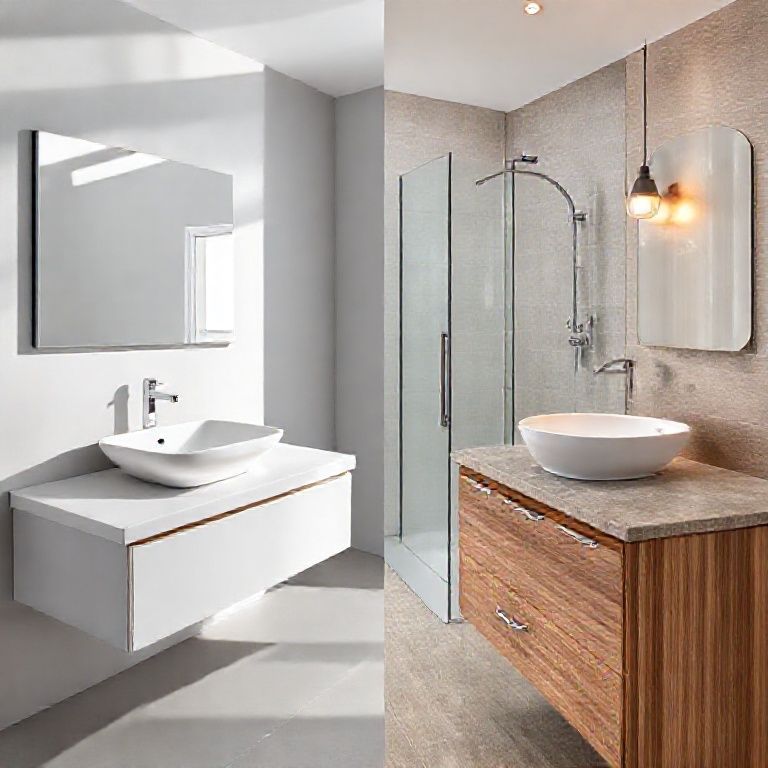
In today’s modern kitchen and bathroom designs, artificial stone countertops have become a popular choice. Known for their durability, low maintenance, and aesthetic appeal, these countertops are a favorite among homeowners and designers alike. However, even the most beautiful surfaces require proper care and maintenance to maintain their luster and functionality. One crucial aspect of maintaining artificial stone countertops is polishing, which helps to enhance their natural beauty and prolong their lifespan.
Why Polishing Matters
Artificial stone, often made from a combination of minerals, resins, and pigments, can develop a dull finish over time due to daily use, spills, and general wear. Polishing not only revives the surface but also smooths out imperfections, making the countertop look as good as new. Regular polishing can help to:
Enhance Aesthetic Appeal: A polished surface reflects light beautifully, showcasing the intricate details of the stone. Improve Durability: Polishing can help fill in micro-scratches and minor imperfections, reducing the risk of further damage. Extend Longevity: Proper maintenance through regular polishing can significantly prolong the life of your artificial stone countertops.
Preparation for Polishing Artificial Stone Countertops
Before diving into the polishing process, it’s essential to prepare both the countertop and your tools. Here’s a step-by-step guide to ensure you’re ready to polish your artificial stone surfaces effectively:
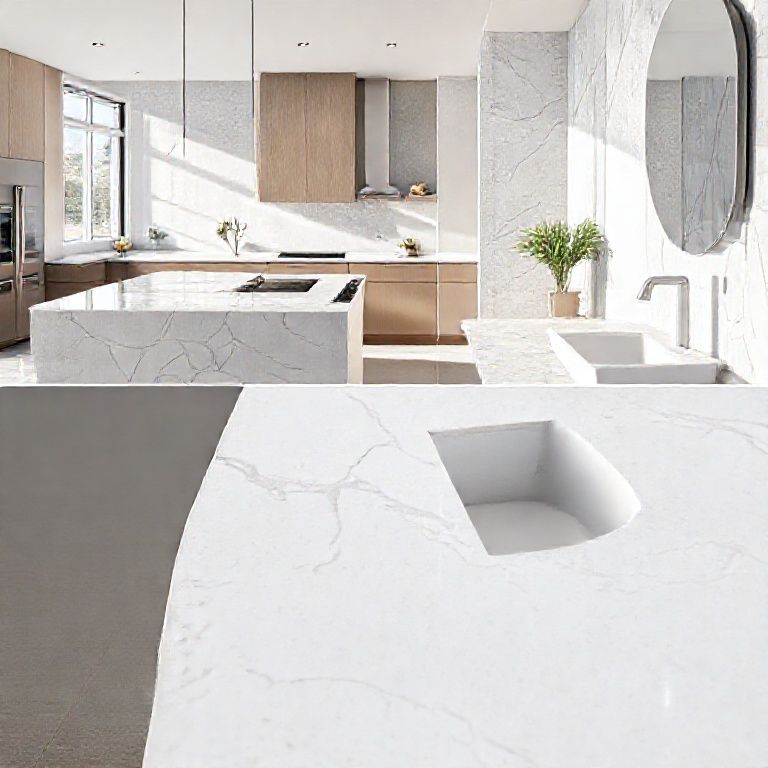
Clean the Surface: Start by thoroughly cleaning the countertop with a gentle, pH-neutral cleaner to remove any dirt, grease, or residue. This ensures that the polishing compounds can work effectively without being obstructed by impurities.
Gather Your Tools: You’ll need a few essential tools for polishing artificial stone:
Polishing Pad: A non-abrasive pad is crucial to avoid scratching the surface. Polishing Compound: Choose a high-quality compound specifically formulated for artificial stone. Buffing Machine: An electric buffer or rotary polisher can help achieve a smooth finish. Microfiber Cloths: These are perfect for applying and buffing the polishing compound. Protect Surrounding Areas: Use painter’s tape to protect adjacent surfaces and ensure a clean finish around the edges of the countertop.
The Polishing Process
Now that you’re prepared, it’s time to polish your artificial stone countertop. Follow these detailed steps to achieve a professional finish:
Apply the Polishing Compound: Using the polishing pad, apply a small amount of the polishing compound to the countertop. Spread it evenly with circular motions.
Buff the Surface: Attach the polishing pad to your buffing machine. Slowly move the machine over the surface in a consistent, circular motion. Ensure you cover the entire area evenly to avoid patches.
Rinse and Wipe: Once you’ve buffed the surface, rinse it with clean water to remove any residue from the polishing compound. Use a microfiber cloth to wipe the surface dry.
Final Buff: After drying, give the surface a final buff with the polishing pad on your buffing machine to ensure a smooth, shiny finish.
Conclusion
Polishing artificial stone countertops is a relatively simple process if you follow the right steps and use the appropriate tools. Regular maintenance through polishing can help maintain the beauty and functionality of your countertops, ensuring they remain a stunning focal point in your kitchen or bathroom for years to come. In the next part, we’ll delve deeper into specific tips and tricks for achieving the best results, along with a detailed video guide to make the process even easier.
Advanced Tips and Tricks for Polishing Artificial Stone Countertops
Building on the basics, this section will provide advanced tips and tricks to ensure your artificial stone countertops achieve the highest level of polish and shine. Whether you’re a DIY enthusiast or a professional contractor, these insights will help you perfect your polishing technique.
Special Considerations for Different Artificial Stone Types
Not all artificial stones are created equal. While most polishing techniques apply broadly, some types may require specific attention:
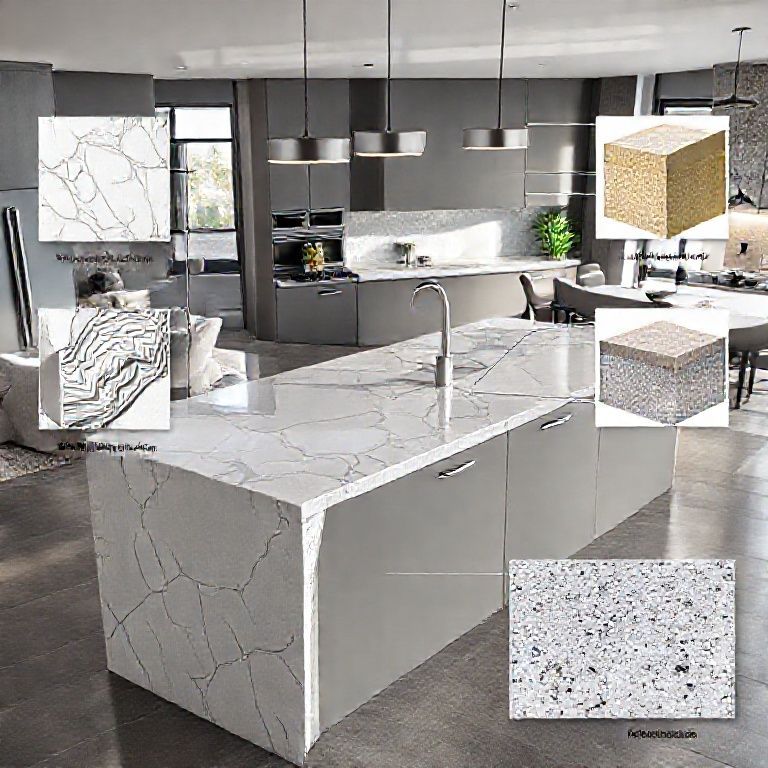
Solid Surface: This type of artificial stone, often made from materials like acrylic or polyester resin, may benefit from using a high-grit polishing compound followed by a finer polish for a mirror-like finish.
Granite-Like Composite: These composites often have a more textured surface. Use a dual-action polisher with both coarse and fine pads to handle the varied texture without damaging the surface.
Natural Stone Imitates: For countertops that mimic natural stone, use a mild polish to avoid stripping away the surface finish that replicates the appearance of natural materials.
Detailed Video Guide
To make the polishing process even easier, we’ve created a comprehensive video guide. This video walks you through each step in detail, from preparation to the final buff, ensuring you understand every aspect of the process. Here’s what you’ll find in our video:
Introduction to the Process: An overview of why polishing is important and what tools you’ll need.
Step-by-Step Cleaning: Demonstrating how to clean the surface properly to remove all impurities before polishing.
Application of Polishing Compound: Showing the correct technique for applying the compound to avoid streaks and uneven application.
Buffing Techniques: Detailed instructions on how to use the buffing machine effectively to achieve a smooth, polished surface.
Final Rinse and Buff: Showcasing the final rinse and buff to remove any polishing compound residue and achieve the best finish.
Common Mistakes to Avoid
Even with the best techniques, certain mistakes can detract from the final polished appearance of your artificial stone countertops. Here are some common pitfalls to avoid:
Using an Abrasive Pad: Always use a non-abrasive pad to avoid scratching the surface of the artificial stone.
Over-Polishing: Applying too much pressure or polishing too long can actually damage the surface. Follow the recommended time for buffing.
Ignoring Small Imperfections: Don’t overlook small scratches or minor imperfections. These can become more pronounced if not addressed during polishing.
Not Rinsing Thoroughly: Failing to rinse the surface properly after applying the polishing compound can leave residue, which can dull the finish.
Maintenance Tips for Long-Lasting Polish
To keep your polished artificial stone countertops looking their best, follow these maintenance tips:
Regular Cleaning: Clean your countertops regularly with a pH-neutral cleaner to remove dirt and grime before they can cause permanent stains or damage.
Use Coasters and Placemats: Protect the surface from heat and spills by using coasters for drinks and placemats for hot dishes.
Immediate Spill Management: Address spills immediately, especially those containing acidic substances like citrus juice or vinegar, as they can damage the surface.
Avoid Harsh Chemicals: Only use cleaners specifically designed for artificial stone to avoid damaging the surface.
Final Thoughts
Polishing artificial stone countertops is an achievable task with the right preparation and techniques. By following the steps outlined in this guide and utilizing the video tutorial, you can achieve a professional-looking finish that enhances the beauty and durability of your countertops. Regular maintenance and proper care will ensure that your artificial stone surfaces remain pristine and functional for years to come.
In conclusion, mastering the art of polishing artificial stone countertops can transform your kitchen and bathroom aesthetics, providing a sleek, polished look that stands the test of time. With the right approach and tools, anyone can achieve impressive results. For more detailed visual guidance, be sure to check out our comprehensive video guide linked in the article. Happy polishing!