${part1}
Mastering the Art of Polishing Synthetic Stone Countertops: A Step-by-Step Video Guide
In the world of home improvement and kitchen design, synthetic stone countertops have become a popular choice for their durability, low maintenance, and aesthetic appeal. However, like any surface, they require proper care and maintenance to ensure they remain beautiful and functional. If you’re looking to give your synthetic stone countertops that perfect shine and polished look, you’ve come to the right place. In this comprehensive video guide, we will walk you through the entire process of polishing your synthetic stone countertops to perfection.

Why Polish Your Synthetic Stone Countertops?
Polishing your synthetic stone countertops is essential for several reasons:
Enhanced Appearance: A polished surface looks more refined and modern, elevating the overall aesthetic of your kitchen. Durability: Proper polishing can help extend the life of your countertops by protecting against scratches and stains. Hygiene: Regular maintenance ensures that your countertops remain clean and hygienic, which is crucial in a kitchen environment.
Materials Needed for Polishing Synthetic Stone Countertops
Before we dive into the process, let’s gather all the necessary materials. Here’s what you’ll need:
Synthetic stone polish Microfiber cloths Soft-bristle brush or sponge Water Polishing pad (optional) Sealer (if needed) Safety goggles (optional but recommended)
Step-by-Step Guide to Polishing Synthetic Stone Countertops
Preparation:
Start by cleaning your countertops thoroughly. Remove any food particles, grease, or stains using a mild detergent and a soft-bristle brush. Rinse with water and dry with a microfiber cloth. Ensure the surface is completely dry before beginning the polishing process.
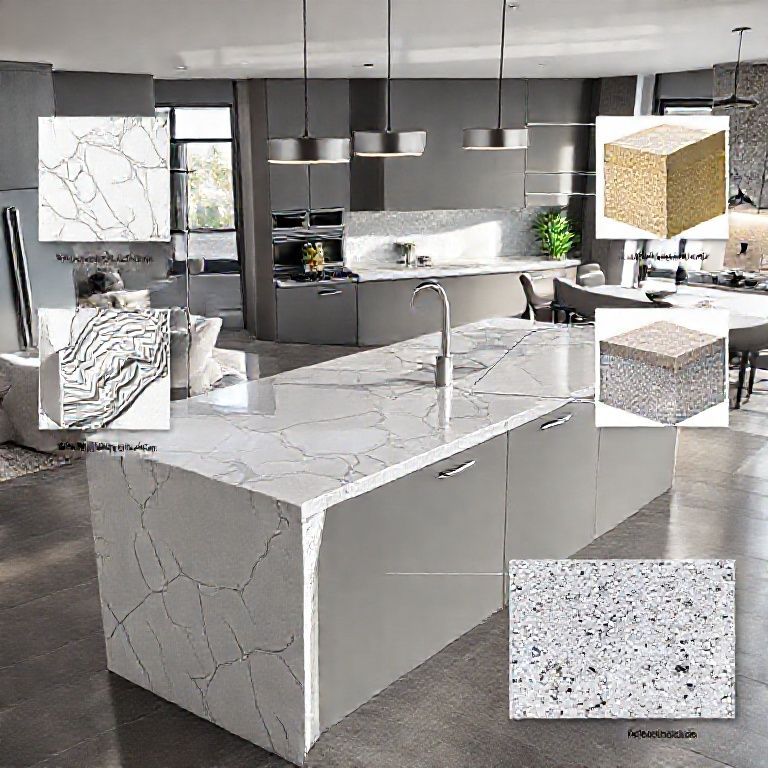
Applying the Polish:
Apply a small amount of synthetic stone polish to a microfiber cloth. Avoid using too much product to prevent it from dripping or pooling on the surface. Gently rub the polish into the countertop using a circular motion. Make sure to cover the entire surface evenly.
Buffing the Surface:
Once the polish has been evenly applied and has dried slightly, use a clean microfiber cloth to buff the surface. Apply more pressure than when you first applied the polish. This will help bring out the shine and polish the surface to a high gloss. If desired, you can use a polishing pad to achieve a more even finish, but be sure to monitor the pressure to avoid scratching the surface.
Final Inspection:
After buffing, inspect the countertop to ensure there are no streaks or uneven spots. If you notice any imperfections, repeat the polishing process in the affected areas.
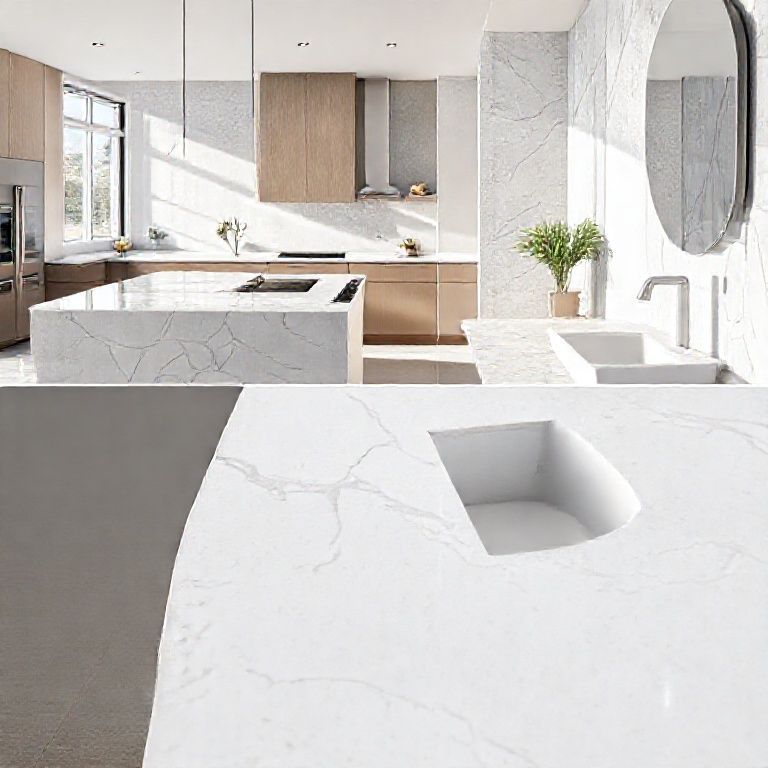
Sealing (Optional):
Depending on the level of protection you desire, you might consider sealing the polished surface. Apply a high-quality sealer according to the manufacturer’s instructions. This will provide an additional layer of protection against stains and scratches.
Tips for Maintaining Your Polished Synthetic Stone Countertops
Regular Cleaning: Wipe down your countertops daily with a damp microfiber cloth to remove any spills or stains promptly. Avoid Abrasive Cleaners: Use only mild, non-abrasive cleaners to avoid scratching the surface. Immediate Spill Cleanup: Clean up spills immediately to prevent staining and long-term damage.
By following these steps, you can keep your synthetic stone countertops looking pristine and ensure they last for many years. In the next part of our guide, we will delve deeper into advanced techniques for maintaining and polishing your synthetic stone surfaces, including specific tips for different types of stains and common maintenance tasks.
${part2}
Mastering the Art of Polishing Synthetic Stone Countertops: Advanced Techniques and Maintenance
Building on the foundational techniques covered in the first part of our guide, this second part will explore advanced methods for polishing and maintaining your synthetic stone countertops. With these expert tips, you’ll be able to handle more complex issues and ensure your countertops remain in pristine condition for years to come. Whether you’re a DIY enthusiast or a professional, this detailed walkthrough will provide you with the knowledge to keep your countertops looking flawless.
Tackling Stubborn Stains
Synthetic stone countertops are generally low maintenance, but sometimes stains can still occur. Here’s how to tackle them:
Identify the Stain:
First, determine the type of stain you’re dealing with. This will help you choose the most effective cleaning method.
Mild Detergent Solution:
Mix a small amount of mild dish soap with water. Use a soft-bristle brush to gently scrub the stained area. Avoid using abrasive materials that could scratch the surface.
Baking Soda Paste:
For tougher stains, create a paste using baking soda and water. Apply the paste to the stain and let it sit for a few minutes before scrubbing with a soft-bristle brush.
Hydrogen Peroxide:
For organic stains like coffee or red wine, apply a small amount of hydrogen peroxide directly to the stain. Let it sit for a few minutes before scrubbing gently with a soft-bristle brush.
Rinse and Dry:
After scrubbing, rinse the area with clean water and dry it thoroughly with a microfiber cloth.
Regular Upkeep and Maintenance
Regular maintenance is key to keeping your synthetic stone countertops looking their best. Here are some advanced tips for regular upkeep:
Daily Cleaning:
Wipe down your countertops with a damp microfiber cloth every day. This will remove spills and prevent stains from setting in.
Weekly Cleaning:
Use a mild, non-abrasive cleaner weekly to thoroughly clean the surface. Avoid using too much water to prevent it from pooling and causing damage.
Monthly Deep Clean:
For a deep clean, use a synthetic stone polish and follow the same steps as detailed in the first part of our guide. This will help maintain the shine and gloss of your countertops.
Avoiding Damage:
Use cutting boards, pot holders, and trivets to protect the surface from scratches and heat damage. Always place hot pots and pans on trivets to prevent thermal shock.
Extending the Life of Your Synthetic Stone Countertops
To ensure your synthetic stone countertops last as long as possible, follow these additional tips:
Sealing:
Consider sealing your countertops every 6 to 12 months, depending on the level of use and exposure. This will provide an additional layer of protection against stains and scratches.
Proper Tools:
Always use the appropriate tools for cleaning and maintenance. Avoid abrasive materials that can scratch the surface.
Professional Help:
For complex repairs or restorations, consider consulting a professional. They have the expertise and tools to handle intricate tasks without damaging your countertops.
Advanced Polishing Techniques
For those looking to take their polishing skills to the next level, here are some advanced techniques:
Using a Polishing Machine:
For large surfaces or high-gloss finishes, consider using a polishing machine. Follow the manufacturer’s instructions carefully to avoid damaging the surface.
Chemical Polishing:
Some specialized chemical polishes can provide a deeper level of shine. Always follow the product instructions and test a small area first to ensure compatibility with your synthetic stone.
Custom Polishing Pads:
Invest in custom polishing pads designed for synthetic stone. These pads provide a consistent finish and help avoid scratches.
Conclusion
Maintaining and polishing synthetic stone countertops is an ongoing process that requires regular care and attention. By following these advanced techniques and maintenance tips, you can ensure that your countertops remain beautiful and functional for years to come. Whether you’re tackling stubborn stains or performing a deep clean, these expert tips will help you achieve the best results.
Thank you for joining us in this comprehensive guide to polishing synthetic stone countertops. For more detailed videos and tutorials, subscribe to our channel and stay tuned for more expert advice on home improvement and kitchen design.
By following this detailed, two-part guide, you’ll be well-equipped to keep your synthetic stone countertops looking pristine and extend their lifespan with当然,这里是继续完整的第二部分内容,涵盖更多的高级技巧和维护建议:
Advanced Techniques and Maintenance for Synthetic Stone Countertops
Extending the Life of Your Synthetic Stone Countertops
To ensure your synthetic stone countertops last as long as possible, follow these additional tips:
Sealing:
Consider sealing your countertops every 6 to 12 months, depending on the level of use and exposure. This will provide an additional layer of protection against stains and scratches.
Proper Tools:
Always use the appropriate tools for cleaning and maintenance. Avoid abrasive materials that can scratch the surface.
Professional Help:
For complex repairs or restorations, consider consulting a professional. They have the expertise and tools to handle intricate tasks without damaging your countertops.
Advanced Polishing Techniques
For those looking to take their polishing skills to the next level, here are some advanced techniques:
Using a Polishing Machine:
For large surfaces or high-gloss finishes, consider using a polishing machine. Follow the manufacturer’s instructions carefully to avoid damaging the surface.
Chemical Polishing:
Some specialized chemical polishes can provide a deeper level of shine. Always follow the product instructions and test a small area first to ensure compatibility with your synthetic stone.
Custom Polishing Pads:
Invest in custom polishing pads designed for synthetic stone. These pads provide a consistent finish and help avoid scratches.
Preventing and Fixing Common Issues
Thermal Shock:
To prevent thermal shock, always use trivets or pot holders when placing hot items on the countertop. Sudden temperature changes can cause cracks or chips in the synthetic stone.
Scratches:
For minor scratches, use a synthetic stone scratch remover according to the manufacturer’s instructions. For deeper scratches, consider professional restoration services.
Chips and Cracks:
Minor chips can often be filled with a synthetic stone repair kit. For larger cracks or chips, professional repair services are recommended to ensure a seamless and durable fix.
Regular Maintenance and Upkeep
Monthly Deep Clean:
Perform a thorough cleaning every month using a mild, non-abrasive cleaner and a soft cloth. This will help remove any buildup and maintain the surface’s shine.
Quarterly Inspection:
Conduct a more detailed inspection every three months. Check for any signs of wear, scratches, or damage that might need attention.
Immediate Spill Cleanup:
Clean up spills immediately to prevent staining and long-term damage. Use appropriate cleaning solutions and tools to avoid causing additional harm to the surface.
Special Considerations for Different Synthetic Stone Types
Different brands and types of synthetic stone may have specific maintenance requirements. Always refer to the manufacturer’s guidelines for the best care practices. Here are some general tips for common types:
Quartz Countertops:
Quartz is highly durable and low maintenance but can still be scratched by hard objects. Use soft cloths and avoid sharp objects when placing items on the surface.
Corian Countertops:
Corian is resistant to stains and scratches but can be affected by prolonged exposure to certain chemicals. Always use mild cleaners and avoid acidic substances.
Solid Surface Countertops:
Solid surfaces like acrylic or polyester are tough but can still suffer from thermal shock. Use trivets and avoid placing hot items directly on the surface.
Final Thoughts
Maintaining and polishing synthetic stone countertops is an ongoing process that requires regular care and attention. By following these advanced techniques and maintenance tips, you can ensure that your countertops remain beautiful and functional for years to come.
Thank you for joining us in this comprehensive guide to polishing synthetic stone countertops. For more detailed videos and tutorials, subscribe to our channel and stay tuned for more expert advice on home improvement and kitchen design.