Mastering the Art of Removing Stains from Artificial Stone Countertops: A Comprehensive Guide
Artificial stone countertops have revolutionized modern home design with their blend of durability, aesthetic appeal, and low maintenance. However, despite their resilience, these surfaces can sometimes suffer from stains that mar their beauty. Whether you’re dealing with stubborn coffee rings, red wine blotches, or even unsightly hard water marks, knowing the right techniques to remove these stains is essential. This guide will walk you through the steps to keep your artificial stone countertops looking as pristine as the day they were installed.
Understanding Artificial Stone Countertops
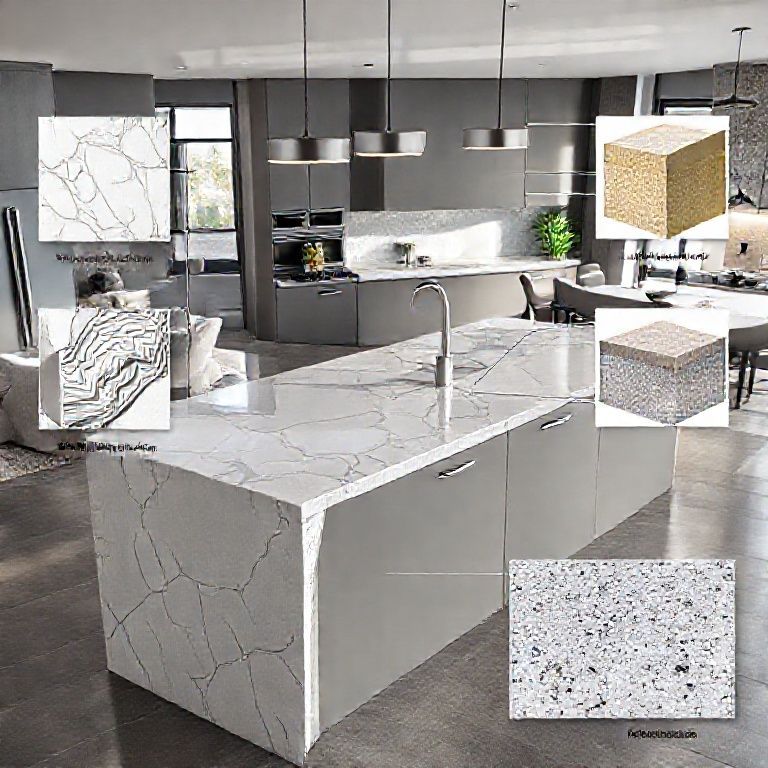
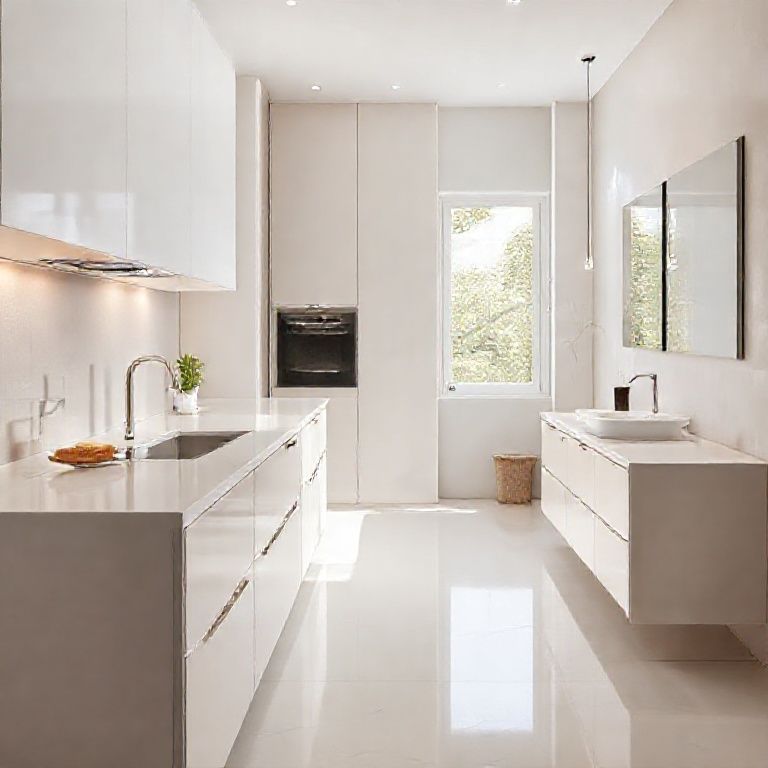
Before diving into stain removal techniques, it’s crucial to understand what artificial stone countertops are made of. Artificial stone, often referred to as quartz, is a composite material made from 93% natural stone and 7% resin binder. This combination creates a surface that is incredibly hard and resistant to scratches, making it a popular choice for kitchen and bathroom countertops.
Despite their durability, artificial stones can still get stained, especially in high-traffic areas like kitchens and bathrooms. The key to maintaining their beauty lies in regular cleaning and prompt stain treatment.
Common Stains on Artificial Stone Countertops
Coffee and Tea Stains: These stains are caused by tannins, which can leave brown spots on the surface.
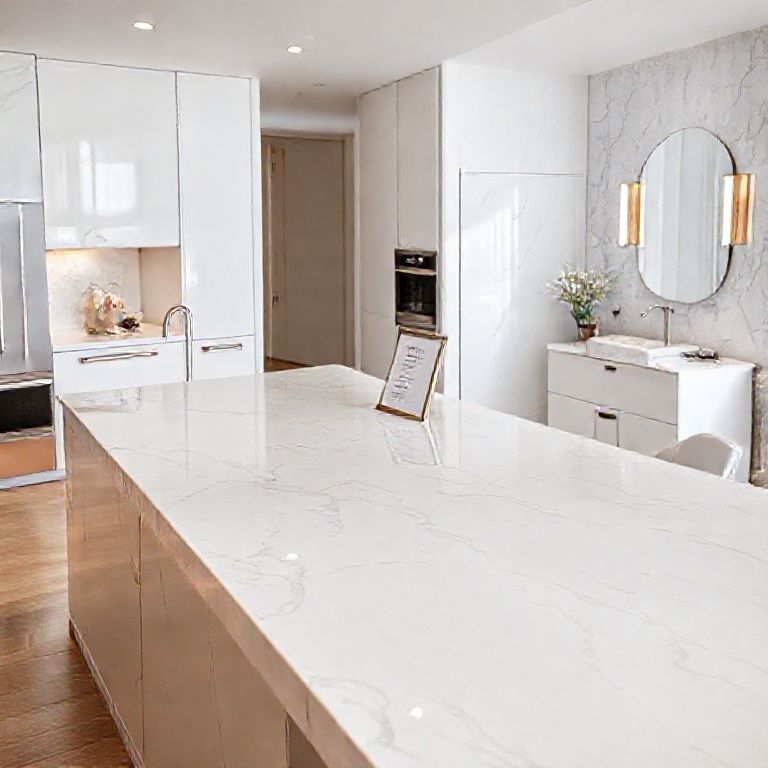
Red Wine Stains: The pigments in red wine can seep into the stone, creating persistent red or brown marks.
Hard Water Stains: Mineral deposits from hard water can leave white or cloudy spots.
Grease and Oil Stains: Cooking spills can leave greasy residues that, if left untreated, can become ingrained.
Basic Cleaning Techniques
Regular maintenance is the first line of defense against stains. Here are some basic cleaning techniques to keep your artificial stone countertops in top shape:
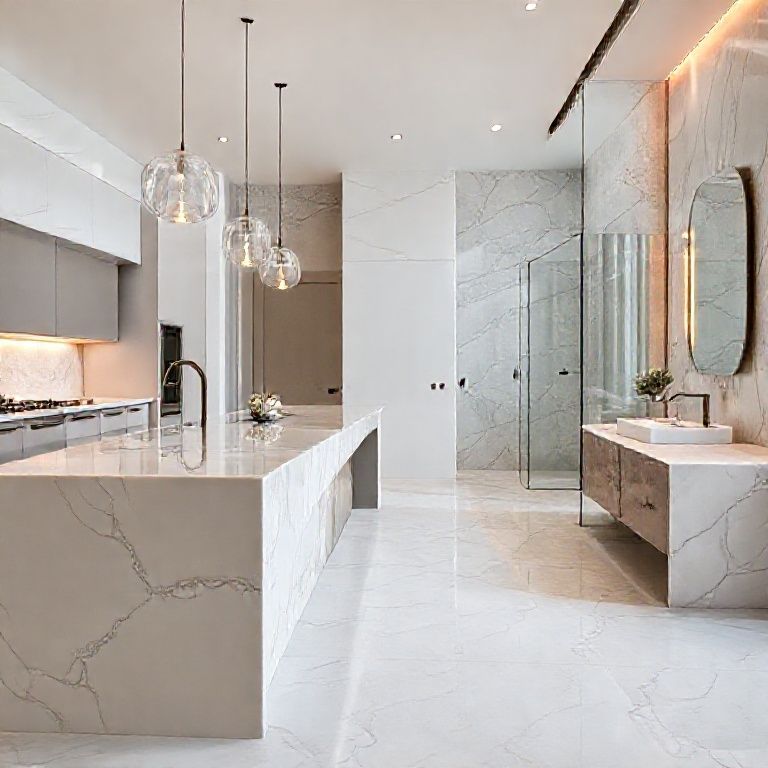
Daily Cleaning: Use a soft cloth or sponge with warm water and mild dish soap. Avoid abrasive scrubbers or harsh chemicals that can damage the surface.
Drying: Always dry the surface with a clean, dry cloth to prevent water spots and potential staining.
Sealing: While artificial stone does not require traditional sealing like natural stone, it’s still beneficial to apply a non-toxic, food-safe sealant periodically to maintain its protective qualities.
Stain Removal Techniques
When stains do occur, here’s how to tackle them effectively:
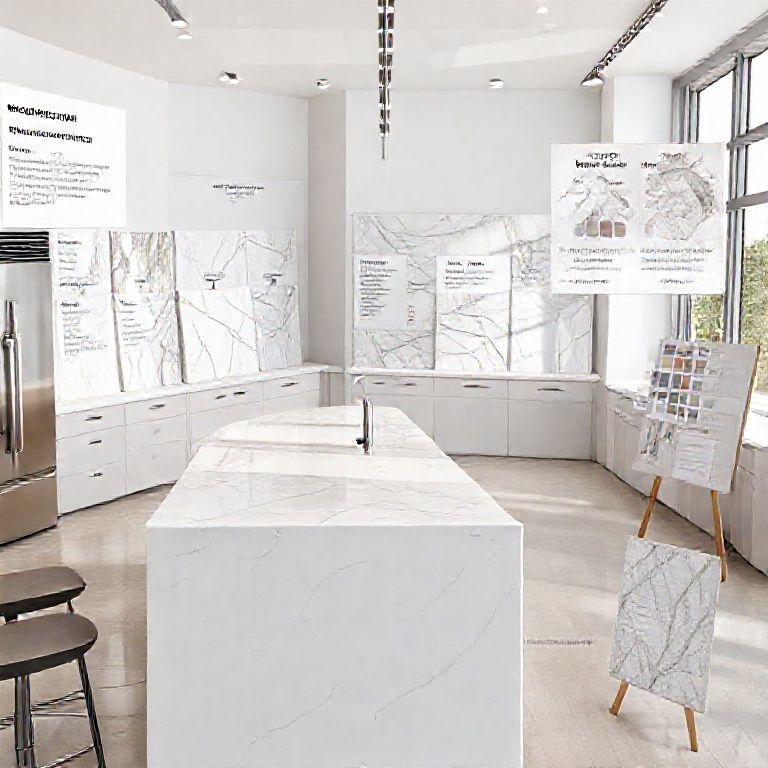
Coffee and Tea Stains: Baking Soda Paste: Mix baking soda with a small amount of water to form a paste. Apply it to the stain, let it sit for 15-20 minutes, then scrub gently with a soft cloth and rinse. Vinegar Solution: Apply a mixture of equal parts vinegar and water to the stain. Let it sit for a few minutes before wiping it clean with a damp cloth. Red Wine Stains: Rubbing Alcohol: Dampen a cloth with rubbing alcohol and gently rub the stain. Avoid soaking the cloth, as alcohol can be too harsh. Lemon Juice: Squeezing fresh lemon juice onto the stain and allowing it to sit for a few minutes before wiping can help lighten the stain. Hard Water Stains: White Vinegar: Vinegar is an excellent natural cleaner. Spray vinegar directly onto the stains and let it sit for 10-15 minutes before wiping clean. Commercial Cleaners: Use a commercial stone cleaner specifically designed for artificial stone. Follow the manufacturer’s instructions carefully. Grease and Oil Stains: Dish Soap and Baking Soda: Mix dish soap with baking soda to create a paste. Apply it to the stain, let it sit for a few hours, then scrub gently and rinse. Commercial Degreasers: For tougher grease stains, a commercial degreaser can be effective. Ensure it’s safe for use on artificial stone surfaces.
Preventing Future Stains
Preventing stains is always easier than removing them. Here are some tips to keep your artificial stone countertops looking their best:
Use Coasters and Placemats: Protect your countertops from spills by using coasters under glasses and placemats under plates.
Prompt Cleaning: Address spills immediately to prevent stains from setting in.
Avoid Harsh Chemicals: Stick to mild cleaning agents to avoid damaging the surface.
By understanding the nature of artificial stone and employing these effective cleaning techniques, you can maintain the beauty and longevity of your countertops. In the next part, we’ll delve deeper into advanced stain removal methods and explore natural cleaning solutions that are safe for your countertops.
Advanced Stain Removal Techniques for Artificial Stone Countertops
In the first part of this guide, we explored basic cleaning techniques and effective methods for removing common stains from artificial stone countertops. Now, let’s delve into advanced stain removal techniques that can tackle tougher stains and ensure your countertops maintain their pristine appearance. Additionally, we’ll explore natural, eco-friendly cleaning solutions that are safe for your stone surfaces.
Tackling Tough Stains
Hydrogen Peroxide for Stubborn Stains: Application: For particularly stubborn stains like dried coffee or red wine, hydrogen peroxide can be very effective. Apply a small amount directly to the stain and let it sit for 10-15 minutes before gently scrubbing with a soft cloth. Safety Tip: Always test a small, inconspicuous area first to ensure it doesn’t damage the stone. Baking Soda and Vinegar Paste: Procedure: Create a paste using equal parts baking soda and vinegar. Apply it to the stain, let it sit for about 30 minutes, then scrub gently with a sponge or cloth. Effectiveness: This combination can tackle a variety of stains due to the acidic nature of vinegar and the abrasive properties of baking soda. Commercial Stain Removers: Specialized Products: There are commercial products specifically designed for cleaning artificial stone. These often contain enzymes that break down organic stains. Instructions: Follow the product instructions carefully for best results. These products are formulated to be safe for artificial stone surfaces. Enzymatic Cleaners: Bio-Enzymes: Enzymatic cleaners contain enzymes that break down organic matter, making them effective against spills like coffee, tea, and food residues. Usage: Apply the cleaner directly to the stain and let it sit for the recommended time before wiping clean.
Natural and Eco-Friendly Cleaning Solutions
Using natural cleaning solutions is not only good for the environment but also safe for your artificial stone countertops. Here are some effective natural cleaners:
Vinegar and Water Solution: Mixture: Mix equal parts of white vinegar and water in a spray bottle. Application: Spray the solution onto the countertop, let it sit for a few minutes, then wipe clean with a damp cloth. Benefits: Vinegar is a natural disinfectant and deodorizer, making it ideal for kitchen countertops. Lemon Juice and Salt Scrub: Ingredients: Combine lemon juice with coarse salt to form a paste. Procedure: Apply the paste to the stain, let it sit for 15 minutes, then scrub gently and rinse. Effectiveness: The acidic nature of lemon juice helps to lighten stains, while the salt acts as an abrasive cleaner. Olive Oil and Baking Soda: Paste: Mix olive oil with baking soda to create a paste. Application: Apply to the stain, let it sit for 15-30 minutes, then scrub gently and rinse. Benefits: Olive oil can help to condition the stone, while baking soda provides gentle abrasiveness.
Deep Cleaning Techniques
For a deeper clean, especially after heavy use or spills, consider these techniques:
Steam Cleaning: Method: Use a steam cleaner designed for stone surfaces. The high-pressure steam can help to remove deep-seated stains and grime. Caution: Always test in an inconspicuous area first to ensure it doesn’t damage the surface. Microfiber Cloths: Usage: After regular cleaning, use a microfiber cloth to buff the surface. This can help to remove fine particles and微小的污垢,使得表面看起来更加光滑和干净。
微纤维布还能有效吸附水分和油脂,避免在清洁过程中刮花人造石表面。 定期保养: 清洁产品:定期使用专门的人造石清洁剂,这些产品通常含有温和的清洁成分,不会对人造石表面造成损害。 抛光剂:每隔几个月使用一次抛光剂,可以让人造石表面恢复光泽,使其看起来更加新焕。
如何预防污渍渗入人造石台面
使用防溅垫: 在台面上使用防溅垫或砧板,特别是在厨房台面上,可以有效防止液体溅到台面上,减少污渍的产生。 及时清理: 在液体溅到台面上后,尽量及时用湿布擦拭干净,防止液体渗入表面。 避免过度加热: 尽量避免在人造石台面上进行高温烹饪,以防止液体在高温下渗入台面并难以清理。
选择合适的厨具: 使用带有防粘涂层或不粘涂层的锅具,这样可以减少食物残渣对台面的污染。
常见的清洁和护理误区
使用过于粗糙的清洁工具: 使用金属刷或者硬质海绵等工具,可能会刮伤人造石表面,导致污渍更难清理。 使用强力清洁剂: 强力清洁剂和酸碱性物质可能会对人造石表面造成损害,应避免使用。 长期不清洁: 长期不清洁台面会导致污垢和油脂积累,形成顽固污渍,增加清洁难度。
人造石台面的清洁和保养并不复杂,只要遵循正确的清洁方法和保养技巧,就能让台面保持如新的状态。在日常使用中,保持台面的清洁,避免污渍渗入,是延长台面使用寿命的关键。定期进行专业清洁和抛光,可以让台面始终保持光洁亮丽。