Understanding Engineered Marble and Common Scratch Issues
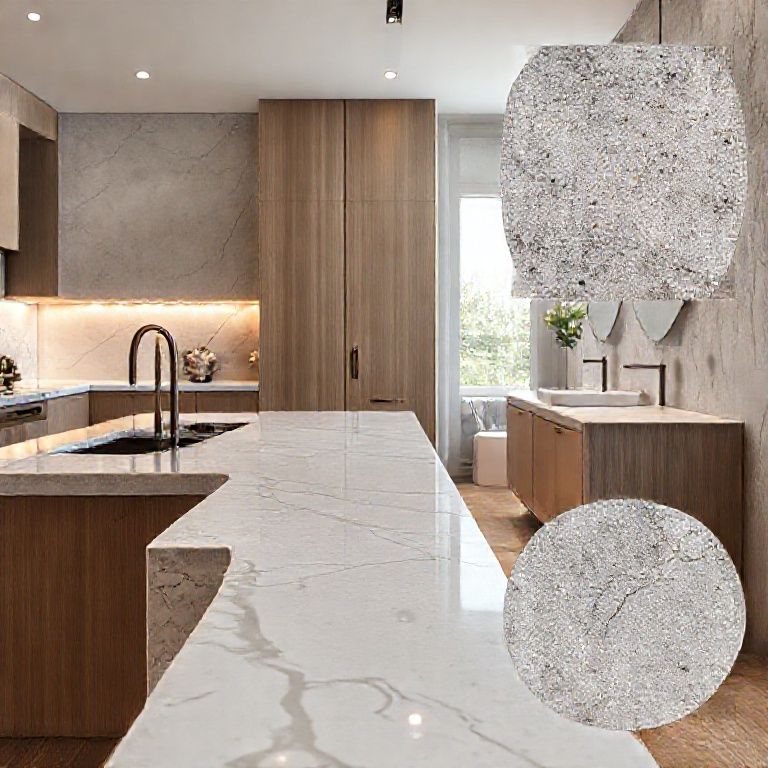
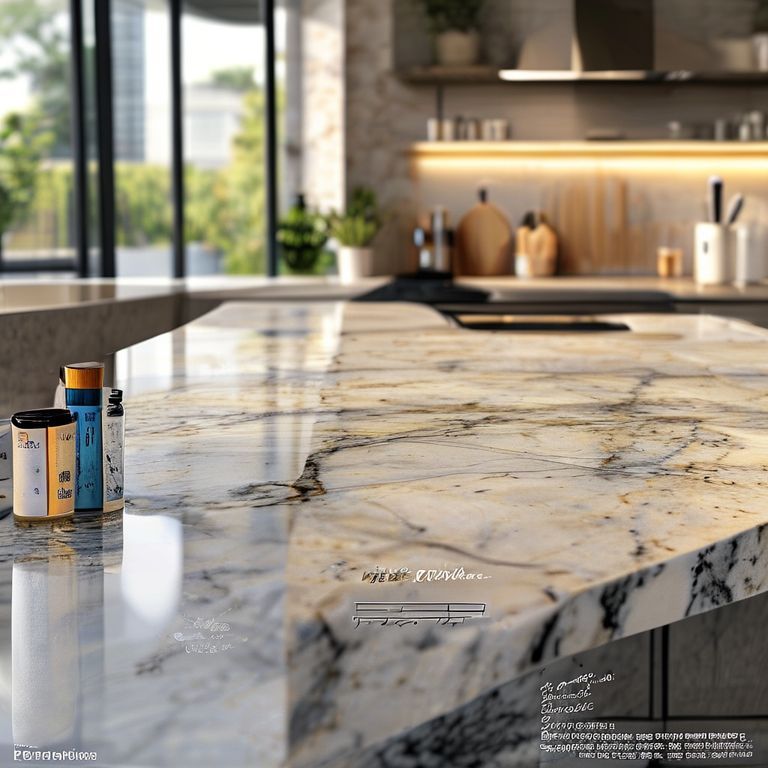
When it comes to choosing a countertop, one of the most sought-after materials is engineered marble. Known for its elegance and durability, engineered marble combines the best qualities of natural stone with advanced manufacturing processes. Despite its robust nature, it’s not invincible. Scratches can occur due to everyday use, and understanding how to address these issues is crucial for maintaining the pristine appearance of your countertops.

The Nature of Engineered Marble
Engineered marble, unlike natural stone, is a composite material. It is made by layering natural stone powder and resin, then compressing and curing it under high heat and pressure. This process creates a surface that is both durable and easy to install. Although engineered marble is more resilient than traditional marble, it can still suffer from scratches, especially if not properly maintained.
Common Causes of Scratches
Scratches on engineered marble countertops typically come from several sources:
Knives and Cutting Utensils: Metal utensils can easily leave scratches on the surface. Heavy Objects: Items like pots and pans can cause dents and scratches if dropped or moved roughly. Abrasive Cleaners: Using harsh cleaning agents can wear down the surface over time. Daily Wear and Tear: Even routine activities like placing hot pots or pans on the surface can cause minor scratches.
Identifying the Severity of the Scratch
Before diving into repair methods, it’s important to identify the severity of the scratch. Scratches can range from superficial to deeply embedded marks. Superficial scratches are often more manageable, while deeper scratches may require more intensive repair.

Superficial Scratches: These are minor scratches that do not penetrate too deeply into the surface. They can often be polished out or filled in.
Deep Scratches: These go deeper into the material, sometimes affecting the resin binding layer. These may require more advanced repair techniques.
Preventative Measures
Prevention is always better than cure. Here are some tips to avoid scratches on your engineered marble countertops:

Use Cutting Boards: Always use a cutting board when chopping or preparing food to prevent scratches from metal knives. Protective Pads: Place pot holders or trivets under hot pots and pans to prevent them from scratching the surface. Clean Gently: Use mild cleaning solutions and soft cloths to clean your countertops. Avoid Abrasives: Steer clear of abrasive cleaners and sponges which can wear down the surface.
Step-by-Step Repair Techniques for Scratched Engineered Marble
Once you’ve done your best to prevent scratches, sometimes they still happen. Fortunately, there are several effective repair methods to restore the beauty of your engineered marble countertops. Let’s delve into detailed, step-by-step techniques for addressing both superficial and deep scratches.
Repairing Superficial Scratches
For minor scratches, you can often use a polishing compound to restore the surface.
Materials Needed:
Microfiber cloth Polishing compound or marble restoration product Soft cloth Water
Step-by-Step Process:
Clean the Area: Start by thoroughly cleaning the scratched area with water and a mild detergent. Make sure to dry it completely to avoid water spots.

Apply Polishing Compound: Use a microfiber cloth to apply a polishing compound designed for marble surfaces. Gently rub the compound into the scratch in a circular motion.
Buff the Surface: Once the compound has dried, use a clean, soft cloth to buff the area. This will help to shine up the surface and make the scratch less noticeable.
Check Results: Inspect the area to see if the scratch has been sufficiently polished out. If not, repeat the process until the scratch is no longer visible.
Repairing Deep Scratches
Deeper scratches often require more intensive repair methods. Here are two advanced techniques to consider:
Technique 1: Marble Filling Compound
Materials Needed:
Marble filling compound Putty knife Sandpaper (fine grit) Polishing compound Microfiber cloth
Step-by-Step Process:
Prepare the Area: Clean the scratched area with water and dry it thoroughly.
Apply Filling Compound: Use a putty knife to apply a marble filling compound to the scratch. Fill it in completely, ensuring it goes deep into the scratch to even out the surface.
Smooth the Compound: Once the compound has dried, smooth it out to match the surface level using a putty knife.
Sand the Area: Lightly sand the filled area with fine-grit sandpaper to make the surface even. Be gentle to avoid creating new scratches.
Clean and Polish: Wipe the area clean with a microfiber cloth. Apply a polishing compound and buff the area to restore the shine.
Technique 2: Resin Repair
Materials Needed:
Resin repair kit Mixing tools Brush or applicator Sandpaper (fine grit) Polishing compound Microfiber cloth
Step-by-Step Process:
Prepare the Area: Clean and dry the scratched area.
Mix the Resin: Follow the manufacturer’s instructions to mix the resin repair compound.
Apply the Resin: Use a brush or applicator to fill the scratch with the resin. Make sure to fill it completely.
Smooth the Resin: After the resin has set, smooth it out to match the surface level.
Sand the Resin: Lightly sand the resin-filled area with fine-grit sandpaper until it’s level with the rest of the surface.
Clean and Polish: Clean the area with a microfiber cloth. Finally, polish the surface with a marble polishing compound to restore its shine.
Final Touches and Maintenance
After repairing scratches, it’s important to maintain your engineered marble countertop to prevent future scratches and ensure longevity. Here are some final tips:
Regular Cleaning: Clean your countertop regularly with mild soap and water. Avoid harsh chemicals.
Seal the Surface: Consider sealing your countertop to provide an additional layer of protection against scratches and stains.
Use Coasters and Pads: Always use coasters, trivets, and pot holders to protect the surface from heat and scratches.
Store Carefully: When not in use, store heavy objects carefully to prevent accidental drops that could scratch the surface.
By following these repair techniques and maintenance tips, you can keep your engineered marble countertops looking beautiful and prolong their lifespan. Remember, the key to handling scratches is early intervention and regular care. With the right approach, your marble countertop can remain a stunning focal point in your home or workspace for years to come.