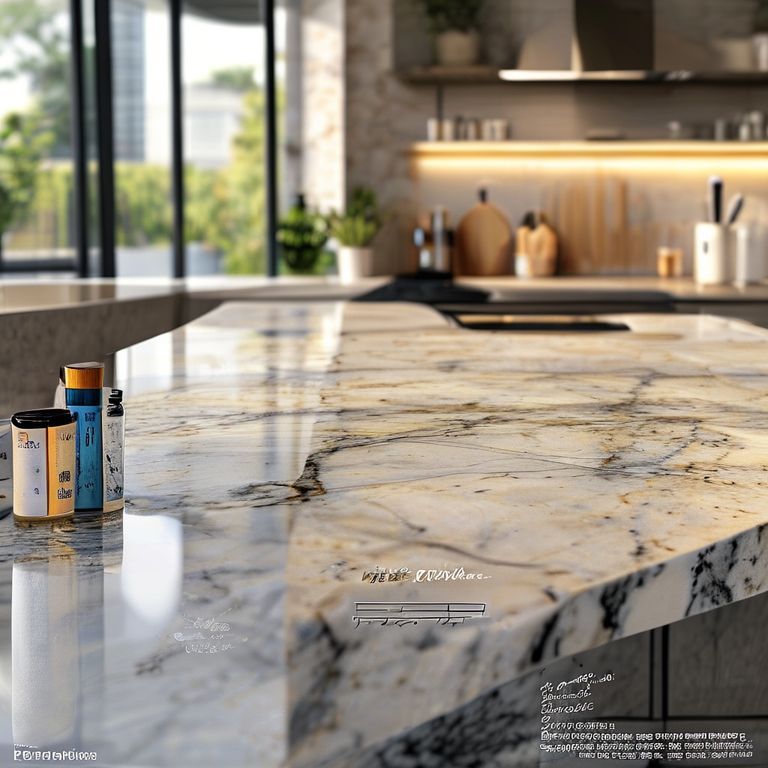
Discover the ultimate guide to repairing scratches on artificial stone countertops. Learn step-by-step techniques to restore your countertops to their pristine condition, ensuring longevity and beauty. This comprehensive guide covers everything from preparation to finishing touches.
artificial stone countertops, scratch repair, countertop restoration, stone surface care, countertop maintenance, DIY countertop repair, countertop polishing, stone countertop scratch fix, kitchen countertop repair
Mastering the Art of Repairing Scratches on Artificial Stone Countertops
Artificial stone countertops have become a popular choice for kitchens and bathrooms due to their durability, aesthetic appeal, and ease of maintenance. However, despite their robustness, these surfaces can occasionally suffer from scratches, which can detract from their pristine look. This comprehensive guide will walk you through the process of effectively repairing scratches on artificial stone countertops, ensuring they look as good as new.
Understanding Artificial Stone Countertops
Before diving into the repair process, it’s essential to understand the material you’re working with. Artificial stone, often made from a combination of resins, pigments, and minerals, is known for its strength and resistance to stains. However, like any material, it can be susceptible to scratches from everyday use.
Initial Assessment and Preparation
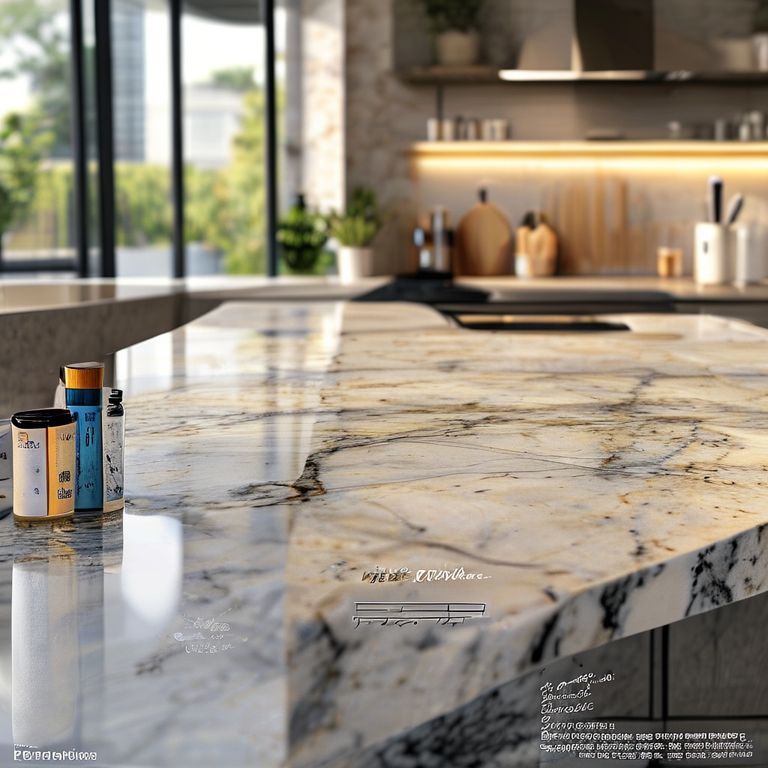
The first step in repairing scratches on your artificial stone countertop is a thorough assessment of the damage. Use a flashlight to examine the countertop closely and determine the depth and severity of the scratches.
Preparation Steps:
Clean the Area: Start by cleaning the affected area with a mild detergent and water. Use a soft cloth to dry it completely. Any residue can interfere with the repair process. Gather Your Materials: To repair scratches on artificial stone, you’ll need: Fine-grit sandpaper (2000-3000 grit) Artificial stone polishing compounds Polishing pads or cloths Microfiber cloths Safety goggles and gloves Safety First: Wear safety goggles and gloves to protect yourself from dust and chemicals during the repair process.
Repairing the Scratches
Now that your countertop is clean and you have all the necessary materials, you can begin the repair process. Follow these steps carefully to ensure the best results.
Step-by-Step Repair Process:
Sanding the Scratch: Lightly wet the scratch with water to minimize dust during sanding. Using fine-grit sandpaper (2000-3000 grit), gently sand the scratched area in a circular motion. Be careful not to apply too much pressure to avoid damaging the countertop further. Continue sanding until the scratch is barely visible. It’s important to sand lightly to avoid introducing new scratches. Polishing the Area: Once the scratch is sanded, use a polishing compound designed for artificial stone. Apply a small amount to the area and spread it using a polishing pad or cloth in a circular motion. Allow the polish to sit for a few minutes as per the product instructions. This will help the compound penetrate the stone and begin the repair process. Buffing the Surface: Using a clean microfiber cloth, buff the area until it matches the surrounding surface. This will help blend the repaired area with the rest of the countertop. Final Cleaning: Wipe the entire countertop with a microfiber cloth to remove any dust or residue left from sanding and polishing. For a final touch, apply a protective sealant if desired. This will help prevent future scratches and maintain the countertop’s shine.
Maintenance Tips to Prevent Future Scratches
To prolong the life of your artificial stone countertops and avoid the need for frequent repairs, follow these maintenance tips:
Use Cutting Boards and Coasters: Always use cutting boards for food preparation and coasters to protect the surface from heat and sharp objects. Regular Cleaning: Clean your countertops regularly with mild soap and water. Avoid using abrasive cleaners or scrubbing too hard. Protective Gear: Use gloves when handling sharp objects to prevent accidental scratches. Avoid Harsh Chemicals: Refrain from using harsh chemicals or cleaning agents that can damage the surface.
By following these guidelines and repair techniques, you can maintain the beauty and functionality of your artificial stone countertops, ensuring they remain a stunning feature in your home for years to come.
Mastering the Art of Repairing Scratches on Artificial Stone Countertops
Continuing from where we left off, this second part will delve deeper into advanced techniques for repairing scratches on artificial stone countertops, exploring specialized tools and additional maintenance tips to ensure the longevity and beauty of your countertops.
Advanced Repair Techniques
For deeper scratches or more stubborn marks, advanced techniques may be required. Here’s how you can tackle these more challenging repairs.
Using Filler and Polishing Compounds:
Scratch Filler: For deeper scratches, consider using a scratch filler specifically designed for artificial stone. Apply the filler to the scratched area using a small applicator brush. Follow the manufacturer’s instructions for drying time. Once dry, sand the filler lightly with fine-grit sandpaper (4000-6000 grit) until the surface is smooth. High-Grade Polishing Compounds: After sanding the filler, use a high-grade polishing compound to bring the surface to its original shine. Apply the compound with a polishing pad or cloth in a circular motion. Buff the area with a clean microfiber cloth until the repaired section blends seamlessly with the rest of the countertop.
Specialized Tools
Diamond Polishing Pads:
Diamond polishing pads can provide a more precise and efficient way to repair scratches on artificial stone. These pads come in different sizes and grits, allowing you to achieve a flawless finish.
Steps to Use Diamond Polishing Pads:
Apply Polishing Compound: Spread a generous amount of polishing compound onto the affected area. Use the Diamond Pad: Attach the diamond pad to a rotary tool or polisher. Follow the manufacturer’s instructions for best results. Move the pad in a circular motion over the scratch, applying light pressure. Buffing: Once the compound has been evenly distributed and polished, buff the area with a clean microfiber cloth to blend the repair seamlessly.
Laser Repair:
For extremely deep or stubborn scratches, laser repair might be the best option. This professional method involves using a laser to remove the damaged layer and create a smooth surface. While this is typically a service offered by professionals, it’s an option worth considering for severe cases.
Long-Term Maintenance
To ensure your artificial stone countertops remain scratch-free and in excellent condition, follow these long-term maintenance tips:
Regular Cleaning Routine: Establish a regular cleaning routine that includes wiping down the countertops after every use with a damp cloth. For tougher stains, use a mild detergent solution. Avoid letting water sit on the surface for extended periods, as it can seep into the material and cause damage. Use Protective Pads: Place protective pads under heavy items to prevent scratches. These pads can be made from silicone or felt and are easily available in most hardware stores. Avoid Sharp Objects: Whenever possible, avoid placing sharp objects directly on the countertop. Use cutting boards and coasters instead. Heat Protection: To prevent heat damage, use trivets or heat-resistant pads when placing hot pots, pans, or dishes on the countertop. Routine Inspections: Regularly inspect your countertops for any signs of wear or scratches. Early detection can prevent minor scratches from becoming more significant issues.
Professional Help
While DIY repair methods are effective for many scratch issues, there are times when professional help is necessary. Here’s when to consider hiring a professional:
Deep or Extensive Scratches: For deep scratches that go beyond the surface layer, laser repair or other professional methods may be required. Complex Repairs: If the scratch involves multiple layers or is in an area that’s difficult to reach, professional help ensures a flawless repair. Warranty Issues: If your countertops are still under warranty, it’s best to contact the manufacturer or a certified professional to avoid voiding the warranty.
By mastering these advanced repair techniques and maintaining your artificial stone countertops with care, you can enjoy a beautiful, scratch-free surface that enhances the aesthetic appeal of your home for years to come. Whether you opt for DIY methods or professional help, the key is consistent care and attention to detail.