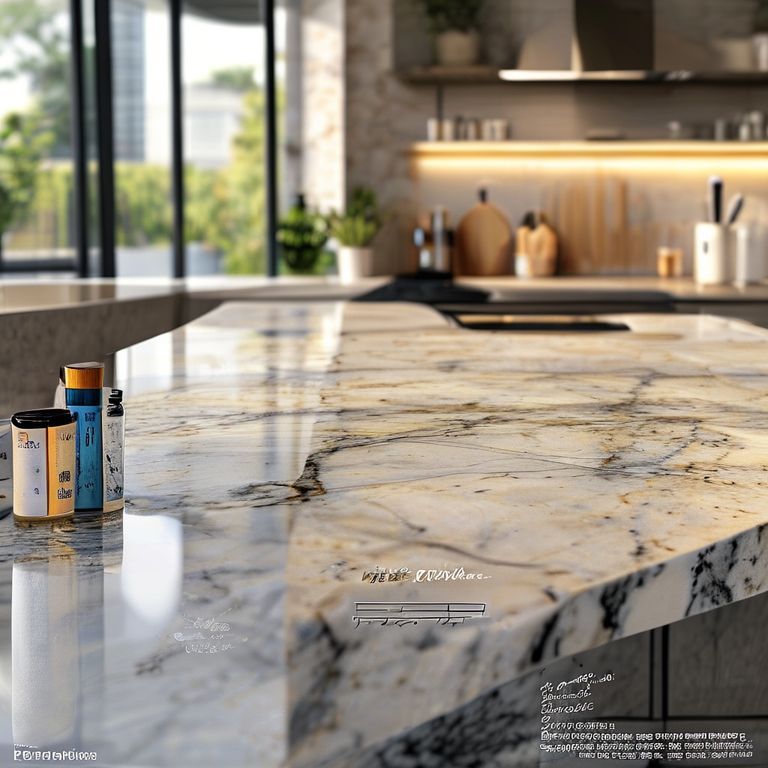
Artificial stone countertops have revolutionized kitchen and bathroom design with their durability, aesthetic versatility, and low maintenance requirements. However, to fully leverage these benefits, it’s crucial to follow specific guidelines during installation and initial setup. Here’s a detailed look at what you need to consider:
Understanding Artificial Stone Countertops
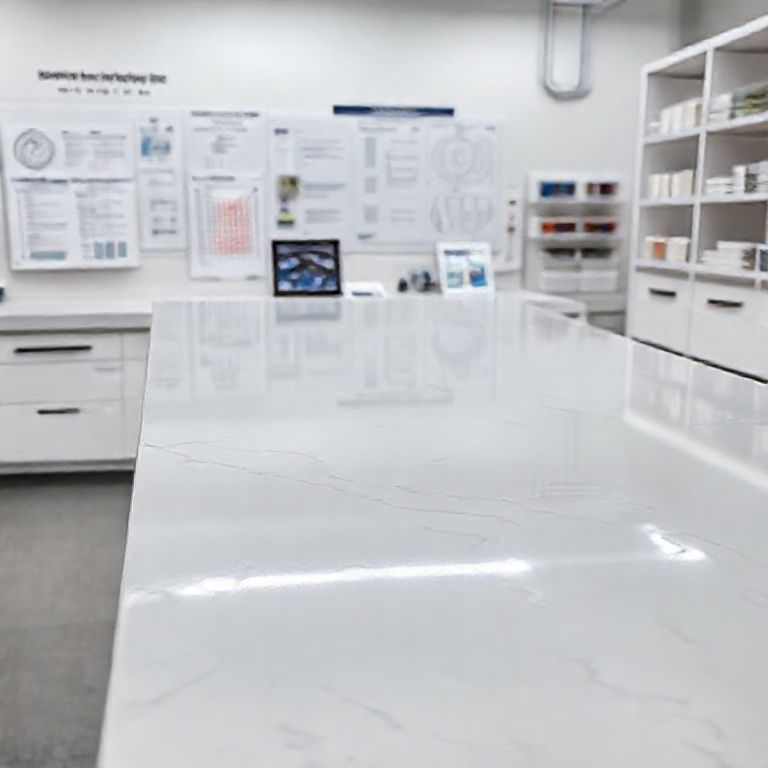
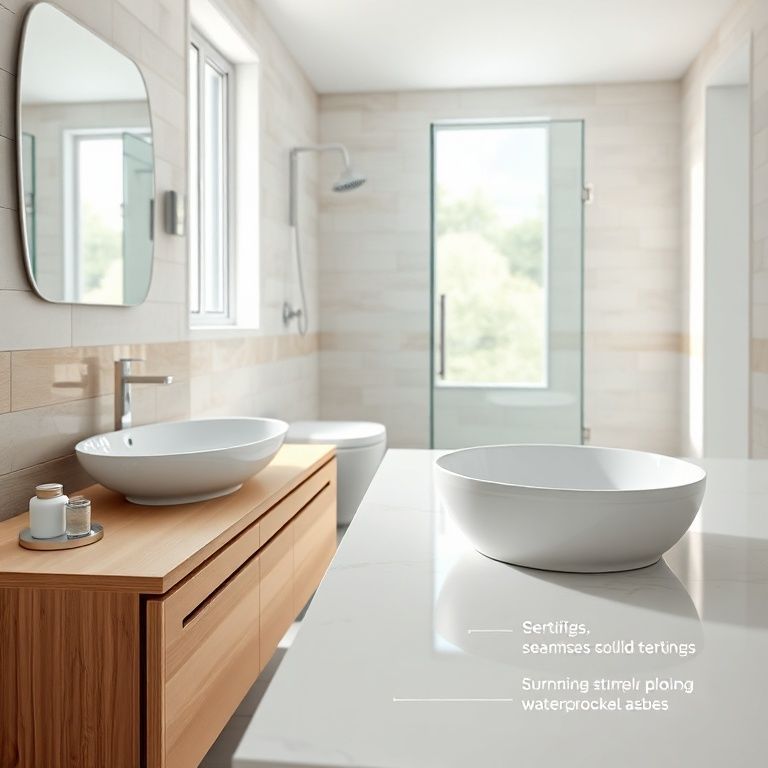
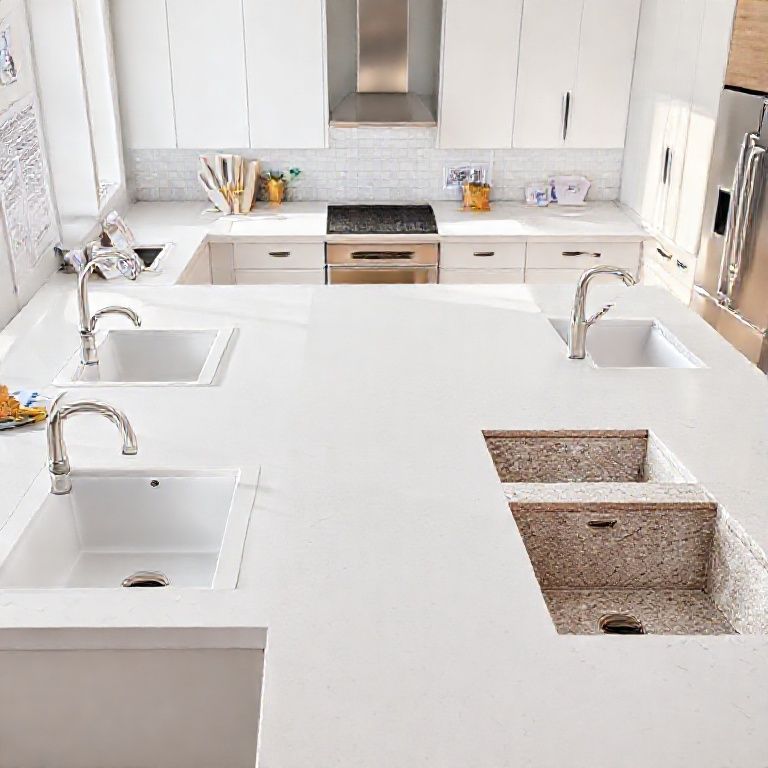
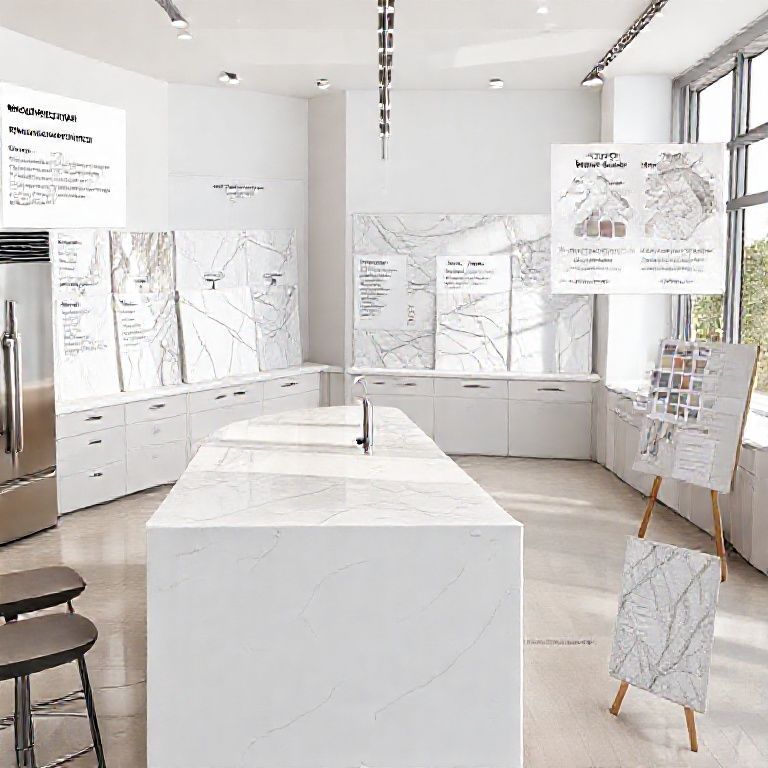
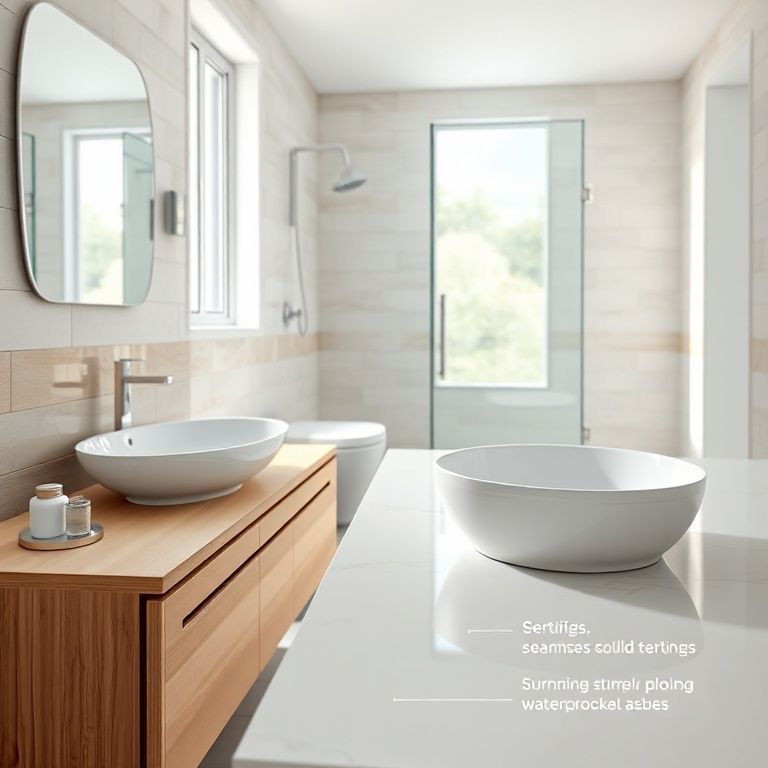
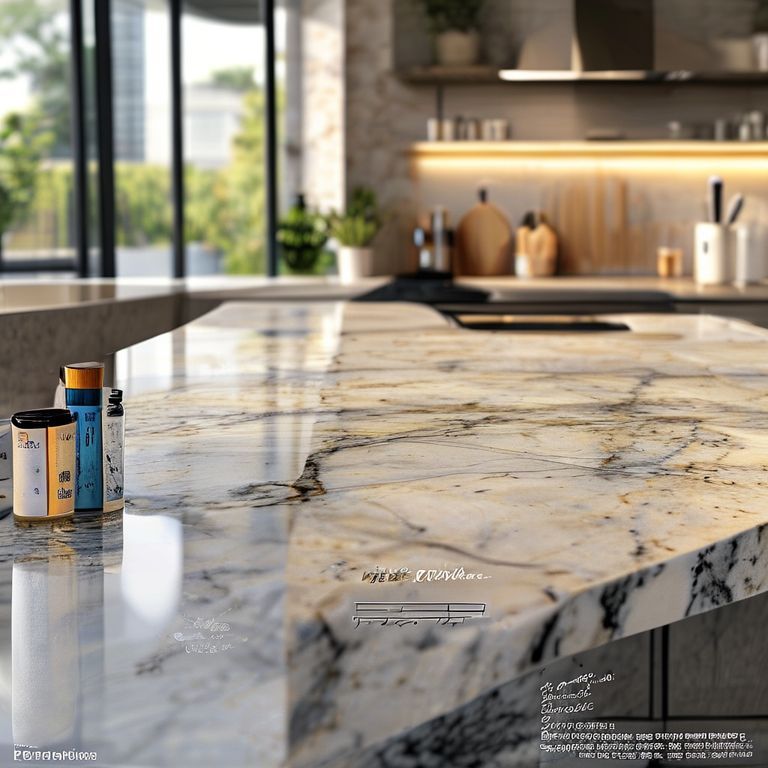
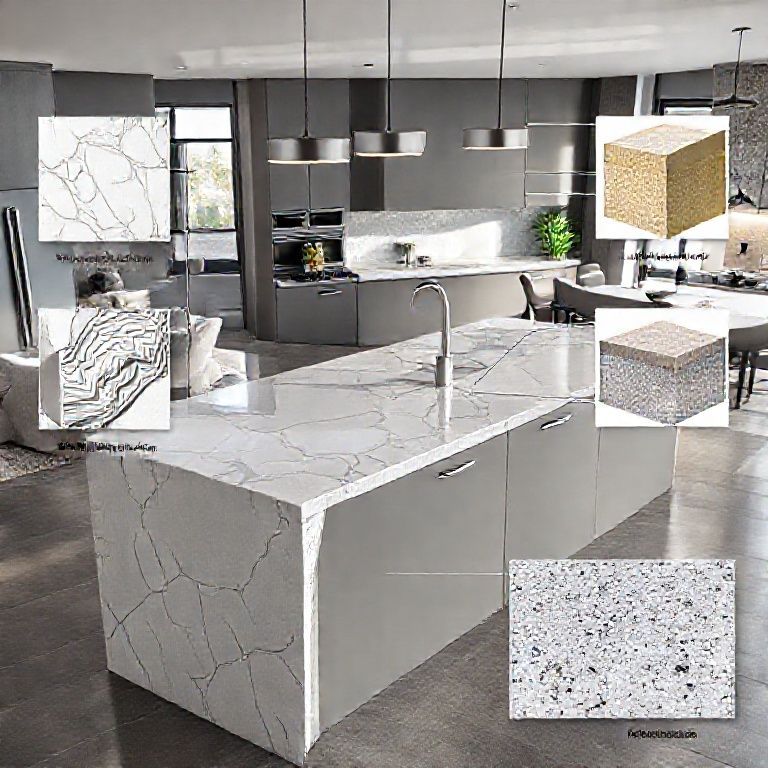
Artificial stone, often made from a blend of minerals and polymers, is a popular choice for modern kitchens and bathrooms. It offers a stunning stone-like appearance, often at a fraction of the cost of natural stone. This material mimics the look of natural stone while offering enhanced durability and resistance to chips, scratches, and stains.
Choosing the Right Artificial Stone
The first step to successful installation is selecting the right type of artificial stone. Consider the following factors:
1. Material Quality
The quality of the artificial stone significantly affects its longevity and appearance. Look for products that use high-quality mineral and polymer blends. Brands that provide detailed composition information are usually more trustworthy.
2. Color and Finish
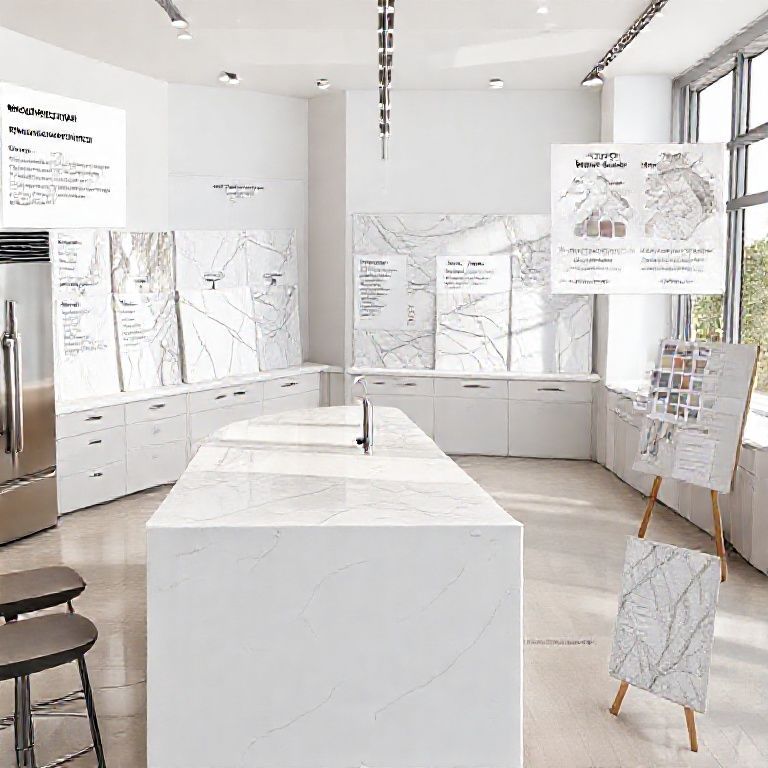
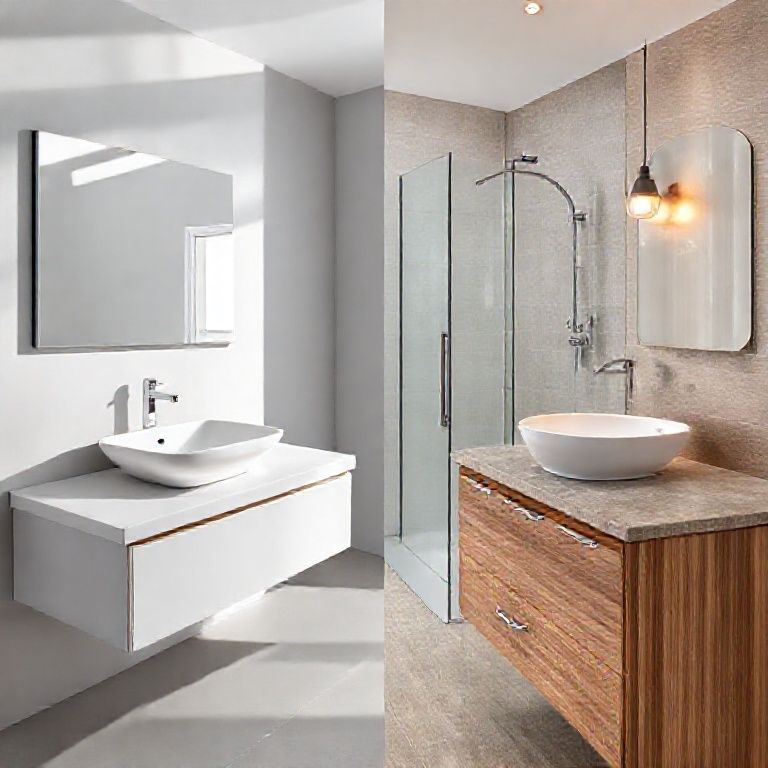
Artificial stone comes in a variety of colors and finishes, from matte to high-gloss. Ensure that the selected finish aligns with your design preferences. Remember that some finishes may require more maintenance than others.
3. Thickness and Size
Standard thickness for artificial stone countertops is usually around 20mm, but it can vary. Ensure that the size fits your space and that the thickness is appropriate for the weight-bearing requirements.
Preparing for Installation
Proper preparation is critical to the success of your artificial stone countertop installation.
1. Surface Preparation
Start with a clean, level, and dry surface. Any grease, oil, or moisture can interfere with the adhesive. Use a degreaser to clean the surface thoroughly and allow it to dry completely.
2. Measuring and Marking
Accurate measurements are vital. Use a measuring tape to determine the dimensions of the area where the countertop will be installed. Mark the center of the surface to ensure symmetry during installation.
3. Adhesive Selection
Use a high-quality adhesive recommended for artificial stone. The adhesive must be strong enough to hold the countertop securely but also flexible to accommodate any minor movement in the structure.
Installation Process
Here’s a step-by-step guide to installing your artificial stone countertop:
1. Cutting the Countertop
Cut the artificial stone to fit your space using a tile cutter or wet saw. It’s important to make precise cuts to avoid any gaps or uneven edges.
2. Applying the Adhesive
Spread the adhesive evenly over the surface where the countertop will be placed. Use a notched trowel to create a uniform layer. Ensure that the adhesive covers the entire area to provide maximum adhesion.
3. Positioning the Countertop
Carefully place the artificial stone on the adhesive. Start from the center and work your way outwards to ensure an even fit. Use spacers to maintain equal gaps around the edges.
4. Pressing and Smoothing
Press down on the countertop to ensure good contact with the adhesive. Smooth out any air bubbles or uneven areas with a damp sponge or a roller.
5. Clamp and Cure
Use clamps to hold the countertop in place for several hours to allow the adhesive to cure properly. After the initial setting time, allow the adhesive to cure completely as per the manufacturer’s instructions.
Immediate Post-Installation Care
After installation, there are a few immediate steps to ensure the longevity of your artificial stone countertop:
1. Cleaning
Use a damp cloth with mild soap to clean any residue from the installation process. Avoid using abrasive cleaners or too much water which could damage the surface.
2. Avoiding Heat Sources
For the first few days, avoid placing hot pots, pans, or other heat sources directly on the countertop. This allows the adhesive to fully cure and ensures the countertop is securely in place.
Once your artificial stone countertop is installed and set, the next crucial phase is maintenance and long-term care. Proper upkeep ensures that your countertops not only look stunning but also maintain their durability and functionality for years to come.
Regular Cleaning
Regular cleaning is key to maintaining the beauty and integrity of your artificial stone countertop.
1. Daily Cleaning
Wipe the surface daily with a damp cloth. Use a mild soap solution to clean off any spills or stains. Avoid using abrasive cleaners or sponges which can scratch the surface.
2. Spot Cleaning
For tough stains or spills, use a solution of equal parts vinegar and water. Apply the solution to a soft cloth and gently blot the stained area. Avoid scrubbing as it can cause scratches.
3. Deep Cleaning
Periodically, perform a deep clean using a commercial stone countertop cleaner. Follow the manufacturer’s instructions for the best results. Deep cleaning should be done every few months to remove any buildup or grime.
Protecting Your Artificial Stone Countertop
To extend the lifespan of your artificial stone countertop, there are several protective measures you can take.
1. Use Coasters and Trivets
To protect the surface from heat, always use coasters under hot pots and trivets under oven mitts. This prevents thermal damage and discoloration.
2. Avoid Sharp Objects
Do not use knives or other sharp objects on the surface. Instead, use cutting boards to avoid scratches.
3. Apply Protective Coatings
Consider applying a protective sealant to your countertop. This provides an additional layer of protection against stains and spills. Follow the manufacturer’s instructions for application and curing time.
Repair and Restoration
Despite best efforts, artificial stone countertops may sometimes sustain damage. Knowing how to repair minor issues can save you from costly replacements.
1. Small Chips and Scratches
For minor chips or scratches, use a stone countertop repair kit. These kits typically contain a matching color filler that can be applied to the damaged area and then polished to blend in with the surface.
2. Deep Damage
For more significant damage, consider professional repair services. There are companies that specialize in the restoration of artificial stone surfaces, ensuring a seamless repair that maintains the aesthetic integrity of your countertop.
Long-Term Durability
To ensure the long-term durability of your artificial stone countertop, adhere to the following guidelines:
1. Regular Inspections
Regularly inspect your countertop for any signs of wear, damage, or loose areas. Early detection can prevent more serious issues from developing.
2. Avoid Extreme Temperatures
While artificial stone is durable, extreme temperature changes can cause the material to expand or contract. Avoid exposing the countertop to direct sunlight or extreme heat sources for prolonged periods.
3. Maintain Proper Ventilation
Ensure that your kitchen or bathroom has proper ventilation. This helps to prevent moisture buildup which can lead to mold growth and compromise the integrity of the countertop.
Conclusion
Artificial stone countertops offer a stunning, durable, and low-maintenance alternative to traditional countertops. By following proper installation techniques and adhering to diligent maintenance practices, you can enjoy the beauty and functionality of these countertops for years to come. Remember, the key to longevity lies in proper care and regular upkeep. With these tips and guidelines, your artificial stone countertop will remain a stunning focal point in your home for many years.
By following these comprehensive guidelines, you’ll ensure that your artificial stone countertops not only look great but also serve their intended purpose with minimal maintenance and maximum durability.