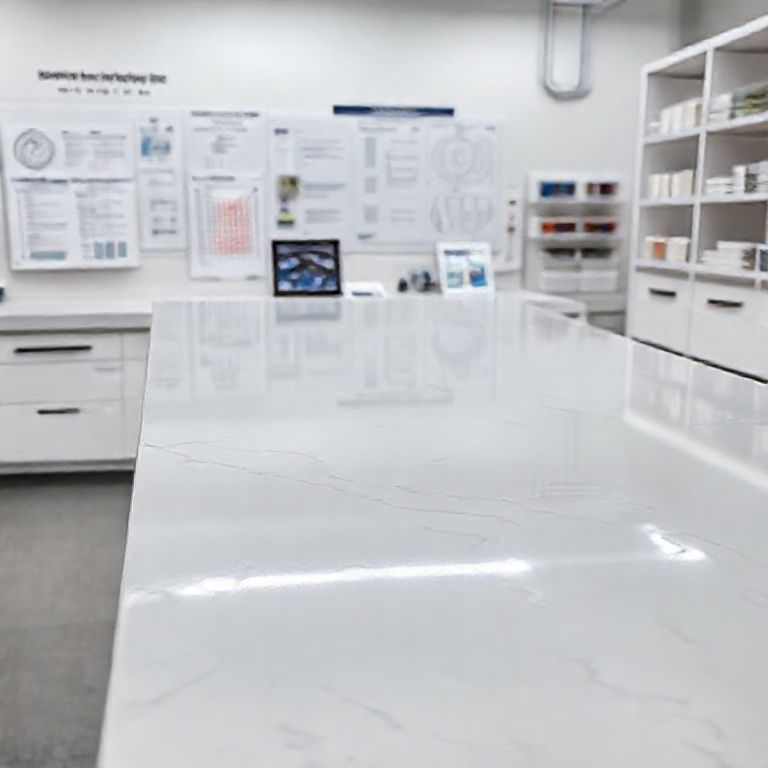
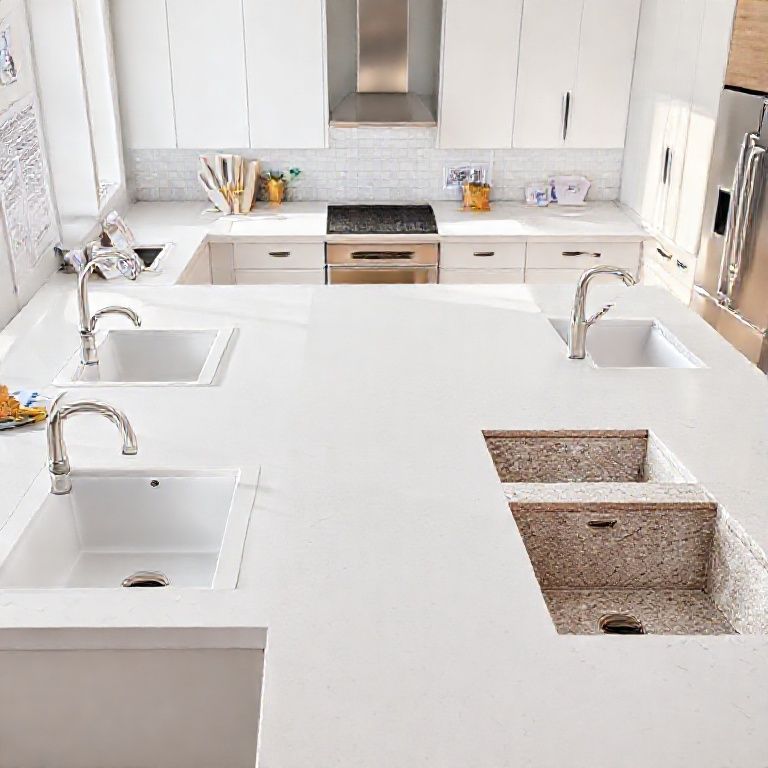
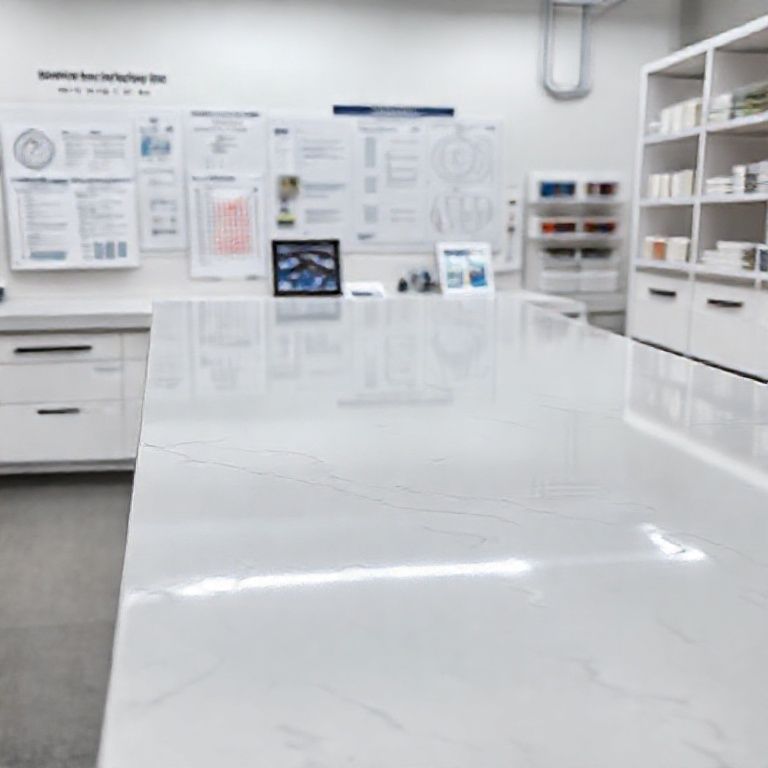
Synthetic stone countertops have revolutionized modern kitchen and bathroom design with their durability, aesthetic appeal, and low maintenance. However, to fully appreciate their benefits and ensure longevity, it’s crucial to understand the nuances of their use. This article will guide you through essential details to consider when using synthetic stone countertops, highlighting tips and tricks to maintain their pristine condition. This guide is split into two parts for easy reading and thorough understanding.

Synthetic stone countertops, maintenance, kitchen design, bathroom design, durability, low maintenance, installation, cleaning, sealing, surface protection
Synthetic Stone Countertops: The Basics and Installation
When it comes to modern kitchen and bathroom design, synthetic stone countertops have emerged as a popular choice for their blend of natural aesthetics and practical benefits. These countertops mimic the appearance of natural stone while offering unparalleled durability and ease of maintenance. However, to fully reap their advantages, it’s essential to understand how to properly install and use them. Here, we delve into the fundamental details of synthetic stone countertops.
Understanding Synthetic Stone
Synthetic stone, also known as cultured stone, is a composite material made from natural stone powder, bonding agents, and pigments. This combination allows the material to replicate the appearance of natural stone while offering superior strength and resilience. Unlike natural stone, synthetic stone is not prone to cracking, chipping, or staining, making it an ideal choice for high-traffic areas.

Installation Tips
Surface Preparation: Cleanliness: Before installing synthetic stone, ensure that the surface is clean and dry. Any dirt, grease, or residue can affect adhesion and the final appearance of the countertop. Leveling: The surface must be perfectly level. Use a self-leveling compound or a level to ensure that the area is smooth before applying the synthetic stone. Application Method: Adhesive: Use a high-quality adhesive suitable for the type of surface you are working with. Follow manufacturer instructions for mixing and applying the adhesive. Cutting: Use a wet saw to cut the synthetic stone to fit your space. Always cut before applying adhesive to avoid cutting through the adhesive. Setting and Curing: Positioning: Place the synthetic stone carefully on the adhesive. Ensure that it is properly aligned and press it down to eliminate air bubbles. Cure Time: Allow the adhesive to cure as per the manufacturer’s instructions. This typically involves leaving the countertop undisturbed for a specified period.
Finishing Touches
Once the synthetic stone countertop is installed, the finishing touches are essential to complete the look and protect the surface.
Edge Trim: Use a decorative edge trim to hide imperfections and add a finished edge. This trim can be made from various materials such as metal, wood, or even another piece of synthetic stone. Sealing: While synthetic stone is more resistant to stains than natural stone, it is still recommended to seal the surface to further protect it. Use a high-quality sealer that is specifically designed for synthetic stone.

Common Mistakes to Avoid
Improper Adhesive Use: Using the wrong adhesive or not following the instructions can lead to poor adhesion and potential failures. Skipping Surface Preparation: Failing to properly prepare the surface can result in uneven application and aesthetic flaws. Neglecting Sealing: Overlooking the sealing process can expose the synthetic stone to stains and other damage.
Daily Maintenance and Long-Term Care of Synthetic Stone Countertops
Once installed, synthetic stone countertops offer a remarkable blend of beauty and practicality. However, to ensure they maintain their pristine condition and last for years, proper maintenance and care are crucial. Here, we explore the daily and long-term care essentials for synthetic stone countertops.
Daily Maintenance
Cleaning: Regular Wipe-Down: Use a mild, non-abrasive cleaner to wipe down the countertop daily. Avoid using harsh chemicals or abrasive scrubbers that can scratch the surface. Immediate Spill Management: For spills, especially those containing acidic substances like juice or vinegar, blot with a clean cloth immediately to prevent staining. Disinfecting: Bacteria Prevention: To prevent bacterial growth, disinfect the countertop regularly. A mix of water and vinegar or a commercial disinfectant is effective. Avoid over-disinfecting as it can strip away the protective finish.
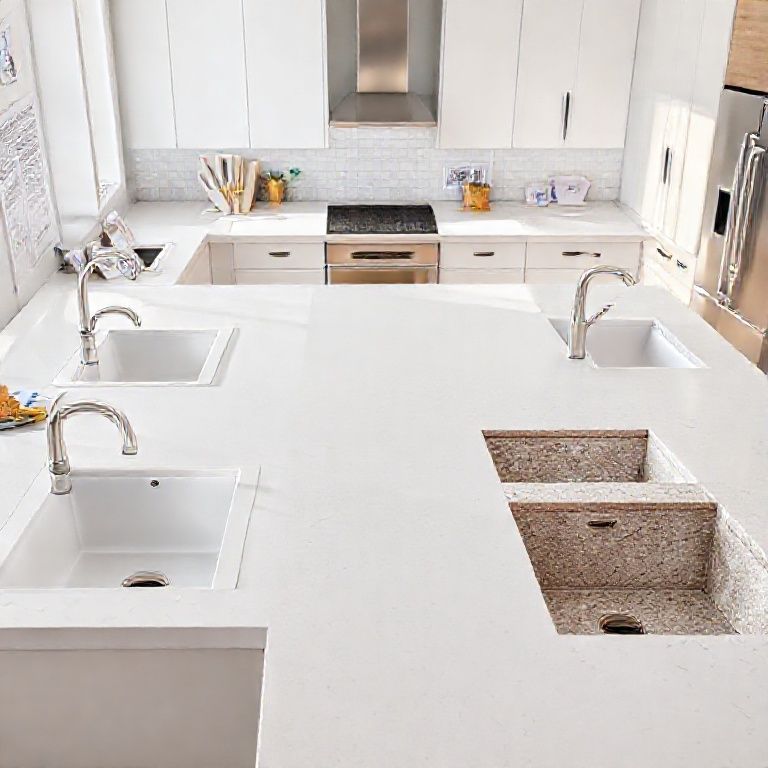
Long-Term Care
Avoiding Sharp Objects: Cut with Care: Always use cutting boards or mats to prevent scratches. For tougher items like meat or vegetables, use a cutting board to minimize the risk of damage. Heat Management: Heat Distribution: While synthetic stone can withstand high temperatures, extreme heat can warp the material over time. Use pot holders and trivets to protect the surface from direct heat exposure. Regular Inspection: Check for Damage: Regularly inspect the countertop for any signs of wear, cracks, or chips. Address minor issues promptly to prevent them from becoming more significant problems.
Re-Sealing and Surface Protection
Sealant Application: Re-Sealing: Over time, the protective sealant on the synthetic stone may wear off. Reapply the sealant every 1-2 years to maintain the countertop’s resistance to stains and spills. Choose the Right Product: Select a sealant specifically designed for synthetic stone to ensure compatibility and effectiveness. Surface Treatments: Protective Coatings: Consider applying a protective coating that offers added resistance to stains and scratches. These coatings can be especially beneficial in high-traffic areas.
Dealing with Stains and Scratches
Minor Stains: Immediate Action: For minor stains, use a gentle cleaner and a soft cloth to remove them. Avoid scrubbing too hard. Deep Stains: Professional Help: For stubborn stains, consider seeking professional cleaning services. They have specialized tools and products that can safely remove deep stains without damaging the surface. Scratches: Minimal Impact: Synthetic stone is less prone to scratches compared to natural stone, but minor scratches can still occur. Use a high-quality polish to restore the shine and appearance of the countertop.
Final Tips
Avoid Overloading: Do not place heavy objects directly on the countertop without proper support. This can cause dents and damage over time. Proper Ventilation: Ensure good ventilation in areas where synthetic stone countertops are used, especially in kitchens, to prevent moisture buildup that can affect the material.
By understanding and following these detailed guidelines for the installation, daily maintenance, and long-term care of synthetic stone countertops, you can enjoy their beauty and functionality for years to come. Synthetic stone offers a practical, low-maintenance solution that enhances the aesthetic appeal of your kitchen and bathroom spaces.