Modern Techniques for Renovating Synthetic Stone Countertops: A Comprehensive Guide
Renovating synthetic stone countertops is an art that combines precision, modern techniques, and a keen eye for aesthetics. Whether you’re updating your kitchen, bathroom, or any other space where a stone countertop is used, the process can be both rewarding and transformative. Here, we’ll explore the intricate methods and processes that ensure your synthetic stone countertops not only look stunning but also maintain their durability and functionality.
Understanding Synthetic Stone Countertops
Before diving into the renovation process, it’s essential to understand what synthetic stone countertops are and why they’re popular. Synthetic stone, often called quartz, is a composite material made from 93% quartz, along with other minerals and resins. This composition makes it incredibly durable, scratch-resistant, and easy to clean. Despite its strength, synthetic stone can wear out over time due to wear and tear, requiring renovation to restore its original luster.
Initial Assessment and Planning
The first step in renovating your synthetic stone countertop is a thorough assessment. Begin by inspecting the countertop for any visible signs of damage, such as scratches, chips, discoloration, or cracks. This inspection helps determine the extent of the renovation needed and guides the choice of materials and techniques.
Planning is equally crucial. Consider the overall design and aesthetic goals for the space where the countertop will be installed. Decide whether you want to maintain the current color and pattern or opt for a fresh look. This planning phase ensures that you have a clear vision and reduces the risk of costly mistakes.
Cleaning and Preparing the Surface
Cleaning the countertop is the next critical step. Use a gentle stone cleaner and a soft cloth to remove any dirt, grime, or grease. It’s essential to ensure that the surface is completely clean and dry before proceeding with any renovation work.
For minor repairs, such as filling scratches or minor chips, a stone repair kit can be used. These kits typically contain a filler that matches the countertop’s color, which can be applied directly to the affected areas and then polished to blend seamlessly with the rest of the surface.
For more extensive repairs, such as addressing larger cracks or replacing damaged sections, a professional-grade stone repair compound might be necessary. These compounds provide a more robust solution and require careful application and curing time to ensure a perfect finish.
Restoring Color and Gloss
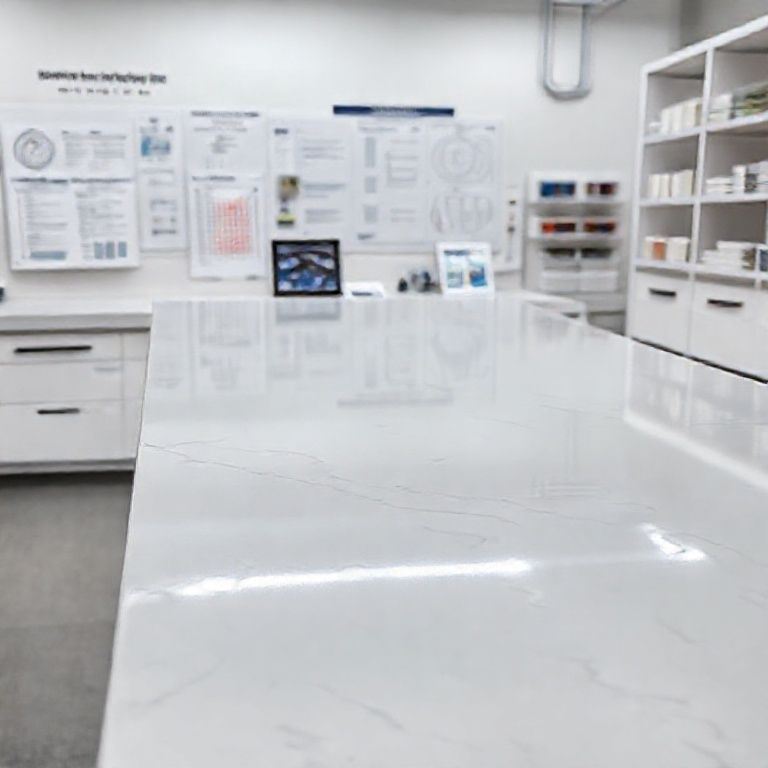
Synthetic stone countertops can sometimes lose their original color and gloss over time, giving them a dull appearance. To restore their vibrancy, a polishing process can be employed. This involves using specialized stone polishes and abrasives to gradually remove the top layer of the stone and reveal the fresh, shiny surface underneath.
Professional polishing machines, such as rotary polishers or buffing machines, are often used for this process. They apply a consistent amount of pressure and movement to ensure an even finish. The use of high-quality polishing pads and compounds is essential to achieve the best results without damaging the surface.
Replacing Damaged Sections
In cases where significant damage has occurred, it might be necessary to replace sections of the countertop. This involves carefully cutting out the damaged area using a diamond-tipped saw or a similar cutting tool. It’s crucial to ensure that the new section matches the original countertop in terms of color, pattern, and texture.
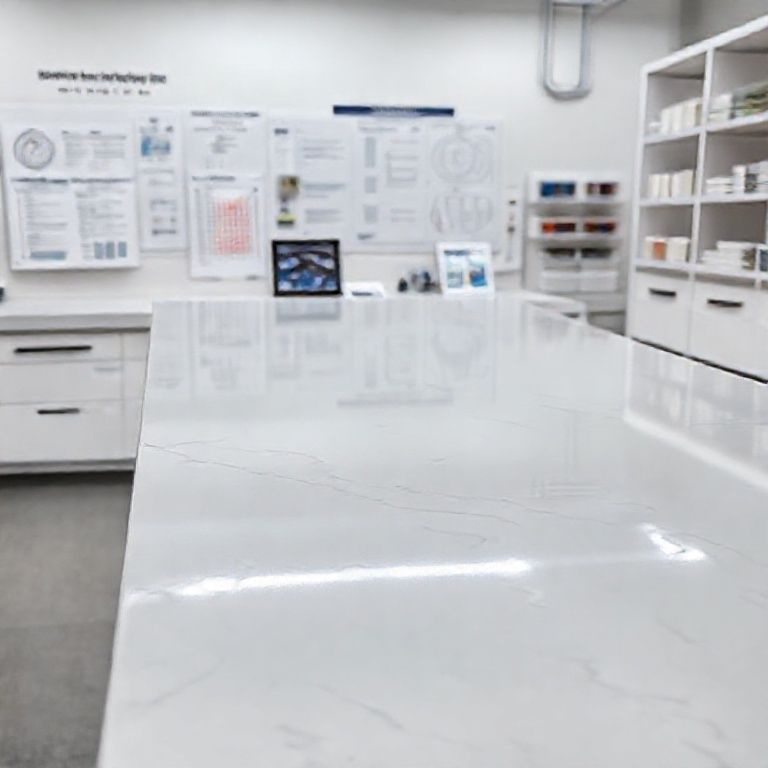
Once the new section is in place, it needs to be bonded securely to the existing countertop. This typically involves using a high-strength stone adhesive or epoxy. After applying the adhesive, the new section is pressed into place and allowed to cure according to the manufacturer’s instructions.
Final Touches and Sealing
After the renovation process is complete, the final step is to apply a sealant. Sealing the countertop protects it from stains, spills, and daily wear, extending its lifespan and maintaining its appearance. There are various types of sealants available, including topical and impregnating sealants, each with its own set of benefits.
When selecting a sealant, consider the level of protection you need. Topical sealants provide a protective film on the surface, while impregnating sealants penetrate the stone and create a more durable barrier.
Applying the sealant is a straightforward process that usually involves wiping it onto the surface with a clean cloth and then buffing it off with another cloth to remove any excess. Follow the manufacturer’s instructions for curing times and any additional maintenance tips.
Conclusion
Renovating synthetic stone countertops is a meticulous process that requires attention to detail and the use of modern techniques to ensure a flawless finish. From cleaning and preparing the surface to restoring color and replacing damaged sections, each step plays a crucial role in achieving the desired outcome. By following these comprehensive guidelines, you can breathe new life into your synthetic stone countertops, ensuring they remain beautiful and functional for years to come.
Stay tuned for the second part of our guide, where we’ll delve deeper into advanced renovation techniques and maintenance tips to keep your synthetic stone countertops looking their best.
Modern Techniques for Renovating Synthetic Stone Countertops: A Comprehensive Guide
Continuing our exploration into the intricate process of renovating synthetic stone countertops, this second part will focus on advanced techniques and maintenance tips that ensure your countertops remain pristine and functional. Whether you’re a DIY enthusiast or seeking professional advice, these methods will elevate your renovation project to a professional level.
Advanced Renovation Techniques
1. High-Precision Cutting and Matching
When dealing with extensive damage or requiring intricate designs, high-precision cutting and matching become essential. Modern tools like laser cutters and CNC (Computer Numerical Control) machines allow for incredibly accurate cuts, ensuring that any new sections match the existing countertop perfectly. These tools enable precise measurements and cuts, reducing the risk of errors and ensuring a seamless integration of new sections.
2. Composite Repair Techniques
For more severe damage, composite repair techniques come into play. These methods involve creating a composite material that closely matches the original stone’s composition. This is done by mixing the same proportions of quartz and resin used in the original countertop. The repaired section is then bonded using specialized adhesives and allowed to cure thoroughly before polishing.
3. Laser Engraving and Custom Designs
Adding custom designs or engravings to your synthetic stone countertop can transform its appearance dramatically. Laser engraving techniques allow for intricate designs and patterns to be etched onto the surface with high precision. This method is perfect for creating unique features, such as custom logos, motifs, or even personal messages.
4. Advanced Polishing Methods
Achieving the perfect finish requires advanced polishing methods. Modern polishing machines, equipped with diamond-tipped pads and specialized compounds, can remove even the most stubborn imperfections. These machines apply a consistent and even polish, ensuring a flawless surface. Advanced techniques also include using multiple polishing pads of varying grits to achieve a deep, even shine.
Maintenance Tips for Long-Lasting Results
1. Regular Cleaning
Maintaining the beauty and functionality of your synthetic stone countertop requires regular cleaning. Use a gentle stone cleaner and a soft, non-abrasive cloth to wipe down the surface daily. Avoid using harsh chemicals or abrasive pads, as these can scratch and damage the surface. For tougher grime, a stone cleaner with a mild acid solution can be used, but always test in a small, inconspicuous area first.
2. Immediate Spill Management
One of the key advantages of synthetic stone is its resistance to stains and spills. However, it’s still important to address spills immediately to prevent any potential damage. Blot spills gently with a clean cloth to absorb as much liquid as possible. If a spill does stain the surface, use a mild stone cleaner to gently scrub the area, ensuring you don’t scratch the countertop.
3. Proper Usage of Utensils
To ensure the longevity of your synthetic stone countertop, use proper utensils when cooking or serving food. Avoid placing hot pots, pans, or dishes directly on the surface without a trivet or heat-resistant pad. These items can cause thermal shock, leading to cracks or damage.
4. Regular Sealing
While synthetic stone doesn’t require frequent sealing like natural stone, it’s still beneficial to apply a new sealant every few years. This protects the surface from stains and wear. When applying a sealant, follow the manufacturer’s instructions carefully, ensuring even application and proper curing time.
5. Avoiding Abrasive Cleaners
Synthetic stone countertops are designed to be low-maintenance, but they should not be exposed to abrasive cleaners. These can scratch and dull the surface. Stick to gentle, non-abrasive cleaners and cloths for routine maintenance.
6. Temperature Control
Maintaining temperature control is crucial for the longevity of synthetic stone countertops. Avoid exposing them to extreme temperatures for prolonged periods. This includes keeping hot items off the surface when not in use and avoiding placing cold items directly on the countertop.
Conclusion
Renovating synthetic stone countertops involves a blend of modern techniques and diligent maintenance practices. From high-precision cutting and advanced polishing methods to effective cleaning and sealing practices, each step plays a critical role in restoring and maintaining the beauty and functionality of these durable surfaces. By following these comprehensive guidelines继续我们的探讨,我们可以深入探讨一些实际应用和案例,以更好地理解如何在实际项目中有效地应用这些技术和方法。
这不仅可以帮助你理解理论,还能为你在实际工作中提供实用的指导。
实际应用和案例
1. 高级设计和定制:
在高端家具制造或定制建筑材料项目中,高精度切割和复杂设计是关键。例如,在设计和制造一个独特的石材桌面时,使用CNC机器进行精确切割和加工,再通过高级抛光方法使其表面光滑如新。这不仅提高了产品的美观性,还增加了其耐用性。
2. 商业和零售空间设计:
在商业和零售空间设计中,使用现代化的石材台面可以提升整体的视觉效果和品牌形象。例如,一家高端咖啡馆可以选择使用定制的石材橱窗,不仅吸引顾客,还能展示其高品质的产品。
3. 家庭改造和装修:
在家庭装修项目中,尤其是厨房和浴室的翻新,使用现代化的石材台面可以大大提升空间的美观性和功能性。通过使用高精度切割和精细的抛光技术,可以创造出独特的设计风格,提升整体的生活品质。
4. 公共设施和建筑:
在公共设施和建筑项目中,例如机场、车站或大型购物中心,使用高质量的石材台面不仅能提供美观的外观,还能确保耐用性和易维护性。这种选择可以提升公共空间的整体质量和用户体验。
5. 教育和研究:
在教育和研究领域,特别是建筑、设计和材料科学等学科的教学和研究中,使用这些先进的台面技术可以为学生提供实际操作的机会,提升他们的技术能力和理论理解。
案例分析
案例:高端餐厅设计
假设我们设计一家高端餐厅,目标是提供独特且高品质的用餐体验。在这个项目中,我们需要使用一种高质量的石材台面。
步骤:
设计阶段: 确定设计风格和颜色。 使用计算机辅助设计(CAD)软件进行详细设计。 材料选择: 选择高品质的石材,确保其耐用性和美观性。 选择合适的抛光和密封材料。 制造阶段: 使用CNC机器进行精确切割,确保每块台面的尺寸和形状完全一致。 进行高级抛光,使表面光滑如新。
安装阶段: 在安装前进行试验,确保每块台面都能完美适配。 使用专业的安装工具和技术,确保台面牢固且美观。 后期维护: 定期清洁和保养,使用专业的石材清洁剂和抛光剂。 每隔一段时间进行重新密封,确保耐用性。
通过这种详细的步骤,我们不仅能确保石材台面的高品质,还能提供一个独特而美观的用餐环境。
总结
在实际应用中,现代化的石材台面技术不仅能够提升产品的美观性和耐用性,还能通过高精度的设计和制造技术,实现独特的个性化设计。无论是在商业、住宅还是公共设施中,这些技术都能为项目增添高品质的视觉效果和功能性。通过深入理解和应用这些方法,你可以在各个领域中取得成功。