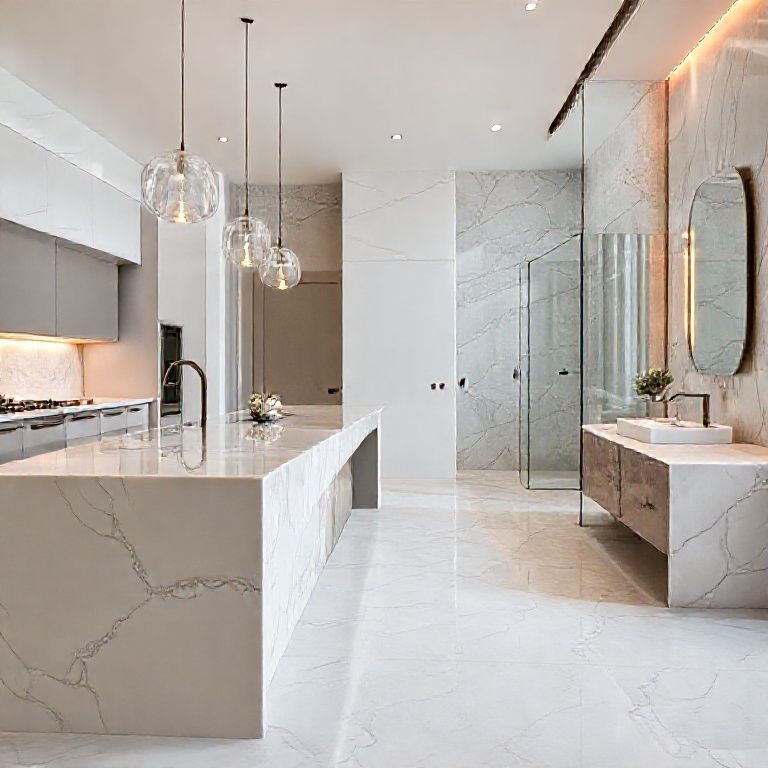
The allure of Corian solid surface lies in its seamless beauty, remarkable durability, and the almost limitless design possibilities it offers. From elegant kitchen countertops and sleek bathroom vanities to intricate architectural features, Corian has carved a significant niche in the world of interior design and construction. However, like any premium material, its price is a subject of keen interest for homeowners, designers, and contractors alike. Understanding the “可丽耐人造石价格走势” – the price trends of Corian solid surface – is not merely about tracking numbers; it’s about delving into the intricate interplay of manufacturing processes, global economic forces, and evolving market demands that ultimately dictate its value.

At its core, Corian is a blend of acrylic polymer and alumina trihydrate (ATH), derived from bauxite ore. The manufacturing process itself is a significant cost driver. This isn’t a simple case of quarrying and cutting; it involves sophisticated chemical processes and advanced technology to achieve the material’s signature consistency, non-porosity, and thermoformability. The raw materials, while abundant, require energy-intensive extraction and refinement. Furthermore, the proprietary formulations and the stringent quality control measures employed by DuPont (the originators of Corian) contribute to its premium positioning and, consequently, its pricing. Fluctuations in the cost of these raw materials, influenced by global commodity markets and geopolitical stability, can directly impact the baseline price of Corian. For instance, disruptions in the supply chain of bauxite or the chemicals used in the acrylic polymer can ripple through to the end consumer.
Beyond the foundational components, the manufacturing infrastructure plays a crucial role. State-of-the-art facilities require substantial investment in machinery, research and development, and skilled labor. The continuous innovation in developing new colors, patterns, and finishes also adds to the overall cost. Manufacturers invest heavily in ensuring Corian meets rigorous performance standards, including resistance to stains, impact, and UV radiation. These investments in quality and innovation are then factored into the material’s price, positioning it as a durable and long-lasting investment rather than a disposable commodity. The global nature of manufacturing and distribution also introduces logistical costs. Shipping raw materials to production sites, transporting finished slabs to regional distributors, and finally delivering them to fabricators all contribute to the final price tag. Currency exchange rates and international shipping tariffs can add layers of complexity and variability to these costs, especially in a globalized market where supply chains span continents.
Market demand is another powerful force shaping Corian’s price trajectory. As interior design trends evolve, so does the demand for specific aesthetics. If a particular Corian color or pattern becomes highly sought after due to its popularity in magazines, on social media, or in high-profile projects, its demand may temporarily outstrip supply, potentially leading to price adjustments. Conversely, if a color falls out of favor, manufacturers might adjust production, and its price could stabilize or even see promotional offers to move inventory. The overall health of the construction and renovation industries also significantly influences demand. During economic booms, when new construction and home improvement projects are plentiful, demand for materials like Corian tends to be robust, supporting higher price points. During economic downturns, demand might soften, leading to more competitive pricing as suppliers seek to maintain sales volume.
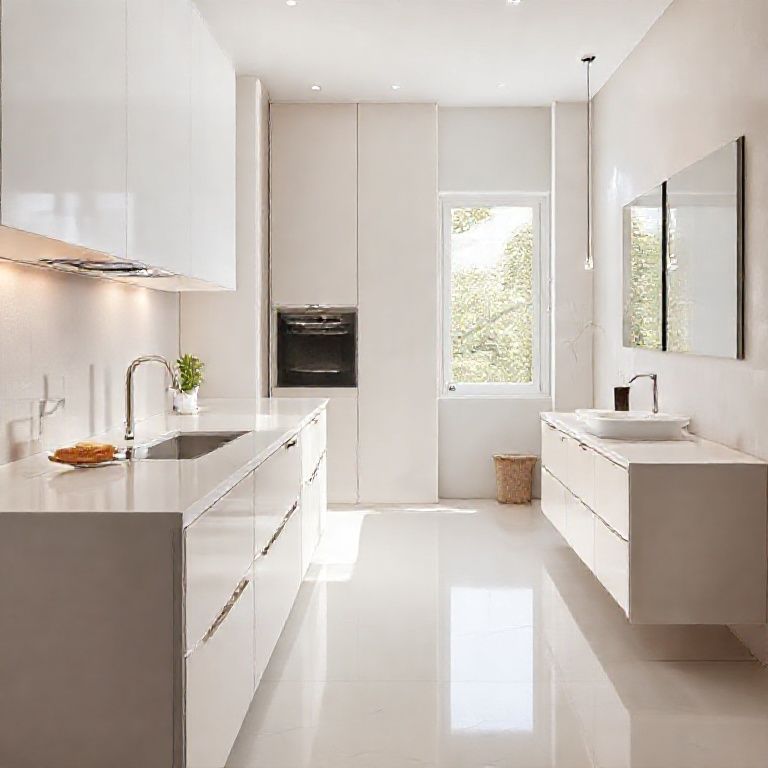
The fabrication and installation process are often where a substantial portion of the final cost is incurred, and these costs are intrinsically linked to the material’s price. While Corian itself is a product, its transformation into a functional countertop or a design element involves specialized skills and equipment. Fabricators who work with Corian require specific training and tools to cut, shape, join (seamlessly, in many cases), and finish the material. The complexity of the design – intricate edge profiles, integrated sinks, or curved surfaces – will naturally increase fabrication time and labor costs. Installation also requires precision to ensure a perfect fit and finish. The pricing of these services varies geographically, with labor costs differing significantly between regions. Therefore, the “price” of Corian is not just the cost of the raw slab but also encompasses the skilled labor and technical expertise needed to bring it to life in a specific application. This multifaceted cost structure means that understanding Corian price trends requires looking beyond the material itself to the entire value chain, from its molecular composition to its final installation in a home or commercial space.
Continuing our exploration into the “可丽耐人造石价格走势,” it’s vital to move beyond the fundamental manufacturing and demand dynamics and delve into the more nuanced factors that influence its perceived and actual value. The competitive landscape, for instance, plays an increasingly significant role. While Corian was once the undisputed leader in the solid surface market, a proliferation of competing brands and alternative materials has emerged. Brands offering similar acrylic solid surfaces, as well as materials like quartz, granite, marble, and porcelain slabs, all vie for market share. This competition exerts a downward pressure on prices, as manufacturers and distributors seek to differentiate themselves not only on product features but also on cost-effectiveness. Consumers now have a wider array of choices, forcing the market to become more responsive to price sensitivity.
The innovation cycle also affects pricing. As manufacturers strive to introduce new colors, textures, and performance enhancements, the investment in research and development must be recouped. Cutting-edge designs or those with unique visual or tactile qualities might command a premium price, at least initially. However, as these innovations mature and production scales increase, prices tend to become more accessible. Furthermore, the trend towards sustainability is subtly influencing pricing. Manufacturers who can demonstrate eco-friendly production processes, use recycled content, or offer materials with a lower environmental impact might find their products positioned at a higher price point, appealing to a growing segment of environmentally conscious consumers. The cost associated with achieving and certifying these sustainable credentials is a factor that manufacturers must consider in their pricing strategies.
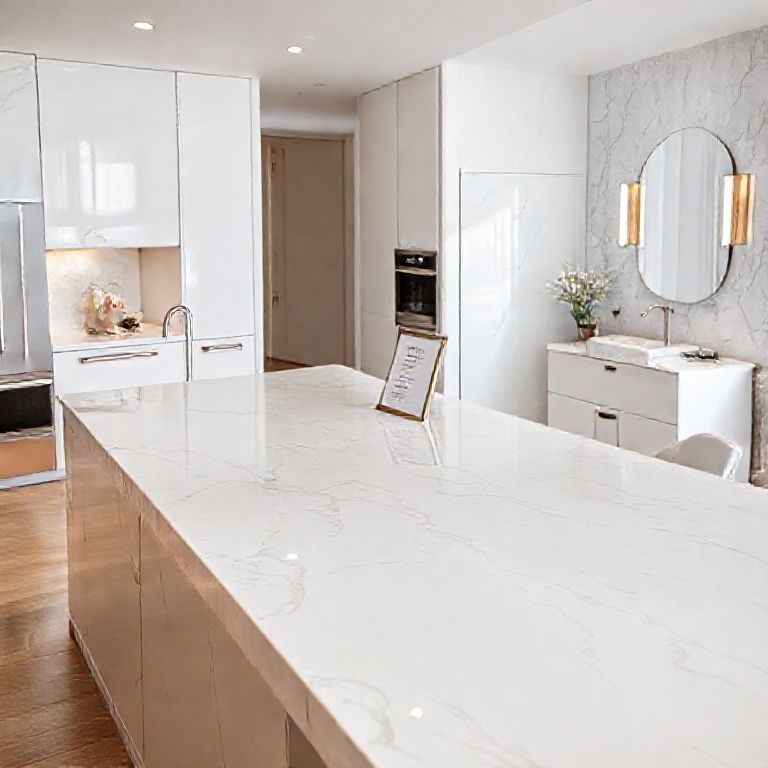
The distribution model and the network of authorized fabricators also impact the final price. Corian is typically sold through a network of distributors who supply certified fabricators. This controlled distribution ensures quality and consistency but can also add a layer of markup at each stage. The geographical location of a project can also influence pricing due to differing shipping costs, local labor rates for fabrication and installation, and regional market demand. A project in a high-cost-of-living urban area might incur higher installation charges compared to a similar project in a more rural setting, even if the material cost is the same. Moreover, the reputation and perceived value of the brand name “Corian” itself contribute to its pricing. As a pioneer and a well-established brand, it often carries a certain prestige that allows it to maintain a premium over less recognized competitors, even if the technical specifications are comparable. This brand equity is built over decades of consistent quality, marketing efforts, and positive word-of-mouth.
Looking ahead, several trends are likely to shape the future “可丽耐人造石价格走势.” Continued advancements in manufacturing technology, potentially leading to more efficient and cost-effective production, could put downward pressure on raw material costs. The ongoing development of alternative materials, offering similar aesthetic and functional benefits at potentially lower price points, will continue to drive competitive pricing. Furthermore, the increasing consumer awareness and access to information through online platforms mean that price comparisons are easier than ever. This transparency can empower consumers and encourage more competitive pricing from suppliers. The growing emphasis on customization and unique design solutions might also see a bifurcated market, with standard colors and finishes remaining more accessible, while highly specialized or custom-designed Corian applications commanding a premium.
In conclusion, the price of Corian solid surface is not a static figure but a dynamic reflection of a complex interplay of factors. From the inherent costs of its sophisticated manufacturing and the fluctuating prices of raw materials, to the powerful forces of market demand, competitive pressures, and evolving design trends, a multitude of elements contribute to its final cost. The skilled fabrication and installation services further add to the overall investment required. As the material continues to be a preferred choice for its aesthetic appeal and functional performance, understanding these underlying price drivers offers valuable insight for anyone considering this versatile solid surface. Navigating these currents requires a holistic view, appreciating that the beauty and longevity of Corian are a testament to the intricate processes and market forces that shape its value.