
The heart of any home often beats strongest in the kitchen. It’s where culinary creations come to life, where families gather for meals, and where laughter and conversations flow as freely as the wine. And at the center of this bustling hub, a countertop plays a starring role, influencing both the functionality and the aesthetic appeal of the entire space. When it comes to countertop materials, quartz has surged in popularity, celebrated for its durability, low maintenance, and stunning visual versatility. But within the world of quartz, a seemingly small detail – its thickness – can lead to significant differences, particularly when comparing 1.5cm and 2.0cm slabs. This isn’t just about a fractional measurement; it’s about understanding how this difference impacts your design aspirations, your budget, and the overall longevity of your kitchen’s most prominent surface.

Imagine walking into a kitchen showroom, captivated by the sleek lines and the luxurious feel of a quartz countertop. You might be drawn to a particular pattern, a specific color, or a unique edge profile. But have you considered the thickness of the slab itself? The choice between 1.5cm (often referred to as 1.5-centimeter or roughly 5/8 inch) and 2.0cm (approximately 3/4 inch) quartz isn’t merely a technicality; it’s a design decision with tangible consequences. While both offer the inherent benefits of quartz – resistance to stains, scratches, and heat, coupled with a non-porous surface that’s hygienic and easy to clean – their differing thicknesses can subtly alter the perception of luxury, the structural integrity, and even the installation process.
Let’s first delve into the visual impact. A 2.0cm slab inherently possesses a more substantial and commanding presence. It exudes a sense of gravitas and luxury, often perceived as more robust and premium. Think of it like a finely tailored suit versus a standard one – the extra material, the careful construction, speaks volumes. For kitchens aiming for a high-end, contemporary feel, or those featuring bold veining and dramatic patterns, the thicker 2.0cm quartz can really allow these features to pop, creating a focal point that commands attention. The thicker edge profiles also become more pronounced, offering a bolder statement and a wider range of design possibilities for edge detailing, from a simple eased edge to a more complex ogee or bullnose. These thicker edges can lend a more traditional or opulent feel, depending on the overall kitchen design.
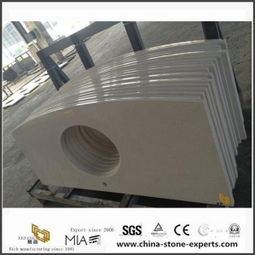
On the other hand, 1.5cm quartz offers a more understated elegance. It provides a sleeker, lighter profile that can be particularly effective in smaller kitchens or in designs where a minimalist aesthetic is desired. If you’re aiming for a clean, unfussy look, or if you want to avoid overwhelming a space with a heavy countertop, 1.5cm quartz can be an excellent choice. It allows other design elements, such as cabinetry, backsplash, or decorative accents, to take center stage. Furthermore, the thinner profile can create a more seamless integration with certain cabinet styles, particularly frameless or European-style cabinetry, where a less obtrusive countertop is often preferred. The edges, while less pronounced, can still be beautifully finished, offering a refined and modern appearance.
The difference in thickness also influences the installation process and the overall structural considerations. While quartz is inherently strong, its support structure is crucial. For 1.5cm slabs, especially for longer spans or areas with potential stress points like around sinks or cooktops, ensuring adequate support underneath is paramount. This often means that fabricators might recommend or require additional support brackets or a thicker plywood sub-top to compensate for the reduced slab thickness. While this can add to the overall installation cost and complexity, it’s a vital step to ensure the countertop’s long-term stability and prevent any potential sagging or cracking. The thinner slabs also tend to be lighter, which can sometimes make them easier to handle and maneuver during installation, potentially leading to slightly reduced labor costs in some scenarios.
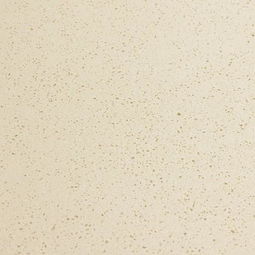
Conversely, 2.0cm quartz, due to its inherent thickness, generally requires less supplementary support. It’s naturally more rigid and can span longer distances with greater confidence. This can simplify the installation process and reduce the need for extensive under-support structures, which can be a significant advantage, particularly in kitchens with complex layouts or custom cabinetry. The added thickness provides a greater sense of security and robustness, meaning that issues like chipping on the edges are generally less common with 2.0cm slabs compared to their thinner counterparts, assuming equal care and quality of fabrication. This enhanced durability can be a significant factor for homeowners prioritizing longevity and minimal risk of damage.
Aesthetically, the choice between 1.5cm and 2.0cm quartz often boils down to the desired “look and feel” of your kitchen. If you’re aiming for a countertop that feels incredibly solid, with a luxurious heft, and the ability to showcase intricate edge profiles or dramatic veining, 2.0cm is likely your preferred choice. It’s the classic, premium option that many associate with high-end kitchens. It can handle bold designs and busy patterns with ease, allowing them to be the undeniable stars of your culinary stage. The thicker edge treatment can add a sophisticated touch, making the countertop a substantial design element rather than just a surface.

However, if your vision leans towards a more streamlined, modern, or minimalist aesthetic, or if you have a more modest budget, 1.5cm quartz presents a compelling alternative. It offers the beauty and durability of quartz without the visual weight of thicker slabs. It’s perfect for creating a sense of spaciousness, especially in smaller kitchens where a lighter look can make the room feel larger and airier. The thinner profile can also be a fantastic choice for integrating with contemporary cabinetry, creating a more fluid and cohesive design. It’s about achieving elegance through simplicity and a refined, less imposing presence. So, as you ponder your kitchen’s future, consider not just the color and pattern, but also the subtle, yet impactful, difference that thickness makes.
Continuing our exploration into the nuances of quartz countertop thickness, we’ve touched upon the aesthetic and structural considerations of 1.5cm versus 2.0cm slabs. Now, let’s delve deeper into the practical implications, particularly concerning cost, fabrication possibilities, and the long-term value proposition of each option. Understanding these elements is crucial for making a decision that aligns not only with your design aspirations but also with your financial planning and expectations for the lifespan of your kitchen’s most hardworking surface.

One of the most immediate and tangible differences between 1.5cm and 2.0cm quartz countertops lies in their price point. Generally speaking, thicker slabs of any material will command a higher price, and quartz is no exception. The cost difference isn’t solely attributed to the raw material volume; it also factors in the manufacturing process, transportation logistics (heavier slabs are more expensive to ship), and the increased labor involved in handling and fabricating thicker stone. Therefore, 2.0cm quartz is typically more expensive per square foot than its 1.5cm counterpart. This price disparity can be a significant deciding factor for homeowners working with a specific budget. If the aesthetic and structural benefits of the thicker slab don’t outweigh the increased cost for your particular project, 1.5cm quartz might offer a more budget-friendly way to achieve the desired look.
However, it’s important to consider the total cost of installation. While 1.5cm quartz might have a lower per-square-foot material cost, the potential need for additional support structures, as discussed earlier, could increase the overall installation expenses. Conversely, the inherent stability of 2.0cm quartz might simplify installation and reduce the need for extensive under-support, potentially offsetting some of its higher material cost. When obtaining quotes from fabricators, it’s wise to ensure that all necessary support and installation components are clearly itemized to get an accurate comparison of the total project cost. Don’t just compare the slab price; compare the complete package.
Fabrication possibilities also present a point of divergence. The thickness of a quartz slab directly influences the types of edge profiles that can be realistically and effectively created. Thicker slabs, like 2.0cm, offer greater flexibility for more elaborate and decorative edge treatments. Profiles such as a double-bullnose, a waterfall edge (where the countertop material cascades down the side of a cabinet or island), or more intricate carved edges are often best executed on thicker material. The substantial thickness allows for deeper cuts and more pronounced detailing without compromising the structural integrity of the edge. This opens up a world of design possibilities for those who desire a truly bespoke and visually rich countertop.
With 1.5cm quartz, the edge profile options are generally more limited, leaning towards simpler and more contemporary designs. While you can still achieve beautiful eased edges, bevels, or single bullnose profiles, more complex or dramatic edges might not be feasible or advisable due to the reduced material thickness. This isn’t necessarily a drawback; it’s simply a characteristic that aligns with a sleeker, more minimalist design philosophy. If your heart is set on a dramatic, multi-layered edge profile, then 2.0cm quartz is likely the more appropriate choice. However, if a clean, simple edge complements your overall kitchen aesthetic, 1.5cm quartz can deliver it perfectly.
When it comes to durability and long-term performance, both 1.5cm and 2.0cm quartz are exceptionally resilient. Quartz itself is engineered to be non-porous, making it resistant to stains, spills, and bacterial growth. It’s also highly resistant to scratches and heat, making it a practical choice for busy kitchens. The primary difference in perceived durability often relates to the edges. A thicker 2.0cm edge is inherently less susceptible to chipping or damage from everyday bumps and impacts compared to a thinner 1.5cm edge, especially if the latter is not adequately supported or if children and pets are frequently around. However, with proper care and mindful usage, both thicknesses can provide decades of reliable service.
The perceived value and longevity of your investment are also tied to these factors. A 2.0cm countertop, with its more substantial feel and greater potential for elaborate edge detailing, is often seen as a more premium upgrade, potentially adding more perceived value to your home. It’s the “wow” factor that many buyers look for in a renovated kitchen. However, a well-fabricated and beautifully designed 1.5cm quartz countertop can also significantly enhance your home’s appeal, especially if it perfectly complements a modern or minimalist design. The key to long-term satisfaction with either thickness lies in the quality of the quartz itself, the skill of the fabricator, and the care with which it’s maintained.
In conclusion, the choice between 1.5cm and 2.0cm quartz countertops is a nuanced decision that hinges on a blend of aesthetic preferences, functional requirements, and budgetary considerations. The 2.0cm option offers a more substantial visual presence, greater flexibility for intricate edge profiles, and potentially enhanced edge durability, often at a higher cost. It’s the choice for those seeking a statement piece and a sense of undeniable luxury. On the other hand, the 1.5cm option provides a sleeker, more minimalist look, can be more budget-friendly, and is well-suited for contemporary designs or smaller spaces where visual lightness is desired. While its edge profile options are more limited, it still delivers the renowned performance benefits of quartz.
Ultimately, there’s no single “better” option; there’s only the option that is better for you and your kitchen. Carefully consider the overall design direction you envision, the traffic your kitchen experiences, and the budget you have allocated. Don’t hesitate to consult with experienced fabricators and designers. They can provide invaluable insights, show you examples of different edge profiles on various thicknesses, and help you understand the support requirements specific to your kitchen layout. By understanding these differences, you can confidently select the quartz thickness that will best serve as the stylish, durable, and functional heart of your home for years to come.









