
Ah, the allure of quartz countertops! They shimmer with a promise of durability, elegance, and a low-maintenance lifestyle that many of us dream of for our kitchens and bathrooms. But as you embark on the journey of selecting that perfect slab, a seemingly small detail can emerge from the glossy brochures and showroom displays: the thickness. Specifically, the debate often boils down to two popular contenders: the robust 2cm (approximately 3/4 inch) and the more svelte 1.5cm (roughly 5/8 inch). It’s a question that can leave even the most decisive homeowner scratching their head. So, let’s dive headfirst into this fascinating thickness quandary and explore what truly makes one “better” than the other, or if “better” is even the right word.

At first glance, the concept of thickness might seem straightforward. Thicker must mean stronger, right? It’s a natural inclination, like choosing a sturdier piece of furniture or a heavier-duty tool. And in many respects, this intuition holds water when we talk about quartz. A 2cm slab generally possesses a more substantial feel, a visual weight that conveys inherent strength. This increased thickness can translate to enhanced resistance against impact and chipping, especially around the edges, which are often the most vulnerable points in a countertop’s life. Imagine a dropped pot or a wayward rolling pin – a thicker quartz surface is likely to fare a bit better in such skirmishes. Furthermore, the sheer mass of a 2cm slab can contribute to a more solid and reassuring feel underfoot, if you’re considering it for flooring, or under your cutting board, in the kitchen. There’s a certain gravitas that comes with its presence.
However, let’s not be too hasty in declaring 2cm the undisputed champion. The 1.5cm option, while thinner, is far from being a flimsy imposter. Modern quartz manufacturing processes are sophisticated, and even the 1.5cm slabs are engineered for excellent performance. The composition of quartz itself – a blend of natural quartz crystals and resins – provides inherent durability regardless of minor thickness variations. While a 2cm slab might offer a marginal increase in impact resistance, a 1.5cm slab, when properly installed and cared for, is still an incredibly resilient and long-lasting choice for the vast majority of household applications. Think of it this way: a high-quality steel knife is incredibly strong, but a slightly thinner, high-carbon steel knife can still perform beautifully with proper handling. The material science is key.

Beyond sheer brute force, the aesthetic implications of thickness are a significant consideration. This is where personal preference and design vision truly come into play. A 2cm countertop often presents a more minimalist and modern aesthetic. Its cleaner, sharper lines can lend a sophisticated and contemporary feel to a space. It’s a choice that speaks of understated elegance, allowing the beauty of the quartz pattern itself to take center stage without visual bulk. For kitchens with a sleek, European-inspired design, or bathrooms aiming for a spa-like serenity, the slim profile of 2cm can be particularly appealing. It creates a seamless look, allowing cabinetry and other design elements to shine.
On the flip side, the 1.5cm thickness offers a slightly different visual experience. While still elegant, it can sometimes be perceived as a touch more traditional or classic, especially when paired with certain edge profiles. However, this is not a hard and fast rule. The perception of thickness is also heavily influenced by the edge detail chosen. A 1.5cm slab can be fabricated with a thicker-looking edge profile through techniques like laminating or mitered edges. This allows you to achieve the visual heft of a thicker slab while potentially benefiting from the advantages of a thinner material. For instance, a bullnose or ogee edge on a 1.5cm slab can create a substantial and ornate look that complements a more traditional or transitional design scheme. Conversely, a simple eased edge on a 2cm slab will maintain that minimalist, contemporary vibe. So, while thickness plays a role, the edge treatment is a powerful co-conspirator in defining the final look.

The installation process is another arena where the thickness of quartz can influence decisions. A 2cm slab is heavier and requires more robust support underneath. This might necessitate stronger cabinet structures or additional bracing, especially for larger islands or countertops that will bear significant weight. The extra weight can also make handling and installation more challenging, potentially leading to higher labor costs for the installers. Conversely, 1.5cm quartz is lighter, making it easier to transport, maneuver, and install. This can translate to a smoother installation process and, in some cases, reduced installation expenses. For homeowners undertaking a DIY project or working with a contractor who prioritizes speed and ease of installation, the lighter weight of 1.5cm can be a significant advantage. It also opens up possibilities for installations where traditional, heavier materials might be impractical, such as on certain types of cabinets or in spaces with weight restrictions.
Cost is, of course, a perennial factor in any renovation or design project. Generally speaking, 2cm quartz countertops tend to be more expensive than their 1.5cm counterparts. This price difference is driven by several factors, including the amount of material used (more material equals higher cost) and potentially the engineering and fabrication processes involved in creating a thicker, more substantial slab. For budget-conscious consumers, the 1.5cm option can offer a more accessible entry point into the world of premium quartz surfaces, allowing them to achieve a high-end look without breaking the bank. However, it’s important to remember that the overall cost is a complex equation that includes not just the material but also fabrication, installation, and any edge treatments or special features. A highly intricate edge profile on a 1.5cm slab could, in some instances, rival the cost of a simpler edge on a 2cm slab. So, while the initial material cost might favor 1.5cm, a comprehensive quote is always necessary.

When considering the overall lifespan and perceived value, both thicknesses offer excellent longevity. Quartz is renowned for its non-porous nature, making it resistant to stains, bacteria, and moisture. This inherent property means that whether you choose 2cm or 1.5cm, your countertop will be easy to clean and maintain, and will resist common household spills like wine, coffee, and oil. The question then becomes about the long-term visual appeal and structural integrity. A well-maintained 1.5cm countertop can look as beautiful and perform as reliably as a 2cm one for decades. The key is understanding your specific needs and the demands you’ll place on your countertops. For a busy family kitchen with young children, where durability is paramount, the extra reassurance of 2cm might be worth the investment. For a guest bathroom that sees less daily traffic, or a sleek home office desk, the 1.5cm might be perfectly adequate and a more economical choice. Ultimately, the “better” thickness is the one that best aligns with your lifestyle, aesthetic preferences, and budget, without compromising on the quality and performance you expect from a quartz surface.
Continuing our deep dive into the fascinating world of quartz countertop thickness, we’ve touched upon durability, aesthetics, installation, and cost. Now, let’s expand on these points and explore some further considerations that will help you make the most informed decision between 2cm and 1.5cm. It’s not just about the numbers; it’s about how those numbers translate into your daily life and the long-term satisfaction with your investment.
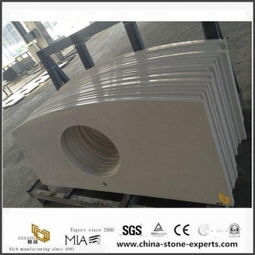
One of the most significant considerations when choosing between 2cm and 1.5cm is the context of your project. Are you undertaking a full kitchen renovation where the countertops are a central element, or are you refreshing a bathroom vanity? For a grand kitchen island that will be the hub of your home – a place for homework, meal prep, and casual dining – the added robustness of a 2cm slab might provide an extra layer of confidence. Its inherent strength can feel more reassuring when subjected to the daily rigors of a busy culinary space. Imagine the peace of mind knowing that a slightly heavier pot placed down a bit too firmly is less likely to cause concern. The substantial nature of 2cm quartz can also make a stronger visual statement, anchoring the design of a larger kitchen and providing a more commanding presence. It can feel like the “main event,” so to speak.
Conversely, for smaller applications like a bathroom vanity or a laundry room countertop, the 1.5cm thickness often presents a perfectly suitable and often more practical solution. Bathrooms, while prone to moisture, typically don’t experience the same level of heavy impact as kitchens. The visual effect of a thinner profile can also be quite advantageous in smaller spaces, helping to make the area feel more open and less cluttered. A sleek, 1.5cm vanity top can contribute to a clean, minimalist aesthetic that is highly desirable in modern bathroom design. Furthermore, the ease of installation for 1.5cm can be a boon in bathrooms where access might be more restricted, or where minimizing disruption is a priority. The lighter weight means less strain on the existing cabinet structure, which is often a significant factor in bathroom renovations where cabinets might be older or less robust than those in a new kitchen.
The world of edge profiles is another critical area where thickness plays a crucial role, but not always in the way you might initially assume. While a 2cm slab naturally offers more material for intricate edge details, 1.5cm is far from being limited to basic finishes. Fabricators employ various techniques to achieve the look of a thicker edge on a 1.5cm slab. Lamination, where a second piece of quartz is adhered to the edge to create a thicker appearance, is a popular method. This allows you to have the visual impact of a 2-inch or even 3-inch edge profile on a 1.5cm slab, giving it a substantial and luxurious feel. Another technique is the mitered edge, where the edge is cut at an angle and joined to create a seamless, thicker profile. These methods open up a world of design possibilities for 1.5cm quartz, enabling it to mimic the appearance of thicker materials while potentially offering cost or installation benefits.
However, it’s also worth noting that some very ornate and complex edge profiles might inherently require the material thickness of a 2cm slab to be executed without lamination or other added techniques. If your heart is set on a very specific, deeply carved edge, it’s essential to discuss this with your fabricator and see how it can be achieved with your chosen quartz thickness. The beauty of quartz lies in its versatility, and a skilled fabricator can often find a way to bring your vision to life, regardless of whether you opt for 2cm or 1.5cm. The key is open communication and a clear understanding of what’s possible.
When we consider long-term value and resale potential, both 2cm and 1.5cm quartz countertops are excellent investments. Their durability, stain resistance, and timeless appeal are significant selling points for any home. However, there can be a subtle difference in perception. Potential buyers might associate the perceived “heft” and robustness of 2cm countertops with higher quality and a more premium finish. This isn’t to say that 1.5cm countertops are perceived as “cheap” – far from it. But in a side-by-side comparison, the sheer thickness of 2cm can sometimes convey an extra sense of luxury and permanence that might subtly influence a buyer’s decision, especially in higher-end markets. If maximizing resale value is a primary objective, and your budget allows, leaning towards 2cm might offer a slight edge in this regard.
Another factor to ponder is the weight of the material, which has implications beyond just installation. For multi-story buildings or properties with specific structural considerations, the overall weight of the countertops can be a factor. Lighter materials like 1.5cm quartz can be advantageous in situations where minimizing the load on the building’s structure is a concern. This might be relevant for apartment renovations, older homes, or even for creating custom furniture pieces where weight is a critical design parameter. While this is a niche consideration for most homeowners, it’s a testament to how even seemingly minor differences in thickness can have broader implications.
The choice between 2cm and 1.5cm quartz also comes down to your tolerance for potential imperfections and your personal definition of perfection. While both are incredibly durable, the thicker 2cm slab offers a bit more “give” against minor impacts. This doesn’t mean 1.5cm will shatter, but there might be a slightly higher risk of a small chip or ding on the edge with exceptionally forceful impacts. For those who are particularly meticulous and want to minimize any chance of such occurrences, the extra thickness of 2cm can provide that extra peace of mind. However, it’s important to remember that proper installation, careful use, and appropriate care will significantly mitigate these risks for both thicknesses. Using cutting boards, avoiding dragging heavy pots, and promptly cleaning spills are all crucial practices that contribute to the longevity and pristine appearance of any quartz countertop.
Ultimately, the decision between 2cm and 1.5cm quartz is a nuanced one, devoid of a single “correct” answer. It’s about understanding the trade-offs and aligning them with your specific needs and desires. If your priority is maximum perceived durability, a strong visual statement, and potentially a slight edge in resale perception, and your budget allows for it, 2cm quartz is a compelling choice. If you’re seeking a more budget-friendly option, a sleeker modern aesthetic, easier installation, or the ability to achieve various edge profiles with clever fabrication, 1.5cm quartz is an excellent and highly capable material.
The beauty of quartz, in its myriad forms and thicknesses, is its ability to adapt to a wide range of design visions and practical requirements. Don’t let the thickness debate intimidate you. Instead, use it as a guide to explore the possibilities. Talk to your countertop fabricator, look at samples, consider the overall design of your space, and imagine yourself living with the countertops day in and day out. The perfect thickness is the one that brings you the most joy, functionality, and lasting satisfaction. It’s about finding that sweet spot where form meets function, and where your dream countertop becomes a reality, regardless of whether it’s 2cm or 1.5cm thick.









