
Sure, I can help you with that! Here’s a soft article exploring the differences between 1.5cm and 2.0cm quartz countertops, with a focus on the “Sea Monster” series from Xin Yuan brand.

Here is the article broken into two parts:
The kitchen is the heart of the home, a space where culinary creativity meets everyday life. When embarking on a renovation or designing a new space, the countertop material plays a pivotal role, not just in aesthetics but also in functionality and durability. Among the popular choices, quartz has carved a significant niche for itself, lauded for its resilience, low maintenance, and stunning visual appeal. However, when you venture into the realm of quartz, you’ll quickly encounter a seemingly simple yet crucial distinction: thickness. Specifically, the choice between 1.5cm and 2.0cm quartz. This difference, while appearing minor, can have a tangible impact on the overall look, feel, and structural integrity of your countertops.
Let’s demystify these two popular thicknesses. The 1.5cm (approximately 0.6 inches) quartz, often referred to as a “thinner” slab, is a versatile option. Its lighter weight can sometimes translate to easier installation, and it can offer a sleeker, more contemporary profile, particularly appealing for minimalist designs or when paired with certain cabinet styles. For areas that don’t bear extreme weight or impact, such as a bathroom vanity or a decorative backsplash, 1.5cm can be a perfectly suitable and often more budget-friendly choice. It allows for a more subtle integration into the overall design, providing a refined surface without overpowering the visual space. The beauty of quartz lies in its engineered nature, meaning even at 1.5cm, it retains its inherent strength, resistance to stains, scratches, and heat. This makes it a far superior choice to many traditional materials, offering peace of mind for daily use.

On the other hand, the 2.0cm (approximately 0.8 inches) quartz slab presents a more substantial and robust presence. This thicker profile inherently offers a greater sense of solidity and durability. For kitchens, the workhorse of the home, where chopping, dicing, and heavy pots and pans are commonplace, the extra thickness of 2.0cm can provide an added layer of confidence. It can feel more premium and luxurious underhand, exuding a sense of permanence and high-end craftsmanship. When it comes to structural integrity, particularly for larger islands or countertops with significant overhangs, the 2.0cm thickness provides enhanced support and reduces the likelihood of flexing or cracking under pressure. This is especially relevant if you envision a waterfall edge design, where the stone cascades down the side of the cabinet, as the thicker slab offers a more dramatic and visually impactful transition.
The aesthetic differences, while subjective, are also worth considering. A 1.5cm countertop might present a more delicate and airy appearance, complementing modern or transitional styles beautifully. A 2.0cm countertop, however, can lend itself to more traditional, grand, or even industrial designs, creating a bolder statement. The perception of quality can also be influenced by thickness; a thicker slab can sometimes be associated with a more premium product, though this is not always the case and depends heavily on the manufacturer and the specific quartz design.

Beyond the visual and structural, cost is often a deciding factor. Generally, 1.5cm quartz tends to be more economical than 2.0cm quartz, owing to the reduced material content. This can be a significant consideration for larger projects or when working with a tighter budget. However, it’s important to factor in the entire cost of the project, including fabrication and installation, as these can vary independently of slab thickness. Sometimes, the ease of fabrication or installation for one thickness over the other might slightly offset material cost differences.
When selecting between these two thicknesses, envision your daily life and how the countertops will be used. For a busy family kitchen that sees a lot of action, the reassurance of 2.0cm might be preferable. For a guest bathroom or a low-traffic area, 1.5cm could be an excellent and stylish choice. Ultimately, both offer the inherent benefits of quartz, but understanding their nuances will empower you to make the most informed decision for your unique space and needs. This foundational understanding of thickness is the first step in navigating the exciting world of quartz, and it sets the stage for exploring specific collections that can truly bring your design vision to life.
Now that we’ve established the fundamental differences between 1.5cm and 2.0cm quartz countertops, let’s dive into the captivating world of specific designs. Among the myriad of options available, certain collections stand out for their unique aesthetics and impressive quality. Today, we’re going to cast our gaze upon the intriguing “Sea Monster” series from Xin Yuan, a brand that has been making waves in the quartz industry for its commitment to innovation and design excellence. The “Sea Monster” series, as its name suggests, evokes the mystique and raw beauty of the ocean, translating these elemental forces into breathtaking countertop surfaces.
Xin Yuan is a name that resonates with discerning homeowners and designers alike, known for its meticulous manufacturing processes and a keen eye for detail. Their quartz is engineered using a blend of natural quartz crystals and resins, creating a non-porous, highly durable, and aesthetically versatile material. The “Sea Monster” series is a testament to their creative prowess, offering patterns that mimic the dynamic textures and colors found beneath the waves. Imagine countertops that shimmer with the iridescence of abalone shells, or feature deep, swirling patterns reminiscent of ocean currents, or perhaps even capture the subtle nuances of seafoam and sand. This collection is designed for those who dare to be different, who seek to infuse their spaces with a sense of drama and natural wonder.
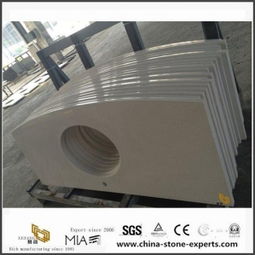
The beauty of the “Sea Monster” series lies not only in its imaginative designs but also in its exceptional performance. Regardless of whether you opt for a 1.5cm or 2.0cm thickness for this collection, you are investing in a surface that is resistant to staining, scratching, and heat. For a kitchen, this means you can enjoy the freedom to experiment with vibrant ingredients without fear of permanent marks. For a bathroom, the non-porous nature ensures excellent hygiene and easy cleaning. The “Sea Monster” designs are crafted to be visually striking, and their durability ensures that this visual impact will last for years to come.
When considering the “Sea Monster” series, the choice between 1.5cm and 2.0cm thickness becomes a more nuanced decision, influenced by the specific design within the series and your intended application. For instance, if a particular “Sea Monster” design features intricate veining or delicate patterns that you want to highlight with a sharper, more refined edge, a 1.5cm slab might be ideal. This thickness can offer a sleeker profile that allows the intricate details of the stone to take center stage without appearing overly heavy. It can be particularly effective for smaller kitchens or bathrooms where a more understated yet impactful look is desired.
Conversely, if the “Sea Monster” design boasts bold, deep colors or dramatic textures that you want to emphasize with a sense of gravitas and luxury, the 2.0cm thickness can be an exceptional choice. The added heft of the 2.0cm slab can enhance the perceived richness of the material, making bolder patterns feel even more substantial and impressive. This is especially true for statement pieces like a large kitchen island or a dramatic backsplash, where the thickness can contribute to a more commanding and luxurious presence. Furthermore, if your “Sea Monster” countertops will be subject to heavier use or require more robust support for features like integrated sinks or significant overhangs, the 2.0cm thickness offers that extra assurance of structural integrity.
The “Sea Monster” series from Xin Yuan is more than just a countertop material; it’s an opportunity to bring a piece of the ocean’s grandeur into your home. Whether you’re drawn to the subtle elegance of a 1.5cm slab that whispers tales of the deep or the commanding presence of a 2.0cm slab that roars with the power of the sea, Xin Yuan offers a path to realizing your most ambitious design dreams. When making your final decision, it’s always advisable to view physical samples of the “Sea Monster” designs in both thicknesses, if possible, and to consult with your fabricator or designer. They can offer expert advice tailored to your specific project, ensuring that your chosen quartz thickness and design not only meet your aesthetic aspirations but also your functional requirements, creating a space that is both beautiful and built to last. The allure of the “Sea Monster” awaits, ready to transform your home into a captivating aquatic sanctuary.









