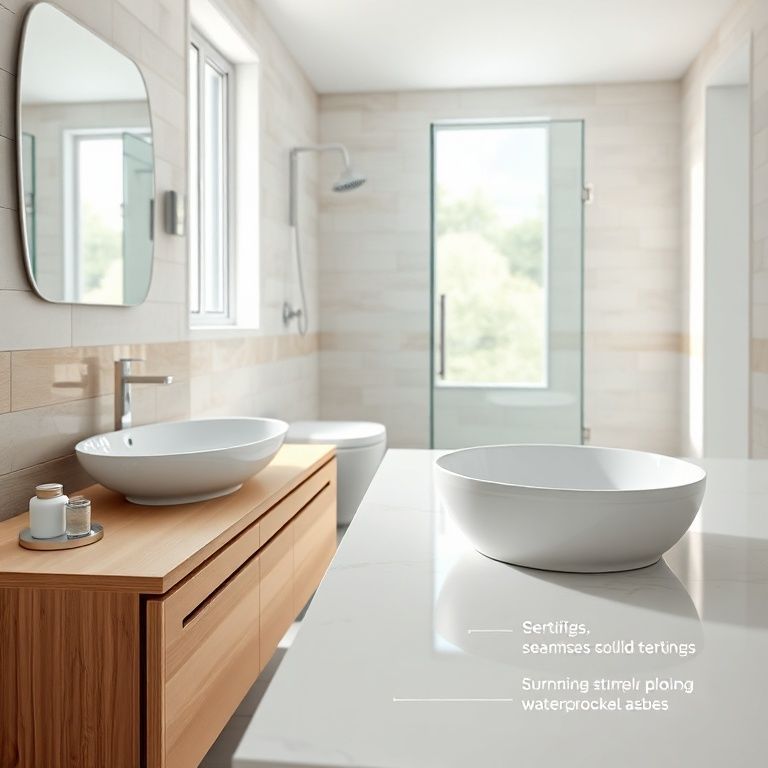
Quartzite vs. Composite Stone Countertops: An In-Depth Comparison
When it comes to choosing a countertop for your kitchen or bathroom, the options can seem endless. Two materials that frequently top the list are quartzite and composite stone countertops. Both materials offer unique advantages and come with certain drawbacks. This comprehensive guide delves into the specifics, comparing the durability, maintenance, aesthetics, cost, and design flexibility of these two popular choices.
Durability and Strength
Quartzite is an incredibly durable material, formed from natural quartz particles bonded together with resin. It boasts a high resistance to scratches, stains, and heat, making it a top choice for high-traffic areas. Its natural composition means it does not chip or break, and its hardness (rated 7 on the Mohs scale) ensures it can withstand considerable wear and tear.
Composite stone, on the other hand, is made from a combination of natural stone, resin, and colorants. While it also offers impressive durability, it generally falls slightly short of quartzite in terms of scratch and stain resistance. The resin bonding can sometimes lead to minor chips, although these are typically less noticeable than those found in other composite materials.
Maintenance Requirements
Maintenance is a key factor when selecting a countertop material. Quartzite, with its natural composition, requires minimal upkeep. A simple wipe-down with a mild soap and water solution is usually sufficient to keep it looking pristine. However, it’s important to avoid abrasive cleaners that could scratch the surface.
Composite stone countertops also need gentle cleaning but offer a bit more flexibility in terms of maintenance products. While they can handle mild soap and water, using overly abrasive cleaners can still lead to surface damage. It’s crucial to follow the manufacturer’s recommendations for the best results.
Aesthetic Appeal
Both quartzite and composite stone countertops offer an impressive array of colors and textures, but they do so in different ways.
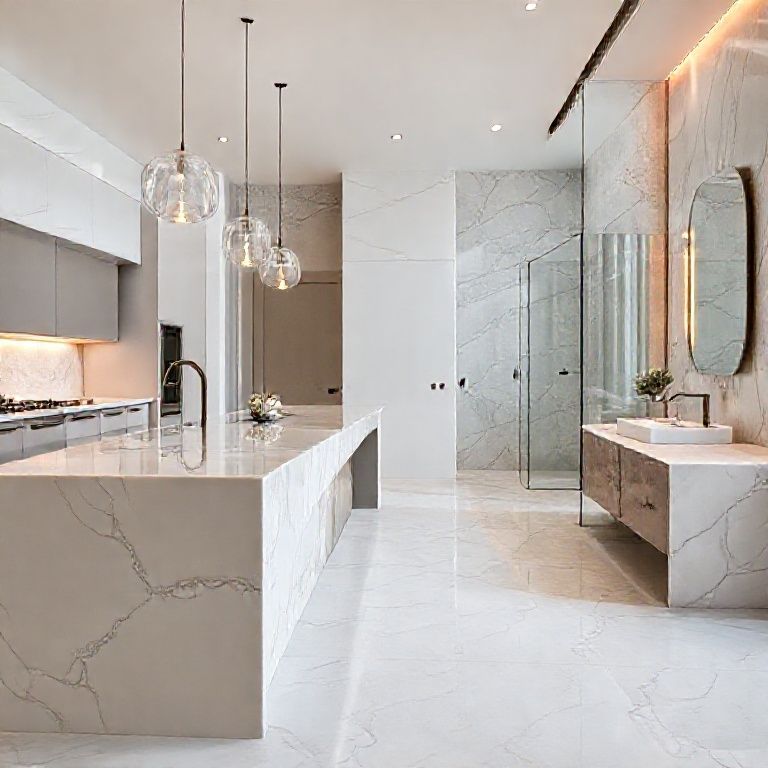
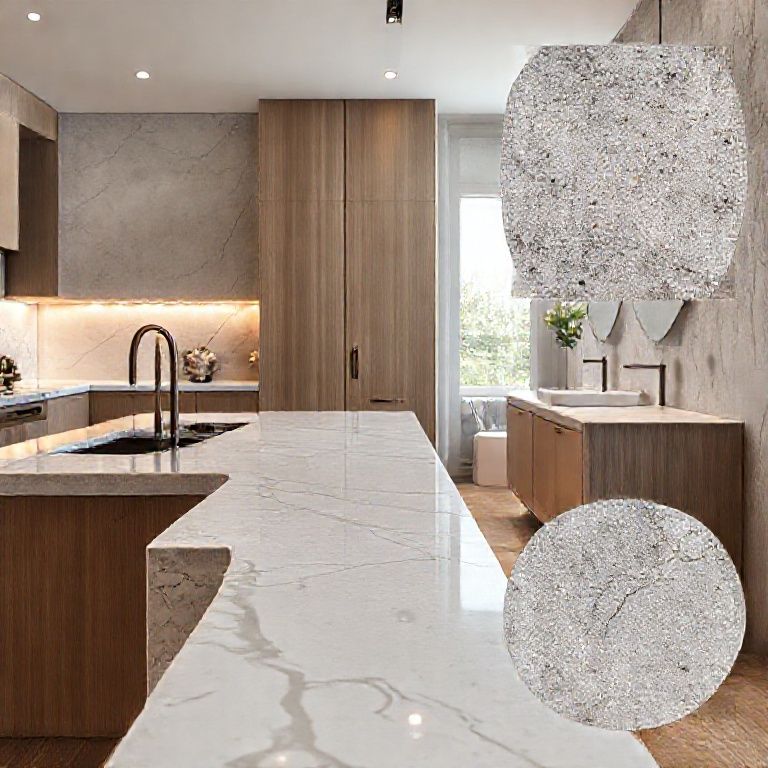
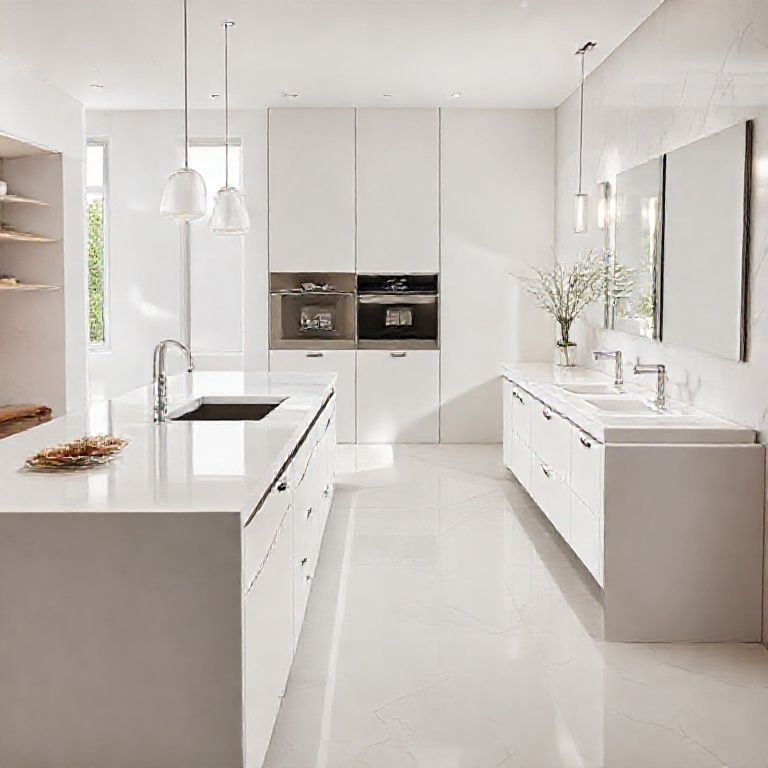
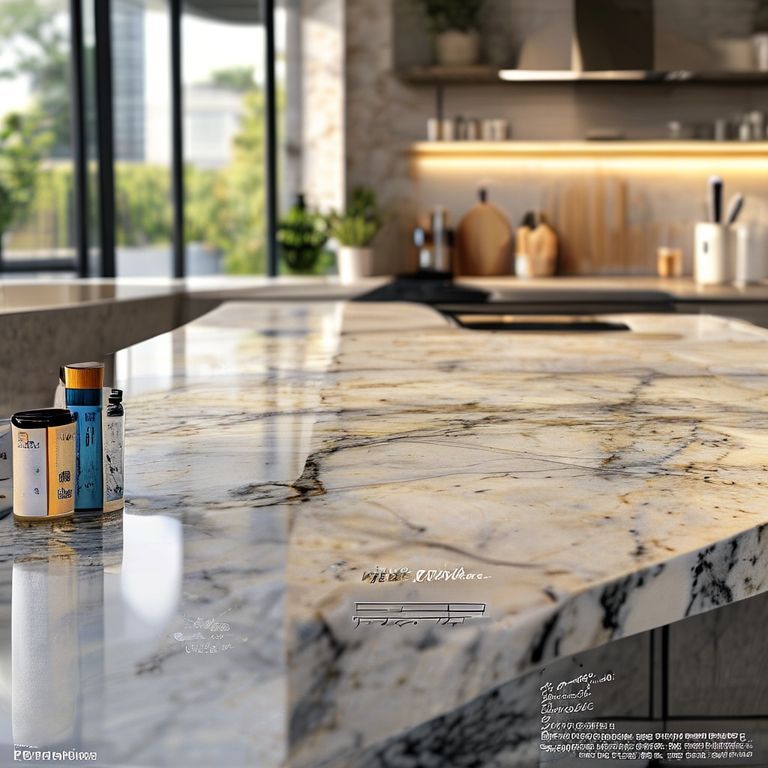
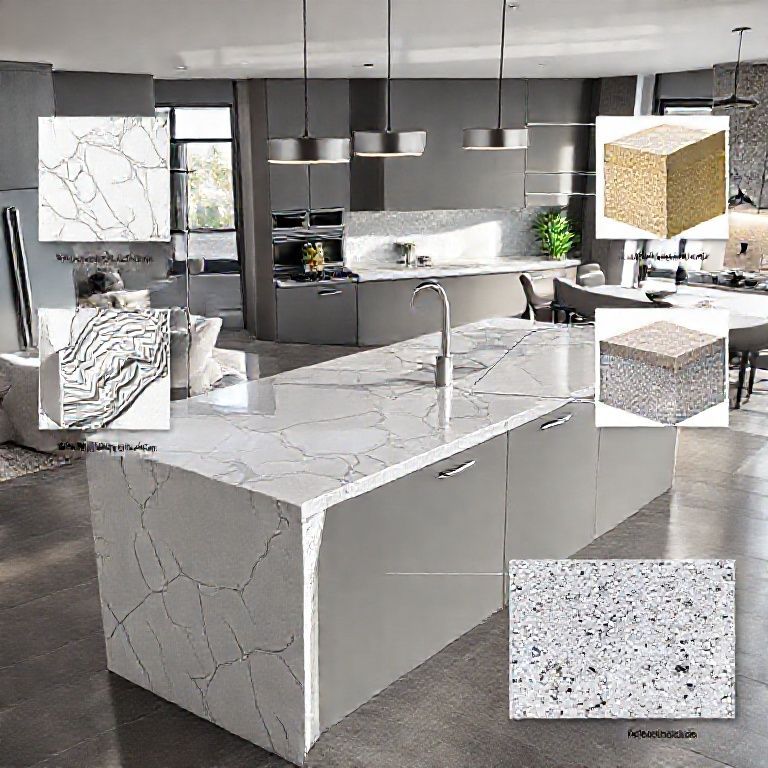
Quartzite is known for its natural, crystalline beauty. Its colors range from classic neutrals to vibrant hues, and its patterns mimic natural stone while providing a more consistent finish. The beauty of quartzite lies in its unique, one-of-a-kind appearance, which can add a touch of elegance and sophistication to any space.
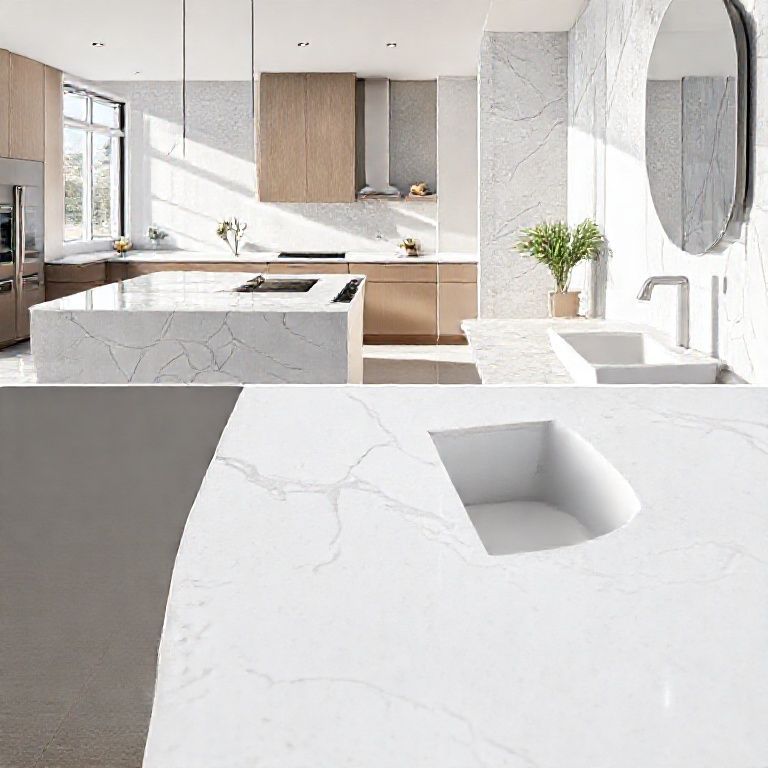
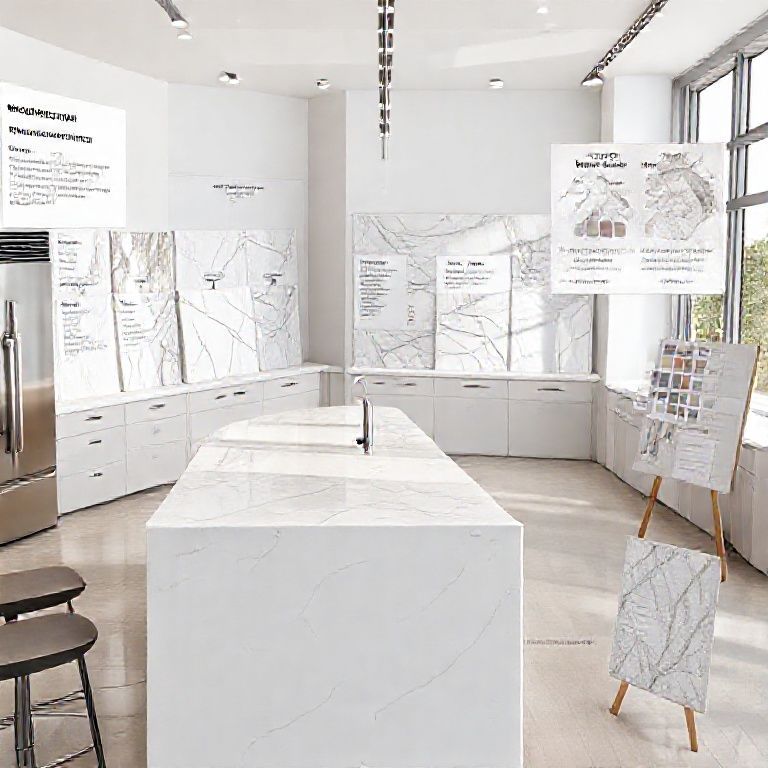
Composite stone offers a similar level of aesthetic diversity but with a few additional benefits. The material can be crafted to mimic a wide range of natural stones, including marble, granite, and even wood. This allows for a more extensive color palette and texture options, making it easier to match or exceed the aesthetic of natural stone. However, while the appearance is highly customizable, the finish can sometimes appear slightly artificial compared to true natural stone.
Cost Considerations
When it comes to cost, quartzite and composite stone countertops offer different advantages.
Quartzite typically falls on the higher end of the price spectrum due to its natural origin and the labor-intensive process of creating the final product. However, its durability often means lower long-term maintenance costs, which can offset the initial investment.
Composite stone is generally more affordable than quartzite. The lower cost is due to the less labor-intensive manufacturing process and the use of synthetic materials. However, the lower upfront cost may be offset by higher maintenance costs over time, especially if abrasive cleaners are used frequently.
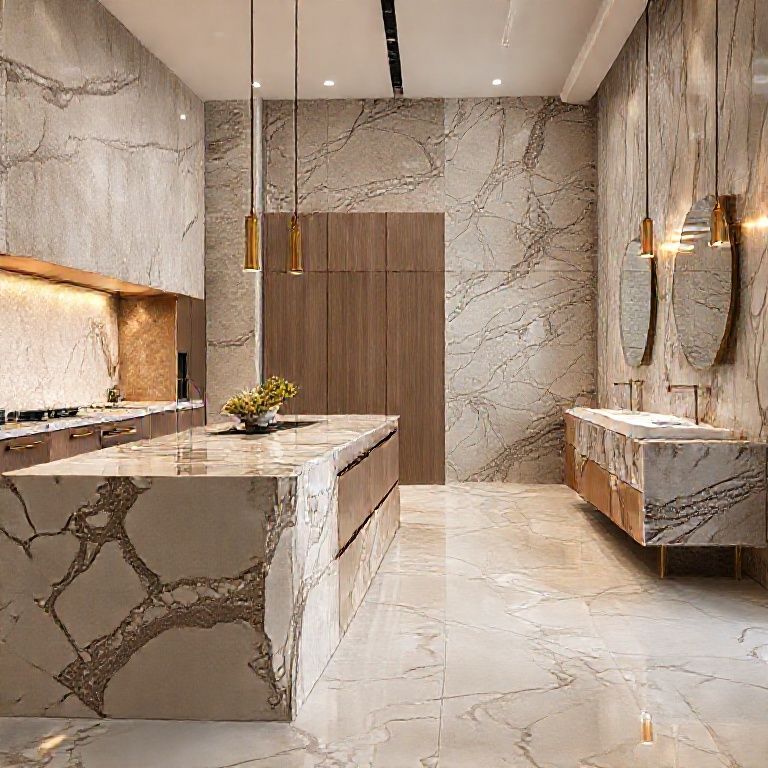
Design Flexibility
Design flexibility is another important consideration when choosing a countertop material.
Quartzite offers a high degree of flexibility in terms of design. Its ability to be cut and shaped in various ways allows for custom designs and intricate patterns. However, because it is a natural product, there is less uniformity in color and texture, which can be both a pro and a con depending on the desired aesthetic.
Composite stone excels in design flexibility due to its synthetic nature. It can be manufactured to achieve a nearly identical appearance across all pieces, offering a consistent look that can be replicated in custom designs. This makes it an excellent choice for homeowners looking for precise, uniform aesthetics.
Conclusion
When choosing between quartzite and composite stone countertops, it’s important to weigh the pros and cons of each material based on your specific needs and preferences. Quartzite offers superior durability and a unique, natural aesthetic, albeit at a higher cost and with greater maintenance needs. Composite stone provides a more affordable, customizable option with consistent aesthetics but may not match quartzite’s longevity and natural beauty.
In the next part of our comparison, we will delve deeper into specific use cases, environmental impact, and long-term investment value to help you make an informed decision that aligns with your lifestyle and renovation goals.
Quartzite vs. Composite Stone Countertops: An In-Depth Comparison (Continued)
In the previous section, we explored the durability, maintenance, aesthetics, cost, and design flexibility of quartzite and composite stone countertops. Now, let’s dive deeper into specific use cases, environmental impact, and long-term investment value to provide a more comprehensive understanding of each material’s advantages and limitations.
Specific Use Cases
When considering specific use cases, it’s important to think about how and where the countertops will be used most frequently.
Quartzite is particularly well-suited for high-traffic areas such as kitchens and commercial spaces. Its high resistance to scratches, stains, and heat makes it an ideal choice for places where the countertop will see a lot of use. Moreover, quartzite’s natural beauty adds a touch of elegance that can elevate the overall aesthetic of the space.
Composite stone is versatile and can be used in a variety of settings. Its customizable nature makes it a good choice for both residential and commercial spaces. Whether you’re looking to mimic the appearance of a specific natural stone or create a unique design, composite stone offers the flexibility to meet your needs. Additionally, its lower cost makes it a practical choice for budget-conscious homeowners.
Environmental Impact
The environmental impact of a material is an increasingly important consideration for many homeowners.
Quartzite is a natural material that is sustainably harvested. The extraction process is designed to minimize environmental disruption, but it still involves the removal of natural resources. Additionally, the manufacturing process for quartzite countertops is less energy-intensive compared to composite stone.
Composite stone, on the other hand, involves a synthetic manufacturing process that can have a higher environmental footprint. The production of resins and colorants used in composite stone can involve the use of chemicals and energy-intensive processes. However, composite stone can be recycled at the end of its life cycle, which can mitigate some of the environmental concerns.
Long-Term Investment Value
Long-term investment value is a crucial factor for homeowners who want to get the most out of their renovation investment.
Quartzite is known for its exceptional longevity. Its high resistance to wear and tear means it will retain its appearance and functionality for many years, potentially outlasting many other countertop materials. This durability translates to a higher return on investment over time, as quartzite countertops typically require less frequent replacement and maintenance.
Composite stone also offers good longevity, but its performance can vary based on the specific formulation and quality of the material. While it may not match quartzite in terms of durability, high-quality composite stone can still provide several years of use with minimal maintenance. The long-term value of composite stone often depends on the maintenance performed and the specific wear patterns of the space where it is installed.
Installation and Countertop Shapes
When considering installation and the shapes that can be created, both quartzite and composite stone have their own advantages.
Quartzite is typically installed in standard shapes, such as rectangular or square slabs, but can also be cut into custom sizes and shapes. While it offers some flexibility in terms of design, the natural variations in color and texture mean that achieving a perfectly uniform look can be challenging. However, its strength and durability make it a reliable choice for both large and small installations.
Composite stone excels in terms of design flexibility. It can be molded into virtually any shape and size, making it an excellent choice for custom designs and unique layouts. The uniformity in color and texture also makes it easier to achieve a consistent look across large installations. This flexibility in design is particularly advantageous for homeowners who want a highly personalized and unique countertop.
Finishing Options
The finishing options for quartzite and composite stone can also impact your decision.
Quartzite offers a natural, polished finish that highlights its crystalline beauty. This finish can be achieved through a process called “vibratory finishing,” which creates a smooth, uniform surface. The natural sheen of quartzite can add a luxurious touch to any space.
Composite stone provides a wide range of finishing options. It can be polished, honed, or even textured to mimic the appearance of different natural stones. This versatility in finishing allows for a high degree of customization, enabling homeowners to achieve the exact look they desire.
Conclusion
When making the decision between quartzite and composite stone countertops, it’s essential to consider all the factors that matter most to you. Quartzite当然,可以继续讨论关于石英石台面和人造石台面的比较。
在这里,我将涵盖更多细节,包括安装难度、安全性、环保性以及一些常见的误解,以帮助您做出更明智的选择。
安装难度
石英石通常以大块的台面形式出售,需要专业的安装人员来进行切割和安装。由于其高硬度,切割和安装过程可能较为复杂和费时。专业的安装团队能够确保台面的精准安装,同时避免可能的损坏。
人造石则更容易安装,因为它通常以小块或现成的台面板形式出售。安装过程相对简单,即使是不太有经验的人也可以使用专门的胶水和工具进行安装。人造石台面的纹理和颜色一致性更高,因此安装时更容易达到理想的美观效果。
安全性
石英石是一种非常坚固和耐用的材料,其高硬度使其对于刮擦、撞击和高温有很好的耐受性。这意味着它在家庭环境中的安全性非常高,特别适合有小孩或宠物的家庭。
人造石的安全性取决于其具体的材料和制造工艺。虽然大多数现代人造石都经过优化以提供良好的耐用性,但它们在极端情况下可能会有所不同。例如,某些低质量的人造石在高温下可能会出现膨胀或变形。
环保性
石英石是一种天然材料,其环保性能通常较好。在开采和运输过程中可能会对环境造成一定影响。石英石台面在使用过程中一般不含有害化学物质。
人造石由多种人工材料制成,其环保性能可能因配方和制造工艺的不同而有所差异。高质量的人造石可能会使用环保材料和低排放工艺,但某些低质量产品可能含有甲醛或其他有害化学物质。因此,购买时应选择有环保认证的产品。
常见误解
误解1:石英石和人造石在耐用性上没有差别
这是一个常见的误解。尽管人造石可以提供很好的外观和性能,但在耐用性和硬度方面,石英石仍然是领先的。石英石的耐刮擦、耐热和耐污性能通常优于大多数人造石。
误解2:石英石太昂贵,人造石足够好
虽然石英石的价格可能高于人造石,但其卓越的耐用性和长寿命通常能够抵消初始成本。而人造石由于可能需要更频繁的维护和更换,长期来看可能更加昂贵。
误解3:人造石更环保
并非总是如此。虽然一些高质量的人造石可能环保性能优秀,但一些低质量产品可能含有有害物质。选择环保认证的产品是确保环保性能的关键。
总结
在选择石英石台面和人造石台面时,需要综合考虑耐用性、美观性、安装难度、安全性以及环保性等因素。石英石以其卓越的耐用性和自然美感赢得了众多用户的青睐,但其价格和安装难度也不容忽视。人造石则因其安装简便和价格实惠而备受欢迎,但在耐用性和环保性上可能有所欠缺。
希望这些信息能帮助您做出更明智的选择,无论您选择哪种材料,最终目的都是为了让您的家居环境更美观、更实用、更舒适。