The Beauty and Durability of Quartzite and Granite Countertops
When it comes to selecting a material for your kitchen cabinet countertops, two names often stand out: quartzite and granite. Both materials are celebrated for their beauty, durability, and unique characteristics, making them top choices for homeowners looking to enhance their kitchen’s aesthetic appeal and functionality.

The Aesthetics of Quartzite and Granite
Quartzite and granite are both natural stone materials that offer a timeless elegance to any kitchen. Quartzite is a metamorphic rock formed under high pressure and heat, resulting in a stone that is as hard as granite. The color palette of quartzite ranges from creamy whites and soft pastels to rich browns and blacks, offering a versatile array of options to suit any kitchen design. Its surface is smooth and sleek, providing a modern and sleek appearance that can complement both contemporary and traditional styles.
Granite, on the other hand, is an igneous rock that is renowned for its striking patterns and vibrant colors. With origins from deep within the earth, granite’s natural stone veins and patterns create a unique and luxurious look. Granite comes in a multitude of colors, from the classic black of Abaga and the warm tones of Red River to the more subdued and earthy hues of Indian Rose. The natural variations in granite’s coloration make each slab unique, adding a personal touch to your kitchen that cannot be replicated by synthetic materials.
Durability: The Long-Lasting Choice
One of the key factors in choosing a countertop material is its durability. Both quartzite and granite are known for their exceptional hardness, which makes them highly resistant to scratches, dents, and everyday wear and tear.
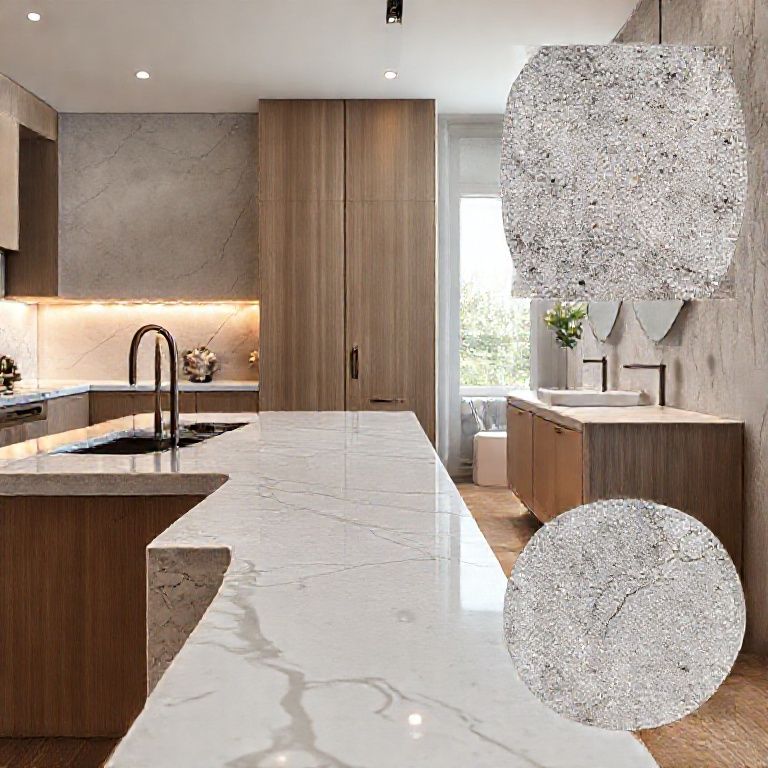
Quartzite’s hardness is approximately 7.5 on the Mohs scale, which places it just below the hardness of diamond. This level of hardness ensures that quartzite can withstand the rigors of daily use, including the impact of cutting boards, pots, and pans. Its metamorphic nature also contributes to its strength, making it an excellent choice for high-traffic areas where durability is paramount.
Granite, with a hardness of 6 to 7 on the Mohs scale, is also incredibly durable. While slightly less hard than quartzite, granite’s strength and resilience make it a popular choice for countertops. The natural beauty of granite lies in its unique veining and patterns, which not only add aesthetic value but also serve as a testament to its natural strength.
Maintenance and Care
While both quartzite and granite are low-maintenance materials, understanding their care requirements can help you maximize their longevity and beauty.
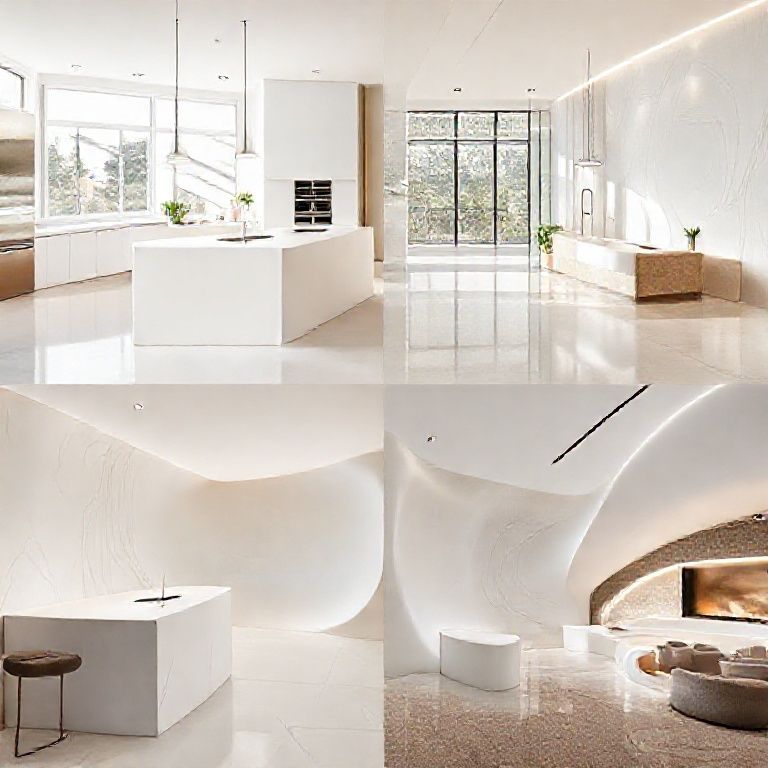
Quartzite requires minimal maintenance. Its non-porous nature means that it does not absorb liquids or stains easily, making it easier to clean. Regular cleaning with mild soap and water is usually sufficient to keep quartzite looking pristine. However, it is important to avoid using abrasive cleaners or cutting boards that can potentially scratch the surface. For added protection, a high-quality sealant can be applied to enhance quartzite’s non-porous properties and further guard against stains.
Granite, although also non-porous, requires periodic sealing to maintain its natural beauty and protect its surface. While granite does not absorb liquids, the acids in fruit juices and some foods can cause discoloration over time. Regular cleaning with a mild soap and water solution, followed by a granite-specific sealer every 6 to 12 months, can help keep granite looking fresh and vibrant. It’s important to avoid using harsh chemicals or abrasive pads when cleaning granite to prevent damage.
Cost Considerations
When comparing the cost of quartzite and granite countertops, several factors come into play, including the quality of the stone, the complexity of the design, and the labor involved in installation.
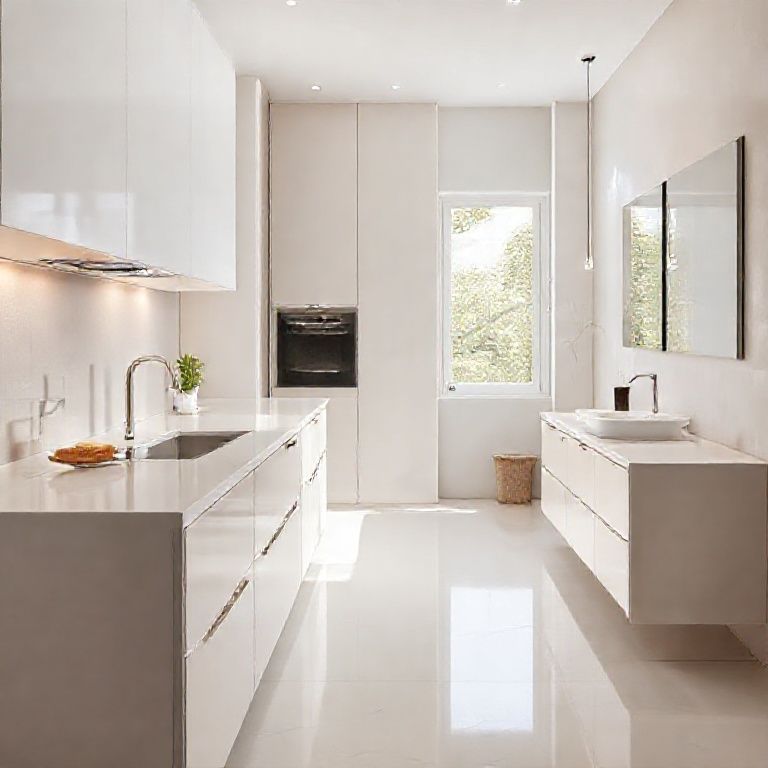
Quartzite generally falls in the mid to high range of countertop prices due to its beauty and durability. The cost of quartzite can vary significantly based on the color, pattern, and source of the stone. Custom designs and intricate patterns can also increase the overall cost. However, the durability and low maintenance requirements of quartzite make it a cost-effective choice in the long run.
Granite is often priced slightly higher than quartzite due to its unique veining and patterns. The cost of granite can vary widely based on the type of granite, the intricacy of the patterns, and the source of the stone. High-end granites like Black Friday and Emperor Grey can be quite expensive, but they offer a stunning and unique appearance that justifies the higher price tag. Like quartzite, the durability and low maintenance of granite contribute to its value over time.
Conclusion
Choosing between quartzite and granite for your kitchen cabinet countertops is a decision that hinges on your aesthetic preferences, budget, and long-term maintenance considerations. Quartzite offers a sleek, modern look with excellent durability and minimal maintenance, making it a versatile choice for any kitchen style. Granite, with its unique and luxurious appearance, provides a timeless elegance that can enhance the overall aesthetic of your kitchen.
Ultimately, both materials are excellent choices that can elevate the beauty and functionality of your kitchen. By understanding the unique qualities and care requirements of quartzite and granite, you can make an informed decision that will ensure your kitchen countertop not only looks stunning but also stands the test of time.
Installation, Environmental Impact, and Final Thoughts
When making the ultimate choice between quartzite and granite for your cabinet countertops, there are additional factors to consider, including installation, environmental impact, and the overall experience of choosing and maintaining these materials.
Installation: Ensuring a Seamless Process
The installation process for both quartzite and granite countertops is similar, but there are some key differences to be aware of.
Quartzite countertops are typically easier to install due to their lighter weight compared to granite. The smooth surface of quartzite also allows for a seamless installation process, often requiring minimal cutting or shaping. Quartzite’s non-porous nature means that it does not require special sealing during installation, which can simplify the process and reduce labor costs.
Granite countertops, on the other hand, are heavier and can require more precise cutting and shaping to fit your kitchen design. The installation process may involve more labor-intensive steps, particularly if intricate patterns or custom designs are involved. However, the unique veining and colors of granite can add a distinctive beauty to your kitchen that is well worth the extra effort during installation.
Environmental Impact: Sustainable Choices
In today’s eco-conscious world, it’s important to consider the environmental impact of the materials you choose for your kitchen countertops.
Quartzite is often praised for its sustainability. As a metamorphic rock, quartzite is formed through natural processes and does not require mining or extensive processing. This means that the production of quartzite typically has a lower environmental footprint compared to other stone materials. Additionally, quartzite countertops are often manufactured in a way that minimizes waste, making them a more sustainable choice for environmentally-conscious consumers.
Granite, while also a natural stone, does involve mining processes that can have environmental impacts. However, responsible mining practices and advancements in technology have reduced the environmental footprint of granite production. Many granite suppliers now offer materials that are sustainably sourced and responsibly mined. Additionally, granite countertops are durable and long-lasting, which means that they can reduce the need for frequent replacements, further contributing to their sustainability over time.
Final Thoughts: Making the Ultimate Choice
Choosing between quartzite and granite for your kitchen cabinet countertops ultimately comes down to your personal preferences, budget, and long-term goals for your kitchen.
Quartzite offers a sleek, modern look with excellent durability and low maintenance. Its versatility in color and design makes it a popular choice for those looking to create a contemporary and stylish kitchen. The ease of installation and minimal environmental impact further enhance its appeal.
Granite, with its unique and luxurious appearance, provides a timeless elegance that can complement a wide range of kitchen designs. The durability and low maintenance of granite make it a cost-effective choice in the long run, while its striking patterns and colors add a personal touch to your kitchen.
To make the ultimate choice, consider visiting a local showroom to see and touch both materials. Speak with professionals about their experiences with installation and maintenance. And most importantly, think about how each material will fit into your overall kitchen design and lifestyle.
In the end, whether you choose quartzite or granite, you are selecting a material that will not only enhance the beauty and functionality of your kitchen but also provide a lasting and enduring statement of quality and style. By weighing the factors of aesthetics, durability, maintenance, cost, installation, and environmental impact, you can confidently make a choice that will bring joy and satisfaction to your kitchen for years to come.