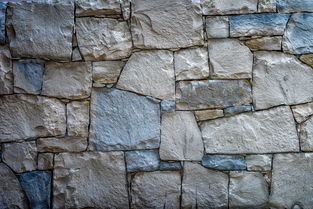
Quartzite vs. Granite: Unveiling the Beauty and Benefits
When it comes to selecting a countertop material for your kitchen, quartzite and granite stand out as top contenders, each bringing its own unique set of features and benefits. Both materials are renowned for their impressive durability, resistance to scratches and stains, and aesthetic appeal. Let’s delve into the specifics of each material to understand why they are popular choices among homeowners and designers alike.
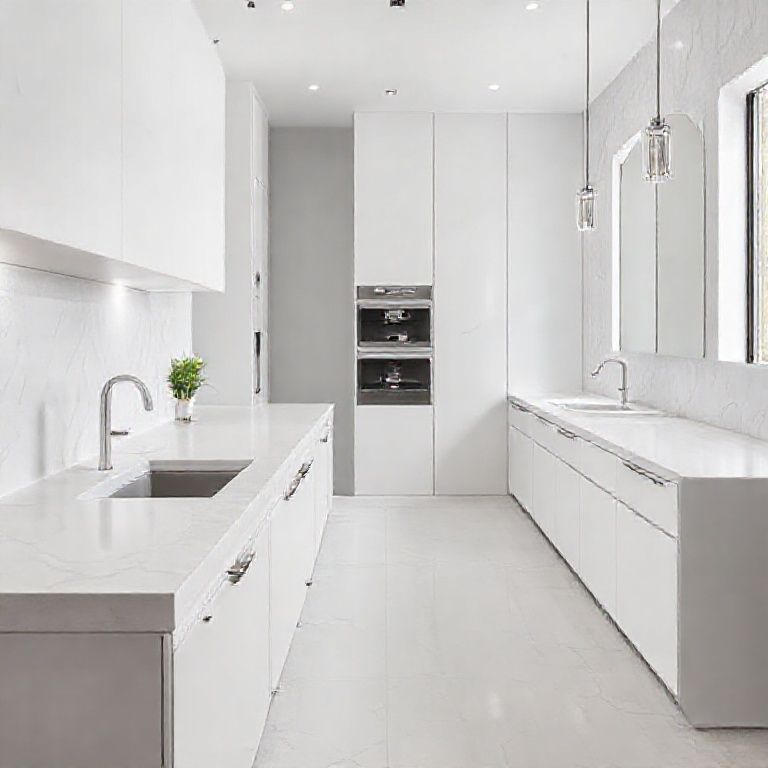
Quartzite: A Modern Marvel
Quartzite is a relatively new addition to the countertop material market, having gained popularity since its introduction in the early 2000s. It is made from 94% pure quartz, which is then bonded with resins to create a seamless, solid surface. This composition gives quartzite its remarkable strength and resistance.
Durability and Maintenance
One of the most significant advantages of quartzite is its exceptional durability. It is virtually scratch-proof and highly resistant to stains, making it an excellent choice for busy households. Unlike natural stone, quartzite doesn’t require sealing, which is a common requirement for granite. This means less maintenance and fewer costs over time. Moreover, quartzite’s non-porous nature ensures that spills and stains don’t penetrate the surface, preserving its pristine look.
Aesthetic Versatility
Quartzite comes in a stunning array of colors and patterns, allowing for a high degree of customization to match any kitchen design. The manufacturers use advanced technology to create unique and intricate designs, offering something for every taste and style. From classic neutrals to bold and vibrant colors, quartzite provides endless possibilities for aesthetic expression.
Cost-Effectiveness
In terms of cost, quartzite often falls in the middle range between granite and composite materials like Formica or laminate. This makes it an attractive option for those looking for a high-quality material without breaking the bank. Additionally, quartzite’s durability means you’re less likely to need to replace your countertops in the long run, further adding to its cost-effectiveness.
Environmental Impact
Quartzite is also a more environmentally friendly option compared to natural stone. Since it doesn’t require the extraction of natural resources, it reduces the environmental footprint associated with quarrying and transporting granite. Additionally, its production process typically uses less energy, making it a sustainable choice for eco-conscious consumers.
Granite: The Timeless Classic
Granite has been a favorite for centuries, known for its natural beauty and impressive durability. It is a natural stone composed primarily of quartz, feldspar, and mica, giving it a unique and often stunning appearance.
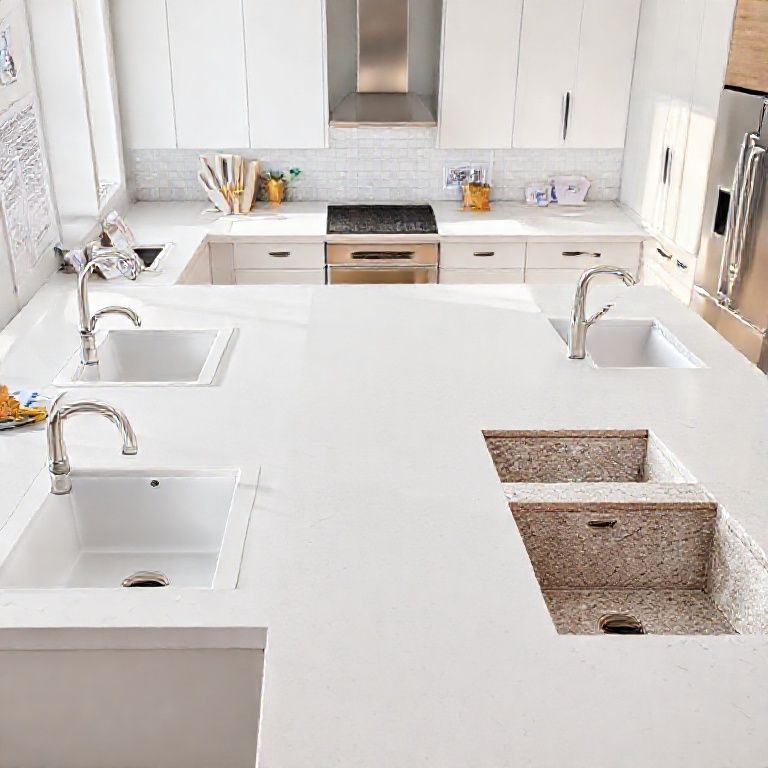
Durability and Maintenance
Granite is incredibly durable and has a high resistance to scratches and stains. However, because it is a natural stone, it is slightly porous and requires regular sealing to maintain its beauty and prevent stains. Sealing granite countertops every 6 to 12 months can help to keep them looking their best, but this does add a layer of maintenance that quartzite does not require.
Aesthetic Versatility
Granite’s beauty lies in its natural variation. Each piece of granite is unique, with its own distinctive patterns and colors. This means that no two countertops are exactly alike, providing a sense of individuality and exclusivity. There are hundreds of granite varieties available, each offering different hues and textures, allowing for a truly personalized touch.
Historical Significance
Granite has been used in architecture and countertops for centuries, lending a timeless and classic appeal to any kitchen. Its historical significance adds a layer of elegance and sophistication that many homeowners appreciate.
Cost
Granite is generally more expensive than quartzite due to its natural stone composition and the additional costs associated with maintenance. However, its timeless appeal and the fact that it doesn’t require sealing might make it worth the investment for those looking for a long-lasting, classic look.
Environmental Impact
Granite is a natural stone, which means its extraction and transportation can have a significant environmental impact. The process of quarrying granite can lead to habitat destruction and other environmental concerns. However, many granite producers are working to improve their practices to minimize these impacts.
Conclusion
Both quartzite and granite offer unique advantages that make them excellent choices for kitchen countertops. Quartzite provides unmatched durability, low maintenance, and aesthetic versatility, while granite offers a timeless beauty and individuality that many find appealing. The choice between the two ultimately depends on your specific needs, preferences, and budget.
Stay tuned for part two where we will further explore the installation process, long-term benefits, and maintenance tips for both quartzite and granite countertops to help you make an informed decision for your kitchen renovation.
Installation, Long-Term Benefits, and Maintenance Tips for Quartzite vs. Granite
In the previous part, we delved into the features and benefits of quartzite and granite countertops. Now, let’s explore the installation process, long-term benefits, and maintenance tips for both materials to provide a comprehensive understanding that will help you make an informed decision for your kitchen.
Installation Process
When it comes to installing quartzite and granite countertops, there are some differences due to their material properties.
Quartzite
Quartzite installation is straightforward due to its solid surface and uniformity. It can be installed using various methods, including adhesives, clips, or screws, depending on the cabinet design and preference. Because quartzite doesn’t require sealing, there’s no need for additional prep work before installation, making the process efficient and hassle-free. The surface’s hardness ensures that it can withstand the installation process without damage.
Granite
Granite installation, on the other hand, requires careful handling due to its weight and natural stone composition. It is typically installed using adhesives or clips, but the process can be more complex because granite is a natural stone and may have slight variations in thickness and shape. Additionally, because granite is porous, it’s crucial to ensure proper sealing during and after installation to prevent moisture and stains.
Long-Term Benefits
Quartzite
One of the major long-term benefits of quartzite is its durability and low maintenance. Its non-porous nature means that it doesn’t absorb stains and spills, which helps in maintaining its appearance over the years. The absence of maintenance requirements like sealing means lower long-term costs and less hassle. Additionally, quartzite’s resistance to scratches and chips makes it ideal for busy kitchens where daily wear and tear are common.
Granite
Granite’s long-term benefits lie in its timeless beauty and durability. Its natural stone composition gives it a unique and often stunning appearance that can enhance the aesthetic appeal of any kitchen. While granite requires regular sealing to maintain its beauty and prevent stains, the process is relatively straightforward and can be done by professionals. Over time, properly maintained granite countertops can develop a rich patina that adds to their charm.
Maintenance Tips
Quartzite
Since quartzite doesn’t require sealing, its maintenance is minimal. Here are some tips to keep your quartzite countertops looking great:
Cleaning: Use a mild soap and water solution to clean the surface. Avoid using acidic cleaners like lemon juice or vinegar, as these can etch the surface. A soft cloth or non-abrasive sponge is sufficient for daily cleaning. Spills: Wipe up spills immediately to prevent any stains from setting. Cuts and Scratches: While quartzite is highly resistant to scratches, minor cuts or scratches can occur. These can be polished out with a specialized quartzite polish or a diamond-tipped stone.
Granite
Granite requires regular maintenance to keep its beauty intact. Here are some tips for maintaining your granite countertops:
Cleaning: Use a mild soap and water solution for daily cleaning. Avoid acidic cleaners, as they can etch the surface. A soft cloth or non-abrasive sponge is ideal. Sealing: Seal your granite countertops every 6 to 12 months, depending on usage. Follow the manufacturer’s instructions for the best results. Spills: Wipe up spills immediately to prevent stains. For tougher stains, use a granite-specific cleaner. Cuts and Scratches: For minor cuts and scratches, use a granite polish or a specialized granite stone to polish them out.
Long-Term Cost Considerations
When considering the long-term cost of quartzite versus granite, several factors come into play, including maintenance, durability, and potential replacement costs.
Quartzite
The low maintenance requirements of quartzite translate into long-term cost savings. Since quartzite doesn’t require sealing, there’s no need for regular professional cleaning or resealing services. This simplicity reduces maintenance costs over time. Additionally, quartzite’s durability means that it is less likely to need replacement due to scratches or stains, further contributing to its long-term cost-effectiveness.
Granite
设计与风格适配性
石英石
石英石的优点之一是它可以模仿几乎任何石材、木材、或者甚至是金属的外观。这种灵活性使得石英石非常适合现代、简约风格的厨房设计。无论是简洁的白色台面,还是复杂的花纹设计,石英石都能够很好地适配到多种设计风格中。
花岗岩
相比之下,花岗岩的自然纹理和独特颜色使其更适合传统和现代混搭风格的厨房设计。花岗岩的自然美感和独特纹理能够为厨房增添一种高贵和永恒的气质,非常适合那些追求自然风格的家庭。
耐用性和耐污性
石英石
石英石是由94%的纯石英和树脂组成,这使得它具有极高的耐用性和耐污性。它几乎不会吸收任何液体,从而避免了污渍渗入表面。由于其高硬度,石英石也不容易受到刮擦和划痕的影响。这意味着它在厨房这种频繁使用的环境中,能够长时间保持美观和干净。
花岗岩
花岗岩也是一种非常耐用的石材,但由于它是天然石材,它具有一定的孔隙性,需要定期密封以防止污渍渗入石材表面。虽然花岗岩非常耐刮擦和耐热,但它对酸性物质和某些清洁剂有一定的敏感性,需要小心处理。
耐热性
石英石
石英石非常耐热,可以承受高温炊具和烤箱门的直接接触,不会因高温而变形或产生裂缝。这使得石英石非常适合作为厨房台面,能够在高温环境下保持稳定。
花岗岩
花岗岩也具有良好的耐热性,但由于其天然石材的特性,直接将热物体放在花岗岩台面上可能会导致热裂。因此,建议在使用热物体时,先放置一个中间隔热垫,以避免对花岗岩表面造成损害。
环保和健康
石英石
石英石的制造过程中使用的树脂和其他成分都是无毒和环保的,因此石英石台面对人体健康和环境都是安全的。它不含有害化学物质,适合对环保和健康有较高要求的家庭。
花岗岩
花岗岩作为天然石材,本身是无毒的。在采石和加工过程中,可能会产生一些粉尘和其他污染物,因此在安装和使用过程中,仍需注意通风和安全防护。
总结
石英石和花岗岩各有其独特的优势和适用场景。石英石以其低维护、多样设计、耐热性和环保性受到许多现代家庭的青睐。而花岗岩则以其自然美感、耐用性和经典风格吸引了那些喜欢传统和自然风格的人群。最终选择哪一种材料,还是要根据家庭的具体需求和喜好来决定。