
Outline (written with explicit H1–H4 structure)
H1: Artificial Marble Image Gallery and Visual Effects: A Practical Guide for Designers and Homeowners H2: What is Artificial Marble? Definition and Origins H3: Cultured Marble vs. Natural Marble H3: Common Manufacturing Methods H2: Why Homeowners and Designers Prefer Cultured Marble H3: Cost, Availability, and Consistency H3: Durability and Maintenance Profile H2: Materials and Manufacturing Details H3: Resin Matrix and Stone Chips H3: Additives and Surface Modifiers H4: Marble-Look vs Quartz-Look: Visual Distinctions H2: Veining and Color: How Patterns Are Created H3: Vein Styles (Carrara-inspired, Calacatta-inspired, Bold Veining) H3: Solid Colors vs Veined Panels H2: Finishes and Textures H3: Polished, Matte, and Specialty Finishes H3: Leathered and Brushed Effects H4: Edge Profiles and Surface Transitions H2: Image Gallery Showcases: Styles and Inspirations H3: Kitchen Countertops H3: Bathroom Vanities and Walls H3: Shower Surrounds and Backsplashes H3: Outdoor and Wet Areas H2: Design Considerations When Browsing Images H3: Reading Veins, Movement, and Scale H3: Light, Reflections, and Room Size H3: Color Coordination with Cabinets and Floors H4: Matching Grout or Seam Treatments H2: Practical Guides for Using Images in Real Projects H3: Photo Curation Tips for Clients H3: Turning Images into a Material Board H2: Maintenance, Durability, and Care H3: Cleaning Guidelines and Safe Products H3: Stain Prevention and Spill Protocols H3: Repairs, Scratches, and Longevity H2: Cost, Value, and ROI H3: Price Ranges by Finish and Brand H3: Long-Term Value vs Natural Marble H2: Installation Essentials You Should Know H3: Substrates, Seams, and Sinks H3: Fabrication, Edges, and Seaming Techniques H4: Quality Checks and Installer Tips H2: Trends in Artificial Marble for 2025 and Beyond H3: Sustainable Materials and Recycled Content H3: Colorways and Vein Direction Trends H2: Conclusion H2: FAQs Q1: What exactly is artificial marble, and how is it made? Q2: How do I choose between solid color and veined patterns? Q3: Are artificial marble surfaces heat resistant? Q4: How should I clean and maintain cultured marble? Q5: Is cultured marble a good investment compared to natural marble or quartz?Second Part (Article)
Artificial Marble Image Gallery and Visual Effects: A Practical Guide for Designers and Homeowners
Introduction to the world of cultured marble is like browsing a big, beautiful photo album. You flip through image after image of countertops that look like real marble but come with a practical twist: they’re affordable, durable, and easier to maintain. If you’ve ever asked, “What do those Artificial Marble图片大全效果图 really show us about design possibilities?” you’re in the right place. This article is your friendly, down-to-earth tour through patterns, finishes, installations, and the visual tricks that make cultured marble pop in photos and real spaces. Think of it as a gallery tour with practical tips you can use when you’re shopping, pitching to a client, or planning a renovation.
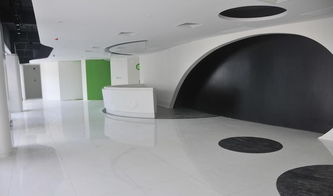
Understanding Artificial Marble: What It Is and How It’s Made What is artificial marble, exactly? In simple terms, it’s a composite material made by binding marble-sized chips or a blended aggregate with a resin matrix. The result is a solid surface that mimics the look of natural marble but with a more uniform color, controlled veining, and a price tag that’s kinder to budgets. You’ll often hear “cultured marble” or “engineered marble,” and sometimes people mix it with acrylic or other resins to improve resilience. The important thing: it’s not a single stone pulled from a quarry. It’s a carefully engineered surface designed to look like marble.
Why homeowners and designers gravitate toward cultured marble is straightforward. First, you get the aesthetic of marble without the same level of porosity, which means fewer stains and easier maintenance. Second, it’s often more readily available, with consistent patterns across lots. Third, manufacturers offer a wide range of colors and veining intensities, so you don’t have to compromise on your design concept.
Materials and manufacturing details pave the why and how behind the look
Resin Matrix and Stone Chips: The base is typically a resin binder mixed with marble dust or other stone fragments. The chips give the surface that speckled, stone-like texture that photographs well. Additives and Surface Modifiers: Agents may be added to improve UV stability, fade resistance, or gloss level. Some formulations focus on heat tolerance or scratch resistance, depending on the application. Marble-Look vs Quartz-Look: So you’ll see polished quartz surfaces that imitate marble, but cultured marble usually leans toward the softer, less crystalline look of natural marble. Quartz composites can mimic marble as well, but they have different performance profiles.Veining and color: how patterns are created Veining is the hero when it comes to marble aesthetics. In artificial marble, manufacturers simulate veins with pigments and the distribution of chips. The result is a controlled, repeatable look that photo editors and designers love. There are typically two broad paths in visuals: solid colors and veined patterns.
Vein Styles: Carrara-inspired veins tend to be softer and more understated, with delicate, wispy lines. Calacatta-inspired veins are bolder, thicker, and can feel more dramatic. Then you’ll find bold-vein options with dramatic swirls that create a statement. Solid Colors vs Veined Panels: Solid color options maximize a clean, modern vibe and highlight edges and shapes. Veined panels add drama and a sense of natural luxury, especially in larger formats where movement through the room helps to visually expand space.Finishes and textures: what you can pick and why it matters
Polished vs Matte: Polished finishes produce a high-gloss, reflect light beautifully and read as luxurious on camera. Matte finishes dress down the look, offering a softer, contemporary feel that hides fingerprints a bit more. Leathered and Brushed Effects: For certain spaces, a leathered or lightly textured surface adds depth and a tactile quality that photos can’t fully convey but that you’ll feel in person. Edge Profiles and Surface Transitions: Edge detailing—square, beveled, eased, or rounded—changes the character of the counter. The edge interacts with light and can significantly affect perceived thickness and quality.Image Gallery Showcases: Styles and Inspirations Let’s translate the gallery vibe into practical cues you can apply.
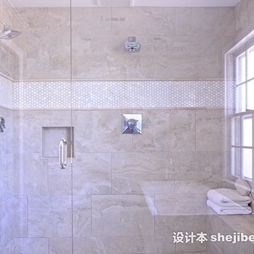
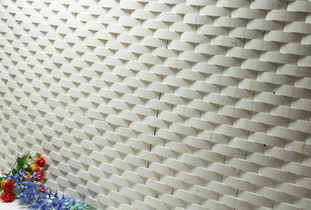 Kitchen Countertops: In kitchens, cultured marble shines in islands and perimeter counters with soft veining to balance wood cabinetry or cool undertones in modern gray palettes. The key in photos is a balance of light and shadow; you want veins that lead your eye rather than interrupt the space. Bathroom Vanities and Walls: Bathrooms benefit from a calm, moisture-friendly surface. Cultured marble works well on vanity tops, tub decks, and walls behind vanities. Light-reflective surfaces brighten small spaces, and horizontal veining can visually widen a narrow bath. Showers and Backsplashes: For showers, a seamless look with full-coverage panels is popular. A lighter background with subtle veins can feel spa-like; darker veining adds drama and depth for feature walls. Outdoor and Wet Areas: Some cultured marble options are rated for outdoor use or high-humidity zones. If you’re selecting for exteriors or poolside areas, verify UV stability and sealing recommendations from the manufacturer.
Design considerations when browsing images
Reading Veins, Movement, and Scale: In photos, veins can trick the eye about scale. Large rooms with big, bold veins can feel cohesive when veins run in a single direction, while smaller rooms benefit from finer vein patterns to avoid visual busy-ness. Light, Reflections, and Room Size: Lighting plays a big role in how the image lands. A bright kitchen makes polished surfaces pop, while a room with soft, angled light looks more luxurious with a matte finish. Color Coordination with Cabinets and Floors: The safest bet is to pick a cultured marble color that complements, rather than competes with, your cabinetry and flooring. If your floors are warm-toned wood, consider a warm marble tone with gentle veining to tie the palette together. Matching Grout or Seam Treatments: For large slabs, seams matter. In images, seamless panels look sleek, but in real life, you’ll need precise fabrication to minimize seam visibility, especially with veined patterns.Practical guides for turning images into real projects
Photo Curation Tips for Clients: Collect 8–12 images that feel right, focusing on patterns, scale, and finishes. Note what you like about each: the vein direction, the gloss level, or the lighting in the shot. Turning Images into a Material Board: Create a board with close-up shots of veins and long-shot images of entire spaces. Add swatches for color matching and trim pieces to visualize how the stone interacts with hardware and cabinetry.Maintenance, durability, and care
Cleaning Guidelines and Safe Products: Use pH-neutral cleaners or mild dish soap with warm water. Avoid highly acidic cleaners (think strong citrus-based products) that can dull the surface over time. Stain Prevention and Spill Protocols: Wipe spills promptly, especially with substances that can leave color stains, like coffee, wine, or tomato sauce. A quick wipe goes a long way toward preserving color and shine. Repairs, Scratches, and Longevity: Small scratches or chips can sometimes be repaired with home repair kits or by a pro. For deeper damage, patching or panel replacement might be necessary, but cultured marble usually handles repairs with less drama than natural stone.Cost, value, and ROI
Price Ranges by Finish and Brand: Cultured marble varies, with cost influenced by color, veining, edge profile, and whether it’s a standard or specialty finish. Generally, it’s more budget-friendly than high-end natural marble but can be more or less than solid surface or quartz, depending on the finish. Long-Term Value vs Natural Marble: The value proposition thrives on lower maintenance costs, better stain resistance, and consistent patterns that reduce customization time. If you want the marble look without frequent sealing or heavy upkeep, cultured marble is a strong contender.Installation essentials you should know
Substrates, Seams, and Sinks: A solid substrate plus properly sealed seams is critical. Undermount sinks require careful fabrication to ensure a clean, seamless look. Fabrication, Edges, and Seaming Techniques: Fabricators match veins across seams where possible. Discuss with your installer how edges will align with the overall pattern to minimize line breaks. Quality Checks and Installer Tips: Ask for seam photos, ask about warranty coverage, and confirm post-install care instructions. A good installer will walk you through spacing, drainage, and any curvature that a curved countertop might require.Trends in artificial marble for 2025 and beyond
Sustainable Materials and Recycled Content: Consumers are increasingly seeking low-impact materials and recycled content in the resin or stone chips. This aligns with broader sustainability goals in interior design. Colorways and Vein Direction Trends: Expect a mix of soft, airy veining in lighter tones and bolder, graphic veining in statement pieces. Designers increasingly favor vein direction that complements architectural lines rather than fighting against them.Conclusion If you’re exploring an “image gallery” approach to artificial marble, you’re not alone. The key is to balance aesthetic desire with practical realities: finish, maintenance, cost, and how the pattern reads in your specific space. The right image can translate into a real, livable surface that elevates a kitchen, bathroom, or outdoor area without the ongoing headache of maintenance. Use the gallery as a compass, not a map—let it guide you toward decisions that feel right in everyday life as well as in the photo suite.
FAQs Q1: What exactly is artificial marble, and how is it made? A1: Artificial marble is a cultured, engineered surface created by binding marble chips or aggregates with a resin matrix. It’s designed to look like natural marble while offering more uniform color, easier maintenance, and lower cost. Veining and color are implanted during manufacturing, producing consistent patterns across slabs.
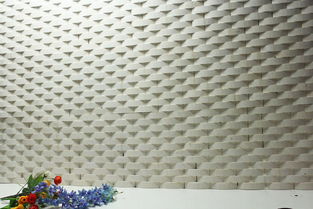
Q2: How do I choose between solid color and veined patterns? A2: Solid colors create a clean, modern backdrop and are great in minimalist designs or tight spaces. Veined patterns add character and drama, especially in larger rooms or feature walls. Consider the room’s scale and lighting: bold veins in a small room can overwhelm, while subtle veins in a large space can feel luxurious.
Q3: Are artificial marble surfaces heat resistant? A3: Cultured marble is generally heat resistant to everyday kitchen use, but it isn’t heat-proof. Always use trivets for hot pots and pans, and avoid placing hot cookware directly on the surface to prevent discoloration or damage over time.
Q4: How should I clean and maintain cultured marble? A4: Clean with a mild soap solution or a pH-neutral cleaner. Wipe up spills promptly, use non-abrasive sponges, and avoid harsh chemicals. For stubborn stains, a non-abrasive cleaner formulated for stone surfaces works well. Dry the surface to prevent water spots.
Q5: Is cultured marble a good investment compared to natural marble or quartz? A5: It depends on what you value. Cultured marble typically costs less than natural marble and quartz, offers easier maintenance, and provides consistent patterns. If you want the marble aesthetic with lower upkeep and a friendlier budget, it’s a smart choice. If you prize unique, one-of-a-kind veining and the ultimate in heat resistance, natural marble or quartz might be a better fit.









